
































































4 Reasons Flagged by Bank of Baroda for the Rupee’s Weakening Against the Dollar
SYNOPSIS: The rupee weakened past 91 per dollar despite RBI liquidity support, with Bank of Baroda attributing the decline to 4 triggering reasons, including trade deal uncertainty, valuation concerns, and more. If you’ve been tracking currency markets lately, the Indian rupee’s performance has likely caught your attention. On Tuesday, 16th December, the rupee slipped past […] The post 4 Reasons Flagged by Bank of Baroda for the Rupee’s Weakening Against the Dollar appeared first on Trade Brains.

SYNOPSIS: The rupee weakened past 91 per dollar despite RBI liquidity support, with Bank of Baroda attributing the decline to 4 triggering reasons, including trade deal uncertainty, valuation concerns, and more.
If you’ve been tracking currency markets lately, the Indian rupee’s performance has likely caught your attention. On Tuesday, 16th December, the rupee slipped past the crucial 91-per-dollar mark, making it one of the weakest-performing Asian currencies so far in 2025. As of 23rd December, the rupee is hovering near 89.6 per dollar, and is down by more than 4 percent so far in FY26.
Amid a weakening rupee and broader economic pressures, other issues revolving around the Indian economy, the Reserve Bank of India (RBI) has stepped up policy actions to support liquidity. On 8th December, the central bank announced a $5 billion USD/INR buy-sell swap auction with a 36-month tenure to inject durable liquidity into the banking system. This move comes amid continued tight liquidity conditions in the financial system, despite recent measures taken by the central bank.
Under this mechanism, the RBI will purchase US dollars from banks in exchange for rupees in the first leg and will sell the dollars back at a predetermined future date along with an agreed premium in the reverse leg. According to market estimates, the swap operation is expected to infuse ~Rs. 45,000 crore of liquidity, which could ease overnight money market rates and improve the transmission of the recent repo rate cut across the financial system.
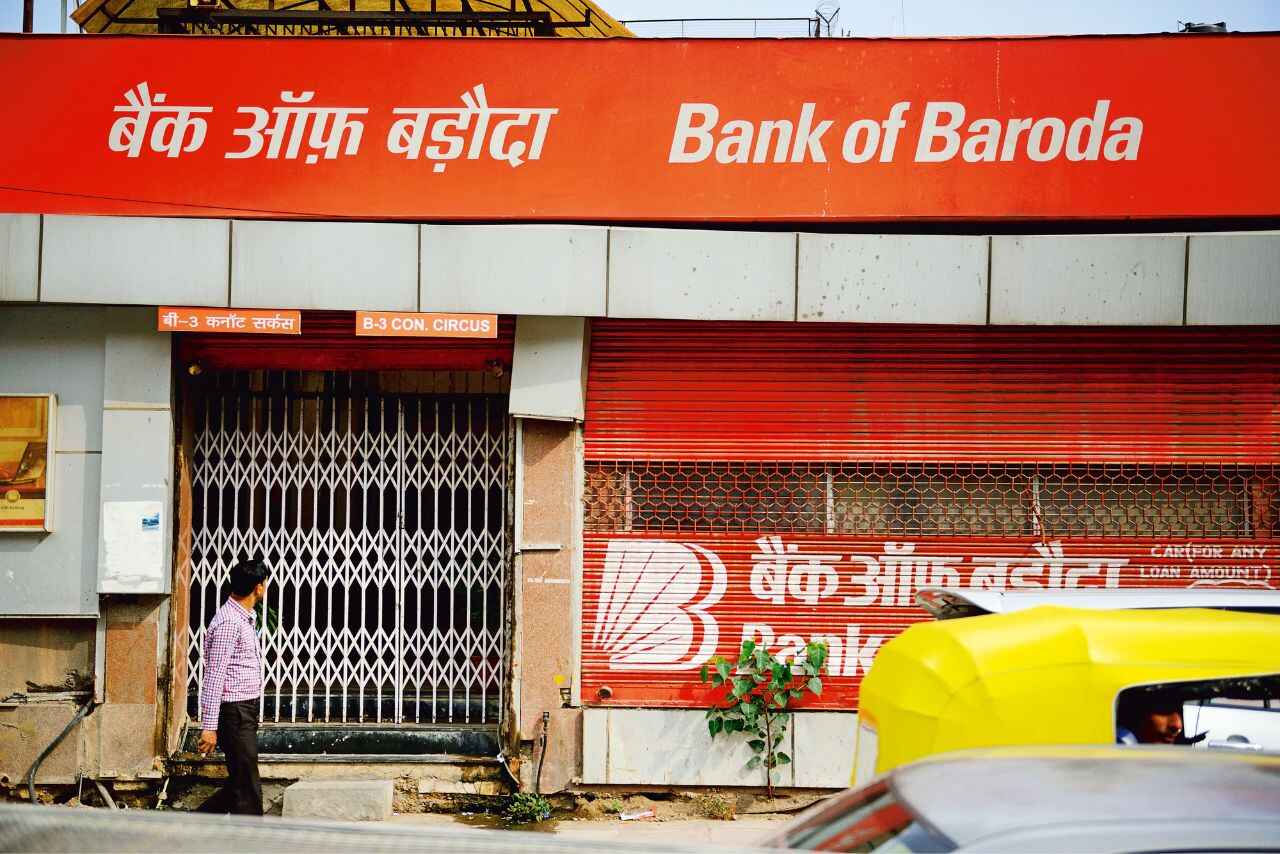
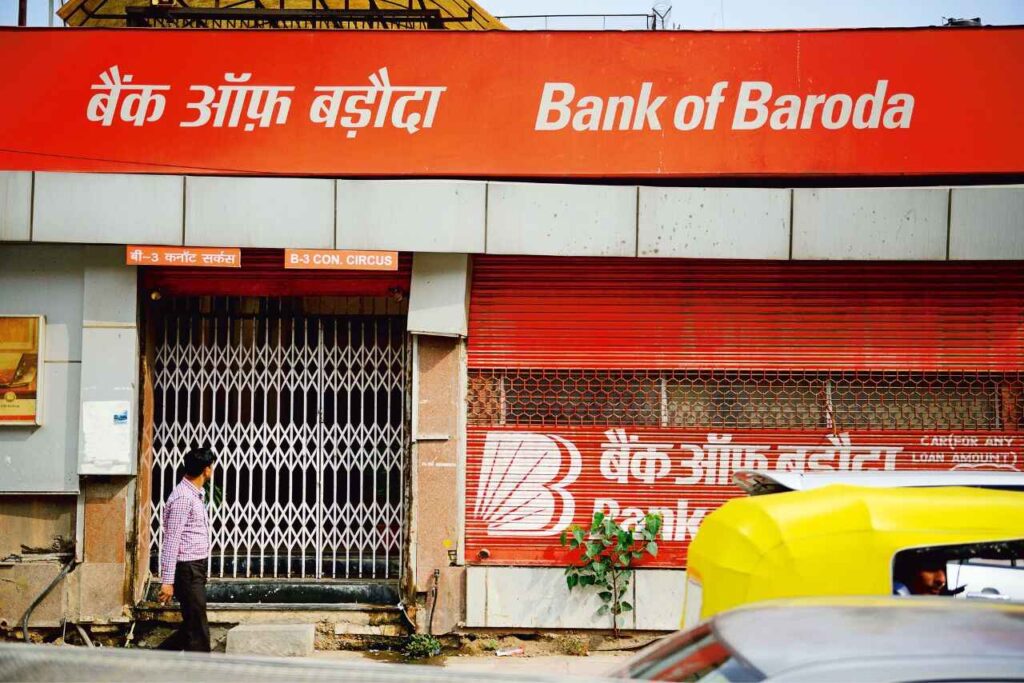
Yet, what has surprised many observers is the rupee’s continued decline even as the dollar index has weakened. Addressing this apparent disconnect, Bank of Baroda (BoB), in its latest report, has outlined the key factors currently weighing on the currency. Here’s a closer look at what the bank believes is driving the rupee’s slide.
Trade deal uncertainty keeps volatility elevated
Bank of Baroda notes that uncertainty around the proposed India–US trade agreement continues to weigh on the rupee. While the bank expects the deal to be concluded by March 2026, it believes recent currency weakness is being driven more by lingering uncertainty and sentiment than by domestic macro fundamentals.
Valuation concerns shift FPIs from Indian equities
High equity valuations in India are also influencing foreign investor behaviour. Some FPIs view Indian markets as relatively expensive, with price-to-earnings multiples outpacing earnings growth. Meanwhile, stronger performance in global equity markets has made overseas assets more attractive, encouraging investors to reallocate capital away from Indian equities.
Sustained FPI outflows add pressure
Foreign portfolio investor (FPI) outflows remain another major drag on the currency. According to BoB’s analysts, persistent withdrawals suggest that a meaningful turnaround in flows may require a clear trigger – potentially the finalisation of the trade deal. The bank also pointed out that seasonal explanations, such as year-end dollar demand, appear less relevant this time, as similar patterns have not been consistently observed in past Decembers.
Trade balance not the primary driver
Contrary to earlier concerns, Bank of Baroda does not see India’s trade balance as a key factor behind the rupee’s weakness. November trade data showed an improvement, easing fears of export slowdown linked to tariffs. The report also highlights that trade deficits have a limited short-term impact on the currency, as exporters are allowed to retain dollar earnings overseas before converting them into rupees.
Beyond these factors, the report underscores the role of the Reserve Bank of India’s market operations. While the RBI can influence the rupee through dollar purchases or sales, foreign exchange reserves – after rising until June – have declined in recent months, suggesting active dollar sales. Global developments, including interest rate cuts by the US Federal Reserve, have also contributed to broader dollar weakness.
Importantly, Bank of Baroda’s analysis shows that no single variable – be it FPI flows, trade deficit, or RBI interventions – explains more than 14 percent of the rupee’s movement. Even collectively, these factors account for only about 20 percent of currency fluctuations. The report also finds that the RBI’s forward market operations tend to have a greater impact on the rupee than spot market interventions.
Disclaimer

The views and investment tips expressed by investment experts/broking houses/rating agencies on tradebrains.in are their own, and not that of the website or its management. Investing in equities poses a risk of financial losses. Investors must therefore exercise due caution while investing or trading in stocks. Trade Brains Technologies Private Limited or the author are not liable for any losses caused as a result of the decision based on this article. Please consult your investment advisor before investing.
The post 4 Reasons Flagged by Bank of Baroda for the Rupee’s Weakening Against the Dollar appeared first on Trade Brains.
What's Your Reaction?