





















































₹7,280 Cr Support: Can India turn 6.9 Mil tonnes of rare earth mineral reserves into power?
Synopsis:- India holds the world’s third-largest rare earth reserves at 6.9 million tonnes but contributes just 0.7% to global output. With a ₹7,280 crore policy push and 6,000 MTPA REPM target, execution will determine whether resources translate into strategic and industrial power. India’s technology and energy transition is accelerating as the rare earth elements gain […] The post ₹7,280 Cr Support: Can India turn 6.9 Mil tonnes of rare earth mineral reserves into power? appeared first on Trade Brains.

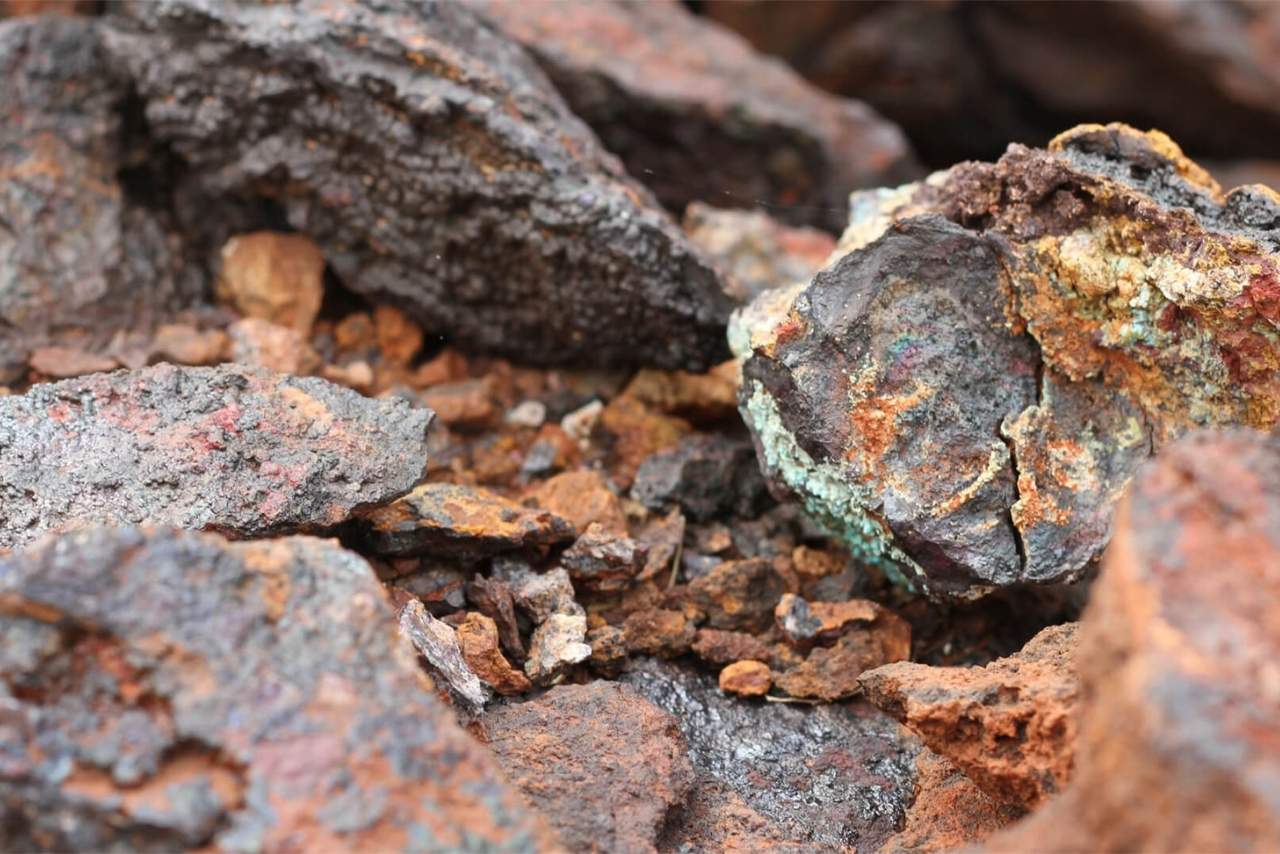
Synopsis:- India holds the world’s third-largest rare earth reserves at 6.9 million tonnes but contributes just 0.7% to global output. With a ₹7,280 crore policy push and 6,000 MTPA REPM target, execution will determine whether resources translate into strategic and industrial power.
India’s technology and energy transition is accelerating as the rare earth elements gain strategic importance. The 17 REEs support over 200 advanced applications, making them vital for electronics mobility, renewable energy, and High-tech manufacturing amid rapid global technological change.
After pandemic-led supply disruption, india has prioritised rare earth within its self-reliance agenda. With domestic resource and policy support, the country aims to cut import dependence and strengthen critical sectors such as clean energy, defence, and electronics over the coming decade.
Strategic Importance of REEs
Rare earth elements act like “vitamins” for modern industry, required in small amounts but vital for performance. Their unique magnetic, catalytic, and phosphorescent properties make them indispensable to advanced technologies. Elements such as neodymium and europium enable powerful motors, high-quality displays, and precision electronic functions.
These elements are embedded across everyday and strategic applications, including smartphones, laptops, wind turbines, electric vehicles, drones, and defence systems. Even medical equipment relies on REEs for accuracy and efficiency. Without them, the production of many high-tech and green technologies would face serious limitations.
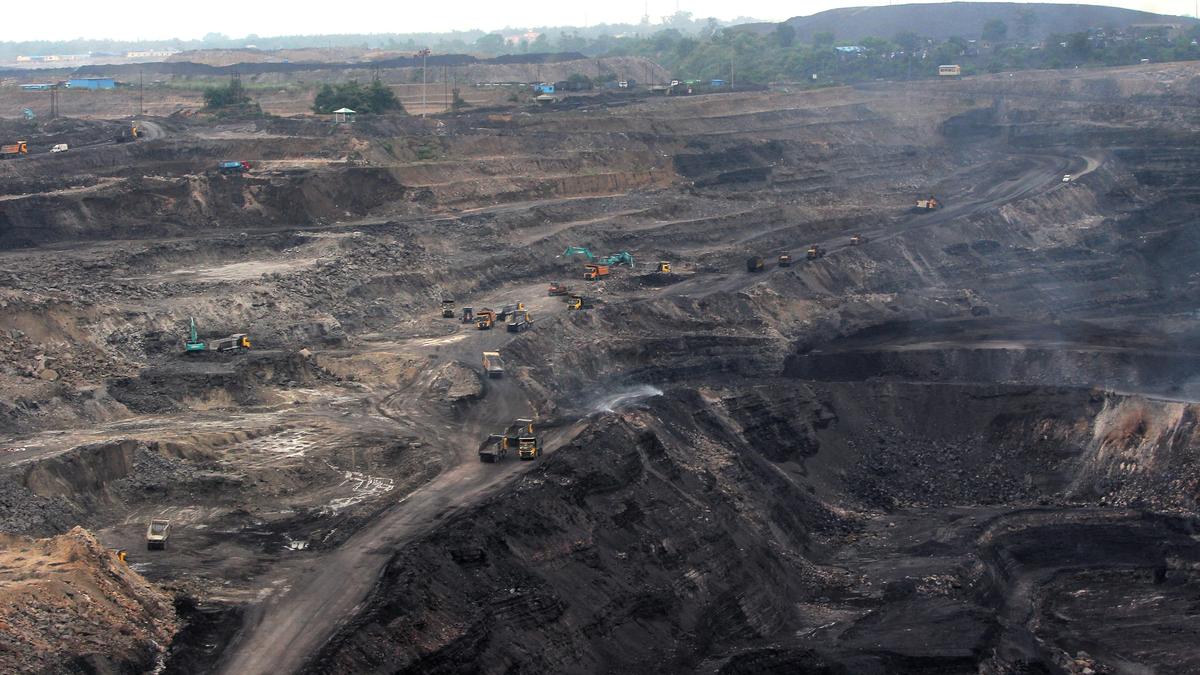
While rare earths are not truly scarce in nature, extracting them is technically challenging. Economically viable and concentrated deposits are uncommon, particularly for heavy rare earths. Complex mining, processing difficulties, and environmental concerns make securing a reliable REE supply a strategic challenge worldwide.
China’s REE Dominance
For decades, China has dominated the global rare earths market, producing over 95% of global supply in the early 2000s by leveraging cost advantages and relatively lax environmental norms. Even in 2024, China controls nearly 70% of global output, underscoring its continued influence over critical mineral supply chains.
However, geopolitical tensions and the global clean energy push are driving diversification away from China. The US and Myanmar now contribute roughly 8–12% each, while Australia and others add smaller shares. India’s output remains limited at about 0.7%, despite global rare earth oxide production nearly tripling to around 3,90,000 metric tons since 2017.
Global Reserve Concentration
China’s overwhelming dominance in rare earth reserves, with about 44 million metric tonnes, far ahead of Brazil’s 21 million tonnes. This concentration explains China’s long-standing influence over global rare earth supply chains and pricing power.
India ranks among the top holders with nearly 6.9 million metric tonnes of reserves, comparable to Australia and ahead of Russia and the United States. Despite this resource base, India’s production remains limited, signalling significant untapped potential in rare earth mining and processing.
Make-in-India REPM
Recently, the Union Cabinet has approved a ₹7,280 crore scheme to boost domestic manufacturing of sintered rare earth permanent magnets. The initiative targets 6,000 MTPA of integrated capacity, marking a first for India. It aims to strengthen self-reliance, reduce import dependence, and position India as a competitive player in the global permanent magnet value chain.
The scheme involves a total outlay of ₹7,280 crore, aimed at boosting domestic REPM manufacturing. It includes ₹6,450 crore in sales-linked incentives spread over five years and ₹750 crore as capital subsidy to help set up 6,000 MTPA of manufacturing capacity, strengthening India’s rare earth processing ecosystem.
Risk Factors
- India lacks advanced rare earth separation and processing technologies, especially for heavy REEs, making commercial extraction slow, costly, and dependent on foreign expertise.
- Rare earth mining involves radioactive waste and environmental risks, leading to strict regulations, long approval timelines, and potential public opposition to large-scale projects.
- Developing rare earth mines and downstream facilities requires heavy upfront investment with long payback periods, which can deter private players and delay capacity creation.
- Limited domestic manufacturing of magnets and advanced components reduces value capture, risking India remaining a raw material supplier rather than a full value-chain participant.
Conclusion
India’s rare earth ambition is strategically well-timed but execution-heavy. While 6.9 million tonnes of reserves and a ₹7,280 crore policy push provide a strong foundation, success hinges on building processing technology, downstream magnet capacity, and environmental safeguards. If these gaps are addressed, rare earths can meaningfully strengthen India’s industrial, energy, and defence security over the long term.

Disclaimer: The views and investment tips expressed by investment experts/broking houses/rating agencies on tradebrains.in are their own, and not that of the website or its management. Investing in equities poses a risk of financial losses. Investors must therefore exercise due caution while investing or trading in stocks. Trade Brains Technologies Private Limited or the author are not liable for any losses caused as a result of the decision based on this article. Please consult your investment advisor before investing.
The post ₹7,280 Cr Support: Can India turn 6.9 Mil tonnes of rare earth mineral reserves into power? appeared first on Trade Brains.
What's Your Reaction?