




































































Apollo Micro Systems: Key Risks Investors Should Keep An Eye On
Synopsis: Apollo Micro Systems looks like a classic defence success story, but the cracks show on closer inspection. Profits haven’t translated into cash, working capital stress is rising, promoters are heavily pledged, and governance concerns keep resurfacing. Together, these issues make the stock riskier than it appears at first glance. Defence stocks have a way […] The post Apollo Micro Systems: Key Risks Investors Should Keep An Eye On appeared first on Trade Brains.

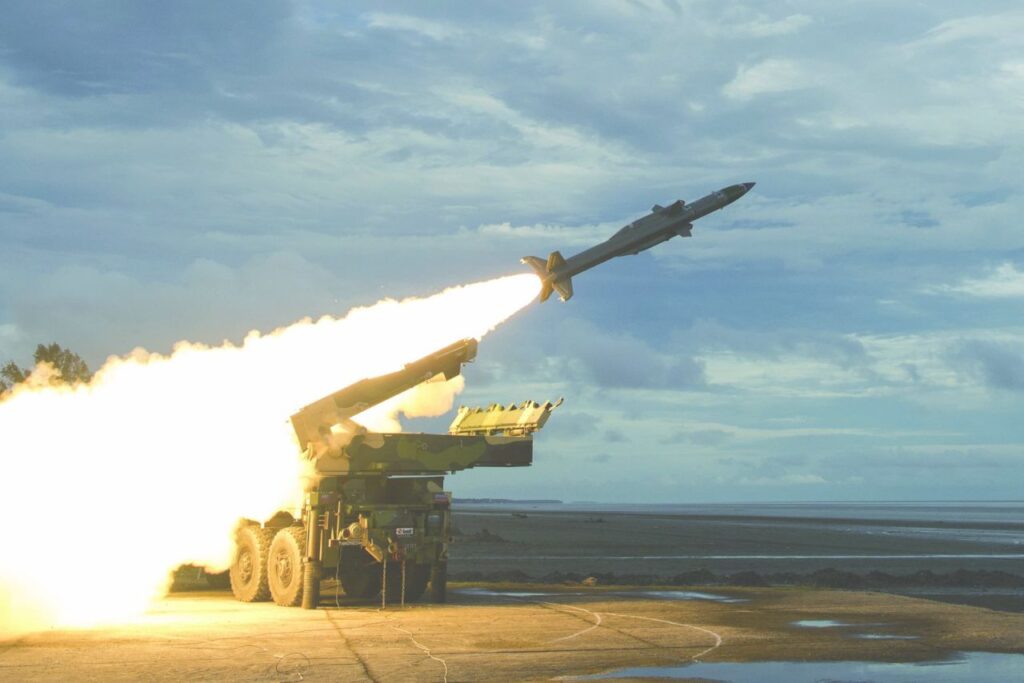
Synopsis: Apollo Micro Systems looks like a classic defence success story, but the cracks show on closer inspection. Profits haven’t translated into cash, working capital stress is rising, promoters are heavily pledged, and governance concerns keep resurfacing. Together, these issues make the stock riskier than it appears at first glance.
Defence stocks have a way of inspiring confidence. Long contracts, national importance and the promise of steady growth can make the story feel reassuring almost by default. Apollo Micro Systems fits neatly into that narrative and has rewarded investors with a strong run over the years.
But when a stock looks solid from the outside, it is often worth asking what lies beneath the headlines and the numbers. Are there risks that investors should not ignore?
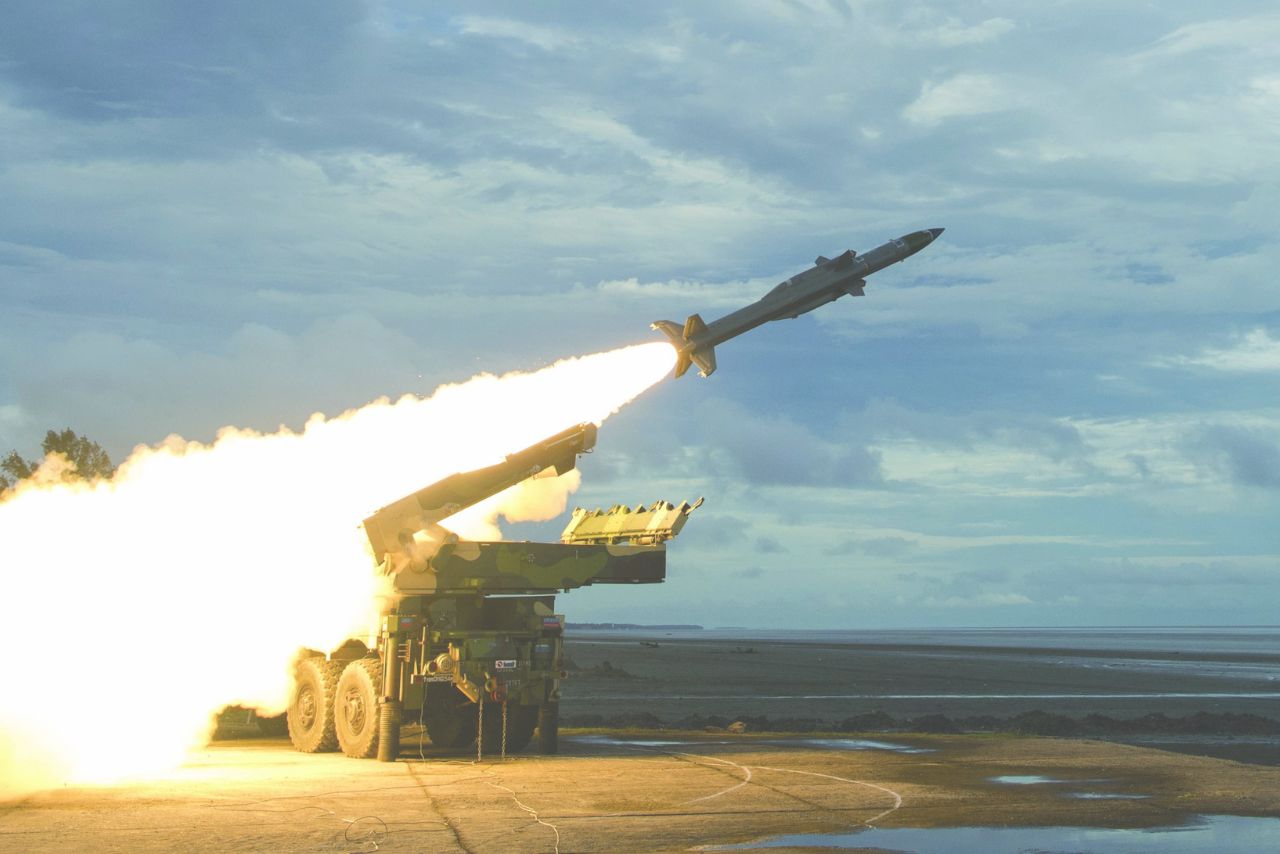
Apollo Micro Systems Limited has been operating in India’s defence technology space for over four decades, focusing on the design and manufacturing of complex electronic and electromechanical systems. Backed by in-house capabilities across multiple domains, the company positions itself to develop and scale defence technologies aligned with the country’s long-term strategic requirements. As of now, the company’s shares trade around Rs. 272, with a market capitalization of approximately Rs. 9,722 crore.
Unstable Flows
Over the ten-year period from FY2016 to FY2025, Apollo Micro Systems reported a cumulative net profit after tax of about Rs. 221 crore. However, during the same period, the company generated a negative cumulative cash flow from operations of roughly Rs. 83 crore.
This mismatch indicates that despite reporting paper profits, the business has struggled to convert those profits into actual cash, a red flag for a manufacturing company operating at scale.
The primary reason for this disconnect lies in the company’s highly working-capital-intensive business model. Defence projects require long production cycles, advance procurement of specialised components and extensive testing before customer acceptance.
As a result, large sums of money remain tied up in inventory and trade receivables for extended periods. Credit rating agency Acuité noted in its July 2025 report that the company’s working capital cycle remains significantly elongated due to stretched receivables and elevated inventory levels.
Inventory requirements have risen far faster than revenues. Between FY2015 and FY2025, inventory levels expanded from Rs. 73 crore to Rs. 601 crore, an increase of more than eight times, while sales grew only 3.7 times. During this period, inventory turnover declined from 2.2 in FY2016 to 1.1 in FY2025, reflecting deteriorating efficiency. Management has explained that certain raw materials require advance booking with lead times extending up to two years, necessitating large inventory buffers.
Receivables add another layer of strain. Payments are released only after customers complete detailed testing and acceptance procedures, often taking several months. In FY2021, receivable days stretched to about 274 days, meaning the company received cash almost nine months after delivery. Even as of March 31, 2025, undisputed receivables exceeding Rs. 27 crore remained outstanding for more than three years, severely impacting liquidity and forcing reliance on external funding.
Promoters Relied On Pledging of Existing Shares To Subscribe To New Equity Shares
Apollo Micro Systems’ persistent cash flow deficits have required repeated equity infusions. While equity raising supports growth, it also dilutes existing shareholders, including promoters. Over time, promoter shareholding has fallen sharply from 96.79 percent in FY2017 to 50.33 percent as of September 30, 2025. This places promoters in a tight position, where maintaining majority control demands continuous participation in fresh equity issues, often through warrants and preferential allotments.
Since FY2018, the company has raised over Rs. 1,100 crore through various equity instruments. To fund their participation in these issuances, promoters have increasingly relied on borrowing against their existing shareholding. In a February 2025 conference call, management explicitly acknowledged that promoter shares were pledged to raise funds for subscribing to warrants. As of September 30, 2025, 35.55 percent of promoter shareholding, amounting to over 6 crore shares, was pledged.
At the September 30, 2025 closing price of Rs. 325.60, the pledged shares were valued at over Rs. 1,950 crore. Given typical loan-to-value ratios of around 50 percent, promoter borrowings against shares could be as high as Rs. 975 crore. Such arrangements expose promoters to continuous mark-to-market pressures. Any decline in share price can trigger demands for additional collateral or partial repayment, intensifying financial stress.
High promoter pledging often creates negative market perception and can lead to a vicious cycle. Falling share prices force additional pledges, which further erode confidence. Under such pressure, management focus may shift towards supporting the stock price through frequent positive announcements. Investors should therefore remain cautious, as historical evidence shows a correlation between high promoter pledging and increased governance and financial reporting risks over business cycles.
Promoters Trying To Get High Remuneration & Dividends
The burden of servicing large personal loans raised through share pledging naturally increases the need for regular cash inflows at the promoter level. In Apollo Micro Systems’ case, this pressure has manifested in repeated attempts to raise promoter remuneration to the maximum permissible levels. In May 2022, a proposal to increase promoter remuneration to Rs. 1.8 crore per annum along with a profit-linked bonus was rejected by 100 percent of public institutional shareholders, though it passed due to promoter voting.
A similar pattern emerged again in the 2023 AGM, when a proposal to raise overall promoter remuneration beyond Rs. 5 crore was opposed unanimously by public institutional investors but approved through promoter votes. These repeated instances indicate a persistent divergence between promoter intent and minority shareholder interests. For long-term investors, such divergence is an important governance signal that cannot be ignored.
Dividends represent another potential channel for cash extraction. Despite reporting negative free cash flows and rising debt over the last three years, the company declared increasing dividends in FY2023, FY2024 and FY2025. Since operating cash flows were insufficient, these dividends were effectively funded through borrowings or equity dilution rather than surplus business cash, raising questions about capital allocation discipline.
In situations where promoters face high personal leverage, dividends and remuneration should be evaluated as part of a broader liquidity ecosystem. Such payouts may offer short-term comfort but can weaken the company’s financial flexibility. Investors should also note that dividend continuity in such cases is uncertain and may be curtailed abruptly if lenders tighten conditions or if cash flows deteriorate further.
Complex Group Structure
Apollo Micro Systems operates through a layered group structure involving multiple subsidiaries and a step-down subsidiary, many of which are only partly owned. The company holds 51.01 percent in Ananya SIP RF Technologies Private Limited and 76 percent in Apollo Defence Industries Private Limited. Apollo Strategic Technologies Private Limited is further owned by Apollo Defence Industries, resulting in an effective holding of just 38.76 percent for the listed entity.
Such structures can create economic imbalances. While Apollo Micro Systems bears the bulk of funding responsibilities, operational risks and guarantees due to majority ownership, external shareholders in these subsidiaries may benefit without proportionate capital contribution. Annual reports do not clearly disclose the identities of these external shareholders, limiting transparency and making it difficult for investors to assess potential conflicts of interest.
The risk is heightened when related-party transactions enter the picture. Over the years, the company has repeatedly sought shareholder approval for large transactions with partly owned subsidiaries and promoter-owned entities such as Apollo Food and Beverages Private Limited. These proposals, involving transaction values of Rs. 1,200 crore in 2025 and Rs. 1,500 crore later via postal ballot, were rejected by public institutional shareholders on both occasions.
Repeated attempts to push through transactions that minority shareholders consistently oppose should be viewed as a governance warning. Even if transactions are presented as operationally necessary, the persistence of such proposals indicates a misalignment between promoter priorities and minority shareholder interests. For long-term investors, such governance friction adds another layer of risk that warrants sustained monitoring alongside financial performance.
Apollo Micro Systems appears strong as a defence play, but the underlying risks are hard to overlook. Weak cash flow conversion, rising working capital stress, repeated equity dilution and heavy promoter pledging point to a fragile financial structure beneath reported profits. Coupled with governance concerns around remuneration, dividends and related-party transactions, the comfort of the defence narrative fades on closer scrutiny.
Disclaimer: The views and investment tips expressed by investment experts/broking houses/rating agencies on tradebrains.in are their own, and not that of the website or its management. Investing in equities poses a risk of financial losses. Investors must therefore exercise due caution while investing or trading in stocks. Trade Brains Technologies Private Limited or the author are not liable for any losses caused as a result of the decision based on this article. Please consult your investment advisor before investing
The post Apollo Micro Systems: Key Risks Investors Should Keep An Eye On appeared first on Trade Brains.
What's Your Reaction?