














































Apollo Tyres: Why Is It Spending ₹3,500 Cr Despite Rubber Price Hikes and Margin Shrinkage Concerns?
Synopsis: India’s tyre industry is entering another difficult raw material cycle as natural rubber prices surge sharply. Yet Apollo Tyres is moving ahead with one of its largest capex plans while simultaneously restructuring Europe, signalling that management believes the long-term demand opportunity matters more than short-term margin pressure. The tyre industry in India is once […] The post Apollo Tyres: Why Is It Spending ₹3,500 Cr Despite Rubber Price Hikes and Margin Shrinkage Concerns? appeared first on Trade Brains.

Synopsis: India’s tyre industry is entering another difficult raw material cycle as natural rubber prices surge sharply. Yet Apollo Tyres is moving ahead with one of its largest capex plans while simultaneously restructuring Europe, signalling that management believes the long-term demand opportunity matters more than short-term margin pressure.
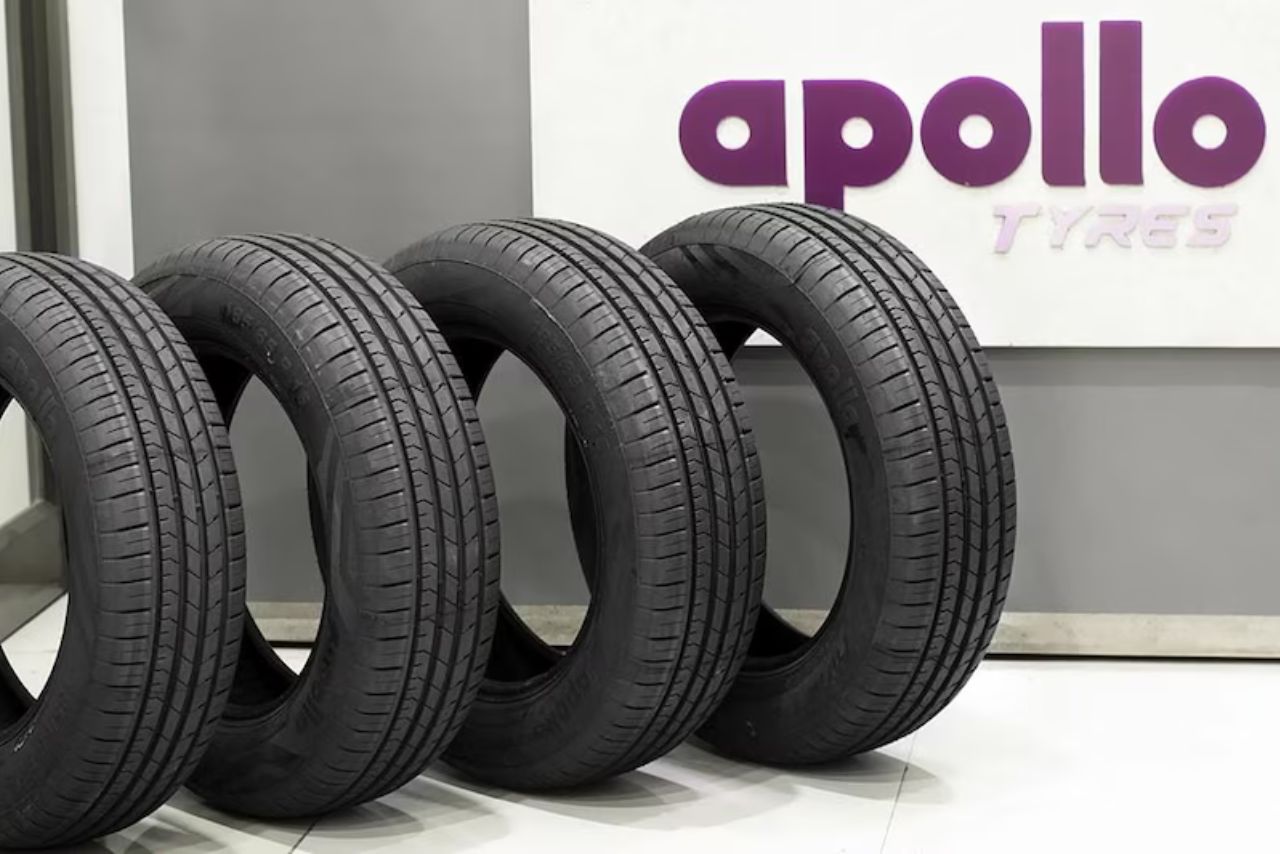
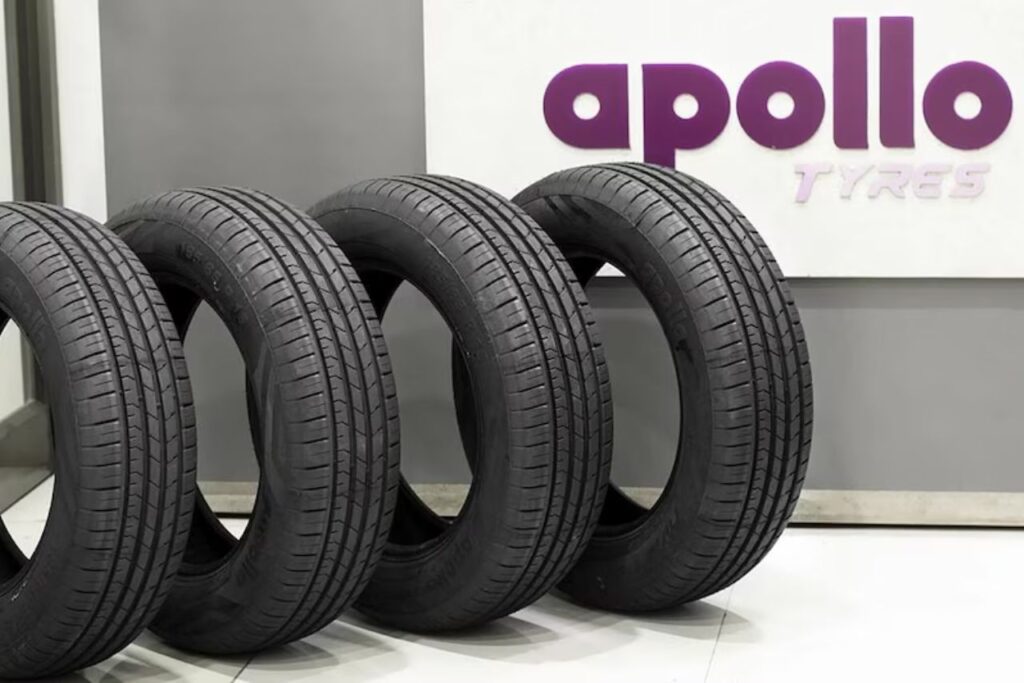
The tyre industry in India is once again facing pressure from rising natural rubber prices, with costs jumping from nearly ₹200/kg to ₹250/kg within months. Since raw material inflation impacts margins immediately while tyre price hikes happen gradually, profitability across the sector often comes under pressure during such cycles. Against this backdrop, this legacy tyre major is still moving ahead with a ₹3,500 crore expansion plan while simultaneously restructuring its European operations.
With a market capitalisation of around ₹23,534 crore, the shares of Apollo Tyres are trading near ₹371 apiece in today’s market session. , down 1.21% from their previous day’s close of ₹375 apiece. However, the stock has corrected significantly and is down by 24.09% over the past year.
Strong Quarterly Performance Despite Rising Costs
Apollo Tyres delivered one of its strongest quarters in Q4 FY26 despite commodity pressure starting to build again. Revenue rose 14.2% year-on-year to ₹7,336 crore, while EBITDA increased 27.6% to ₹1,069 crore. EBITDA margins expanded to 14.6%.
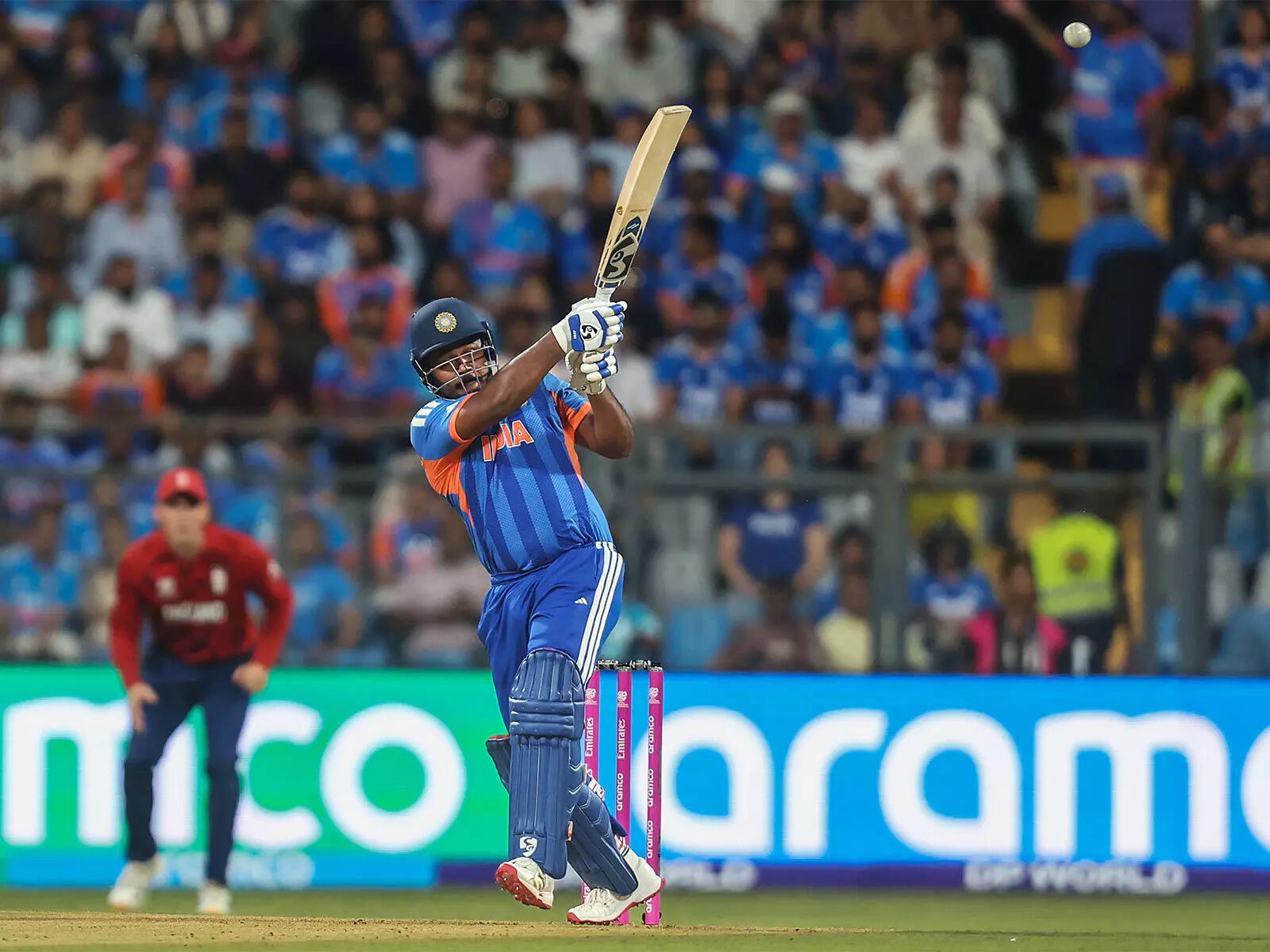
India remained the key growth driver during the quarter, supported by healthy replacement demand across segments. The performance becomes even more notable considering Apollo absorbed over ₹100 crore of additional BCCI-related marketing expenditure during FY26.
Why Apollo Is Still Spending ₹3,500 Crore
The bigger debate around Apollo Tyres is not the quarterly performance itself, but why the company is continuing with such a large investment cycle despite visible margin pressure beginning to return. Management plans to spend nearly ₹3,500 crore during FY27, with almost 80% directed toward capacity expansion projects and nearly ₹3,000 crore focused on India alone.
The strategy appears to be driven by long-term demand visibility rather than short-term commodity cycles. India’s tyre market continues benefiting from rising vehicle ownership, strong replacement demand, growth in commercial transportation, highway infrastructure expansion, premiumisation in passenger vehicles, and increasing radial tyre penetration. Tyre manufacturing also requires long lead times for new capacity creation, meaning companies cannot wait for ideal raw material conditions before investing. Apollo appears willing to absorb temporary profitability pressure today in order to strengthen its market positioning over the next several years.
Europe Shutdown Signals A Strategic Reset
Apollo Tyres is simultaneously restructuring its European operations aggressively. The company announced closure of its Enschede manufacturing facility in the Netherlands effective June 30, 2026, effectively shutting its final manufacturing plant in the country. The restructuring comes with a significant short-term financial impact, including more than €55 million of cash restructuring provisions and nearly €43 million of non-cash impairment and write-off charges.
While the move appears negative for near-term earnings visibility, management views it as a long-term operational efficiency exercise. European operations have historically operated at significantly lower profitability levels compared to India because of higher manufacturing costs and weaker operating leverage. Apollo expects profitability benefits from the closure to start reflecting from H2 FY27 onward, suggesting the company is willing to absorb short-term financial pressure in exchange for stronger long-term efficiency and margin improvement.
Rubber Inflation And India Expansion Are Colliding Simultaneously
The biggest near-term challenge for Apollo Tyres remains raw material inflation, with natural rubber prices surging sharply and forcing the company to implement 6–8% tyre price hikes in India. Management also admitted that only “half the required increase” has been taken so far, signalling the possibility of further price hikes if commodity pressure continues.
Despite this, Apollo is continuing to invest aggressively across truck and bus radial tyres, premium passenger vehicle tyres, manufacturing upgrades, and replacement market expansion because management appears confident that India’s long-term replacement demand cycle remains structurally strong.
Market Takeaway
Apollo Tyres currently sits in a difficult but strategically important phase. The company is dealing with rising raw material inflation, restructuring costs, and possible margin pressure over the next few quarters. At the same time, it is deploying one of its largest capex cycles because management believes India’s tyre demand story remains structurally strong.
The Europe shutdown signals operational restructuring, while the ₹3,500 crore investment plan signals confidence in future domestic demand growth. The next few quarters will largely depend on whether Apollo can continue passing rising rubber costs through pricing without materially hurting demand.
If commodity inflation stabilises and Europe restructuring starts improving profitability from H2 FY27 onward, the current investment cycle could eventually strengthen Apollo’s competitive positioning significantly over the next several years.
About The Company
Founded in 1972, Apollo Tyres is one of India’s largest tyre manufacturers with operations across India and Europe. The company manufactures tyres for passenger vehicles, commercial vehicles, two-wheelers, and off-highway applications, with strong presence in the replacement market. Apollo operates manufacturing facilities across India, Hungary, and the Netherlands, and sells products under brands including Apollo and Vredestein across domestic and international markets.
Disclaimer: The views and investment tips expressed by investment experts/broking houses/rating agencies on tradebrains.in are their own, and not that of the website or its management. Investing in equities poses a risk of financial losses. Investors must therefore exercise due caution while investing or trading in stocks. Trade Brains Technologies Private Limited or the author are not liable for any losses caused as a result of the decision based on this article. Please consult your investment advisor before investing.
The post Apollo Tyres: Why Is It Spending ₹3,500 Cr Despite Rubber Price Hikes and Margin Shrinkage Concerns? appeared first on Trade Brains.
What's Your Reaction?