

































.png)


Arvind Fashions: Can Tommy Hilfiger, Calvin Klein and U.S. Polo Assn. Push Margins Beyond 13.4%?
Synopsis: Arvind Fashions Limited delivered 14% revenue growth, 13.4% EBITDA margins, and 23%+ ROCE in FY26, but the bigger story lies in its premium brand portfolio. With U.S. Polo, Tommy Hilfiger, and Calvin Klein regaining momentum, rising D2C penetration, premiumisation, and AI-led efficiency initiatives, the company now appears structurally positioned to push profitability beyond current margin […] The post Arvind Fashions: Can Tommy Hilfiger, Calvin Klein and U.S. Polo Assn. Push Margins Beyond 13.4%? appeared first on Trade Brains.

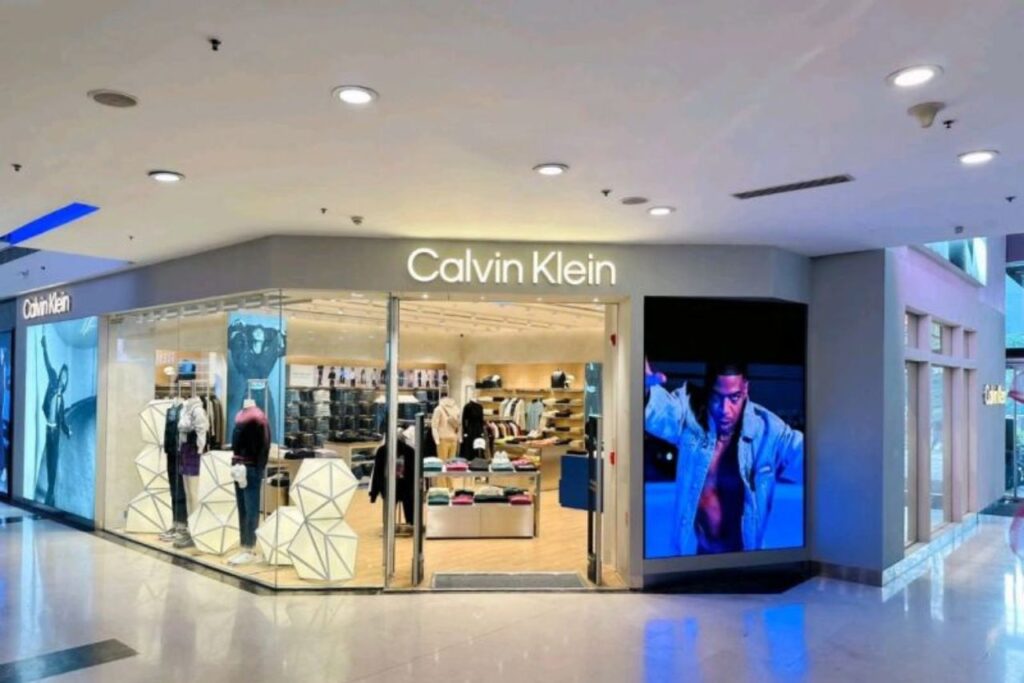
Synopsis: Arvind Fashions Limited delivered 14% revenue growth, 13.4% EBITDA margins, and 23%+ ROCE in FY26, but the bigger story lies in its premium brand portfolio. With U.S. Polo, Tommy Hilfiger, and Calvin Klein regaining momentum, rising D2C penetration, premiumisation, and AI-led efficiency initiatives, the company now appears structurally positioned to push profitability beyond current margin levels.
In India’s branded apparel market, scale alone is no longer enough; profitability increasingly depends on brand strength, pricing power, and direct consumer relationships. Arvind Fashions Limited appears to be building all three simultaneously. From expanding premium labels like Tommy Hilfiger and Calvin Klein to scaling the mass-premium appeal of U.S. Polo Assn, the company is reshaping its portfolio while shifting more sales to high-control direct channels. With margins already at multi-year highs, investors are now watching whether this brand-led strategy can unlock an even more profitable growth cycle.
With a market cap of Rs 5,800 crore, the shares of Arvind Fashions Ltd are trading at Rs 434 and are trading at a PE of 43 compared to their industry’s PE of 42.4. The shares have given a return of more than 200% in the last 5 years.
A Year of Profitable Growth
For Arvind Fashions Limited, FY26 was another year of outstanding operational performance, with a broad base of growth and increasing profit margins and capital efficiency. According to the management, FY26 was the year of “profitable broad-based growth” for the organisation, and the figures proved their point.
The firm recorded a 14% increase in sales revenue during FY26, whereas its EBITDA margin rose by 40 basis points. The profit after tax of the organisation increased by 62%, and the return on capital employed exceeded 23%, which is referred to by the management as the “North Star metric” of the organisation.
However, the organisation did not seem to stop there, as its momentum continued in the fourth quarter of FY26 as well, with an increase of 14.8% in Q4 revenue, reaching a net sales value of ₹1,365 crore from ₹1,189 crore in Q4 of the previous year.
Its EBITDA (excluding other income) came in at ₹189 crore from ₹159 crore in the corresponding quarter of the previous year, marking a 50-basis-point increase in margin. Finally, the PAT for Q4 FY26 reached ₹47 crore from a loss of ₹93 crore in Q4 of the previous year.
Direct-to-Consumer Drives the Mix Shift
One of the important structural elements leading to better margins at Arvind Fashions has been the sharp move towards direct channels of distribution. Management was quick to point out that direct channels have now moved up to contribute 56% to total revenue, marking a 300 basis point improvement on a year-on-year basis.
This includes both physical retailing and online B2C channels. The online B2C channel grew over 40% in the quarter under review, and its contribution to sales has grown from 11% last year to 14%. Growth in like-to-like sales in retail was 7.8% in Q4, while the growth in the retail category was 14%.
For the full year, growth in like-to-like retail sales was a stable 8.1%, which indicated that the growth isn’t just happening due to the addition of new stores but also because of higher productivity from current stores. The firm added 50 exclusive brand outlets during the quarter and more than 1.4 lakh sq. ft. of retail space during FY26.
What is equally important is the deliberate shift by management towards higher-margin direct digital B2C channels away from the lower-margin online B2B channel.
U.S. Polo Leads the Portfolio
Of Arvind’s five key brands in its portfolio, U.S. Polo Assn. was the top-performing brand in FY26. Management highlighted that U.S. Polo has achieved its best growth performance in the quarter and continues to deliver impressive results.
Based on management’s comments, it can be concluded that the success of the brand is driven by innovations in products, a good fit between its products and market conditions, excellent retail execution, and improved penetration across multiple channels.
Moreover, the U.S. Polo brand has seen a material expansion into adjacent categories, which helped boost sales basket size and increase brand engagement. Management further noted that there is room for continued growth for the brand, both in physical retail and online channels.
With its strength in the polo shirt category and strong presence in the denim apparel category, the U.S. Polo brand has become a lifestyle offering for men rather than being a menswear brand. Given the importance of the brand to Arvind in terms of contribution to overall business performance, it could prove critical to Arvind’s margin objectives going forward.
Tommy and Calvin Return to Growth
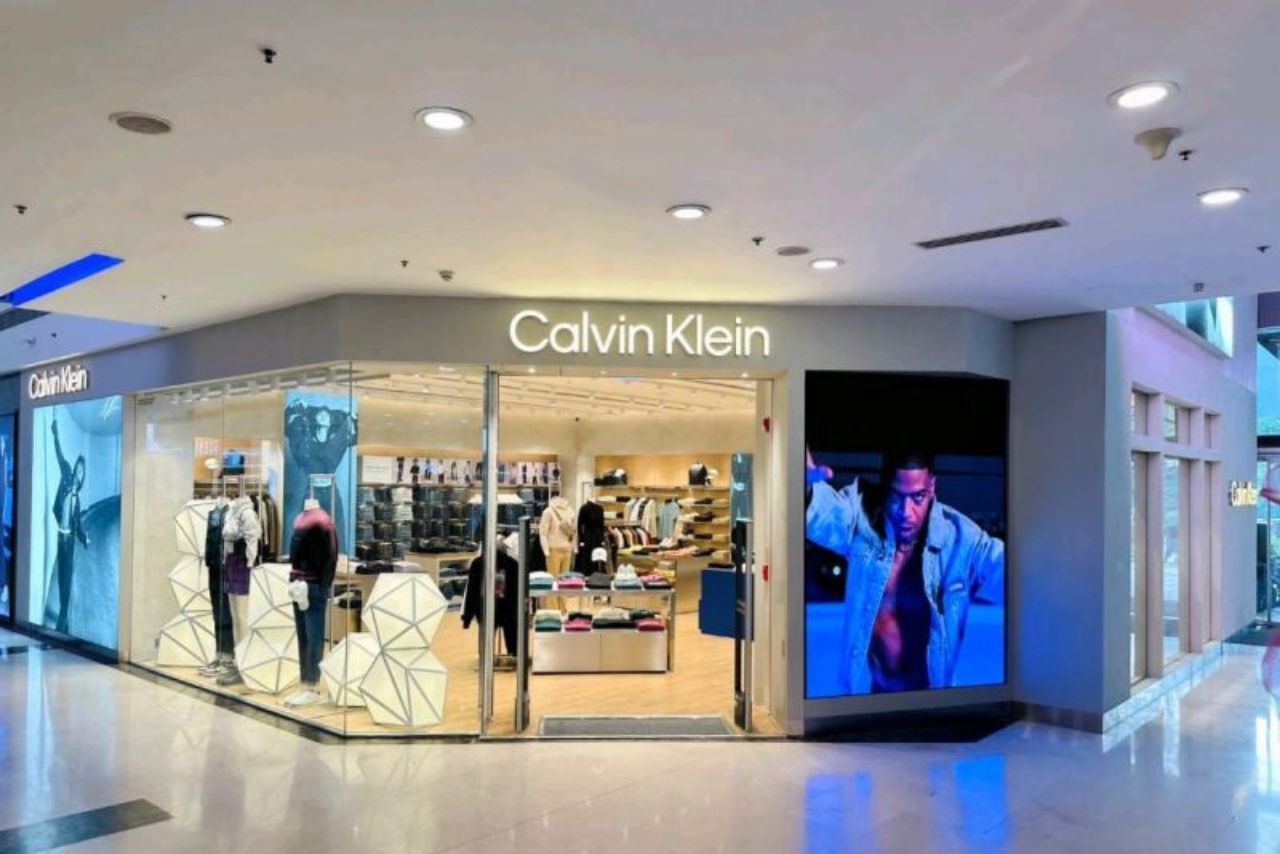
The premium category, which consists of Tommy Hilfiger and Calvin Klein under the PVH category, also appeared to be recovering in the last year. According to management, these two brands were impacted in the quarter due to the change in GST slabs, and their performance was hit for a few weeks because of it.
Nonetheless, management mentioned that this period has now passed and both of these brands are back on track, growing at a double-digit pace. Management feels optimistic about the PVH category moving forward because these brands are well-suited for consumers that require high-end products and are well-positioned to grow further.
One of the main trends impacting the industry is premiumisation, and according to Arvind management, all of its brands have benefited from consumer upgrading coupled with strong value. It is noteworthy that the PVH category is crucial from a profitability point of view, owing to the higher gross margin, better sell-throughs, and strong brand affinity associated with premium brands.
Flying Machine and Arrow Add New Engines
While US Polo and PVH brands continue to account for the majority of sales, management was pleased with the company’s initiatives aimed at reviving its legacy brands, Flying Machine and Arrow. In FY26, Flying Machine achieved double-digit retail like-for-like growth and 70% growth in the business-to-consumer segment.
Management credited its strong performance to better positioning, which includes emphasising Flying Machine as a denim-focused, trendy, unisex youth-orientated brand with better consumer connection and increased digital distribution. Flyingmachine.com is expected to be launched in H2 FY27 to boost digital marketing efforts.
On the other hand, Arrow performed modestly due to one-off factors such as the change in product mix and the weak wedding season. According to management, these factors have more to do with timing than with structural issues.
In addition to consolidating Arrow’s merchandise structure, streamlining product offerings, remodelling its stores, and launching innovation-driven products such as linen collections, Arvind is expected to benefit from higher full-price sell-throughs and improved margins over time. With proper execution, Flying Machine and Arrow can potentially contribute to incremental growth opportunities for Arvind.
Margin Expansion Looks Structural
The question posed by the title hinges on the ability of Arvind to grow its margins above the present 13.4% EBITDA margin level. From management comments, one can conclude that the answer to the question is affirmative. The FY26 EBITDA margin came to 13.4%, a 40 basis point increase year-over-year, and management guidance is for a further 30-40 basis points of margin improvement in FY27, despite macro challenges.
The company stressed that the profitability improvements were structural, not cyclical. The gross margin was higher compared to FY26, inventory freshness hit record levels, and full-price sell-throughs remained robust. In addition, according to management commentary, in the following two to three years, Arvind will try to push gross margins to the “high 50s”.
The reasons for optimism include such factors as product premiumisation for all brands, DTC channel growth, more efficient pricing analytics, AI-based assortment optimisations, reduction of discounts, and cost optimisation through sourcing and operations. Therefore, Arvind seems to be developing its margin model by leveraging brand strength and channels.
AI, Analytics, and Supply Chain Become Enablers
Management was also very clear about the fact that future margins will not be driven by brand momentum alone. Technology, analytics, and the build-out of the supply chain are now critical pillars. In the past two quarters, Arvind has been building a dedicated specialist team focused on AI, consumer analytics, and digital growth.
According to management, these are not back-office moves but front-end growth initiatives geared toward better pricing, better assortment planning, improved retail execution, better marketing, and overall cost management. At the same time, it is also building a supply chain that is nearer to demand. All this is evident in the operating metrics.
While Arvind’s inventory is fresher than ever before, working capital is also under control even as its D2C business has increased and inventory has increased on the balance sheet. Management sees these initiatives making it resilient enough even in an uncertain macro scenario.
Can margins move beyond 13.4%?
With management guidance indicating that the company is confident of achieving even more after attaining the FY27 target of 13.4% EBITDA margin, it looks like the company sees this margin as a milestone rather than a peak.
With the outlook for FY27 indicating sustained double-digit top-line growth and an additional 30 to 40 bps of margin expansion, management anticipates like-for-like growth of 7 to 8%, with the remainder being driven by increased store footprint, upscaling, and improved channel performance.
Top-line growth is anticipated across all the five brands, with U.S. Polo continuing to deliver impressive results, PVH brands returning to form, Flying Machine capitalising on its youth positioning, and Arrow focusing on its workwear offerings.
While other adjacent categories of footwear and innerwear, which are currently contributing 24% to total sales, continue to deliver impressive growth of 25%, management continues to increase DTC penetration from 56% to eventually reach 65%. Given this strategy and assuming consistent execution with continued scaling of premium brands like Tommy Hilfiger, Calvin Klein, and U.S. Polo, it seems that the next logical move will be exceeding 13.4% margins.
Disclaimer: The views and investment tips expressed by investment experts/broking houses/rating agencies on tradebrains.in are their own, and not that of the website or its management. Investing in equities poses a risk of financial losses. Investors must therefore exercise due caution while investing or trading in stocks. Trade Brains Technologies Private Limited or the author are not liable for any losses caused as a result of the decision based on this article. Please consult your investment advisor before investing.
The post Arvind Fashions: Can Tommy Hilfiger, Calvin Klein and U.S. Polo Assn. Push Margins Beyond 13.4%? appeared first on Trade Brains.
What's Your Reaction?