


















































.png)




Bangladesh textile industry to face shutdown: Will Indian textile stocks benefit from it ?
Synopsis: The textile sector in Bangladesh is threatened with a shutdown from February 1 because of cheap imports of duty-free yarn. If imports are restricted, Indian textile manufacturers may gain from increased demand, favourable pricing, and improved margins, depending on the policy orientation of Bangladesh. The Bangladesh textile industry is on the verge of a […] The post Bangladesh textile industry to face shutdown: Will Indian textile stocks benefit from it ? appeared first on Trade Brains.

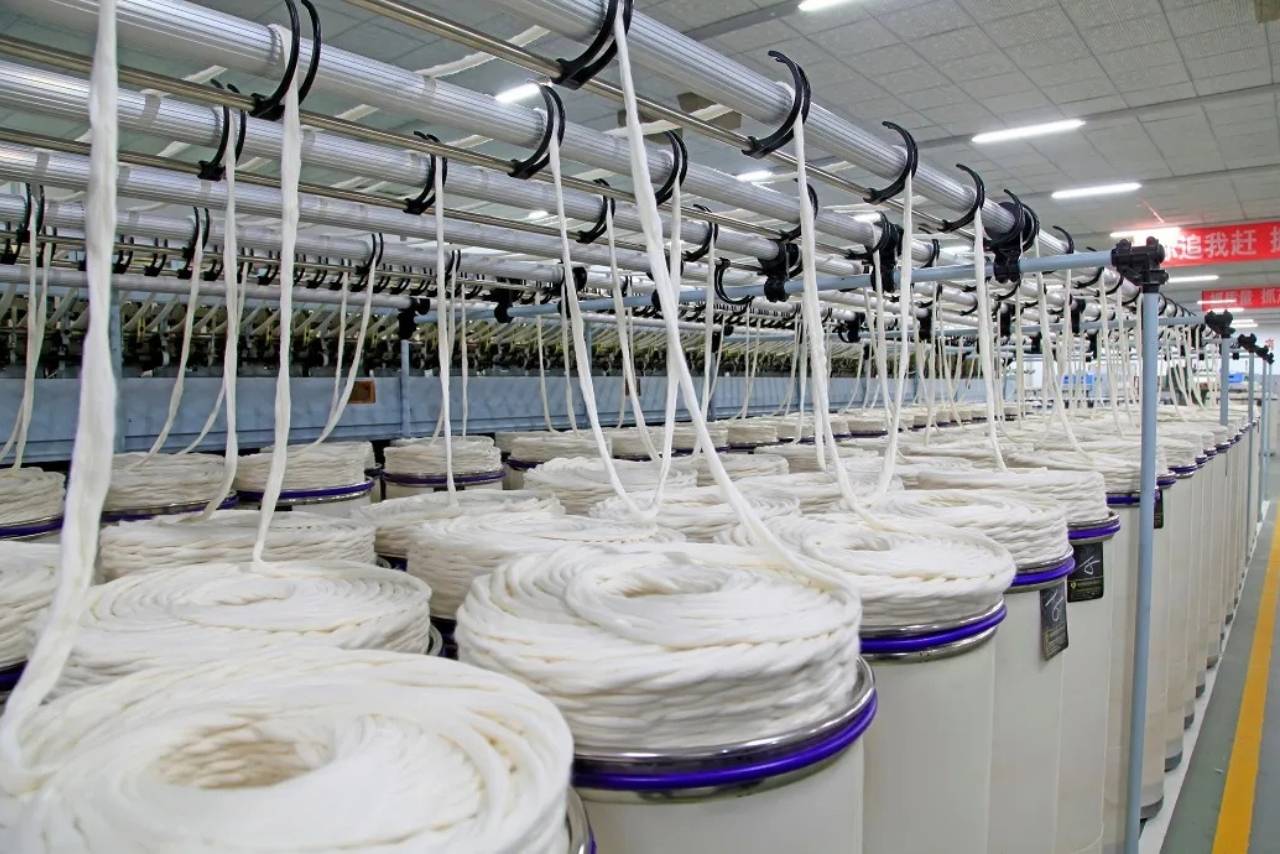
Synopsis: The textile sector in Bangladesh is threatened with a shutdown from February 1 because of cheap imports of duty-free yarn. If imports are restricted, Indian textile manufacturers may gain from increased demand, favourable pricing, and improved margins, depending on the policy orientation of Bangladesh.
The Bangladesh textile industry is on the verge of a crucial phase, as spinning mills have threatened a countrywide shutdown due to imports of duty-free yarn. This situation has exposed the vulnerabilities of the Bangladesh textile supply chain, and an important question arises for investors: Can Indian textile manufacturers benefit from the changing trade patterns and growing dependence on Indian yarn suppliers?
Crisis in Bangladesh’s Spinning Industry
The spinning industry in Bangladesh is on the verge of a countrywide shutdown from February 1, as spinning mill owners in the country have threatened to shut down their units if the government fails to withdraw the duty-free importation facility for yarn. The crisis has been triggered by the importation of cheap yarn, especially from India, through the bonded warehouse system, which has been affecting the spinning industry in the country. The recommendation by the Ministry of Commerce to the National Board of Revenue to review the policy has further escalated the conflict between the spinning mill owners and the government.
The crisis in the spinning industry is also being fuelled by an energy crisis, as textile mills have complained of irregular gas supplies and increased energy costs over the last three to four months. The crisis has resulted in losses of almost $2 billion, while the production capacity of spinning mills has declined by almost 50%. More than 50 spinning mills have already shut down, leaving thousands of people jobless.
Conflict Between Millers and Exporters
According to the Bangladesh Textile Mills Association (BTMA), the market has been inundated with cheap Indian yarn, causing unsold stocks worth over Tk 12,000 crore. The millers feel that they cannot match the price of imported yarn, considering the increased cost of energy, loans, and the absence of VAT exemption. Their demands include halting duty-free imports of yarn, supplying them with subsidised gas, reducing interest rates, and providing a tax holiday.
Meanwhile, garment exporters are strongly against any move to ban duty-free imports. They feel that domestic yarn, particularly 10 to 30 count cotton yarn, is much pricier and, at times, of poor quality. The exporters also clarify that international garment brands find Indian yarn more reliable. If imports are banned, it may affect Bangladesh’s export earnings, as it could become less competitive in the global market.
Implications for Indian Textile Stocks
Bangladesh imported approximately 70 crore kilograms of yarn in 2025, which is valued at $2 billion, and nearly 78% of this was from India. This indicates that Bangladesh is highly dependent on Indian yarn. If Bangladesh stops duty-free imports or if its spinning mills close down, the garment industries will still require yarn imports, which may drive up the demand for Indian yarn, particularly cotton and blended yarn, and their prices.
Indian textile firms may benefit in the short term, as they may get more orders and command better prices. The spinning mills and integrated textile firms in India may witness increased production and better sales prices. However, this will entirely depend on whether Bangladesh stops imports to support its spinning mills or if it continues to import cheap yarn to keep its garment industries competitive.
Disclaimer: The views and investment tips expressed by investment experts/broking houses/rating agencies on tradebrains.in are their own, and not that of the website or its management. Investing in equities poses a risk of financial losses. Investors must therefore exercise due caution while investing or trading in stocks. Trade Brains Technologies Private Limited or the author are not liable for any losses caused as a result of the decision based on this article. Please consult your investment advisor before investing.
The post Bangladesh textile industry to face shutdown: Will Indian textile stocks benefit from it ? appeared first on Trade Brains.
What's Your Reaction?