

















































Berkshire Hathaway: Why Warren Buffett Calls It His Worst Investment?
Synopsis: Berkshire Hathaway, now worth $1.09 trillion, was Warren Buffett’s “worst investment” due to early emotional decisions and 20 years of struggling textile operations. Later, redirecting capital into high-quality businesses transformed it into a diversified, long-term wealth-creating powerhouse. Berkshire Hathaway today stands as one of the most successful companies in global investing history, with a market […] The post Berkshire Hathaway: Why Warren Buffett Calls It His Worst Investment? appeared first on Trade Brains.

Synopsis: Berkshire Hathaway, now worth $1.09 trillion, was Warren Buffett’s “worst investment” due to early emotional decisions and 20 years of struggling textile operations. Later, redirecting capital into high-quality businesses transformed it into a diversified, long-term wealth-creating powerhouse.
Berkshire Hathaway today stands as one of the most successful companies in global investing history, with a market value exceeding $1 trillion. Yet, in a striking paradox, Warren Buffett has repeatedly called Berkshire Hathaway the “dumbest” or worst investment he ever made.
This statement often surprises investors, especially given the extraordinary wealth creation Berkshire has delivered over decades. The explanation lies not in the outcome, but in the costly mistakes and missed opportunities during its early years.
Who is Warren Buffett?
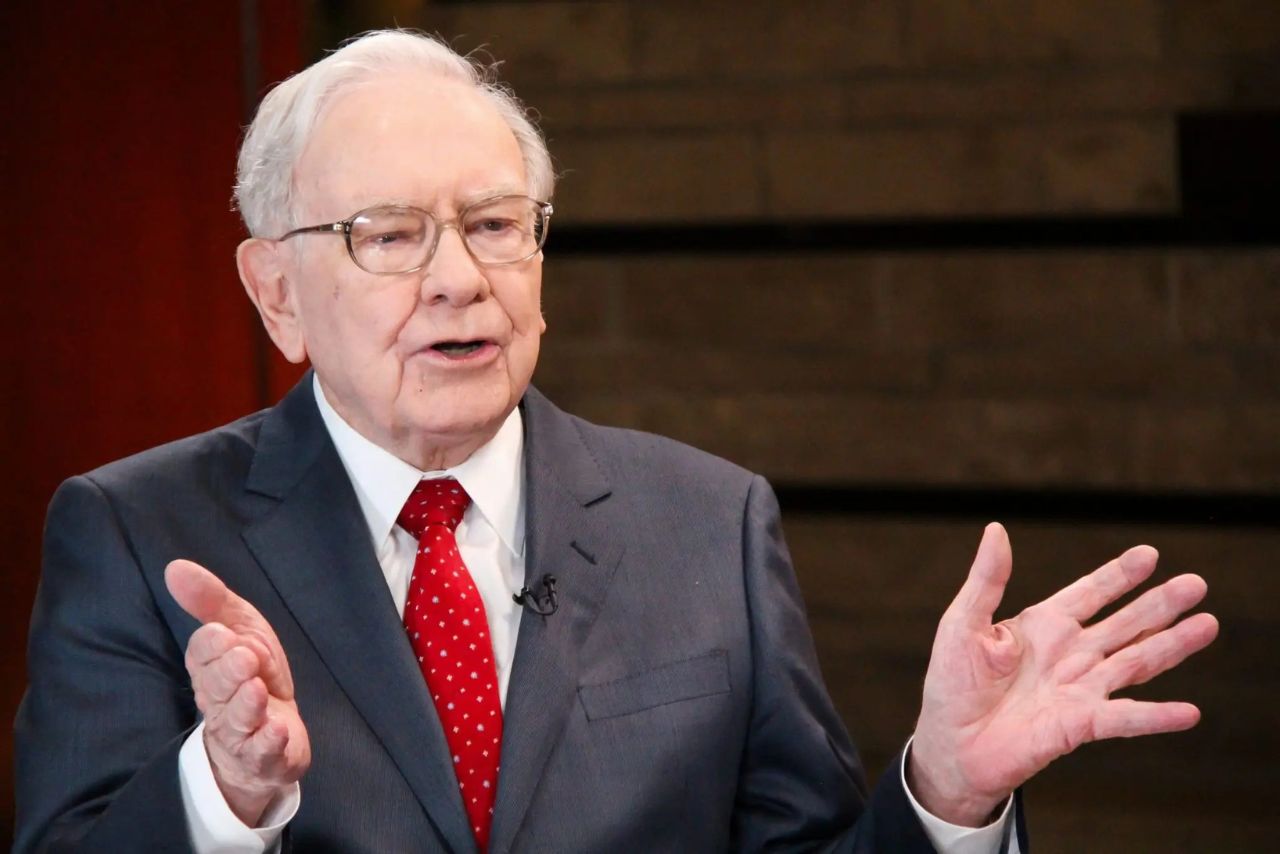
Warren Buffett is an American investor, business tycoon, and philanthropist, widely regarded as one of the most successful investors of all time. He is the chairman and CEO of Berkshire Hathaway, a multinational conglomerate holding company, and is known for his value investing approach, long-term perspective, and disciplined investment philosophy.
Often called the “Oracle of Omaha,” Buffett has built his fortune by investing in undervalued companies with strong fundamentals and sustainable competitive advantages. Beyond his business acumen, he is also a notable philanthropist, having pledged the majority of his wealth to charitable causes, primarily through the Bill & Melinda Gates Foundation.
About the company
Berkshire Hathaway is an American multinational conglomerate holding company led by Warren Buffett, known for its diversified businesses in insurance, railroads, utilities, manufacturing, and investments. As of 2025, it has a market value of about $1.09 trillion, making it one of the world’s largest companies, and its Class B shares trade around $504 per share, while Class A shares are valued near $755,400 each, the latter being among the most expensive publicly traded stocks globally. Berkshire’s investment success and long‑term value‑oriented strategy have made it a cornerstone of many portfolios worldwide.
The Early Days: A Cigar-Butt Investment
In the early 1960s, Buffett ran an investment partnership and focused on a “cigar-butt” investing strategy which is buying undervalued, troubled companies for short-term gains rather than long-term quality. Berkshire Hathaway, a New England–based textile manufacturer, caught his eye because it was trading below its working capital value. Buffett’s plan was straightforward: buy shares cheaply, then sell them back to the company when it repurchased at a higher price.
The Emotional Decision
In 1964, Berkshire’s management informally offered to buy back Buffett’s shares at $11.50 per share but later reduced the offer slightly to $11.375. Feeling personally wronged by this deliberate price cut, Buffett made a decision that would alter his career trajectory: instead of selling, he gradually increased his stake and took control of the company in 1965.
This move was driven more by emotion and principle than sound business logic; a mistake Buffett openly admits. At the time, he was focused on managing his investment partnership, not running operating businesses.
The Cost of Staying Too Long in a Bad Business
Buffett’s biggest regret was not buying Berkshire itself, but holding on to the textile operations for nearly 20 years. The textile business acted as a drag on capital, consuming time, money, and managerial effort while delivering poor returns.
It wasn’t until he shut down the textile operations in 1985 that Berkshire’s true potential could emerge. In hindsight, Buffett recognized that using the same capital to acquire insurance companies or other high-quality businesses would have accelerated Berkshire’s growth far more effectively.
The Transformation
Berkshire’s eventual success came only after Buffett shifted his philosophy from buying cheap businesses to buying great businesses at fair prices. The acquisition of insurance operations, which provided low-cost and flexible “float,” became the foundation for Berkshire’s long-term compounding machine.
This evolution transformed Berkshire from a failing textile firm into a diversified holding company spanning insurance, railroads, energy, consumer brands, and equities. Today, Berkshire Hathaway exemplifies long-term value investing and disciplined capital allocation, turning Buffett’s early missteps into lessons for generations of investors.
Buffett’s Final Days as CEO
As Buffett prepares to step down as CEO on January 1, 2026, and hand over leadership to Greg Abel, his recent moves offer one last lesson. Over the past 12 quarters, Buffett has been a net seller of stocks, building Berkshire’s cash reserves to a record $381 billion. This move signals caution rather than pessimism, reflecting his belief that valuation matters even for top-quality businesses.
The Real Lesson
Calling Berkshire Hathaway his worst investment is not an admission of failure, but a powerful lesson in capital allocation. Buffett’s mistake was allowing emotion to dictate decisions and staying invested in a structurally weak business for too long.
The success of Berkshire came not from that error, but from learning from it and redirecting capital toward durable, high-quality businesses with long-term growth potential.
Conclusion
Berkshire Hathaway’s story shows that even the greatest investors make mistakes, sometimes very costly ones. Buffett’s willingness to openly acknowledge those errors is part of his enduring legacy.
As he steps aside as CEO, his final message is clear: discipline, valuation awareness, emotional control, and business quality matter far more than short-term gains. Berkshire’s journey proves that learning from the wrong investment can ultimately lead to one of the greatest successes in financial history.
Disclaimer: The views and investment tips expressed by investment experts/broking houses/rating agencies on tradebrains.in are their own, and not that of the website or its management. Investing in equities poses a risk of financial losses. Investors must therefore exercise due caution while investing or trading in stocks. Trade Brains Technologies Private Limited or the author are not liable for any losses caused as a result of the decision based on this article. Please consult your investment advisor before investing.
The post Berkshire Hathaway: Why Warren Buffett Calls It His Worst Investment? appeared first on Trade Brains.
What's Your Reaction?