































Copper Recycling Stock: What’s Next For Jain Resource Recycling After A 40% Stock Crash?
Synopsis: Jain Resource Recycling has seen a sharp stock correction, but the company’s next phase depends on whether its copper expansion, value-added products and recycling ecosystem can offset recent margin pressure. The rebound has started, but the real test now is execution, not just growth. Shares of this recycling stock have corrected almost 40 percent […] The post Copper Recycling Stock: What’s Next For Jain Resource Recycling After A 40% Stock Crash? appeared first on Trade Brains.

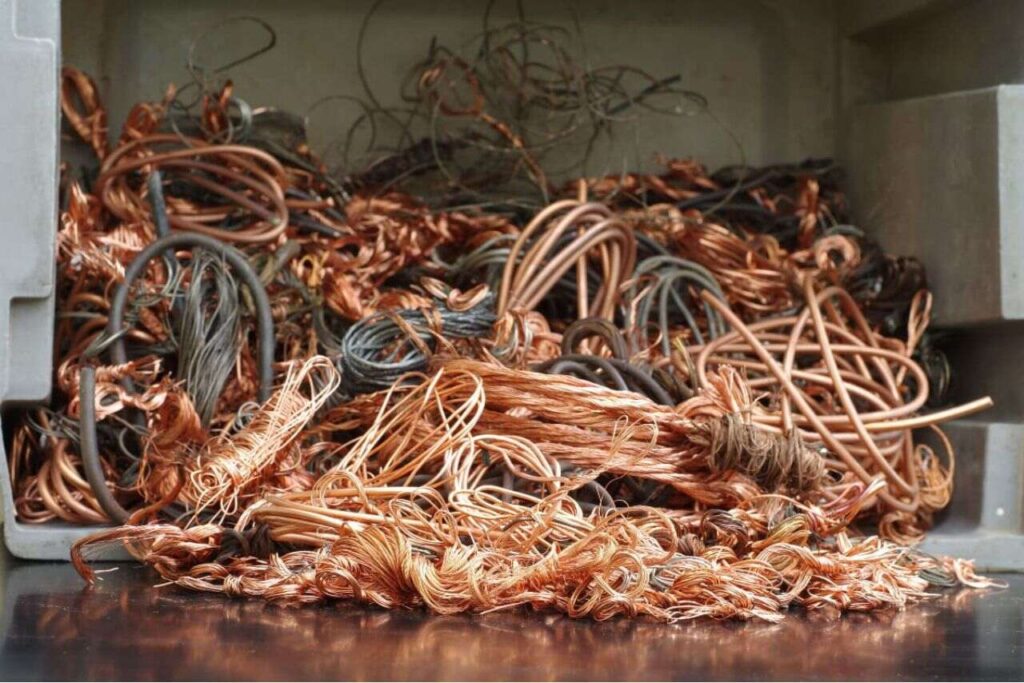
Synopsis: Jain Resource Recycling has seen a sharp stock correction, but the company’s next phase depends on whether its copper expansion, value-added products and recycling ecosystem can offset recent margin pressure. The rebound has started, but the real test now is execution, not just growth.
Shares of this recycling stock have corrected almost 40 percent from recent levels, but the shares have started to rebound as investors reassess whether the fall has already priced in the sharp margin pressure seen in the latest quarter. The company’s revenue growth remains strong, but the real question is whether it can move beyond a commodity-linked recycling model and build a more stable, value-added copper business.
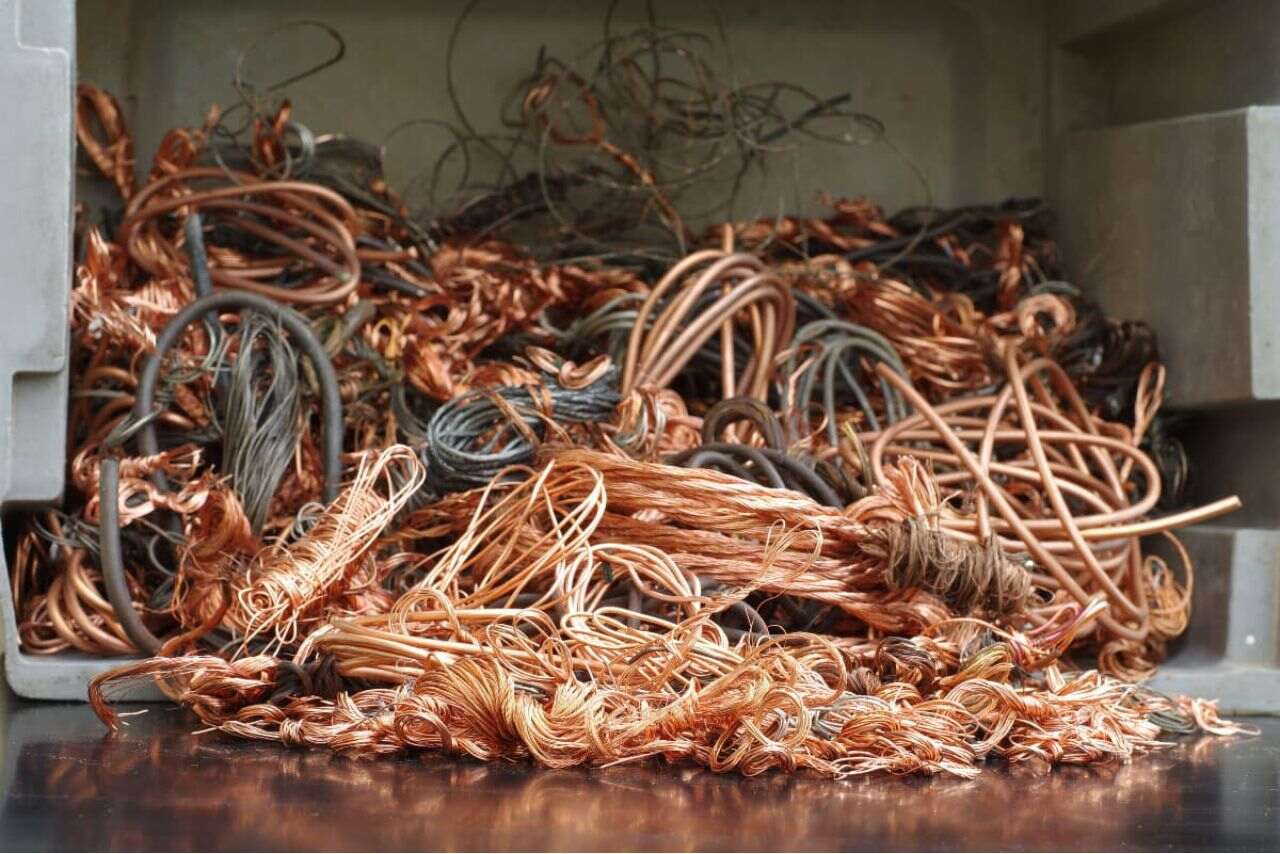
Jain Resource Recycling is a non-ferrous metal recycling company with operations across copper, lead, aluminium, plastic and tin. The company buys recyclable raw materials, processes them and sells refined or semi-finished metal products to domestic and international customers. Its journey began with the Jain Metal Group’s legacy in 1953, while its manufacturing journey started with lead refining in 2013, followed by copper cable recycling, plastic recycling, aluminium recycling and tin recovery.
Why The Stock Fell Despite Strong Full-Year Numbers
At first glance, FY26 looks strong. Jain Resource Recycling reported revenue from operations of around Rs. 9,543 crore in FY26 compared to Rs. 6,429 crore in FY25, registering growth of around 48 percent. EBITDA rose from Rs. 365 crore to around Rs. 559 crore, while profit after tax increased from Rs. 223 crore to around Rs. 347 crore. EBITDA margin also improved slightly from 5.7 percent to 5.9 percent.
But the market did not only look at the full-year picture. It looked at the latest quarter, and Q4FY26 showed clear stress. Revenue rose strongly to around Rs. 3,105 crore from Rs. 1,760 crore in Q4FY25, but EBITDA margin fell to around 3.5 percent from 5.3 percent. Quarter-on-quarter, revenue grew 12 percent, but EBITDA fell 45 percent from Rs. 198.9 crore in Q3FY26 to Rs. 110 crore in Q4FY26. Profit also fell 48 percent quarter-on-quarter, showing that the pressure was not small.
This is the reason behind the concern. The company sold more, but earned much less on those sales. In simple terms, the topline looked healthy, but the margin line slipped badly. For a recycling company, that matters because the business is linked to metal prices, scrap cost, freight cost, hedging and realization formulas.
What Went Wrong In Q4FY26
Management explained that EBITDA per tonne faced temporary compression because of two external factors. The first was a decline in sales realization formulas as a percentage of LME copper prices during a sharp rise in copper prices. In simple words, copper prices moved up sharply, but the company’s realizations did not keep pace in the same proportion. This created pressure across the value chain.
The second issue was logistics. Geopolitical disruptions linked to the Iran-Israel conflict affected global shipping routes and increased logistics and fuel-related costs in March 2026. This led to higher liner charges, port discharge costs and fuel-linked costs, which increased processing costs during the quarter. Management said these factors were largely temporary and external in nature.
This is important because Jain Resource Recycling is not a simple year-on-year growth story. It is a commodity-linked recycling business. A quarter can look very strong if spreads, logistics and inventory timing are favourable. The same business can look weak if copper spreads compress or freight costs rise. That is exactly what Q4 showed. The company’s old recycling business is still exposed to volatility, even though the long-term plan is to move into more value-added products.
Copper Is Now The Main Story
The company’s next phase is clearly built around copper. In Q4FY26, copper and copper alloy products contributed around 55 percent of revenue, compared to 52 percent in the previous quarter and 45 percent a year ago. Lead and lead alloy ingots contributed around 40 percent, while aluminium and others remained around 5 percent. This shows that copper is no longer just one segment. It is becoming the centre of the company’s growth plan.
Jain Resource Recycling is trying to move from basic recycling into value-added copper products. Earlier, the business was more about buying scrap, processing it and selling recycled metal or ingots. Now the company wants to go deeper into the copper value chain through copper anode, copper cathode, copper wire rod, copper busbar and profiles.
This matters because value-added copper products can improve realizations, reduce earnings cyclicality and increase customer stickiness. Management has repeatedly said that some projects are volume drivers, while others are profitability drivers. The copper value-added product project is clearly a profitability-focused project because it aims to improve product mix and margins over the medium term.
The company has already commissioned the first copper anode furnace with a capacity of 800 MT per month. The second furnace, with another 800 MT per month capacity, is expected to take total anode capacity to 1,600 MT per month. Copper cathode capacity is expected to scale up to 1,500 MT per month after phase two, while the copper wire rod project is targeted at 600 MT per month and the copper busbar and profile project at 1,500 MT per month
The Expansion Pipeline Is Big, But Execution Is The Test
The next 12 months are important because many projects are expected to move from promise to production. The copper cathode project has completed civil construction, but some machinery deliveries faced delays due to geopolitical issues linked to shipping routes. Management expects phase one commissioning in Q2FY27 and phase two in Q3FY27. The wire rod project is expected to be commissioned in August 2026, while copper busbar and profiles are targeted for September 2026.
The Ahmedabad joint venture under Jain C&Y Circular Solution is another key project. The facility is expected to process electric motor scrap, cable scrap and other copper scrap. The company had earlier said the plant would have an annual scrap processing capacity of 72,000 MT, including 36,000 MT of motor, alternator and starter scrap, 24,000 MT of cable scrap and 12,000 MT of other scrap, translating into around 25,000 MT per annum of processed copper and copper ingots.
This project is important because recycling businesses need raw material security. If Jain can source and process better-quality copper scrap, it can support volume growth in copper and feed its value-added product strategy. In simple terms, the Ahmedabad JV is like strengthening the kitchen before trying to sell a bigger menu.
The company is also expanding in lead recycling through antimony extraction. Antimony is present in lead-acid battery scrap, and separating it can help the company earn more value from the same raw material stream. The project is expected to process 1,000 MT of lead-antimony bullion and generate around 100 MT of antimony output per month, with commissioning targeted in Q3FY27.
What Else Is Jain Building
Jain Resource Recycling is also setting up a dedicated plastic recycling unit. Currently, plastic recycling happens within the copper and lead recycling facilities. But with higher processing volumes, the company wants to shift this into a standalone unit. It has finalized around six acres of land, and the new unit is expected to decongest both copper and lead recycling facilities. The project is targeted to become operational by Q3FY27 and will involve capex of around Rs. 15 crore.
The Kuwait investment is another part of the raw material security plan. Civil construction has been completed and machinery is ready at the supplier’s facility, but dispatch has been delayed due to shipping disruptions. The long-term logic is to strengthen the company’s Middle East recycling ecosystem and improve sourcing access, especially for the lead recycling business.
The company has also spoken about future opportunities such as scrap yard acquisition, tyre recycling, e-waste recycling and solar panel recycling in a calibrated manner. However, these should be seen as future optionalities. The real near-term story is still copper value addition, Ahmedabad sourcing, antimony extraction and plastic recycling.
What Investors Need To Watch Now
The rebound in the stock will depend less on headline revenue growth and more on margin recovery. Q4FY26 proved that high revenue growth alone is not enough if EBITDA per tonne gets squeezed. Investors should now watch whether the Q4 margin fall was truly temporary or whether volatility remains high for a longer period.
The first thing to watch is copper project commissioning. If anode, cathode, wire rod and busbar projects start on time and ramp up smoothly, the company can gradually move towards a better product mix. The second thing to watch is EBITDA per tonne, especially in copper, because Q4 showed that copper revenue can rise sharply even when profitability weakens. The third thing to watch is whether freight and geopolitical costs normalize.
The fourth thing to watch is whether the company can convert its recycling platform into a stronger value-added metal ecosystem. The company already has sourcing from over 120 countries, a diversified product portfolio and a multi-metal recycling setup across copper, lead, aluminium, plastic and tin. But the stock’s next leg will depend on whether these strengths translate into better margins, not just higher sales.
For now, Jain Resource Recycling is in a transition phase. The old business is still cyclical and exposed to copper spreads, logistics and commodity volatility. The new business promises better margins through value-added copper products and specialty recovery. The 40 percent correction shows that investors are no longer willing to pay only for the promise. They want delivery.
The story is not broken, but it has become more demanding. If FY27 execution goes well and margins recover, the rebound can gain strength. If projects get delayed or margins stay weak, the stock may remain volatile.
Disclaimer: The views and investment tips expressed by investment experts/broking houses/rating agencies on tradebrains.in are their own, and not that of the website or its management. Investing in equities poses a risk of financial losses. Investors must therefore exercise due caution while investing or trading in stocks. Trade Brains Technologies Private Limited or the author are not liable for any losses caused as a result of the decision based on this article. Please consult your investment advisor before investing.
The post Copper Recycling Stock: What’s Next For Jain Resource Recycling After A 40% Stock Crash? appeared first on Trade Brains.
What's Your Reaction?