























































From Iran to Venezuela: Do Challenges to the Dollar Invite U.S. Intervention?
Synopsis: The U.S. operation in Venezuela in January 2026, while officially targeting Nicolás Maduro for drug crimes, also underscores bigger financial stakes. By selling oil in currencies beyond the dollar, Venezuela challenged long-standing dollar dominance, showing how global energy and money are intertwined, and the lengths the U.S. may go to protect its influence. On […] The post From Iran to Venezuela: Do Challenges to the Dollar Invite U.S. Intervention? appeared first on Trade Brains.

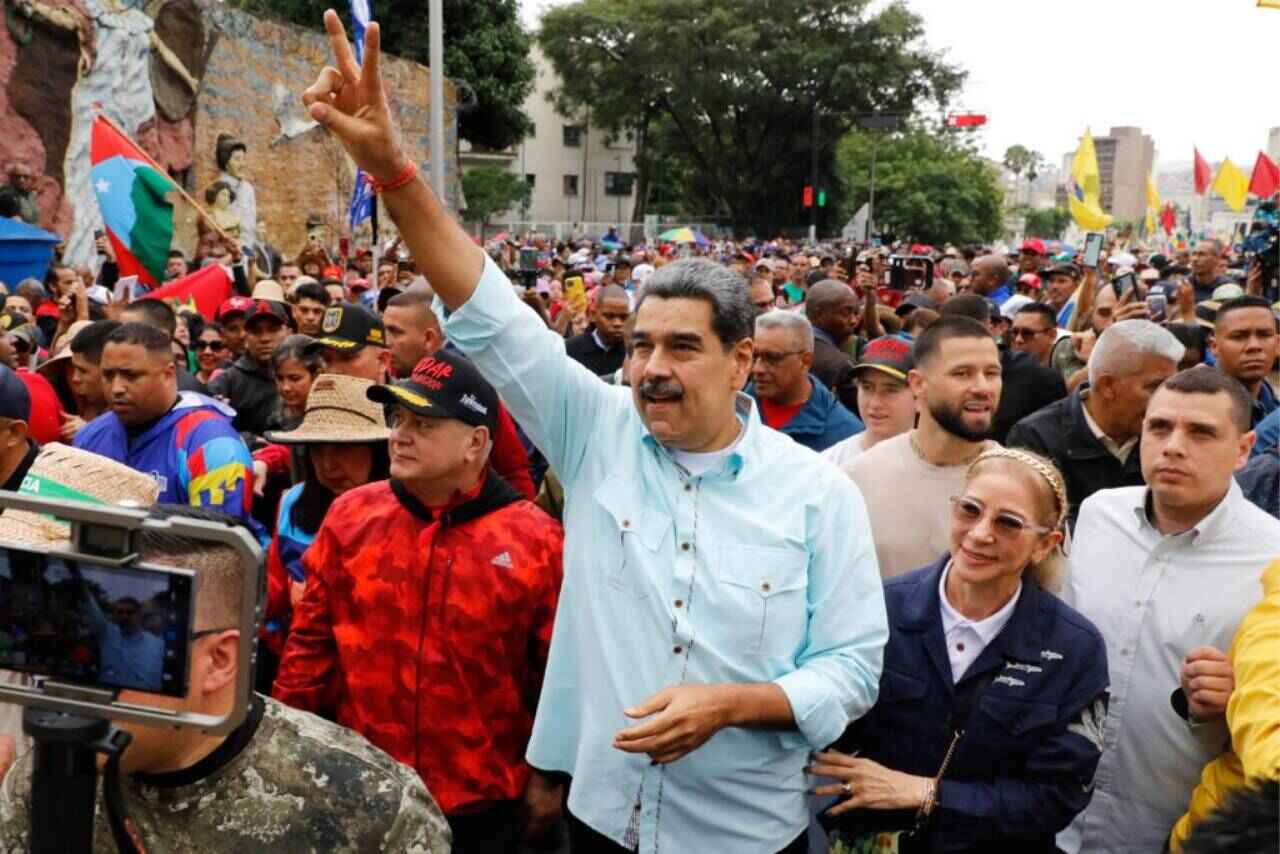
Synopsis: The U.S. operation in Venezuela in January 2026, while officially targeting Nicolás Maduro for drug crimes, also underscores bigger financial stakes. By selling oil in currencies beyond the dollar, Venezuela challenged long-standing dollar dominance, showing how global energy and money are intertwined, and the lengths the U.S. may go to protect its influence.
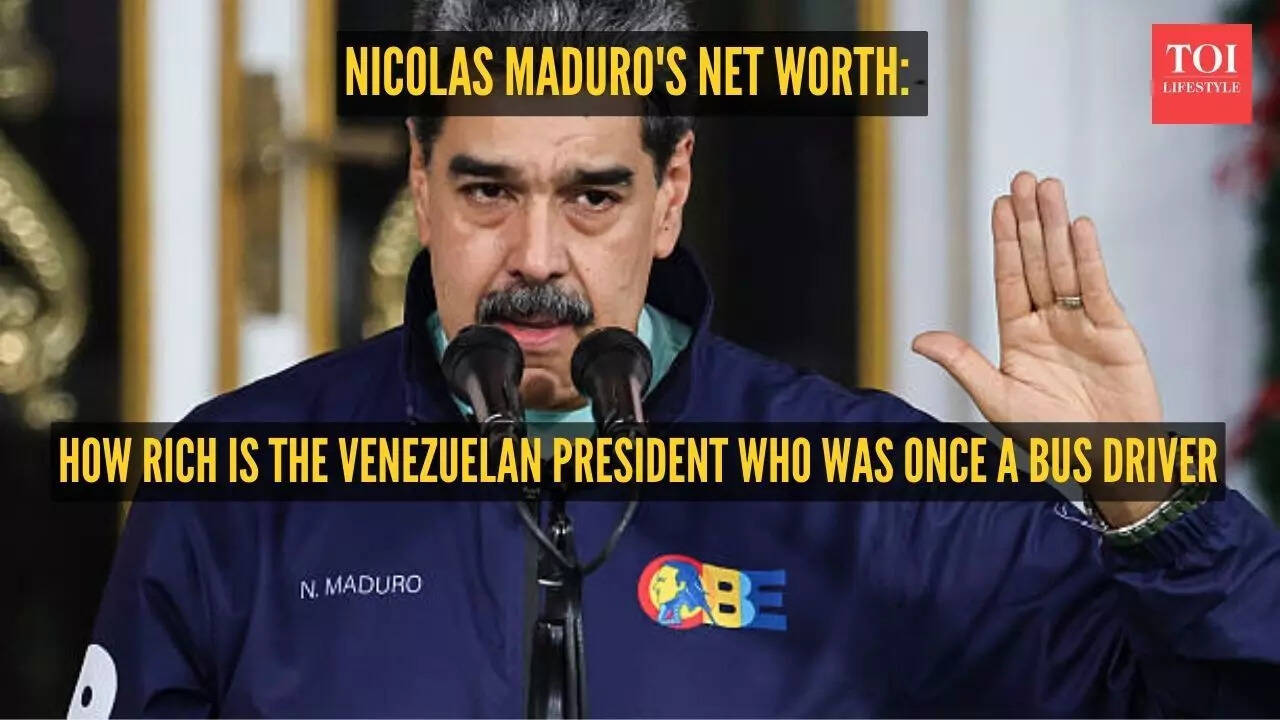
On January 3, 2026, the world watched in shock as the United States launched a bold military operation in Venezuela. Airstrikes targeted key locations in Caracas, and President Nicolás Maduro was captured and brought to the United States to face federal charges related to narcotics trafficking. The move stunned Latin America and the international community, drawing comparisons to the 1989 invasion of Panama.
According to Reuters, Washington framed the action as a “surgical law enforcement operation,” emphasizing that the goal was to hold Maduro accountable for criminal activity, not to occupy Venezuela. But the response from abroad was swift and critical. Russia, China and Colombia condemned the operation as a breach of international law and a violation of Venezuelan sovereignty.
Amid the headlines about drugs and democracy, analysts have been asking a deeper question: could the underlying motive be about money, specifically the dollar and its central role in global finance?
Beyond the Headlines
According to Euronews, the U.S. Justice Department had long indicted Maduro and other Venezuelan officials for alleged narcotics trafficking and involvement in narco-terrorism. These charges formed the official legal justification for the operation.
Yet critics argue that the scope and timing of the operation go far beyond law enforcement. International law experts point out that the United States acted without United Nations approval, raising serious questions about the legality of removing a sitting head of state.
Even Secretary-General António Guterres expressed concern, warning that bypassing international norms risks undermining the very rules meant to prevent war. The official narrative of drug enforcement and democracy promotion, compelling as it may be to some, does not fully explain the extraordinary nature of the operation.
Why the Dollar Matters
To understand why Venezuela’s oil industry might draw U.S. military attention, we have to talk about the petrodollar system. According to Investopedia, Since the early 1970s, oil has been largely priced in U.S. dollars. This arrangement, built after the collapse of the gold-backed Bretton Woods system, has given the dollar a privileged position in global trade. Countries need dollars to buy oil, which means global demand for the currency is essentially guaranteed.
The financial benefits to the U.S. have been enormous: the ability to borrow cheaply, run trade deficits, and export financial risk globally (the U.S. can take on big economic risks (debt, inflation, deficits) because other countries effectively absorb part of the consequences due to their need for dollars). Over decades, this network has become an invisible backbone of U.S. power, sometimes more consequential than aircraft carriers or military bases.
Venezuela’s Role in the Shifting Energy Landscape
According to Reuters, Venezuela has some of the largest proven oil reserves on the planet, around 303 billion barrels, more than Saudi Arabia. Its reserves are strategically important because they represent not just energy, but financial leverage.
In recent years, Caracas began experimenting with alternatives to the dollar. In 2017, President Nicolás Maduro announced that Venezuela would start selling oil and other commodities in currencies such as the Chinese yuan, Japanese yen, Russian ruble, and Indian rupee, rather than exclusively in U.S. dollars as a way to cope with sanctions. Additionally, According to a report from Reuters, the state oil company PDVSA has offered to pay some suppliers in Chinese yuan and has used euros in cash to settle some contracts in response to limited access to U.S. dollar financing under sanctions.
For analysts, this was more than a symbolic move. It represented a structural challenge to the dollar’s dominance in energy markets, raising the possibility of a parallel, de-dollarized financial system.
History Provides a Pattern
Some analysts note a recurring pattern: countries that attempt to move away from the dollar for major energy exports often face heightened pressure or even direct intervention. For example, Iran in the mid-2000s sought to price its oil in euros through the Iranian Oil Bourse, a move designed to bypass dollar-based sanctions and reduce U.S. leverage. Analysts note that Russia has increasingly engaged in deals that are not predominantly dollar‑settled, especially following Western sanctions, as part of efforts to reduce reliance on U.S. financial infrastructure.
Historical cases such as Iraq in 2000 and Libya in 2011 are also frequently cited; in both instances, interventions involved multiple factors, including security concerns, regional influence, and human rights, but the shift in currency strategy appears to have contributed to U.S. calculations. While choosing an alternative currency alone is unlikely to trigger military action, it clearly interacts with broader U.S. strategic interests, especially when large oil reserves and global energy influence are at stake.
What This Means for the Dollar and the Future
The dramatic capture of Nicolás Maduro is not just a political shock. It also carries financial symbolism. Using military force in a country that has been exploring alternatives to dollar-based trade signals the lengths to which the United States may go to maintain its currency’s dominance. At the same time, the global financial landscape is slowly shifting. Currencies such as the yuan and ruble are being used more frequently in energy trade. BRICS countries and others are building alternative financial infrastructure to reduce dependence on the dollar.
In 2023, roughly one‑fifth of global oil trade was settled in currencies other than the U.S. dollar, signaling a notable shift in the global energy market. According to Natasha Kaneva, JPMorgan’s head of global commodities strategy, sanctions have been a major driver behind this trend, particularly for countries like Russia and Iran, which have sought to reduce reliance on dollar-based transactions to insulate themselves from U.S. financial pressure.
Kaneva noted that “the U.S. dollar is getting some competition in commodities markets”, as alternative currencies such as the euro, Chinese yuan, and Indian rupee increasingly appear in oil and commodity deals. JPMorgan data highlighted 12 major commodity contracts settled in non-dollar currencies in 2023, compared with seven in 2022 and just two between 2015 and 2021. For emerging markets, Venezuela’s fate may reinforce the message: de-dollarization carries risks, but also becomes more attractive as global powers diversify their trading networks.
Conclusion
The dramatic events in Venezuela have left the world stunned, but the idea that the operation was about defending the dollar’s dominance is just a theory. History shows that countries trying to move away from dollar‑based oil trade often face pressure, but it’s impossible to say that currency alone drove this intervention. What’s clear is that politics, law enforcement, and finance are deeply intertwined, and the Venezuela episode reminds us how closely money and power can influence world events.
The post From Iran to Venezuela: Do Challenges to the Dollar Invite U.S. Intervention? appeared first on Trade Brains.
What's Your Reaction?