





































































HNIs Are Betting on Machines to Trade; Here’s why
Synopsis: Algorithmic trading is transforming investing as HNIs increasingly rely on data-driven systems for faster execution, disciplined decision-making, efficient risk management, and consistent performance across evolving global markets. Algorithmic trading is rapidly changing how investments are made, shifting decisions from human instinct to data-driven machines. With markets becoming faster, more complex, and increasingly influenced by […] The post HNIs Are Betting on Machines to Trade; Here’s why appeared first on Trade Brains.

Synopsis: Algorithmic trading is transforming investing as HNIs increasingly rely on data-driven systems for faster execution, disciplined decision-making, efficient risk management, and consistent performance across evolving global markets.
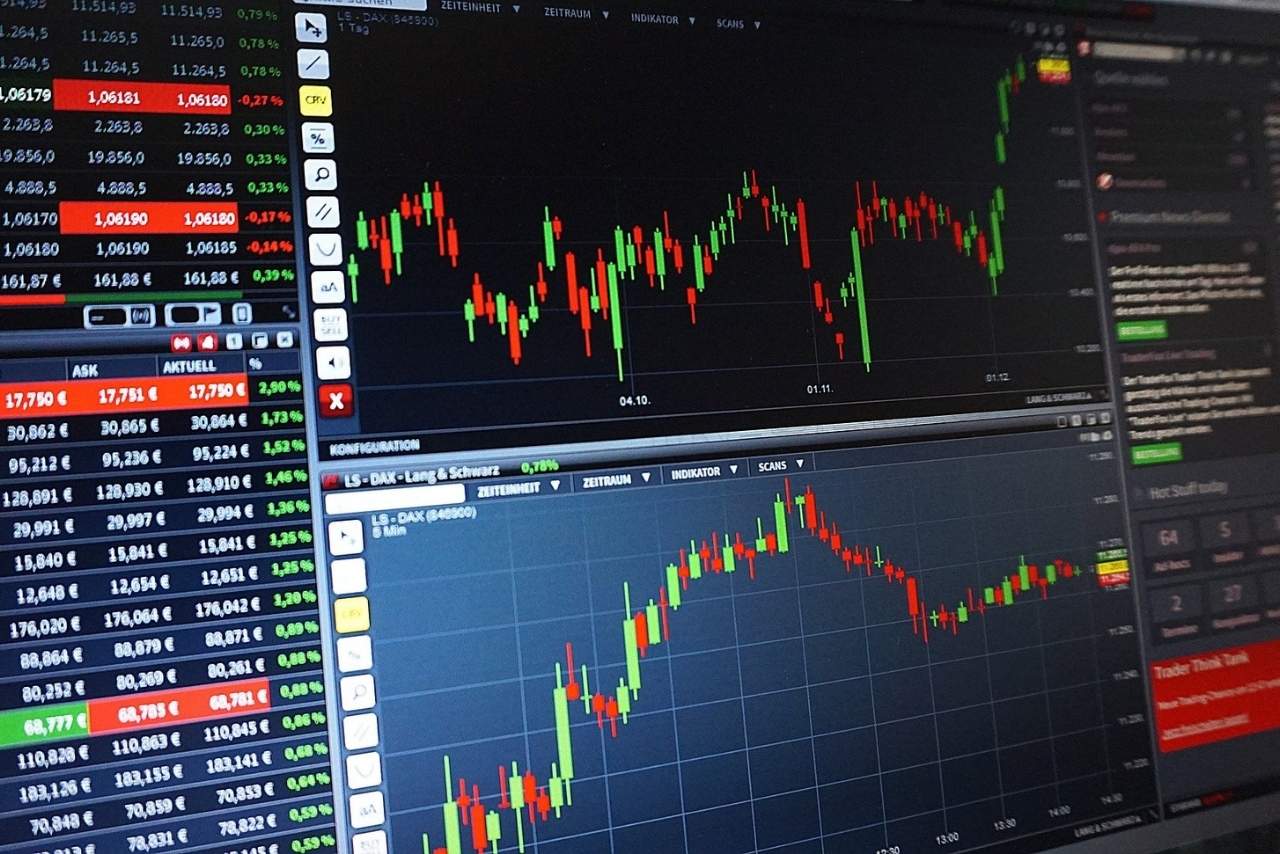
Algorithmic trading is rapidly changing how investments are made, shifting decisions from human instinct to data-driven machines. With markets becoming faster, more complex, and increasingly influenced by technology, high-net-worth individuals (HNIs) are turning to algorithms for their ability to analyse vast data, execute trades instantly, and reduce emotional bias. This evolution highlights how investing is becoming smarter, more disciplined, and more efficient in an era where speed and precision often decide returns.
What is Algorithm Trading?
Algorithmic trading means using a computer program to automatically buy or sell shares based on pre-set rules. Instead of a person watching prices and placing trades manually, the computer follows instructions written in code. These rules can be based on factors like price, time, volume, or simple calculations, and once the conditions are met, the trade happens automatically.
The biggest advantage of algorithmic trading is speed and discipline. The computer can scan markets continuously and execute trades within milliseconds, without emotions like fear or greed. This helps traders act quickly, reduce mistakes, and follow their strategy consistently.
Core Elements of an Algorithmic Trading System
- Understanding How Markets Actually Work: Algorithmic trading does not guarantee profits. Before writing any code, a trader must understand how markets move, why prices change, and how risk works. Knowing your own risk tolerance and trading behaviour is equally important, because strategies should match both market reality and personal comfort with losses and volatility.
- Turning Ideas into Computer Instructions: At the core of algorithmic trading is the ability to convert trading ideas into computer-readable rules. This usually requires basic programming knowledge in languages like Python or Java, though some ready-made platforms exist. Programming allows traders to clearly define when to buy, when to sell, and when to stay out of the market.
- Using Data to Find Patterns: Raw ideas are refined using historical market data. By analysing past prices, volumes, and trends, traders try to identify patterns that can be repeated. This step helps separate realistic strategies from random assumptions and improves decision-making.
- Applying Numbers and Logic: Most trading systems rely on maths and statistics. Concepts like probability, averages, correlations, and regression help measure risk and predict outcomes. A basic understanding of these ideas makes strategies more reliable and less dependent on guesswork.
- Building Clear Trading Rules: Once the concept is ready, it is converted into a complete trading plan. This includes entry rules, exit rules, position size, stop-loss levels, and profit targets. Everything is written clearly so the computer can execute trades without confusion or emotion.
- Testing Before Using Real Money: Before going live, strategies are tested on past data to see how they would have performed. This process, called backtesting, helps identify flaws and unrealistic assumptions. While useful, it does not guarantee future profits and often requires quality historical data.
- Connecting to Live Markets: For real-time trading, the system needs fast and reliable market data along with a stable broker connection. If the data is delayed or inaccurate, even a good strategy can fail. Strong technical infrastructure is essential for smooth execution.
- Controlling Losses and Staying Alert: Even the best strategies can lose money, so risk controls are critical. Position sizing, stop-loss limits, and maximum loss rules help protect capital. Regular monitoring is also necessary, as market conditions change and strategies may need adjustment.
- Following Rules and Regulations: Algorithmic trading must follow exchange and regulatory guidelines. Understanding these rules helps avoid penalties and trading disruptions. Staying compliant is as important as building a profitable strategy.
Difference Between Algorithmic and Manual Trading
Algorithmic trading and manual trading differ mainly in how trades are executed and decisions are made. In algorithmic trading, computers place trades automatically in milliseconds based on fixed rules, making it much faster than manual trading, where a person places orders by hand. This speed advantage helps algorithms react instantly to market changes, something human traders cannot do.
Another key difference is emotions and consistency. Algorithmic trading follows logic only and is not affected by fear, greed, or hesitation, so it applies the same strategy every time. Manual trading, however, depends on the trader’s judgment and emotions, which can change with mood or market conditions. Algorithms can also handle many stocks and strategies at once, while a human trader can track only a few at a time. That said, manual trading is easier to start because it needs only a basic trading app, whereas algorithmic trading often requires technical knowledge or special platforms, making it more suitable for traders with some experience.
Why HNIs Are Betting on Machines to Trade?
- From Instinct to Systems: Investing has long relied on human judgment and experience, but modern markets demand greater speed and precision. HNIs are increasingly moving from instinct-driven decisions to system-based trading, where algorithms execute trades using predefined rules, reducing emotional bias and improving consistency.
- Speed and Efficiency: Algorithms process vast amounts of market data and execute trades within milliseconds. This speed allows HNIs to capture opportunities that are often invisible to manual traders, while also lowering transaction costs and improving overall execution quality.
- Better Trade Execution: Large portfolios require careful execution to avoid market impact. Algorithmic strategies break large orders into smaller trades, helping HNIs achieve better pricing in both Indian and global markets without disturbing market liquidity.
- Built-In Risk Control: Algorithms come with predefined risk parameters such as stop-losses, exposure limits, and position sizing rules. This ensures discipline during volatile markets and helps protect capital by limiting downside risks systematically.
- Wider Strategy Access: Algo trading enables HNIs to deploy advanced strategies like trend-following, arbitrage, and mean reversion across asset classes. This allows diversification not only across markets but also across different trading styles and time frames.
- Global Market Reach: With automated systems operating across time zones, HNIs can participate in international markets without constant monitoring. Algorithms ensure continuous engagement while adapting strategies to local market conditions.
- Regulatory Comfort: Clear regulations in India and mature oversight in global markets have increased confidence in algorithmic trading. Structured frameworks and compliance requirements provide transparency and operational stability for HNIs.
As computing power, data availability, and artificial intelligence continue to advance, algorithmic trading is becoming an essential tool rather than a niche advantage. For HNIs, betting on machines is not about replacing human insight, but about enhancing it with speed, discipline, and scalability. In an environment where consistency and risk control matter as much as returns, algorithms are fast becoming the backbone of modern wealth management.
Disclaimer: The views and investment tips expressed by investment experts/broking houses/rating agencies on tradebrains.in are their own, and not that of the website or its management. Investing in equities poses a risk of financial losses. Investors must therefore exercise due caution while investing or trading in stocks. Trade Brains Technologies Private Limited or the author are not liable for any losses caused as a result of the decision based on this article. Please consult your investment advisor before investing.
The post HNIs Are Betting on Machines to Trade; Here’s why appeared first on Trade Brains.
What's Your Reaction?