


































































How US Tariff Relief May Boost India’s $1 Billion Farm Exports, and What Lies Ahead!
India stands at an inflexion point in global agriculture trade. While the world’s supply chains buckle under protectionist pressures, Indian farm exports are defying gravity. With the US recently exempting over $1 billion worth of India’s agricultural products from reciprocal tariffs, the sector is poised for an unprecedented expansion that could reshape both rural livelihoods […] The post How US Tariff Relief May Boost India’s $1 Billion Farm Exports, and What Lies Ahead! appeared first on Trade Brains.



India stands at an inflexion point in global agriculture trade. While the world’s supply chains buckle under protectionist pressures, Indian farm exports are defying gravity. With the US recently exempting over $1 billion worth of India’s agricultural products from reciprocal tariffs, the sector is poised for an unprecedented expansion that could reshape both rural livelihoods and India’s global trade standing.
The Tariff Turnaround: From Crisis to Opportunity
Former President Trump’s latest decision, though meant to control inflation in the U.S., could actually help Indian agricultural exporters. They have been dealing with a steep 50% tariff since late August. However, it is still uncertain whether India will receive only a 25% tariff waiver or the full 50%, which also includes the extra 25% penalty tariff linked to crude oil imports from Russia.
Yet in a dramatic reversal on November 12, 2025, the Trump administration issued a White House Executive Order that would rewrite the game entirely. The US White House Order exempted 254 products from reciprocal tariffs, with 229 being agricultural items. Effective November 13, it removed duties on commodities including coffee, tea, tropical fruits, cocoa, spices, bananas, oranges, tomatoes, beef, and certain fertilizers. These exemptions now apply standard MFN (Most Favoured Nation) rates instead of punitive reciprocal tariffs.
The significance cannot be overstated: the exempted products represent nearly $1 billion of India’s annual agricultural exports to the US. Further, the Commerce Secretary Rajesh Agrawal affirmed that these exemptions create “a level playing field” for Indian exporters competing in high-value categories.
The Big Miss: Rice and Seafood Left Out
Some of India’s highest-earning agricultural exports, shrimp, other marine products, and both basmati and non-basmati rice, remain outside the exemption list. The absence is striking given their scale in bilateral trade. Frozen shrimp alone accounts for $2.8 billion of the $7.38 billion in agricultural shipments to the US in FY25, making it the largest component of India’s agri-export basket to America.
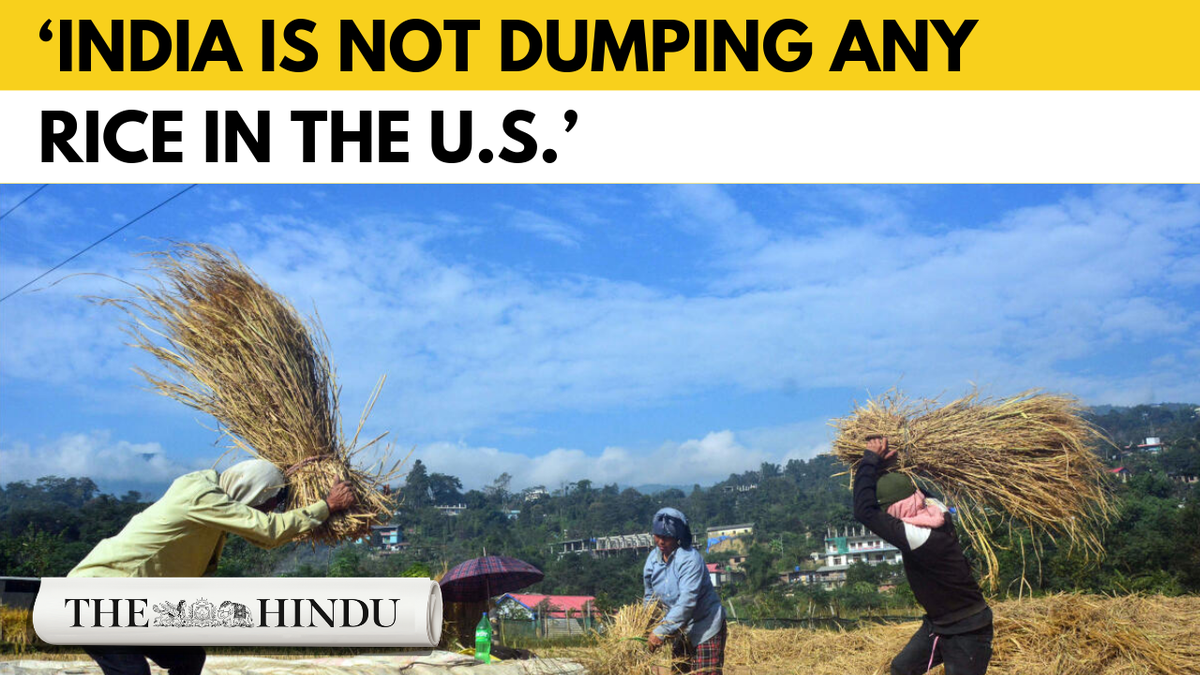
Rice exporters, especially in the basmati segment, had already flagged concerns when higher US tariffs took effect in September. While overall rice exports rose 5.51% to $6.51 billion in the first seven months of FY26, the 16% dip in October underscores the sector’s sensitivity to policy uncertainty. This exclusion highlights the vulnerability of India’s heavyweight export categories that depend heavily on a few tariff-sensitive markets.
Why the Exemptions Matter
Ajay Sahai, director general of the Federation of Indian Export Organisations (FIEO), said that Indian exports worth $2.5–3 billion are likely to gain from the tariff relief.
As trade analysts from the Global Trade Research Initiative (GTRI) note, the US excluded items “not produced domestically in adequate quantities or dependent on climate conditions the US cannot replicate.” Coffee, tropical fruits, and spices fall squarely into this category: India’s agricultural strengths that can compete without undermining domestic US farmers.
GTRI says the change in U.S. tariff policy may give India a small competitive boost in spices and some niche horticulture products. But most of the broader benefits will likely go to large farm exporters in Latin America, Africa, and ASEAN countries, unless India increases its production scale, strengthens cold-chain infrastructure, and widens its range of agricultural exports.
The Export Surge: Numbers Tell the Story
Yet the real narrative is one of momentum, not setback.
- India’s agricultural exports grew 8% year-on-year to $25.9 billion during April-October 2025-26, despite the tariff headwinds.
- Basmati and non-basmati rice exports hit $6.51 billion in the first seven months of FY26, a 5.51% increase, and are on track to surpass the previous record of $12.47 billion achieved in FY25, up over 20% YoY.
- Marine products surged 16% to $4.87 billion, while meat and poultry shipments jumped 24% to $3.32 billion.
- Fruits and vegetables, though facing seasonal headwinds in October, still posted 6% growth to $2.15 billion.
- Spices exports during April–October 2025–26 declined marginally by 0.18% to $2.46 billion.
Government’s Play: Building a Competitive Export Architecture
The Indian government is moving beyond passive support to active infrastructure development. The Ministry of Commerce, through the Agricultural and Processed Food Products Export Development Authority (APEDA), has implemented the Financial Assistance Scheme (FAS), providing direct grants to member exporters for market development, quality control, training, and technological upgrades. These programmes target value-added product development and workforce upskilling, critical for competing in premium US market segments.
The government’s vision is bold: doubling agricultural exports from the current $50 billion level to $100 billion by 2030. Achieving this target requires moving beyond tariff-based protectionism toward productivity-driven competitiveness, a theme echoed across policy documents calling for phased tariff reductions on select commodities, increased agricultural R&D investment, and supply-chain strengthening.
The Stock Story: Active Contributors to India’s Export Growth
For investors seeking exposure to this export renaissance, several Indian companies are positioned at the epicenter of agricultural growth:
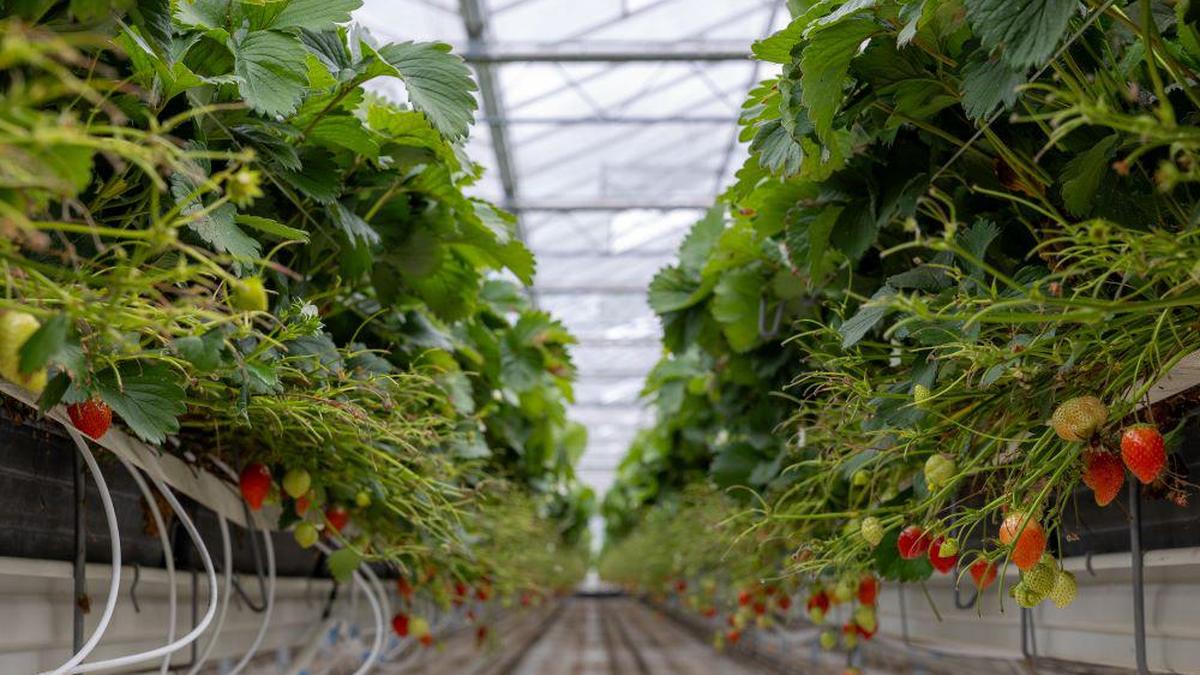
- Fruits and Nuts: Includes fresh fruits like mangoes, grapes, and bananas and nuts such as cashews and almonds. India is known for tropical fruit production and strong horticultural diversity. The US imports $54.5 million worth of goods from India. Stocks to Watch: Puretrop Fruits Ltd and Krishival Foods Ltd.
- Processed Foods: Covers packaged and value-added foods such as ready-to-eat meals, juices, snacks, pickles, and dehydrated products made from India’s agricultural produce. The US imports $49.1 million worth of goods from India.
Stocks to Watch: ITC Ltd, Britannia Industries Ltd, and ADF Foods Ltd.
- Spices: India is a global leader in spices like chilli, turmeric, cumin, coriander, pepper, and spice blends, valued for their strong aroma, flavour, and traditional cultivation. The US imports $358.6 million worth of goods from India.
Stocks to Watch: Tata Consumer Products Ltd.
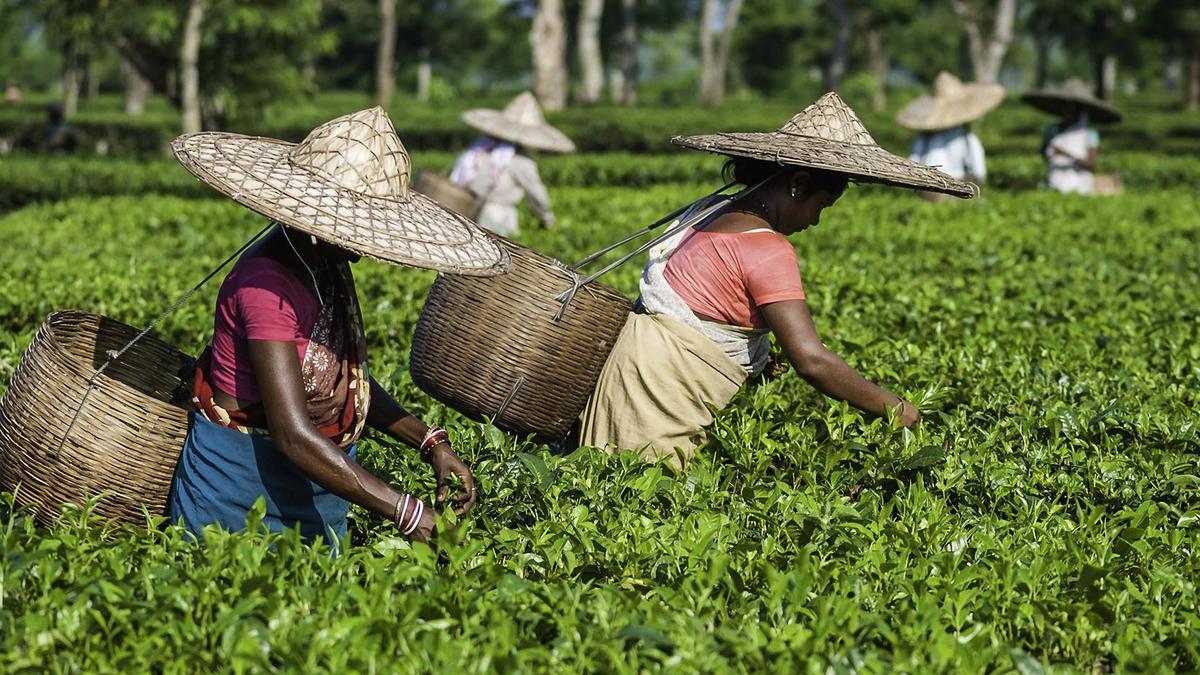
- Tea and Coffee: Includes premium teas (Assam, Darjeeling, and Nilgiri) and Indian Arabica/Robusta coffees. Known for rich flavour profiles and long-established plantation industries. The US imports $82.5 million worth of goods from India.
Stocks to Watch: Tata Coffee Ltd (Tata Consumer Products Ltd) and CCL Products (India) Ltd.
- Essential Oils: Aromatic oils extracted from plants such as mint, lemongrass, basil, and sandalwood, used in cosmetics, perfumery, food flavouring, and wellness products. The US imports $32.66 million worth of goods from India.
Stocks to Watch: Gem Aromatics Ltd
- Vegetables and Edible Roots: Fresh produce such as onions, potatoes, okra, tomatoes, and other seasonal vegetables is widely cultivated across India’s farming regions. The US imports $0.55 million worth of goods from India. There are no listed companies from this space.
- Beef and Bovine (Buffalo Meat): India exports buffalo meat (carabeef), known for its lean quality and used in processed food industries and food service sectors internationally. The US imports $0.56 million worth of goods from India.
Stocks to Watch: HMA Agro Industries Ltd.
- Fertilisers: Includes nitrogen-based fertilisers, speciality nutrients, and agrochemicals that support crop growth and are produced by India’s chemical industry. The US imports $25.84 million worth of goods from India.
Stocks to Watch: Coromandel International Ltd and Fertilisers & Chemicals Travancore Ltd.
The Path Forward: Unlocking the Export Potential
The US tariff exemptions represent a tactical win but not a strategic transformation. India’s agricultural export story hinges on execution: expanding cold-chain infrastructure, investing in post-harvest technologies, scaling production in high-value categories, and building buyer relationships in premium market segments. The government’s policy framework supports these moves, but execution speed will determine whether India captures the structural opportunity or merely gains marginal gains over Latin American and African competitors.
The broader export-import outlook is equally critical. While agricultural exports surge, India’s selective protectionism in dairy, edible oils, and processed foods constrains both global competitiveness and domestic cost structures. A measured liberalization, opening to imports in non-sensitive categories while leveraging export strength in rice, spices, and seafood as bargaining chips, could accelerate the path to $100 billion in farm exports by 2030.
For a nation seeking to double farmer incomes and establish global agricultural leadership, the convergence of record production, tariff relief, and government support creates a generational opportunity. How India capitalizes on it will reverberate across rural economies and global trade flows for years to come.
Written by Shashi Kumar
Disclaimer

The views and investment tips expressed by investment experts/broking houses/rating agencies on tradebrains.in are their own, and not that of the website or its management. Investing in equities poses a risk of financial losses. Investors must therefore exercise due caution while investing or trading in stocks. Trade Brains Technologies Private Limited or the author are not liable for any losses caused as a result of the decision based on this article. Please consult your investment advisor before investing.
The post How US Tariff Relief May Boost India’s $1 Billion Farm Exports, and What Lies Ahead! appeared first on Trade Brains.
What's Your Reaction?