






































































ICICI Prudential, HDFC AMC or Nippon: Where Should Long-Term MF Investors Bet?
SYNOPSIS: As India’s mutual fund AUM crosses ₹81 lakh crore, ICICI Prudential stands out for superior capital efficiency and scale, HDFC AMC delivers brand-led stability, while Nippon Life offers attractive valuation comfort for long-term investors. India’s mutual fund industry has grown rapidly over the past decade, driven by rising financial awareness, steady SIP inflows, and […] The post ICICI Prudential, HDFC AMC or Nippon: Where Should Long-Term MF Investors Bet? appeared first on Trade Brains.

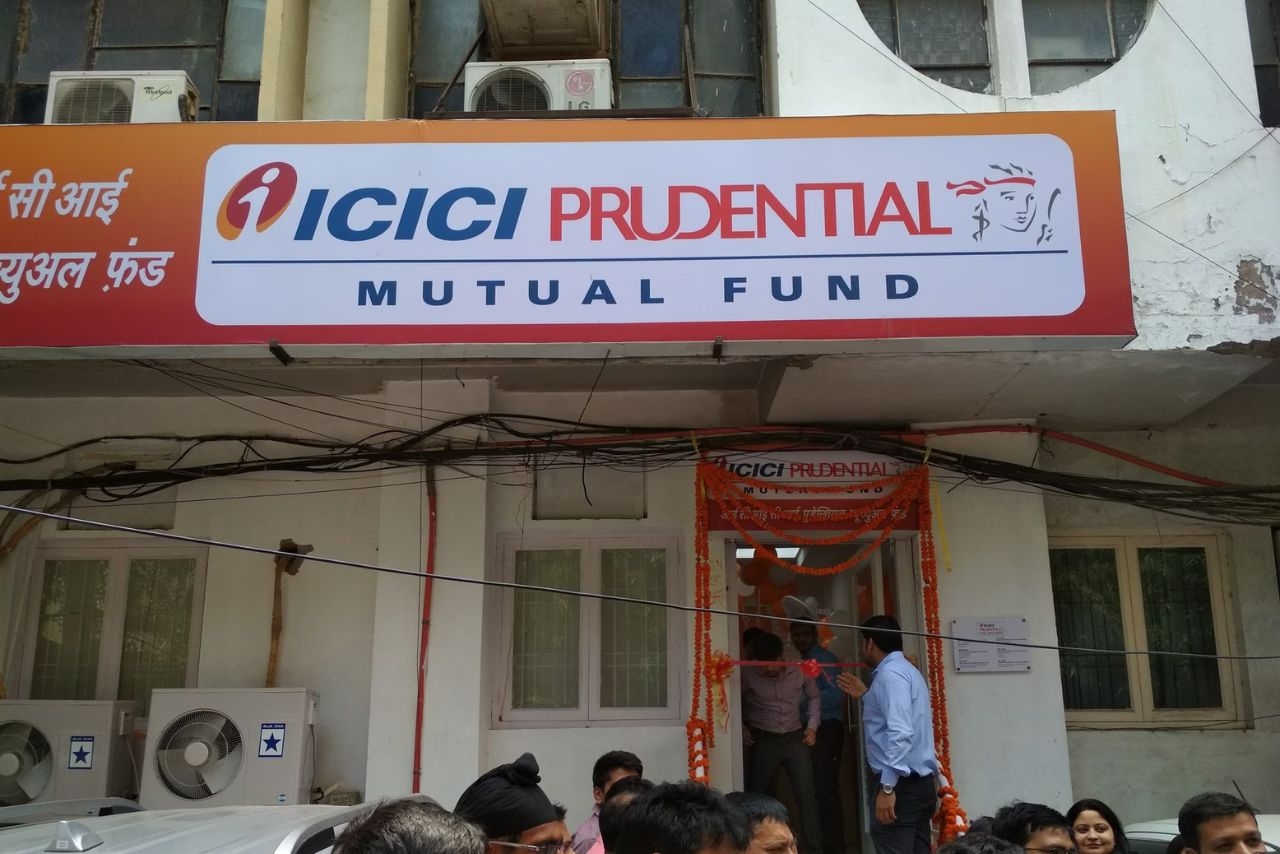
SYNOPSIS: As India’s mutual fund AUM crosses ₹81 lakh crore, ICICI Prudential stands out for superior capital efficiency and scale, HDFC AMC delivers brand-led stability, while Nippon Life offers attractive valuation comfort for long-term investors.
India’s mutual fund industry has grown rapidly over the past decade, driven by rising financial awareness, steady SIP inflows, and a shift from physical to financial savings. Within this expanding space, asset management companies like ICICI Prudential AMC, HDFC AMC, and Nippon Life India AMC stand out as established players with strong brands, large assets under management, and consistent profitability.
For long-term mutual fund investors, comparing these AMCs is less about short-term market cycles and more about business quality, growth visibility, governance, and valuation, making the question of how well each aligns with an investor’s long-term goals.
Industry Overview
The Indian mutual fund industry has seen strong and steady expansion over the past decade, driven by rising financial awareness, growing SIP culture, and increasing participation from retail investors across cities and towns.
As of November 2025, the industry’s scale reflects this transformation, with average assets under management (AAUM) at Rs. 81.31 lakh crore and total AUM at Rs. 80.80 lakh crore. This marks a more than six-fold jump from Rs. 12.95 lakh crore in November 2015, highlighting how mutual funds have moved from being a niche investment option to a mainstream long-term wealth-building vehicle, supported by regulatory reforms, digital distribution, and consistent inflows.
India’s AMC sector
Asset management companies benefit from a clear, long-term trend of rising financialisation, steady SIP inflows, and growing equity participation. As mutual funds increasingly become a household product, AMCs behave like consumption plays with high operating leverage, making business quality and capital efficiency more important than short-term market cycles.
About the Company
ICICI Prudential AMC, incorporated in 1993, is an asset management company focused on managing risk first while delivering long-term returns. As of September 30, 2025, it manages a quarterly average AUM of Rs. 10,147.6 billion and also offers portfolio management, alternative investment funds, and advisory services to offshore clients.
Nippon Life India Asset Management manages mutual funds (including ETFs), managed accounts such as PMS, AIFs, pension funds, and offshore advisory mandates, and has maintained its rank as the 4th largest AMC in India based on total and equity QAAUM, while remaining the No.1 non-bank sponsored and foreign-owned AMC, with QAAUM of Rs. 6,565 billion, highlighting its strong and consistent market position.
HDFC Asset Management Company Limited is a publicly owned investment manager that offers equity, fixed income, balanced, and real estate mutual fund products. Founded in 1999 and headquartered in Mumbai, the company follows a fundamental investment approach and operates as a subsidiary of HDFC Bank Limited. As of September 30, 2025, it manages a quarterly average AUM of Rs. 8,814 billion
Current Market Price
ICICI Prudential Asset Management Co Ltd closed at Rs. 2,634.80 per equity share, whereas HDFC Asset Management Company Ltd closed at Rs. 2,649.50 per equity share and Nippon Life India Asset Management Ltd closed at Rs. 870.70 per equity share.
Market Capitalisation
ICICI Prudential AMC and HDFC AMC now command similar market capitalisations of around Rs. 1.30 lakh crore and Rs. 1.13 lakh crore respectively, reflecting their strong market size and investor trust. Nippon Life India AMC, with a market cap of about Rs. 55,419 crore, is significantly smaller but has carved out a credible position despite not being bank-backed, indicating strong standalone brand acceptance.
Profitability and capital efficiency
ICICI Prudential AMC clearly stands out on capital efficiency, with ROE of about 82.8 percent and ROCE of over 111 percent, far ahead of HDFC AMC with ROE of about 32.4 percent and ROCE of over 43.3 percent, and Nippon Life AMC with ROE of about 31.4 percent and ROCE of over 40.7 percent. These numbers indicate that ICICI Prudential AMC generates far more profit for every rupee of capital employed, strengthening the case for a valuation premium.
Revenue and earnings scale
ICICI Prudential AMC reported FY25 revenue of Rs. 4,682.7 crore with PAT of Rs. 2,650.6 crore, placing it ahead of both peers in absolute earnings. HDFC AMC reported revenue of about Rs. 3,498 crore and PAT of Rs. 2,461 crore, while Nippon Life India AMC posted revenue of Rs. 2,065.2 crore and PAT of Rs. 1,252.2 crore. ICICI Prudential AMC’s higher scale, combined with stronger profitability, reflects its diversified product mix and distribution strength.
Valuations
On trailing valuations, ICICI Prudential AMC trades at a P/E of around 44.5x, while HDFC AMC at 41.4x and Nippon Life AMC trade near 41.7x. However, the real divergence appears in price-to-book ratios. ICICI Prudential AMC trades at about 32.9x price to book value, sharply higher than HDFC AMC at around 14.6x and Nippon at roughly 12.7x. This means investors are paying a steep premium for ICICI Prudential AMC’s capital efficiency and growth visibility.
Distribution advantage and growth outlook
ICICI Prudential AMC benefits from strong distribution through ICICI Bank, giving it superior reach across retail and institutional investors. Brokerages expect their equity AUM growth to outpace the industry by about 2.5 percent annually over FY25–28, translating into a projected core PAT CAGR of around 18.5 percent.
HDFC AMC remains a high-quality franchise with consistent performance and strong brand recall, but its rich valuation limits near-term upside. Nippon Life AMC, while smaller, offers relatively better valuation comfort and has demonstrated credible fund performance without bank backing, making it attractive for investors seeking a balanced risk-reward profile.
Analysts believe this distribution strength and diversification could allow ICICI Prudential AMC to eventually command a premium over HDFC AMC, despite similar profitability profiles.
Conclusion
ICICI Prudential AMC justifies its premium through superior capital efficiency, higher earnings scale, and a powerful distribution engine, making it a strong long-term compounder. HDFC AMC offers stability and franchise strength but at valuations that leave limited margin of safety.
Nippon Life India AMC stands out as the valuation-comfort play, appealing to investors who prefer quality growth at a relatively lower price. For long-term mutual fund investors, the choice ultimately depends on whether they prioritise business efficiency, brand stability, or valuation comfort.

Disclaimer: The views and investment tips expressed by investment experts/broking houses/rating agencies on tradebrains.in are their own, and not that of the website or its management. Investing in equities poses a risk of financial losses. Investors must therefore exercise due caution while investing or trading in stocks. Trade Brains Technologies Private Limited or the author are not liable for any losses caused as a result of the decision based on this article. Please consult your investment advisor before investing.
The post ICICI Prudential, HDFC AMC or Nippon: Where Should Long-Term MF Investors Bet? appeared first on Trade Brains.
What's Your Reaction?