














































India’s Gold Discounts Hit Record ₹1,62,340 per 10 Gram as Duty Hike Chokes Demand
Synopsis:- After the government raised gold import duties from 6% to 15% on May 13, 2026, physical bullion discounts in India have blown out to a record $207 per ounce over official prices compared to just $15 the previous week while China’s gold market continues to trade at firm premiums of $15–20 per ounce, driven […] The post India’s Gold Discounts Hit Record ₹1,62,340 per 10 Gram as Duty Hike Chokes Demand appeared first on Trade Brains.



Synopsis:- After the government raised gold import duties from 6% to 15% on May 13, 2026, physical bullion discounts in India have blown out to a record $207 per ounce over official prices compared to just $15 the previous week while China’s gold market continues to trade at firm premiums of $15–20 per ounce, driven by central bank accumulation and retail investment demand.
India’s physical bullion market has recorded its steepest dealer discount in history, with the price gap between official domestic rates and what buyers will actually pay widening from $15 per ounce last week to $207 per ounce as of May 15, 2026. The collapse in buying interest followed a government announcement on May 13 hiking the import duty on gold and silver from 6% to 15% a move that immediately choked off retail demand and left dealers sitting on oversupplied inventory.
As of May 15, 2026, 24-karat gold was trading at Rs. 1,62,340 per 10 grams, broadly flat from its previous session, as buyers stayed away despite easing global spot prices. 22-karat gold last traded at Rs.1,48,810 per 10 grams, while silver continued its volatile run at Rs. 2,99,900 per kilogram. At the peak of the duty-induced spike, domestic prices had climbed to nearly Rs. 1.64 lakh per 10 grams, prompting a wave of profit-booking that added fresh supply pressure to an already sluggish market.
The government’s May 13 notification raised the effective levy on gold imports to 15%, and when combined with the 3 percent sales levy, the total wedge between official and grey-market prices is now approximately 18 percent. That spread makes smuggled gold meaningfully cheaper than duty-paid inventory, a dynamic that analysts warn directly reverses the logic of the 2024 duty cut, which had deliberately kept rates low to discourage illegal imports. At an 18 percent differential, the grey market becomes economically rational for a portion of the trade.
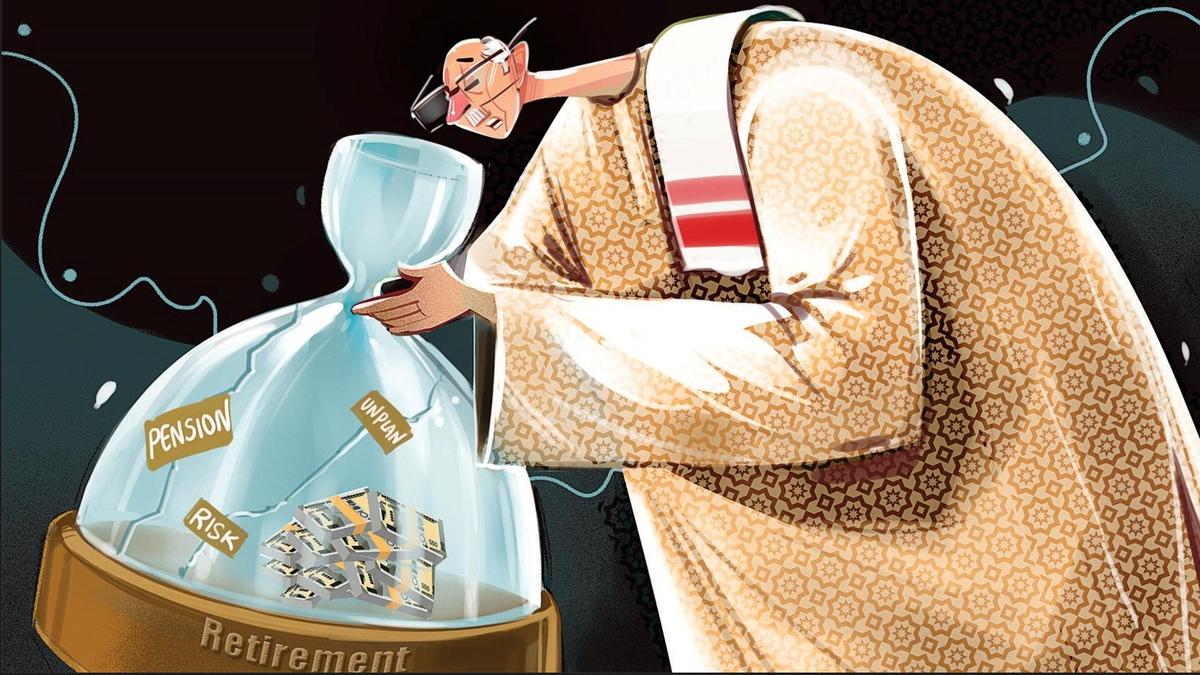
Jewellers who bought inventory at pre-hike prices are now caught between a domestic price that has surged and a buyer base that has entirely stepped back. The only way to move stock is to discount hence the $207 figure, which represents the depth of that distress.
Prime Minister Modi’s appeal, issued before the duty announcement, urged citizens to defer non-essential gold purchases for one year to conserve foreign exchange amid West Asia tensions. The appeal may have reinforced the psychological withdrawal of retail buyers, combining a patriotic deterrent with a price shock in a way that hit sentiment from two directions simultaneously.
The divergence with China is structural, not cyclical. Chinese households have shifted their relationship with gold from adornment to asset allocation, treating it as a hedge against domestic currency risk and global uncertainty. That shift shows up in the data. Chinese gold ETFs recorded their eighth consecutive month of net inflows in April 2026, with total holdings reaching 301 tonnes a peak. The People’s Bank of China extended its buying programme to 18 consecutive months in April, bringing official reserves to 2,322 tonnes.
Against that backdrop, physical premiums of $15–20 per ounce over global benchmarks reflect genuine demand, not speculative positioning. Electronics and solar manufacturing add an industrial consumption floor that insulates China’s market from the sentiment swings that are hammering India right now.
India and China together account for the majority of global physical gold demand. When they move in opposite directions this sharply, it matters for global price discovery. India’s withdrawal removes a significant source of buying support at current price levels.
If the duty remains at 15 percent through the traditional wedding and festival seasons particularly Akshaya Tritiya, which has already passed, and Dhanteras in October the demand destruction could be more durable than a one-week discount figure suggests. Jewellers and bullion dealers are not yet adjusting their business models; they are waiting for a policy reversal. If that reversal does not come, inventory management will become the dominant challenge for the trade in the second half of 2026.
Disclaimer: The views and investment tips expressed by investment experts/broking houses/rating agencies on tradebrains.in are their own, and not that of the website or its management. Investing in equities poses a risk of financial losses. Investors must therefore exercise due caution while investing or trading in stocks. Trade Brains Technologies Private Limited or the author are not liable for any losses caused as a result of the decision based on this article. Please consult your investment advisor before investing.
The post India’s Gold Discounts Hit Record ₹1,62,340 per 10 Gram as Duty Hike Chokes Demand appeared first on Trade Brains.
What's Your Reaction?