


















































PNB Stock: Should You Buy, Sell or Hold After Their Q4 Results?
Synopsis: Banking surged up to 3.5% after mixed views from brokerage after Q4 FY26, with target cuts reflecting margin pressure and weak core earnings, though stable asset quality and lower credit costs supported sentiment. The share of this company, which is one of India’s largest state-owned banks, offering diversified services including personal banking, corporate banking, […] The post PNB Stock: Should You Buy, Sell or Hold After Their Q4 Results? appeared first on Trade Brains.

Synopsis: Banking surged up to 3.5% after mixed views from brokerage after Q4 FY26, with target cuts reflecting margin pressure and weak core earnings, though stable asset quality and lower credit costs supported sentiment.
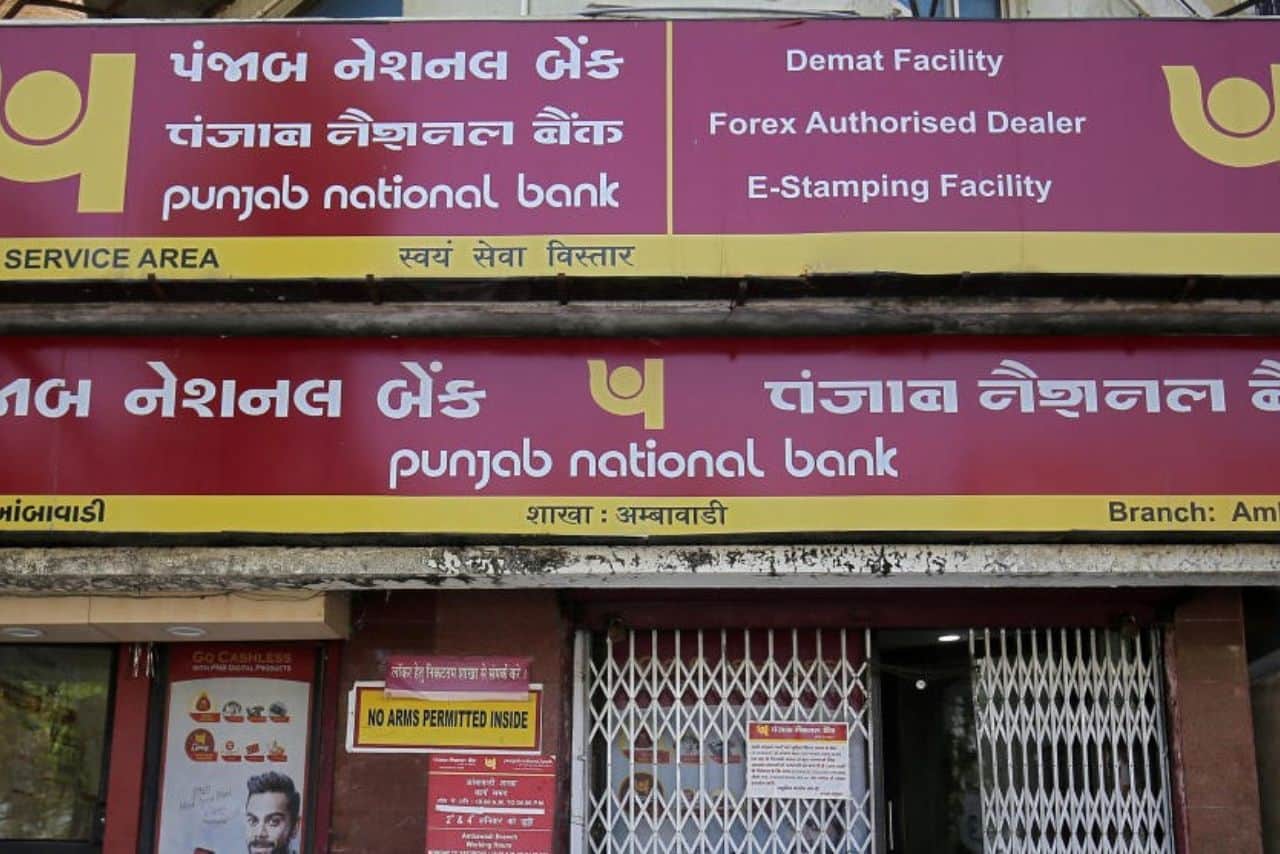
The share of this company, which is one of India’s largest state-owned banks, offering diversified services including personal banking, corporate banking, and international operations across multiple countries came in focus after brokerage gave views on the stock after Q4.
With a market capitalization of Rs 1,25,043 crore, Punjab National Bank’s share made a day low of Rs 111.75 per share, up by 3.5 percent from its previous day’s close price of Rs 107.90 per share. The share of this company has given a return of 200 percent over the last five years.
Brokerage View
UBS maintains a Neutral rating on Punjab National Bank with a revised target price of Rs 122 (earlier Rs 140), citing mixed earnings quality, margin pressure, and modest loan growth despite lower credit costs.
- Earnings beat driven by costs and provisions: Q4 PAT beat estimates mainly due to lower operating expenses and reduced provisioning, even as weak net interest income reflected margin pressure. Lower credit costs helped offset core income softness, supporting overall profitability.
- Weak margin and modest loan growth: Net interest margins contracted 5 bps QoQ, highlighting pressure on core spreads. Loan growth remained modest, indicating subdued credit expansion, though management guided for 12–13 percent growth and RoA above 1 percent going forward.
- Asset quality support but mixed outlook: Lower credit costs and recoveries supported earnings resilience, but sustainability of NII remains a concern. While management guidance is constructive, near-term growth visibility is limited due to margin compression and moderate loan momentum.
Jefferies maintains a Buy rating on Punjab National Bank and reduces target price to Rs 130 from Rs 134, supported by improving loan growth and controlled credit costs despite margin pressure.
- Earnings resilience despite NII miss: Q4 NII missed estimates but was offset by lower operating expenses and reduced provisions. This helped sustain earnings performance, indicating improving cost discipline and stable underlying profitability.
- Improving loan growth but margin pressure: Loan growth showed improvement during the quarter, though net interest margins came under pressure, impacting NII. Soft deposit growth remains a constraint, but overall credit expansion momentum is gradually improving.
- Asset quality and credit cost comfort: Slippages declined year on year, and core credit costs remained well controlled. This provides earnings stability and supports the bullish view despite near-term pressure on margins and funding growth.
Citi maintains a Sell rating on Punjab National Bank and cuts target price to Rs 103 from Rs 115, citing continued margin pressure and weak core earnings visibility.
- Margin pressure and weak loan mix: NIMs continued to contract, reflecting sustained pressure on core spreads. Loan growth also lagged the system due to weaker retail traction, although MSME and overseas segments supported some growth.
- Profit supported by non-core factors and rising stress: Profitability was supported by provision write-backs and recoveries rather than core income strength. However, rising QoQ slippages indicate emerging asset quality pressure and limit earnings sustainability.
Kotak Securities maintains an Add rating on Punjab National Bank and reduces target price to Rs 125 from Rs 140, citing stable profitability with limited upside due to weaker core earnings versus peers.
- Stable profitability supported by low credit costs: Profitability remained broadly steady, supported by lower credit costs and reduced retirement-related provisions. This helped sustain return ratios even in a relatively moderate earnings environment.
- Strong asset quality but weaker core profitability: Asset quality remains stable, supported by high PCR, which helps keep credit costs low. However, core profitability continues to lag peers, limiting rerating potential despite overall balance sheet strength.
Overall, brokerage views on Punjab National Bank remain mixed, with targets revised lower across most firms amid margin pressure, moderate loan growth, and weak core earnings visibility.
While lower credit costs and stable asset quality support profitability, sustained NIM compression and uneven loan momentum continue to limit near-term upside, even as management guidance and selective growth drivers offer some medium-term stability.
About the Company
Punjab National Bank (PNB) is a major Indian public sector bank headquartered in New Delhi, established in 1894 as the first Swadeshi bank managed entirely by Indians. It is one of India’s largest state-owned banks, offering diversified services including personal banking, corporate banking, and international operations across multiple countries.
Financial highlight: revenue from operations stood at Rs 32,798 crore compared to Rs 32,523 crore in Q4 FY25, reflecting a marginal YoY increase. Financing margin in Q4 FY26 improved to 9 percent from 5 percent in Q4 FY25, indicating strong expansion.
Net profit in Q4 FY26 rose to Rs 5,602 crore versus Rs 5,011 crore in Q4 FY25, while EPS increased to Rs 4.87 per share from Rs 4.34 per share, showing steady earnings growth.
Disclaimer: The views and investment tips expressed by investment experts/broking houses/rating agencies on tradebrains.in are their own, and not that of the website or its management. Investing in equities poses a risk of financial losses. Investors must therefore exercise due caution while investing or trading in stocks. Trade Brains Technologies Private Limited or the author are not liable for any losses caused as a result of the decision based on this article. Please consult your investment advisor before investing.
The post PNB Stock: Should You Buy, Sell or Hold After Their Q4 Results? appeared first on Trade Brains.
What's Your Reaction?