




































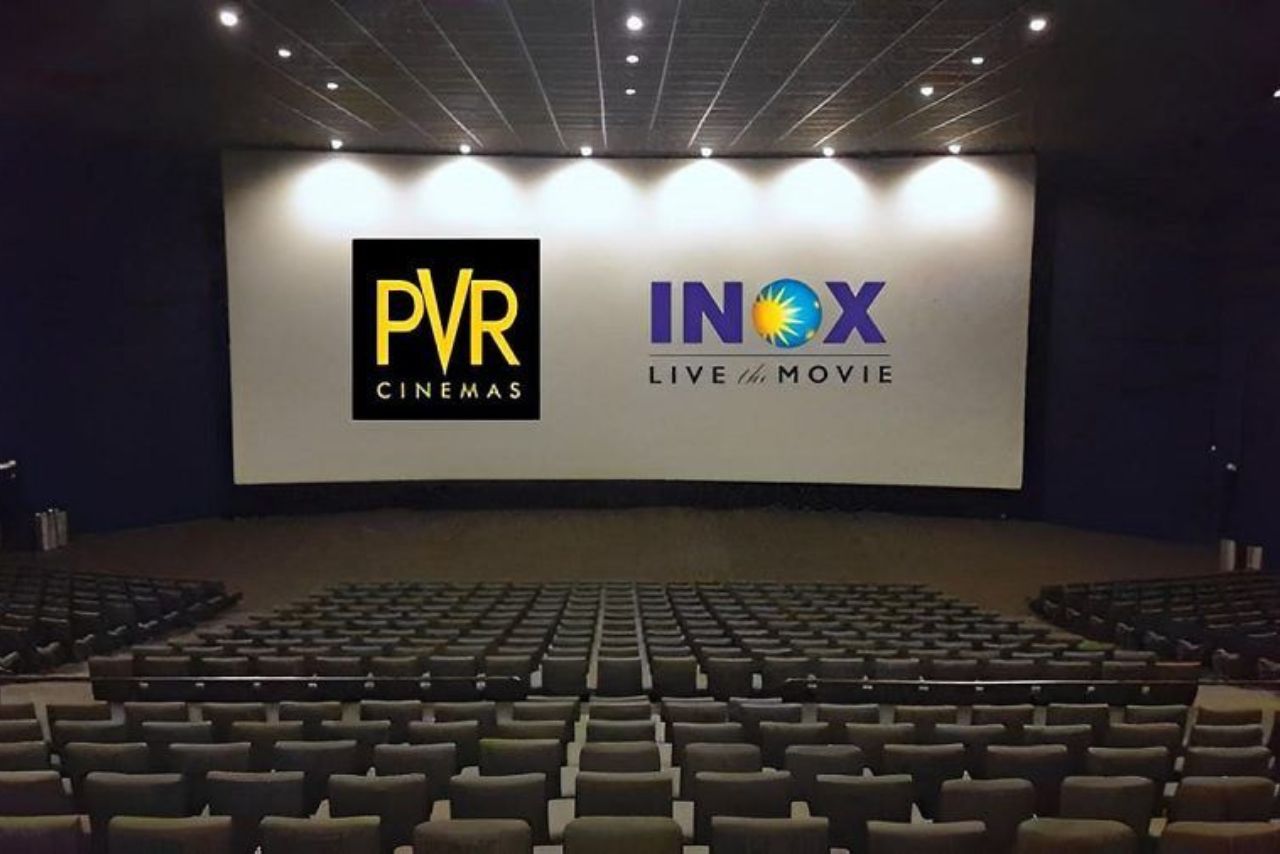
PVR INOX Share: Turnaround Story Goes Beyond Profit Growth; Here’s What Matters More
Synopsis: India’s largest multiplex operator has delivered record revenue, EBITDA, and profit in FY26. But the real story is not the earnings recovery. It is the near-elimination of debt after years of post-COVID and merger-related balance sheet stress, a shift that could fundamentally change how the business compounds over the coming years. India’s multiplex industry […] The post PVR INOX Share: Turnaround Story Goes Beyond Profit Growth; Here’s What Matters More appeared first on Trade Brains.

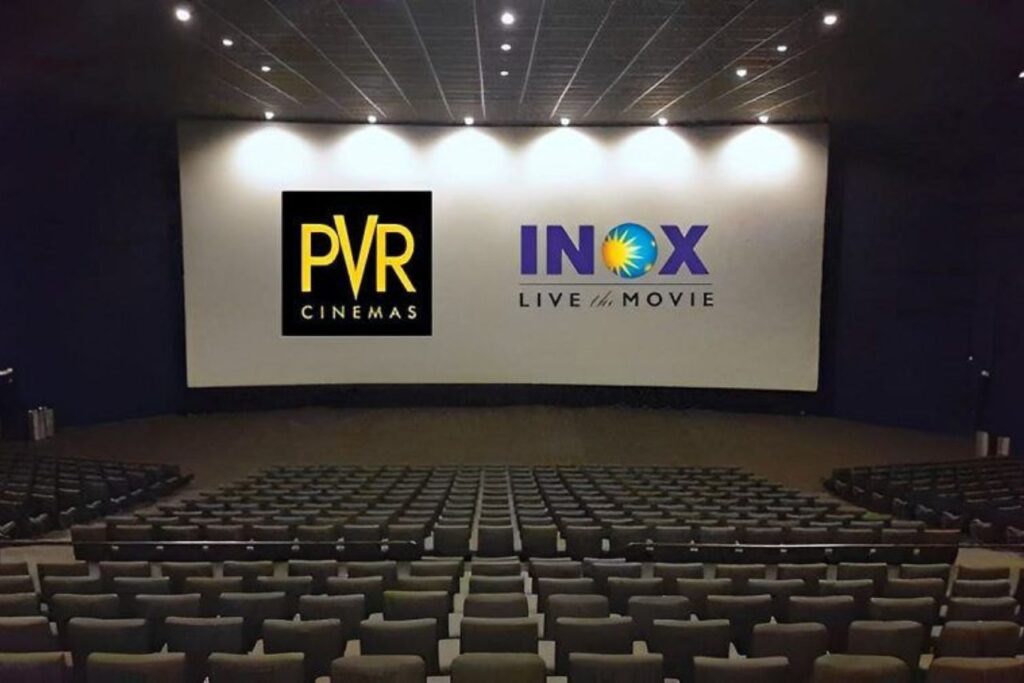
Synopsis: India’s largest multiplex operator has delivered record revenue, EBITDA, and profit in FY26. But the real story is not the earnings recovery. It is the near-elimination of debt after years of post-COVID and merger-related balance sheet stress, a shift that could fundamentally change how the business compounds over the coming years.
India’s multiplex industry may finally be entering a cleaner and more stable phase after years of volatility, weak occupancies, OTT disruption fears, and post-pandemic financial stress. The industry is now benefiting from a more consistent theatrical content pipeline, rising premium-format adoption, and improving consumer willingness to spend on out-of-home entertainment again.
The latest FY26 performance from the country’s largest listed multiplex operator reflects that transition clearly. Strong box office collections, higher ticket pricing, improving food and beverage spends, and better operating leverage helped the company report its strongest year ever. But beneath the headline numbers, the larger transformation has happened on the balance sheet.
With a market capitalisation of ₹9,918 crores, the shares of PVR Inox are trading at ₹1,010 apiece in today’s market session, down 1.17 % from its previous day’s close of ₹1,026 apiece. The stock has delivered 6.80% over the past month.
Record FY26 Performance
The company reported a consolidated net profit of ₹186.7 crore in Q4FY26 against a loss of ₹125 crore in the same quarter last year. Revenue rose 25.8% YoY to ₹1,547 crore, while EBITDA surged 56% to ₹452 crore with margins improving sharply to 29.2% from 23.5%.
For the full year FY26, the company delivered its highest-ever revenue of ₹6,646 crores, EBITDA, and PAT of ₹ 2,095 Crores and ₹333 crores simultaneously. Admissions crossed 150 million patrons during the year, while average ticket prices and spend per head also touched record levels.
Strong theatrical content, including Dhurandhar: The Revenge, Border 2, and Project Hail Mary, helped drive occupancy growth and box office collections during the quarter. Advertising revenues also improved alongside stronger theatre footfalls.
The Bigger Story Is Debt Reduction
The larger structural shift, however, is not profit growth alone. The company is now aggressively focusing on balance sheet cleanup after carrying heavy leverage following the PVR-INOX merger and the post-COVID recovery period.
Management has guided that gross debt could reduce from nearly ₹760 crore to around ₹500 crore going forward, while targeting near-zero net debt over the coming quarters.
This matters because the earlier business model carried significant financial pressure. High fixed costs combined with interest expenses meant weak content quarters often became balance sheet stress events rather than just earnings disappointments.
The company also monetised non-core assets during FY26, including the sale of its stake in 4700BC to Marico, which further supported liquidity and debt reduction efforts.
Expansion Is Now Happening From Strength
The company added 93 new screens in FY26 while shutting underperforming properties, taking the total network close to 1,800 screens. Management now plans to add nearly 120 more screens in FY27, with a strong focus on capital-light formats and expansion into tier-2 and tier-3 cities through smaller “smart screen” models.
Importantly, this expansion is now happening from a position of financial strength rather than leverage stress. Earlier, every expansion cycle required incremental borrowing. Now, future growth can increasingly be supported through internal cash flows if content momentum remains healthy.
The Bigger Caveat: Lease Liabilities Still Matter
While financial debt has reduced sharply, investors should not ignore the company’s large lease liabilities, an important structural feature of the multiplex business. Most cinema properties operate through long-term lease agreements inside malls and commercial complexes. As the company expands screens, future lease obligations also increase. These fixed payments continue regardless of occupancy levels.
This means the business still carries high operating leverage. If movie content weakens for multiple quarters, rental and lease payments continue even when occupancy falls. The balance sheet is significantly cleaner today, but the business model still depends heavily on strong theatrical performance and healthy footfalls to sustain stable cash generation.
What Brokerages Are Saying
Brokerages remained positive on the company’s improving balance sheet and cash flow profile. Kotak Institutional Equities maintained a Buy with a target price of ₹1,500, citing a 32% upside from the current levels, while CLSA retained an Outperform rating with a target price of ₹2,135, reflecting an 111% upside, citing stronger free cash flow generation, improving operating leverage, and continued debt reduction.
The One-Time Gain Investors Should Watch
Another important factor investors should separate is recurring operational improvement from non-recurring gains. FY26 profitability also benefited from the sale of the company’s entire 93.27% stake in Zea Maize Private (4700BC) to Marico for ₹222 crore. As of the transaction date, the carrying value of Zea Maize’s net assets stood at only ₹27 crore, resulting in an exceptional gain of nearly ₹195 crore in the consolidated financial statements.
While the operational recovery and cash flow improvement remain genuine, investors should note that part of the reported profitability improvement came from this one-time exceptional item rather than core exhibition operations alone.
Market Takeaway
FY26 may ultimately be remembered as the year the company completed its financial reset rather than simply reporting a strong earnings year. Improving operating leverage and capital-light expansion plans have structurally strengthened the business model. However, future success will still depend on maintaining balance sheet discipline and sustaining strong movie content pipelines. The biggest risk is no longer survival. It is execution.
Disclaimer: The views and investment tips expressed by investment experts/broking houses/rating agencies on tradebrains.in are their own, and not that of the website or its management. Investing in equities poses a risk of financial losses. Investors must therefore exercise due caution while investing or trading in stocks. Trade Brains Technologies Private Limited or the author are not liable for any losses caused as a result of the decision based on this article. Please consult your investment advisor before investing.
The post PVR INOX Share: Turnaround Story Goes Beyond Profit Growth; Here’s What Matters More appeared first on Trade Brains.
What's Your Reaction?