





























.png)

Rolls Royce acquisition: How BMW won the bidding war against Volkswagen
Synopsis: In 1998, Volkswagen acquired Rolls-Royce’s factories and Bentley, but BMW secured the Rolls-Royce name and logo for GBP 40 million. Leveraging transitional agreements and building a new Goodwood facility, BMW launched a redesigned Phantom, proving that brand ownership, strategic planning, and vision can outweigh physical assets in achieving lasting luxury market dominance. The story […] The post Rolls Royce acquisition: How BMW won the bidding war against Volkswagen appeared first on Trade Brains.

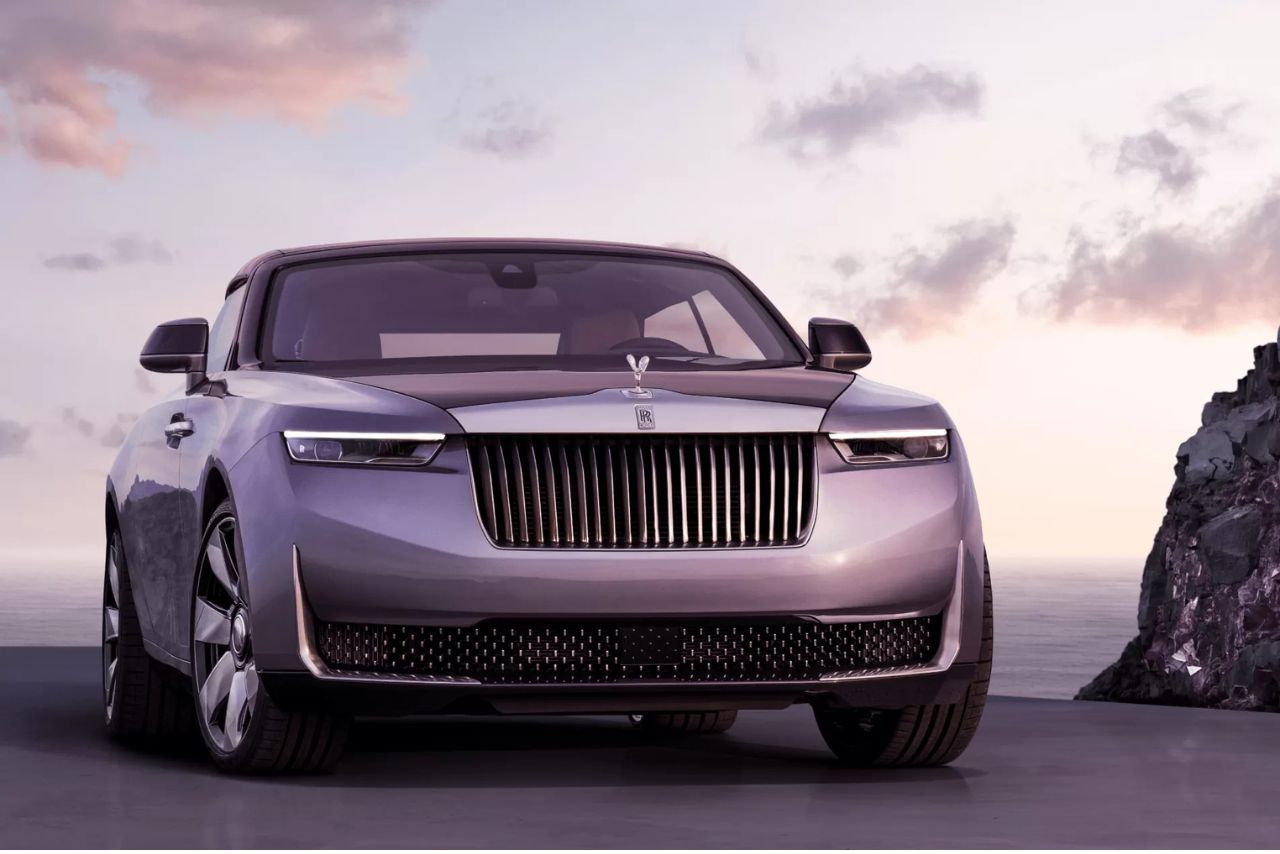
Synopsis: In 1998, Volkswagen acquired Rolls-Royce’s factories and Bentley, but BMW secured the Rolls-Royce name and logo for GBP 40 million. Leveraging transitional agreements and building a new Goodwood facility, BMW launched a redesigned Phantom, proving that brand ownership, strategic planning, and vision can outweigh physical assets in achieving lasting luxury market dominance.
The story of Rolls-Royce’s transition from Vickers to BMW and Volkswagen is one of high-stakes negotiation, strategic foresight, and a lesson in the importance of brand over assets. In 1998, Vickers, which had owned both Rolls-Royce Motors and Bentley, decided to sell its automotive operations. This decision sparked a bidding war between BMW and Volkswagen, two of Germany’s automotive giants, both eager to acquire one of the world’s most prestigious luxury car brands.
The Initial Bidding War
BMW had long-standing ties with both Rolls-Royce and Bentley, supplying engines and various components. They were considered the most likely buyer, given their established technical and business relationship with the brands. By the late 1990s, BMW had essentially prepared to finalize a deal with a GBP 340 million offer, confident they would acquire both the iconic brands and the production facilities.
However, Volkswagen entered the bid at the last moment with a higher bid of GBP 430 million. Their offer included Rolls-Royce’s manufacturing assets, designs, nameplates, administrative headquarters, and trademarks associated with the Spirit of Ecstasy hood ornament and the iconic grille. On paper, Volkswagen appeared to have won the battle. But they had overlooked a crucial detail: the Rolls-Royce brand name and logo were owned by Rolls-Royce plc, not Vickers.
This separation of brand and physical assets proved to be BMW’s lifeline. Recognizing the long-term value of controlling the brand, BMW negotiated directly with Rolls-Royce plc and obtained the rights to the Rolls-Royce name and logo for a mere GBP 40 million. This seemingly modest deal would become the linchpin for BMW’s future control over the marque.
Strategic Leverage and Transitional Arrangements
The period following the sale was a delicate balancing act. BMW threatened to cut off engine and component supplies within a year, a move that could have severely disrupted Rolls-Royce vehicle production and cut customer orders by up to 30 percent. Volkswagen, facing the possibility of producing Rolls-Royce cars without the engines that had powered them for decades, had little choice but to negotiate.
A transitional agreement was reached: Volkswagen could continue producing Rolls-Royce-branded cars under license until the end of 2002, with BMW supplying engines and components during this period. In return, BMW would have time to construct a new manufacturing facility and administrative headquarters, preparing to relaunch Rolls-Royce as an independent brand under their ownership. From January 1, 2003, BMW’s newly established Rolls-Royce Motor Cars Limited became the exclusive manufacturer of Rolls-Royce vehicles, starting with the Phantom, while Volkswagen focused entirely on Bentley.
This careful staging allowed both companies to protect their interests. Volkswagen retained the Crewe factory and Bentley operations, while BMW secured the priceless Rolls-Royce brand and a clean slate to create a new generation of cars without inheriting any outdated designs or intellectual property.
The Importance of Brand Ownership
At the heart of this story is a crucial lesson: in the luxury automotive industry, the brand often outweighs physical assets. Vickers had sold Rolls-Royce Motors Limited, which included factories, designs, and even the Spirit of Ecstasy and grille shape rights. Yet the true Rolls-Royce name and logo were not part of the sale, remaining under the control of Rolls-Royce plc, which had no interest in the automotive operations themselves.
BMW’s foresight in securing the trademarks gave them ultimate control over the use of the Rolls-Royce name. This intellectual property meant that once the transitional licensing arrangement with Volkswagen expired, only BMW could legally manufacture cars under the Rolls-Royce name. The deal exemplifies how intellectual property can sometimes be more valuable than physical infrastructure, especially for a brand synonymous with prestige and luxury.
Volkswagen’s chairman at the time, Ferdinand Piech, admitted that had his team fully understood the trademark situation earlier, the price for acquiring Rolls-Royce would have been significantly lower. He acknowledged, “I would have preferred to keep both brands… the price would have been much lower than Volkswagen finally paid.”
Creating a New Rolls-Royce
With the legal groundwork in place, BMW faced the challenge of building a Rolls-Royce from scratch. Since they did not acquire any existing Rolls-Royce engineering, design, or intellectual property beyond the brand name and logo, the team was free to create a wholly new car.
Karl-Heinz Kalbfell, BMW’s Head of Worldwide Product Planning and Strategy, was tasked with leading the effort. Kalbfell insisted that the new Rolls-Royce remain deeply tied to its British heritage. He secured land for a factory on the 12,000-acre Goodwood estate, home to the Duke of Richmond, and oversaw the construction of a state-of-the-art facility dedicated entirely to the marque.
The design philosophy centered on preserving the brand’s stately proportions: a long wheelbase, long bonnet, and high roof, maintaining a sense of presence and balance. The car had to exude luxury and comfort, using only the finest materials. BMW engineers developed an all-aluminum space frame and a 6.75-liter V12 engine tuned for high torque rather than raw horsepower, delivering 453 horsepower and nearly 400 pound-feet of torque from just 1,000 rpm.
Designer Ian Cameron reinterpreted the classic Rolls-Royce grille and Spirit of Ecstasy, making the latter more aerodynamic, slightly smaller, and capable of retracting for safety or security. This combination of engineering innovation and design sensitivity ensured that the new Rolls-Royce retained its unmistakable identity while meeting modern performance and safety standards.
Sales Strategy and Market Positioning
Rolls-Royce had historically sold only a handful of vehicles in markets like the United States, making brand revitalization a priority. BMW carefully constructed a network of dealerships, often taking over former Rolls-Royce dealerships, and focused on attracting potential buyers through exclusivity and high-end experiences. The launch of the Phantom in 2003 symbolized a return to bespoke luxury, blending cutting-edge technology with classic craftsmanship.
Robert Austin, Rolls-Royce’s North American Communications Director, emphasized the importance of the interior: “It also needed an interior that was warm, comfortable, and conducive to conversation, with only the finest materials used on any surface you may see or touch.” Every detail of the new Rolls-Royce reflected this commitment to luxury, from wood veneers to leather finishes, ensuring that the cars were more than transportation—they were statements of prestige.
The Outcome and Legacy
Volkswagen ended up with the factories and physical assets of Rolls-Royce Motors, but that did not give it the right to use the Rolls-Royce name. Instead, Volkswagen focused on Bentley, while BMW quietly secured full ownership of the Rolls-Royce brand itself. BMW then built a brand-new headquarters and manufacturing facility in Goodwood, starting fresh rather than relying on old assets.
By January 2003, Rolls-Royce Motor Cars Limited was officially up and running under BMW. The launch of the Phantom was a defining moment, showing the world that Rolls-Royce was not just surviving but entering a new era. Built entirely under BMW’s direction, the car blended tradition with modern engineering and helped re-establish Rolls-Royce as the ultimate symbol of ultra-luxury.
The BMW–Volkswagen–Rolls-Royce story is a powerful lesson in strategy and long-term thinking. Volkswagen may have paid more money and bought more assets, but BMW won where it mattered most by securing the name, the reputation, and the legacy.
Disclaimer: The views and investment tips expressed by investment experts/broking houses/rating agencies on tradebrains.in are their own, and not that of the website or its management. Investing in equities poses a risk of financial losses. Investors must therefore exercise due caution while investing or trading in stocks. Trade Brains Technologies Private Limited or the author are not liable for any losses caused as a result of the decision based on this article. Please consult your investment advisor before investing.
The post Rolls Royce acquisition: How BMW won the bidding war against Volkswagen appeared first on Trade Brains.
What's Your Reaction?