














































.png)


Stocks to Watch: Which sectors win and lose in the $135 billion India–EU free trade deal?
Synopsis: India-EU FTA to cut tariffs on most goods, boosting pharma, engineering, and chemicals exports, while autos, alcohol, and some food sectors may face rising EU import competition. The recently concluded India-EU Free Trade Agreement (FTA) marks a historic milestone in global economic cooperation. It opens access to a market of nearly 2 billion people […] The post Stocks to Watch: Which sectors win and lose in the $135 billion India–EU free trade deal? appeared first on Trade Brains.

Synopsis: India-EU FTA to cut tariffs on most goods, boosting pharma, engineering, and chemicals exports, while autos, alcohol, and some food sectors may face rising EU import competition.
The recently concluded India-EU Free Trade Agreement (FTA) marks a historic milestone in global economic cooperation. It opens access to a market of nearly 2 billion people and about 25 percent of global GDP.
For India, this agreement offers a valuable chance to boost exports, attract investment, and improve industrial competitiveness, especially in sectors where high EU tariffs will soon be cut or removed.
About India-EU FTA
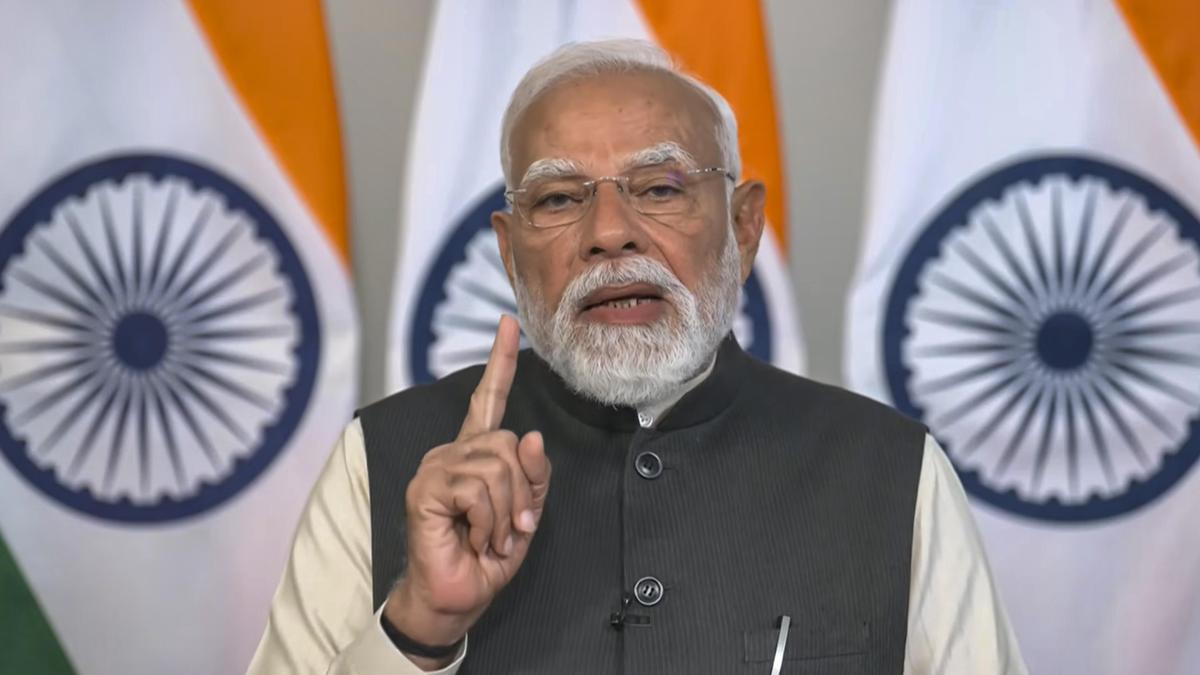
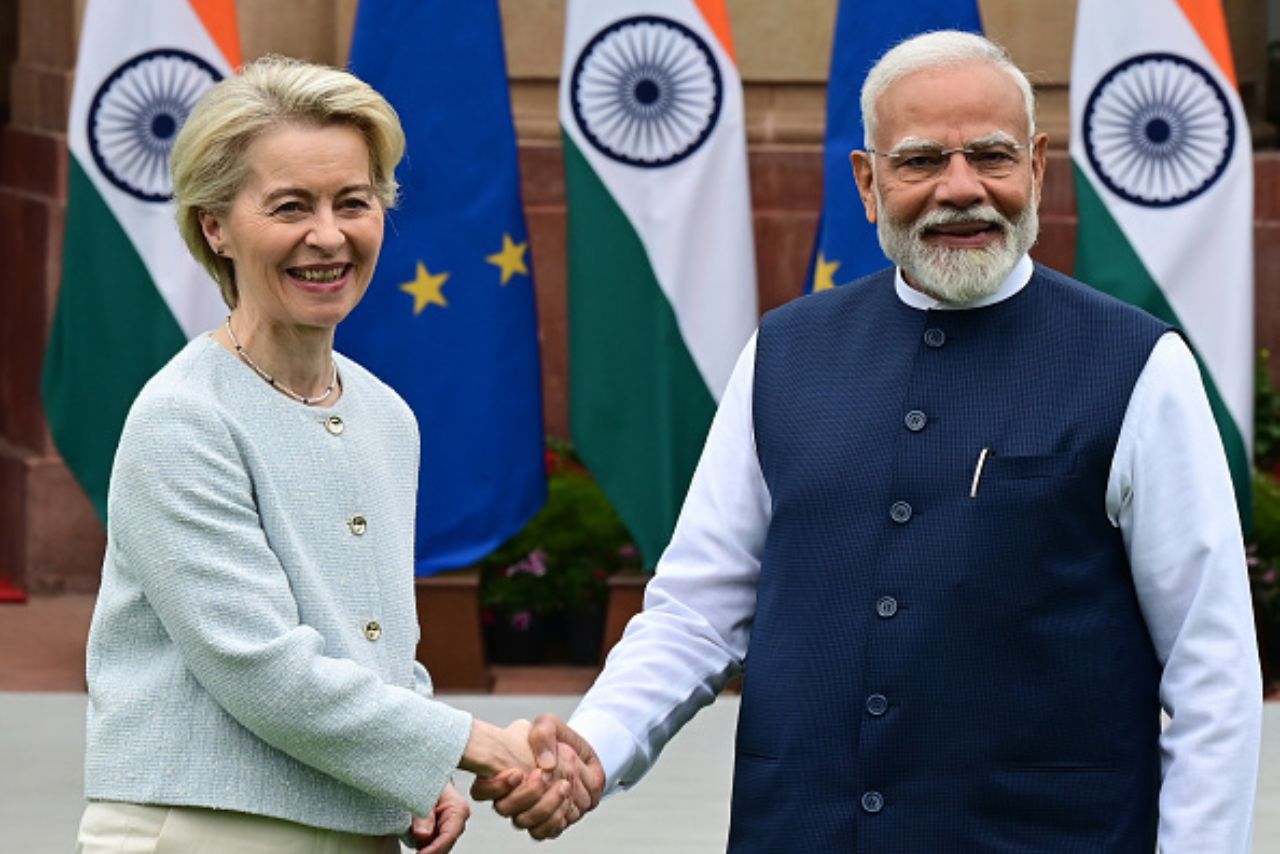
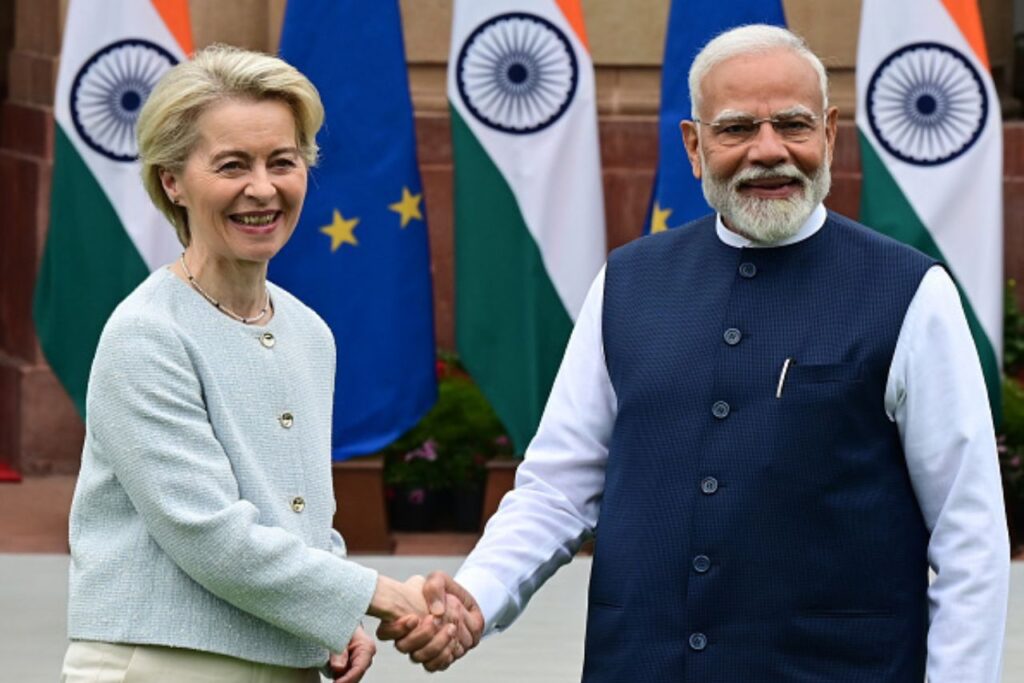
India and the European Union have just finalized a major Free Trade Agreement, with many calling it the “mother of all” trade deals. This pact connects nearly two billion people and covers around a quarter of the world’s GDP. Prime Minister Narendra Modi made the announcement himself, concluding negotiations that restarted in June 2022 after nearly ten years on hold.
According to EU reports, about 96.6 percent of its goods exports to India will see tariffs eliminated or sharply lowered. That’s more than just a statistic; European exporters could save up to €4 billion (over Rs 43,000 crore) every year in duties. European products now have a clear advantage in the Indian market.
Europe is already India’s largest trading partner, with trade in goods between them reaching over $135 billion, and is expected to double EU exports of goods to India by 2032, making it a significant trade deal. This new deal will only strengthen that relationship, paving the way for even greater trade between India and the EU’s 27 member countries. The timing isn’t a coincidence; nations everywhere are seeking to broaden their trade partners amid ongoing global market uncertainty.
Also, the U.S. and other countries have weighed in, and it’s easy to see why. Deals of this magnitude are rare, and this agreement isn’t just about India and the EU; it’s poised to reshape global trade in a significant way. At its heart, the India–EU FTA means deeper economic collaboration, easier access to markets, and a stronger influence over the future of world trade.
Sectors Likely to Benefit from this FTA
One of the biggest beneficiaries will be the engineering goods and machinery sector. Current tariffs of up to 44 percent on products like industrial machinery and electrical equipment are set to drop to zero for almost all items. Indian manufacturers are ready to significantly increase exports, and companies like Bharat Heavy Electricals Ltd (BHEL) and Larsen & Toubro (L&T) may see more orders from EU buyers looking for cost-competitive equipment and engineering services.
The pharmaceutical industry is another major winner. European duties, which were around 11 percent, will be completely removed. This will make Indian generics and specialty drugs more competitive on price. Established exporters like Sun Pharma and Dr. Reddy’s Laboratories can expect to expand operations in European markets more effectively, leading to higher volumes and stronger revenue growth.
Likewise, the chemicals and specialty chemicals sector, led by companies like Tata Chemicals and Aarti Industries, will gain from zero tariffs from upto 22 percent currently, boosting growth in export revenues. The optical, medical, and surgical equipment markets will also benefit from duty removals, which could increase demand for India’s growing medical device manufacturers.
Agriculture and processed foods such as fruit juices, edible vegetable oils, baked goods, and dairy preparations will see reduced or eliminated tariffs. This supports India’s goal of increasing agricultural exports, benefiting companies like Amul through cooperatives and packaged food firms like ITC and Nestlé India.
Sectors that might be impacted by this FTA
While the FTA presents opportunities, it also poses challenges for some Indian industries facing increased competition from imports. The automobile sector will take one of the biggest hits from this trade. India’s current tariffs on EU car imports, which can be as high as 110 percent, are expected to drop to about 40 percent initially, with further reductions planned upto 10 percent. Although EV imports may have temporary protections, mass-market passenger vehicles from European brands could take market share from domestic manufacturers.
This shift might increase pressure on companies like Hyundai, Motors, Maruti Suzuki, Tata Motors, and Mahindra & Mahindra, especially in the premium and mid-sized segments, unless they quickly improve product differentiation and cost competitiveness.
Similarly, alcoholic beverages like wine and spirits, which have long been protected by tariffs up to 150 percent in India, will see significant cuts. Imported European wines, spirits, and premium beers could become more popular, putting pressure on domestic brands like United Spirits, Radico Khaitan, Tilaknagar, Piccadilly Agro, and regional breweries unless they enhance branding and distribution.
Meat products and processed food categories facing reduced duties may also experience tougher competition from EU imports, challenging local producers to improve quality and efficiency.
Hence, the India–EU Free Trade Agreement opens up many opportunities, but it also brings some disruption. For industries like pharmaceuticals, engineering goods, chemicals, and certain food products, it allows easier access to Europe and the potential for quicker growth. On the other hand, sectors that were protected by high import duties, such as cars and alcoholic beverages, now face increased competition from European brands within India.
Overall, this agreement encourages Indian businesses to improve and become more connected to the global market. However, to truly benefit, companies need to adapt, enhance quality, and manage their costs effectively.
Disclaimer: The views and investment tips expressed by investment experts/broking houses/rating agencies on tradebrains.in are their own, and not that of the website or its management. Investing in equities poses a risk of financial losses. Investors must therefore exercise due caution while investing or trading in stocks. Trade Brains Technologies Private Limited or the author are not liable for any losses caused as a result of the decision based on this article. Please consult your investment advisor before investing.
The post Stocks to Watch: Which sectors win and lose in the $135 billion India–EU free trade deal? appeared first on Trade Brains.
What's Your Reaction?