


























































Swiggy and Zomato Delivery Strike: Will the companies be able to meet their demands?
Synopsis: Gig workers protest pay and safety pressures, demanding ₹20/km and ₹40,000 income, while Zomato and Swiggy counter with incentives up to ₹10,000, risking higher costs. Delivery workers on big app-based platforms are speaking up about the problems they face every day. Many say the pay is uncertain, the pressure to deliver quickly is stressful, […] The post Swiggy and Zomato Delivery Strike: Will the companies be able to meet their demands? appeared first on Trade Brains.

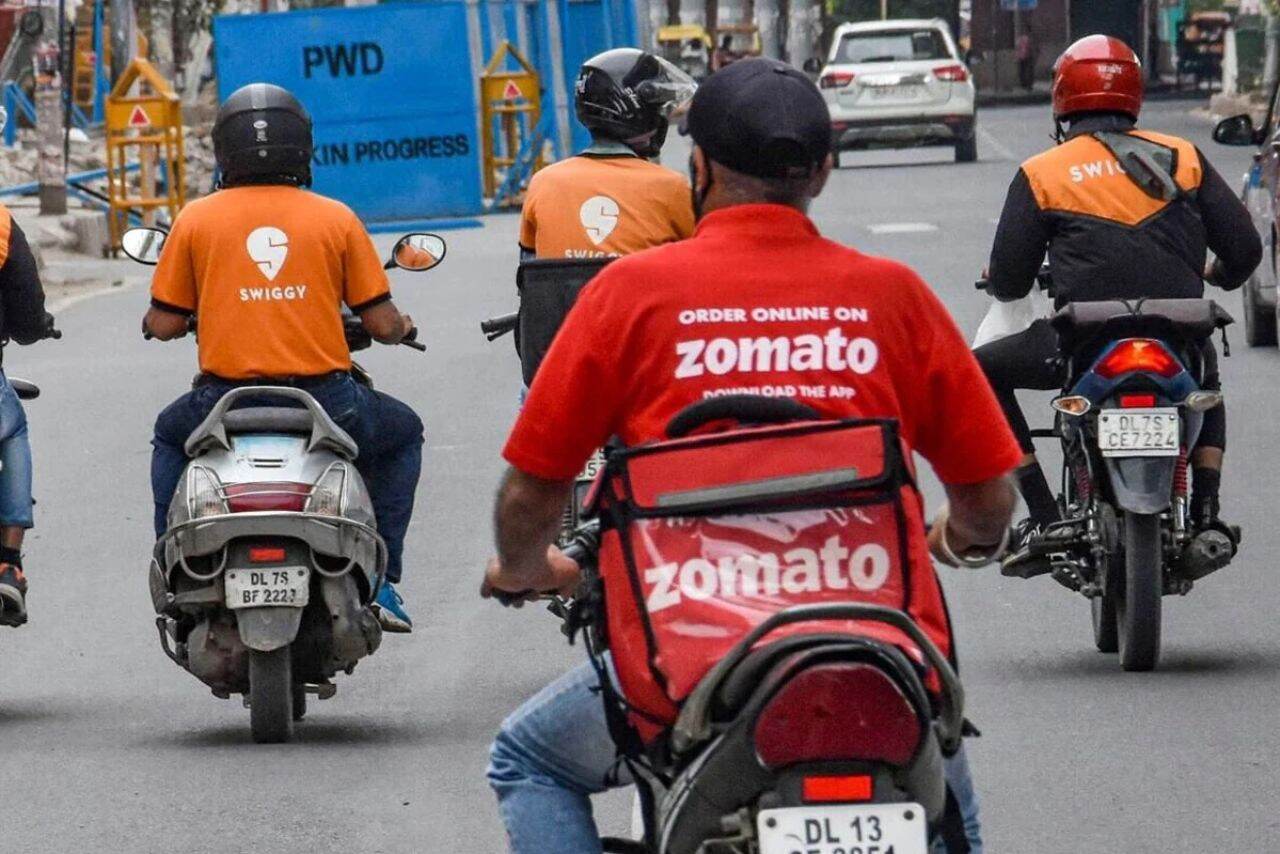
Synopsis: Gig workers protest pay and safety pressures, demanding ₹20/km and ₹40,000 income, while Zomato and Swiggy counter with incentives up to ₹10,000, risking higher costs.
Delivery workers on big app-based platforms are speaking up about the problems they face every day. Many say the pay is uncertain, the pressure to deliver quickly is stressful, and safety often takes a back seat. As these platforms grow faster, workers feel the job is becoming harder to manage and less reliable as a source of income.
For the companies, this brings up a tough challenge. They need to keep customers happy and grow their business, while also treating workers fairly. Even if service issues are only for a short time, this situation shows a bigger problem on how these platforms decide pay, set targets, and take care of the people who make their services possible
What gig workers are demanding:
Delivery workers say ultra-fast delivery promises like 10-minute or 20-minute orders put them under too much pressure and make the roads unsafe. They want these targets to be stopped so they can do their job without risking their lives.
They are asking for fair and steady pay, including a minimum rate of around ₹20 per kilometre and a guaranteed monthly income of about ₹40,000 instead of depending only on commissions. Workers also want protection from sudden penalties or account bans, with clear ways to raise complaints and limits on punishments decided only by apps.
They are also demanding basic security and benefits such as health, accident and life insurance, maternity support, provident fund and pension. Workers want to be recognised under labour laws so they have basic rights. Other demands include fair pay systems, access to real human support instead of only AI, and safer working conditions, especially during late nights and busy traffic hours.
How will this impact the company:
The current situation is likely to disrupt daily operations. With many riders staying off the roads, deliveries may get delayed or cancelled. Busy hours like lunch, dinner and late nights could see serious service gaps, which can upset customers. Fewer deliveries also mean lower commissions and reduced revenue for the platforms during the strike period.
If companies decide to meet worker demands such as paying ₹20 per kilometre, offering a guaranteed monthly income of ₹40,000, and providing health insurance and provident fund benefits, their costs would rise even when order volumes are low. To manage these higher costs, companies may pass some of the burden to customers through higher delivery charges.
As a result, companies may have to work with lower profit margins, slow down their expansion plans, rely more on automation, and introduce higher-priced delivery options to balance the increased labour costs.
What did the company do to tackle the situation?
To tackle the on going situation Zomato and Swiggy has offered their delivery partners a handsome commission during the peak hours between 6 pm and 12 am on December 31 2025, this move will fetch good amount of fee to workers but will increase the order amount to the consumers
To make sure enough delivery partners are available on New Year’s Eve, Zomato is offering higher payouts during busy hours. Delivery workers can earn between ₹120 and ₹150 per order from 6 p.m. to midnight, and the company says total earnings for the day could go up to ₹3,000, depending on how many orders come in and how long a worker is online.
Swiggy has taken a similar approach during the year-end rush. The platform has raised incentives for delivery workers, with the possibility of earning up to ₹10,000 across December 31 and January 1, based on demand and availability.
Disclaimer: The views and investment tips expressed by investment experts/broking houses/rating agencies on tradebrains.in are their own, and not that of the website or its management. Investing in equities poses a risk of financial losses. Investors must therefore exercise due caution while investing or trading in stocks. Trade Brains Technologies Private Limited or the author are not liable for any losses caused as a result of the decision based on this article. Please consult your investment advisor before investing.
The post Swiggy and Zomato Delivery Strike: Will the companies be able to meet their demands? appeared first on Trade Brains.
What's Your Reaction?