




































































Swiggy Vs Zomato: Which Online Food Giant is Morgan Stanley Betting On?
Synopsis: Swiggy vs Zomato is a close call, especially after Morgan Stanley cuts targets but shows relative preferability for Zomato on account of size and execution. Zomato turns a profit on a revenue base of Rs 13,590 crore, although it is second to Swiggy in consumer preference at 33%. The food delivery duopoly of India is […] The post Swiggy Vs Zomato: Which Online Food Giant is Morgan Stanley Betting On? appeared first on Trade Brains.

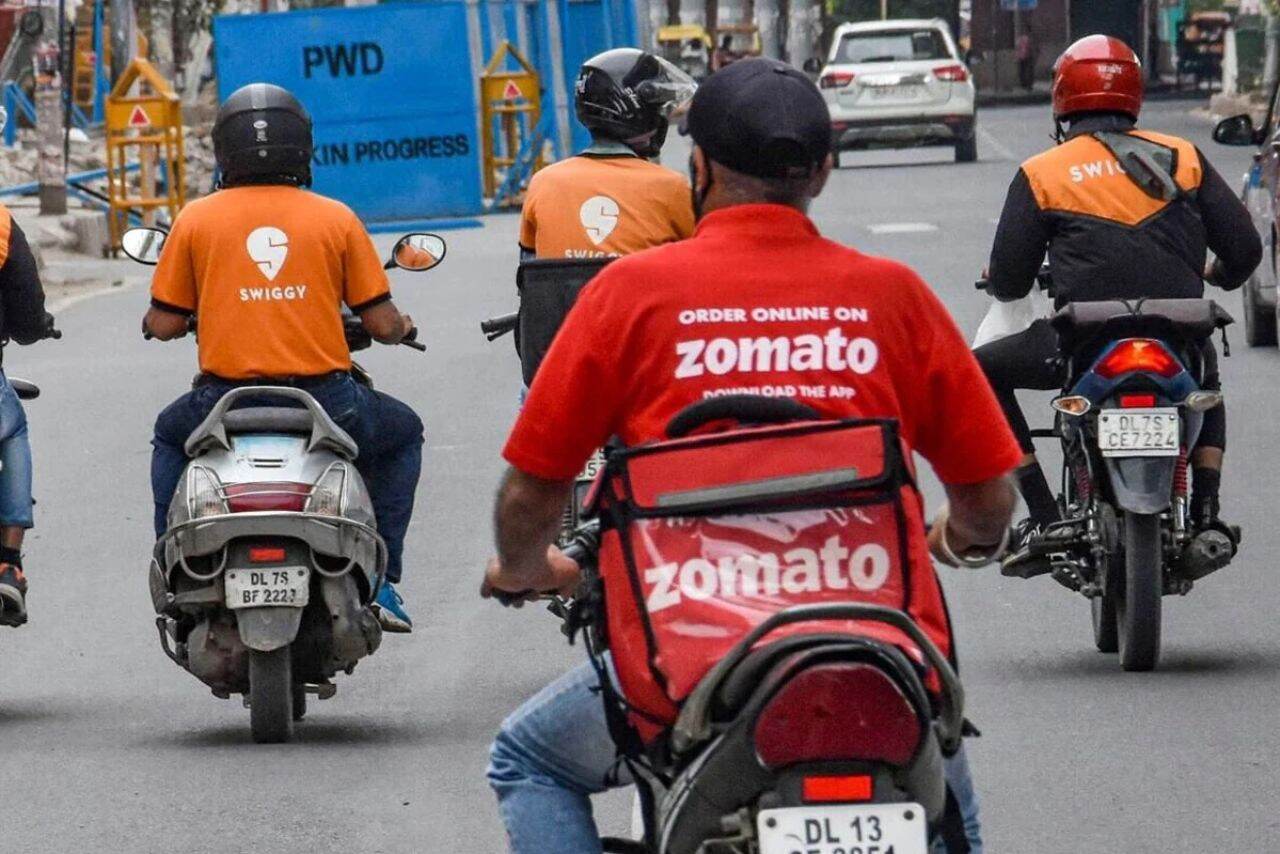
Synopsis: Swiggy vs Zomato is a close call, especially after Morgan Stanley cuts targets but shows relative preferability for Zomato on account of size and execution. Zomato turns a profit on a revenue base of Rs 13,590 crore, although it is second to Swiggy in consumer preference at 33%.
The food delivery duopoly of India is in sharp focus again, with the contrast of broking views firing up the debate for Swiggy versus Zomato. While Morgan Stanley has turned cautious on internet stocks, cutting price targets amid slowing growth and margin pressures, other brokerages remain bullish on the long-term demand. With profitability shining through for Zomato and leading consumer preference for Swiggy, the investor’s choice is indeed nuanced: between stability and growth.
Morgan Stanley’s Warning on Internet Stocks
Morgan Stanley has lately cut price targets for key Indian internet plays, taking Swiggy’s target to Rs 414 from Rs 455 and Eternal (Zomato) to Rs 417 from Rs 427, citing slower growth, rising competition and margin pressures in the sector.
The brokerage expects net order value growth to moderate in Q3FY26 – around 13-14% for Swiggy and 16% for Eternal and estimates sizable adjusted EBITDA losses at Rs 890 cr for Swiggy and Rs 1,400 cr for Eternal, despite some sequential improvement.
Growth vs. Profitability
Both Swiggy and Zomato have core businesses in food delivery and quick commerce, but only Zomato has really tasted profitability, while Swiggy is incurring losses. With slowing growth and keeping marketing costs high, quick commerce demand does little to alleviate the pressure that margins face. So, analysts are reducing their earnings estimates and target prices.
The revenue from operations for Eternal stood at Rs 13,590 crores in Q2 FY26 compared to Q2 FY25 revenue of Rs 4,799 crores, up by about 183 per cent YoY. However, the net profit stood at Rs 65 crore in Q2 FY26, down from Rs 176 crore in Q2 FY25.
The revenue from operations for Swiggy stood at Rs 5,561 crores in Q2 FY26 compared to Q2 FY25 revenue of Rs 3,601 crores, up by about 54 per cent YoY. However, the net loss stood at Rs 1,092 crore in Q2 FY26, up from the Rs 626 crore loss in Q2 FY25.
Market Positioning and Consumer Preference
A recent consumer survey conducted by Bank of America for over 1,000 digital consumers reveals that Swiggy is at the top of the list for online ordering with 33%, while Zomato comes second at 29%, while there are 20% who use both equally. However, the recent trend observed in the survey shows that more than half of the respondents have increased their ordering through online delivery platforms. All this shows the recent behavioural changes that have come into place because of the intense competition of the online ordering market in the Indian market.
Valuation and Analyst Estimates
Alongside Morgan Stanley’s conservatism, a host of brokerages, including Bernstein, had been very positive about both, giving them Outperform recommendations and a price point of Rs 570 and Rs 390 for Swiggy and Eternal, respectively, due to their role in India’s burgeoning delivery and convenience space.
On the other hand, Morgan Stanley has slashed the price targets for various prominent Indian internet stocks. This comes amidst worries over decelerating growth, increasing competitiveness, and the ongoing downward revision cycle in earnings. The broking house reduced the price targets for Swiggy to Rs 414 from Rs 455 and Eternal to Rs 417 from Rs 427. This comes after lowering price targets for various other internet stocks like Delhivery and others.
Zomato (Eternal) may attract investors looking for leadership in market share and steadfast execution, particularly with the support of Morgan Stanley’s relative preference and strengths in user surveys. Swiggy, with possible niche plays in quick commerce and broker price target upgrades, may appeal to risk-friendly investors looking for growth opportunities. Yet, these two shares have risks related to unprofitable performance and competitiveness, and investors must consider risk preferences and investment time horizons.
Disclaimer: The views and investment tips expressed by investment experts/broking houses/rating agencies on tradebrains.in are their own, and not that of the website or its management. Investing in equities poses a risk of financial losses. Investors must therefore exercise due caution while investing or trading in stocks. Trade Brains Technologies Private Limited or the author are not liable for any losses caused as a result of the decision based on this article. Please consult your investment advisor before investing.
The post Swiggy Vs Zomato: Which Online Food Giant is Morgan Stanley Betting On? appeared first on Trade Brains.
What's Your Reaction?