









































Tata Motors Vs Mahindra: Which Auto Stock Is Winning India’s EV Race?
Synopsis: Two of India’s largest auto manufacturers are staking their future on electric mobility, but their recent strategies reveal very different playbooks. One is racing to fix supply bottlenecks after demand outpaced capacity, while the other is chasing scale after years of expansion. India’s passenger vehicle market is entering a new phase of electrification, and […] The post Tata Motors Vs Mahindra: Which Auto Stock Is Winning India’s EV Race? appeared first on Trade Brains.

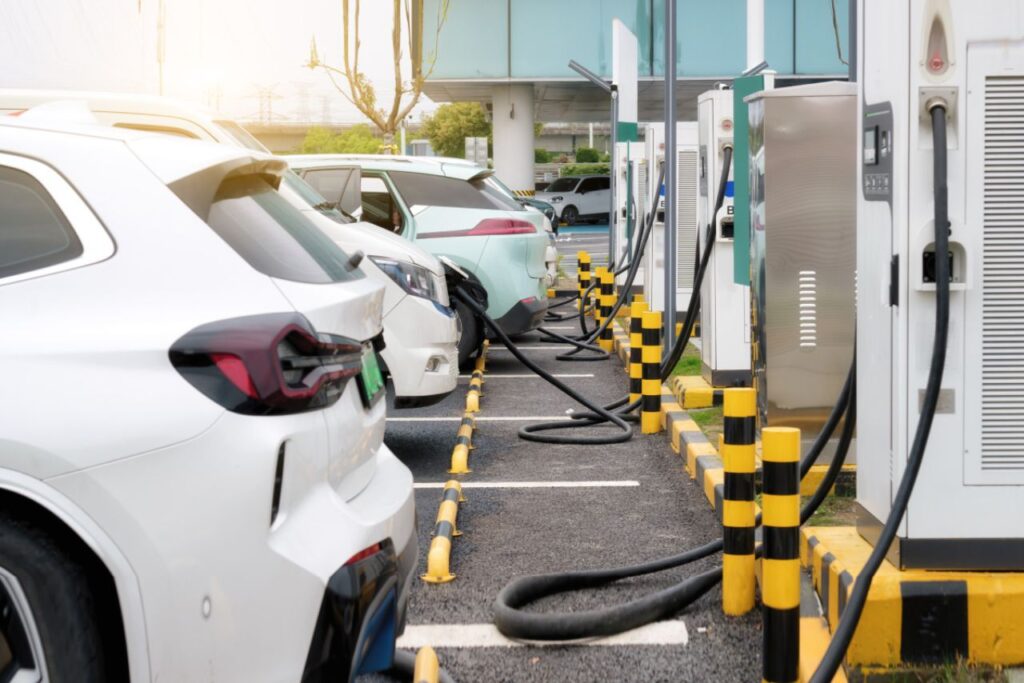
Synopsis: Two of India’s largest auto manufacturers are staking their future on electric mobility, but their recent strategies reveal very different playbooks. One is racing to fix supply bottlenecks after demand outpaced capacity, while the other is chasing scale after years of expansion.
India’s passenger vehicle market is entering a new phase of electrification, and its two biggest players are approaching it from opposite directions. One is battling to keep up with demand it didn’t fully anticipate, while the other is building capacity well ahead of the curve. Recent disclosures from both companies offer a clearer picture of where each stands, and what challenges lie ahead.
Demand Is Outrunning Supply on the EV Side
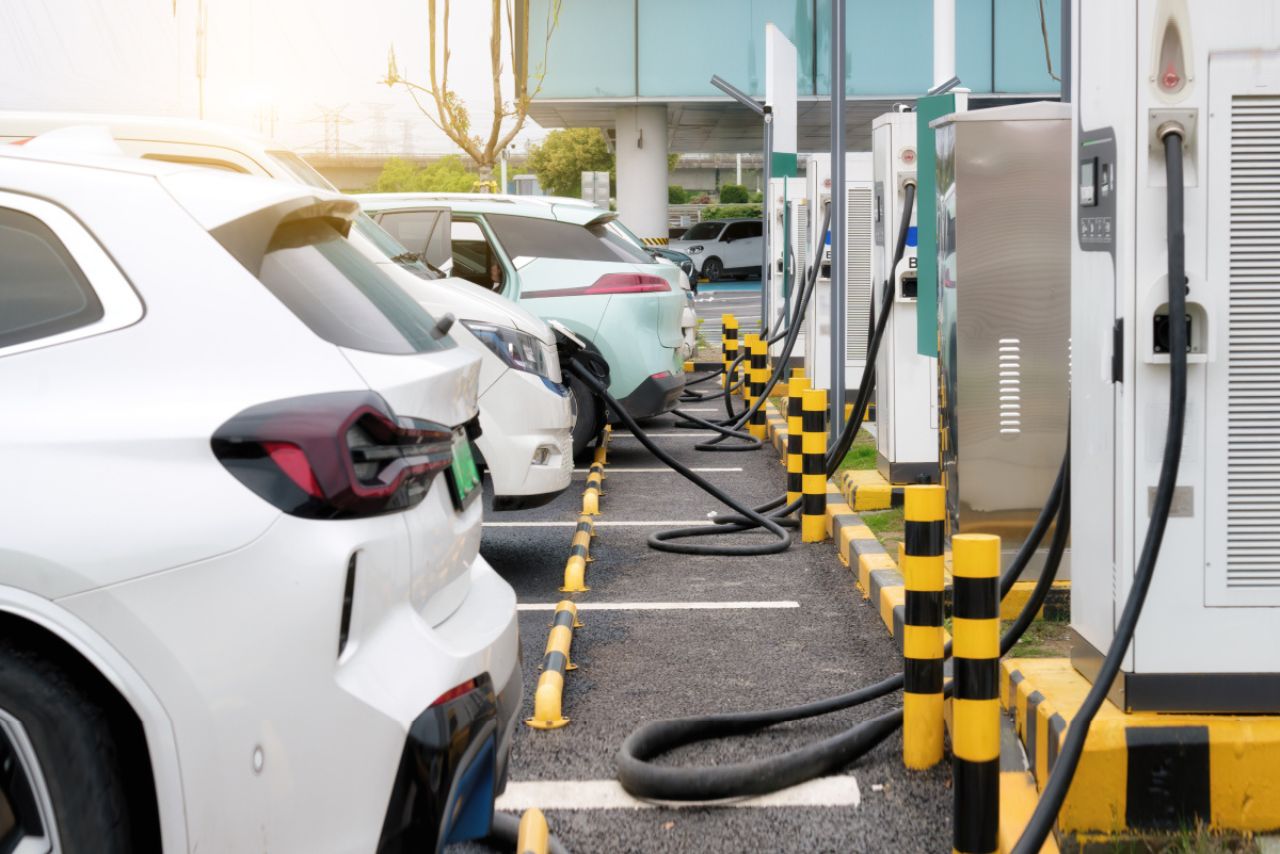
At Tata Motors, EV bookings now make up 33-35% of total bookings, while EV supply stands at just around 18% currently. The company expects this share to settle at a “permanent” 25-30% level going forward, and plans to double EV supply compared to the previous year to close this gap.
Mahindra & Mahindra is facing a similar squeeze. Capacity, not demand, has become the bigger constraint in its SUV business. The XUV 7XO is currently selling around 7,000 units a month against a supply ceiling of 9,500. EV penetration for Mahindra touched 9.6% for the year and crossed 10% in the most recent two months, with EV volume market share at 31.4% and revenue share leading the industry at 37.7% in the fourth quarter.
Profitability Milestones, but Different Starting Points
Mahindra’s EV business turned EBIT-positive earlier than the company had internally projected, generating EBITDA of ₹1,314 crore and a positive PBIT of ₹287 crore for the year, including contract manufacturing. Production-linked incentive recognition of around ₹500 crore in the fourth quarter also aided this, with the entire EV portfolio now PLI-compliant.
Tata Motors, on the other hand, remains behind on near-term EV economics, with passenger vehicle profitability still “behind the benchmarks by 5%” versus competitors. Stripped of PLI benefits, the EV business is close to break-even, with the incentive serving as a “bridge” rather than a permanent support. The priority now is to protect margins by FY29, when PLI benefits are expected to end, through cost reduction, localization, and improved product mix.
Capacity Expansion Plans Reveal Differing Scale of Ambition
Tata Motors has laid out a roadmap to grow total capacity from around 0.85-0.9 million units currently to about 1.3 million units within two to three years, adding roughly 400,000 units through brownfield expansion and debottlenecking. The company also plans to more than double its dealer network to around 3,200 outlets and triple its service network over the next five years.
Mahindra’s capacity path is more incremental and tied to specific platforms. By the end of FY27, the company plans to add 10,000 units of ICE capacity to support upcoming NU_IQ-based products launching in FY28, along with 4,000 units of EV capacity for new EV launches the same year. A new plant at Nagpur is targeted to begin operations by mid-2028, with land acquisition nearing completion and a two-year execution plan underway. .
Cost, Localization, and Platform Strategy
Semiconductor localization is a key milestone for Tata Motors, with a locally assembled system-on-chip set to be used in one of its vehicles by the third quarter of the following year – a first for the Indian market. The company is also using its EV volumes as leverage to push global suppliers toward local manufacturing.
Mahindra’s cost strategy leans on platform fungibility. Management pointed to the upcoming NU_IQ platform’s ability to support both ICE and EV variants as a key reason for its comfort in meeting CAFE compliance, which requires EV penetration of 13-21% over the current regulatory block.
What Investors Should Watch
Both companies appear to be treating FY27 as an execution year rather than a demand-generation year. Supply chain constraints – particularly around semiconductors and memory chips – remain ongoing risks for both, with the potential to affect ramp-up timelines. Investors tracking this space would do well to watch quarterly capacity utilization figures, PLI-linked disclosures, and progress on new platform launches as the clearest signals of how each strategy plays out.
Disclaimer: The views and investment tips expressed by investment experts/broking houses/rating agencies on tradebrains.in are their own, and not that of the website or its management. Investing in equities poses a risk of financial losses. Investors must therefore exercise due caution while investing or trading in stocks. Trade Brains Technologies Private Limited or the author are not liable for any losses caused as a result of the decision based on this article. Please consult your investment advisor before investing.
The post Tata Motors Vs Mahindra: Which Auto Stock Is Winning India’s EV Race? appeared first on Trade Brains.
What's Your Reaction?