














































Tenneco Clean Air Share: How Premium SUVs and High-End Cars Are Driving Its Growth
Synopsis: Tenneco’s Q3 FY26 performance highlights strong growth driven by premiumisation in India’s auto sector. With rising demand for SUVs and advanced suspension systems, the company is benefiting from higher content per vehicle and margin expansion. A robust order book, export growth, and capacity expansion provide clear visibility for sustained growth. Tenneco is a global automotive […] The post Tenneco Clean Air Share: How Premium SUVs and High-End Cars Are Driving Its Growth appeared first on Trade Brains.

Synopsis: Tenneco’s Q3 FY26 performance highlights strong growth driven by premiumisation in India’s auto sector. With rising demand for SUVs and advanced suspension systems, the company is benefiting from higher content per vehicle and margin expansion. A robust order book, export growth, and capacity expansion provide clear visibility for sustained growth.
Tenneco is a global automotive components manufacturer supplying clean air, powertrain, and advanced ride performance systems to OEMs. In India, it is a leading player in suspension technologies, benefiting from the shift toward premium vehicles. Its focus on innovation, cost efficiency, and exports positions it strongly within the evolving automotive ecosystem.
A Quarter Defined by Execution and Technology-Led Growth
Performance analysis of Tenneco Clean Air India for Q3 of FY26 indicates a firm whose fortunes are linked to changes occurring within the automotive industry sector, specifically the shift towards premiumisation in the automotive sector. The management of the company referred to the third quarter as one where “robust execution” took place, in which technology was converted into customer wins for the firm.
The firm recorded 15% revenue growth on a YoY basis and 25% EBITDA growth, indicating the leverage that exists in terms of operations. EBITDA margins were at 18.6%, indicating the scalability in their operations.
The above performance has been made possible by the changing preferences of customers who look at comfort, performance, and engineering as critical aspects in purchasing automobiles.
Premiumisation Driving Demand for Advanced Technologies
One of the main factors affecting the structure of the industry is the growing move towards SUVs and premium automobiles in India. It is completely transforming the automotive parts demand environment as OEMs have started focusing more on ride quality, safety, and performance in order to offer differentiating attributes to customers.
The positioning of Tenneco is in complete alignment with the industry trends. It was evident from Tenneco’s emphasis that they focus not only on manufacturing parts but also on providing OEMs with an experience which they can give to their customers. This is particularly the case in premium cars, as buyers are ready to pay more for performance and better rides. Premiumisation is adding higher value per car.
DaVinci DCx: A Game-Changer in Suspension Technology
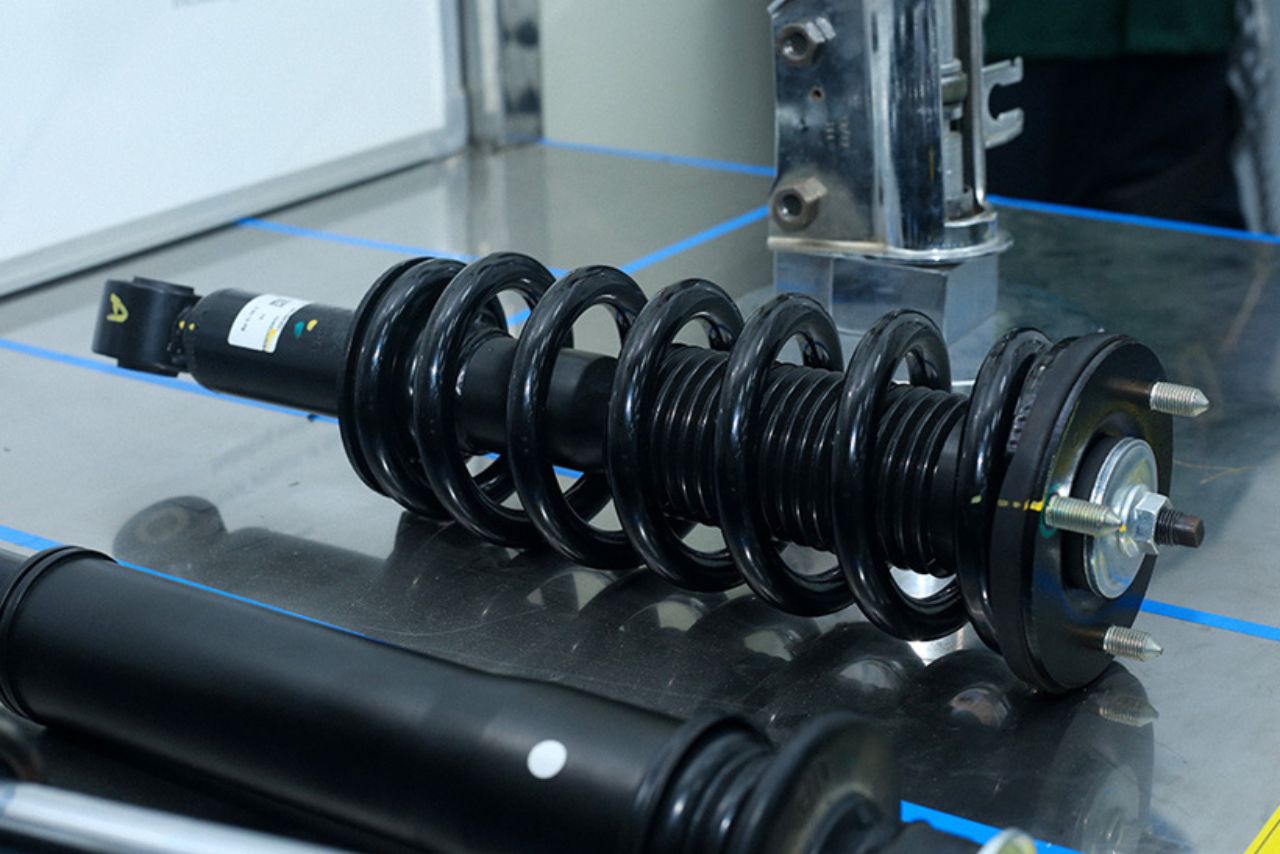
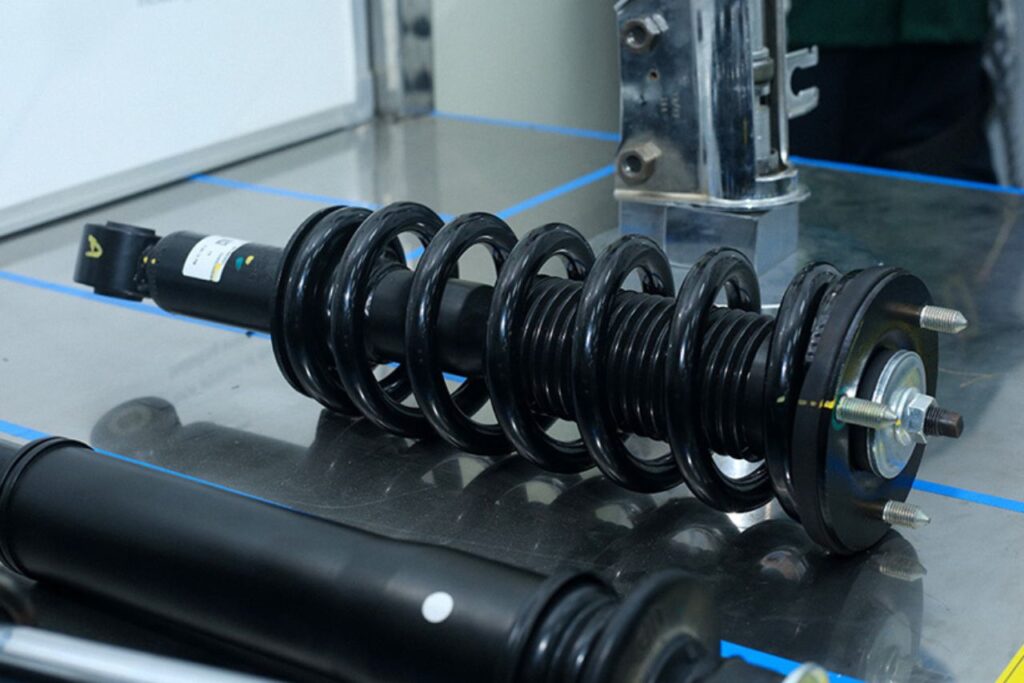
One of the most important highlights during the quarter was the deployment of the DaVinci DCx Suspension System from Tenneco on a flagship SUV platform by a premier Indian OEM.
It has been referred to as “world-first technology”, offering a “performance and value combination” wherein “near semi-active suspension behaviour is achieved without requiring electronics or software”, using an entirely mechanical system aimed at optimising ride quality.
In terms of its business prospects, the project is anticipated to earn about Rs 2,200 million annually. The beauty of this invention lies in the fact that it is an affordable yet high-end product and hence scalable across various segments of vehicles, particularly SUVs and mid-premium cars.
Large Addressable Market from Upgrade Opportunity
One of the most exciting parts of the Tenneco growth story is the huge potential that exists within the suspension market. According to the management, more than 90 per cent of passenger cars in India have been using conventional dampers.
There is an immense possibility to upgrade, especially as auto companies prioritise ride quality improvement. DaVinci DCx technology is considered a “middle ground” product that provides major improvements without significantly raising costs, thus making it highly appealing. As the trend of premiumisation persists, this evolution will undoubtedly contribute to volume and content per unit growth.
Advanced Ride Technologies Leading Growth
Premiumisation effects can be seen on the segment performance as well. The ART segment showed good growth rates, reaching an increase of 24.5% compared to last year, while the Clean Air and Powertrain segment achieved an increase of only 5.4%.
It demonstrates that the demand for modern suspensions is rising faster than traditional ones, caused by the growing popularity of SUV cars and luxury cars. It also makes use of the fact that Tenneco is leading in shock absorbers with a market share of 52%.
Content Per Vehicle and Margin Expansion
Not only does premiumisation aid volume growth, but it also leads to higher content per car, which can be considered one of the key ways to grow revenues and margins. According to Tenneco, increased customer requirements regarding ride comfort, safety, and reduced emissions add up to programme complexity and content.
That is clearly seen in both segments: suspension and Clean Air. The introduction of advanced technologies such as DCx into the suspension segment boosts revenues per car, whereas emission regulations make the Clean Air segment increasingly sophisticated.
Tenneco’s EBITDA margin stands at 18.6%, while having improved by 400 basis points in the past three years. This proves that premiumisation contributes significantly to both revenue and margin growth.
Order Book Strength and Growth Visibility
Tenneco’s robust order book gives additional support for the sustainability of its growth. It stated that its growth is 100% visible up to the year FY2028, owing to the diversified order book. Exports now constitute more than 20% of its order book, compared to the mere 5% previously. This reflects the increasing competitive position of the company.
Its robust order book allows for double-digit CAGR growth within the next three years, which would be considerably higher compared to the previous growth rate. Growth has been evenly spread among its different business segments, namely Clean Air, Powertrain, and Advanced Ride Technologies.
Capacity Expansion and Strategic Investments
Tenneco is building its capacity to sustain growth going forward. For instance, the company has sanctioned a greenfield facility at Kharkhoda, Haryana, with a capital expenditure of Rs 710 million, anticipated to be operational by Q3 FY27.
The capacity building is intended to enhance customer proximity and drive new programme wins in passenger cars, off-highway, and tractors.
Given that Tenneco’s capacity utilisation rate currently stands above 90%, this move is essential to satisfy rising demands, especially in high-growth categories such as premiumisation.
Exports and Global Competitiveness Amplifying Premium Growth
Apart from premiumisation at home, Tenneco is also seeing benefits of increased export prospects that increasingly involve premium components. Exports account for more than 20% of the backlog, compared to about 5% previously, driven by high global demand for sophisticated products.
Lower tariffs, especially in the US (from around 50% to 18%) and EU (from 3–8% to zero), have made Tenneco much more competitive.
As global OEMs seek better quality, premium components, India’s cost leadership, in addition to its engineering strength, will allow Tenneco to benefit from a bigger share of global premium platforms.
Cost Leadership and Operating Discipline Supporting Margins
Whereas premiumisation ensures revenues grow, the capability of Tenneco to translate this into profits depends on its cost-consciousness culture. The company emphasised its cost optimisation culture with more than 200,000 cost-saving ideas executed in the past three years.
This approach has led to a margin of 400 basis points rise in EBITDA margins from FY23 to FY25, along with consistent margins of 18.6% in Q3 FY26.
Moreover, India’s unique factor of having low-cost but highly skilled manpower increases competitive advantages, ensuring that Tenneco can maintain margins even while manufacturing premium and tech-orientated products.
Conclusion: Premiumisation as a Structural Growth Driver
Tenneco’s performance is definitely an example of the advantages of the current transition into SUVs and luxury cars in India. With increasing emphasis by OEMs on ride performance and engineering prowess, there is a greater requirement for expensive parts.
The use of technology and the development of products such as DaVinci DCx are helping in cashing in on this trend. Additionally, clear visibility in terms of orders, increasing export orders, and increased capacity are good for the future growth.
Disclaimer: The views and investment tips expressed by investment experts/broking houses/rating agencies on tradebrains.in are their own, and not that of the website or its management. Investing in equities poses a risk of financial losses. Investors must therefore exercise due caution while investing or trading in stocks. Trade Brains Technologies Private Limited or the author are not liable for any losses caused as a result of the decision based on this article. Please consult your investment advisor before investing.
The post Tenneco Clean Air Share: How Premium SUVs and High-End Cars Are Driving Its Growth appeared first on Trade Brains.
What's Your Reaction?