




























































Trump’s 10% Credit Card Interest Cap: Will It Trigger an Economic Recession in the U.S.?
Synopsis: Trump’s proposed 10% credit-card interest cap (vs ~22% currently) on $1.23 trillion U.S. credit card debt may ease borrower costs but risks tighter lending, lower bank profits, and slower consumer spending that drives ~70% of GDP. Credit cards have become a core pillar of the modern U.S. economy, shaping how households spend, save, and […] The post Trump’s 10% Credit Card Interest Cap: Will It Trigger an Economic Recession in the U.S.? appeared first on Trade Brains.

Synopsis: Trump’s proposed 10% credit-card interest cap (vs ~22% currently) on $1.23 trillion U.S. credit card debt may ease borrower costs but risks tighter lending, lower bank profits, and slower consumer spending that drives ~70% of GDP.
Credit cards have become a core pillar of the modern U.S. economy, shaping how households spend, save, and manage short-term financial needs. For millions of Americans, they are not just a payment tool but a bridge between income cycles, helping smooth expenses during emergencies, periods of inflation, or temporary cash shortages.
From daily essentials to large discretionary purchases, credit cards quietly power a significant share of consumer activity. Any change affecting how credit cards function, whether in pricing, access, or regulation can have consequences that extend well beyond individual borrowers, influencing consumer confidence, business revenues, and overall economic momentum.
What Trump Has Announced?
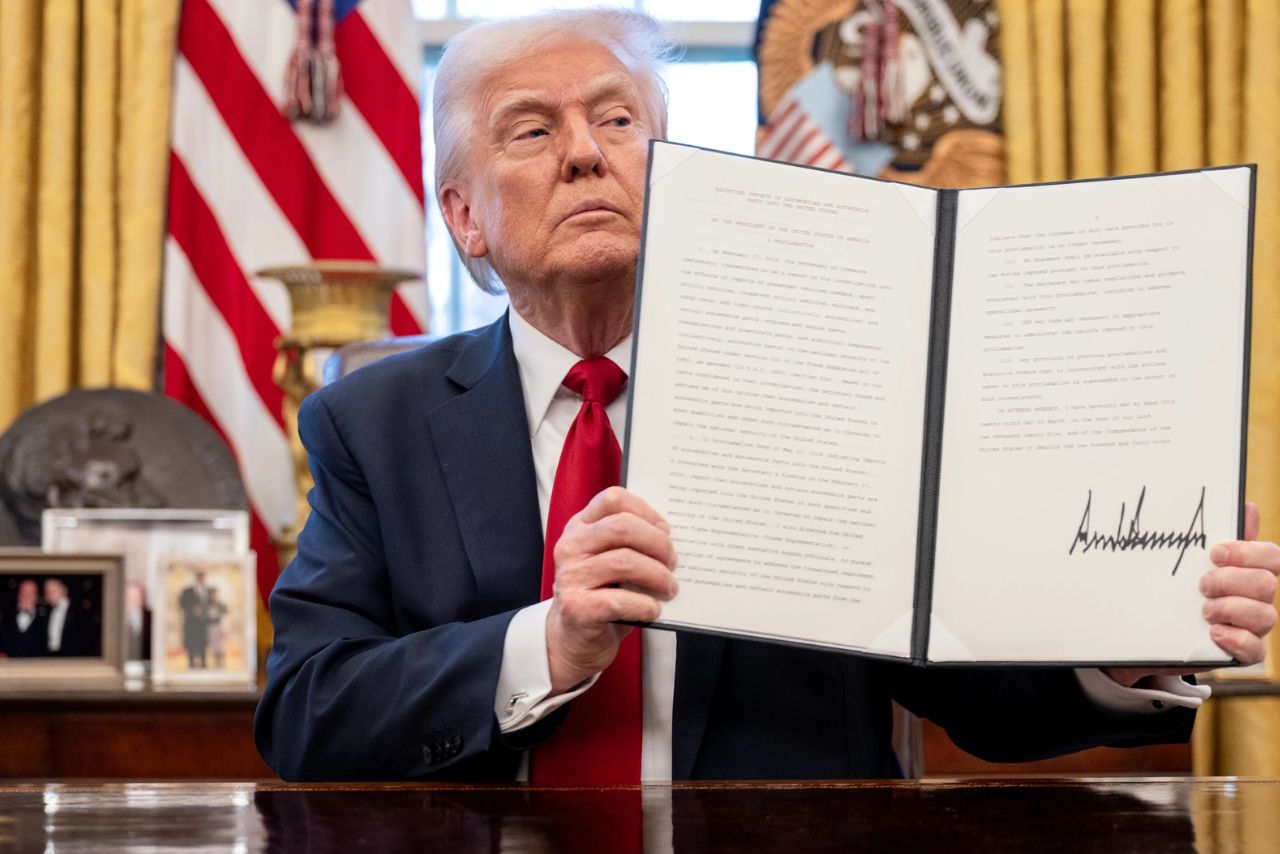
In January 2026, US President Donald Trump proposed a one-year cap on credit card interest rates at 10 percent, calling current rates harmful to middle-class Americans. As per Federal Reserve data, the average interest rate on credit cards was 22.3 percent as of November, 2025. Trump argued that a temporary cap would provide immediate financial relief and help households cope with high inflation and borrowing costs.
However, the announcement is currently only a proposal and not a law. Any binding interest-rate cap would require approval from the US Congress, as private lenders cannot be forced to reduce rates through an executive announcement alone. This uncertainty has already created anxiety among banks and financial institutions, which warn that such a cap could significantly disrupt the credit card business model.
Current U.S Credit Scenario
US credit card debt has reached historic levels. As of late 2025, total outstanding credit card balances stood at approximately $1.23 trillion, according to data from the Federal Reserve and the New York Fed. This surge has been driven by persistent inflation, higher living costs, and increased reliance on credit for everyday expenses such as groceries, fuel, and rent.
At the same time, interest rates on credit cards are near record highs. The average credit card APR in the US is close to 20–21 percent. Households collectively paid more than $160 billion in interest charges in 2024. This makes credit cards one of the most profitable lending products for banks, but also one of the most expensive forms of borrowing for consumers.
Market Reaction
After President Trump announced a possible 10 percent cap on credit card interest rates, shares of major credit card companies and banks fell sharply, showing investor worry about lower profits. Markets reacted quickly because credit cards are one of the most profitable businesses for these companies.
Over the next few days, American Express shares fell 6.56 percent, Visa dropped 6.36 percent, and Mastercard declined 5.73 percent, as investors feared that lower interest rates would hurt earnings from card spending and lending. Large banks were also hit, with Bank of America falling 6.96 percent, Citigroup Inc dropped by 6.79 percent and JPMorgan Chase & Co down 6.78 percent, reflecting concerns about reduced income from credit card loans. Morgan Stanley shares declined 2.87 percent, while Goldman Sachs only fell by 0.32 percent.
Impact on Lenders
A 10 percent interest cap would sharply reduce lenders income from credit cards. Credit card businesses are structured around pricing risk, as banks charge higher interest to compensate for defaults, operational costs, and rewards programs. Slashing interest rates by nearly half would make it difficult for lenders to sustain profitability, especially on customers with weaker credit profiles.
As a result, banks may be forced to cut back on customer incentives such as cashback, reward points, airline miles, and promotional offers. Annual fees could rise, and free benefits that currently attract consumers may gradually disappear. Some lenders may even exit the credit card market or scale down operations.
Impact on Borrowers
For existing cardholders carrying balances, a 10 percent cap would clearly reduce monthly interest payments. As per CBS report, A borrower with a $5,000 balance could see interest costs drop by nearly half from $100 a month to $42 a month, offering meaningful relief and potentially helping households pay down debt faster. In the short term, this could improve household cash flow and reduce financial stress.
However, the benefits may not be evenly distributed. Banks are likely to tighten lending standards to protect margins, focusing primarily on high-income and low-risk customers. Low-income individuals, first-time borrowers, and those with weaker credit scores may find it much harder to obtain credit cards. This could push financially vulnerable consumers toward unregulated or high-cost alternatives, worsening financial exclusion rather than improving it.
Impact on the U.S. Economy
Credit cards play a critical role in the US economy, accounting for an estimated 30–40 percent of total consumer spending. If access to credit cards becomes restricted, overall consumer spending could slow sharply. Since consumer spending makes up nearly 70 percent of US GDP, even a modest contraction could have a meaningful impact on economic growth.
Additionally, reduced profitability in the credit card industry could lead to job cuts across banks, payment processors, customer service centers, and fintech partners. Layoffs would increase unemployment, further weakening consumer demand. If falling spending and rising job losses reinforce each other, the economy could face a broader slowdown, raising concerns about recessionary pressures rather than economic relief.
While Trump’s proposed 10 percent credit card interest cap aims to protect consumers from high borrowing costs, its broader economic consequences could be complex and far-reaching. Lower interest rates would benefit existing borrowers, but lenders may respond by restricting access to credit, cutting rewards, and reducing employment. Given the central role of credit cards in consumer spending, these shifts could slow economic activity and potentially increase recession risks. The final impact will depend on whether the proposal becomes law and how banks and consumers adjust to a fundamentally altered credit market.
Disclaimer: The views and investment tips expressed by investment experts/broking houses/rating agencies on tradebrains.in are their own, and not that of the website or its management. Investing in equities poses a risk of financial losses. Investors must therefore exercise due caution while investing or trading in stocks. Trade Brains Technologies Private Limited or the author are not liable for any losses caused as a result of the decision based on this article. Please consult your investment advisor before investing.
The post Trump’s 10% Credit Card Interest Cap: Will It Trigger an Economic Recession in the U.S.? appeared first on Trade Brains.
What's Your Reaction?