






































.png)


Why Ashok Leyland Is BNP Paribas’ Top Auto Pick Ahead of Budget 2026
Synopsis: Ashok Leyland remains the top pick in India’s CV industry as it believes that with the government’s continued push in the infrastructure sector, this industry is in a better position to pass on the increased costs to its end customers, which doesn’t significantly affect its margins. BNP Paribas thinks investors should pay more attention […] The post Why Ashok Leyland Is BNP Paribas’ Top Auto Pick Ahead of Budget 2026 appeared first on Trade Brains.

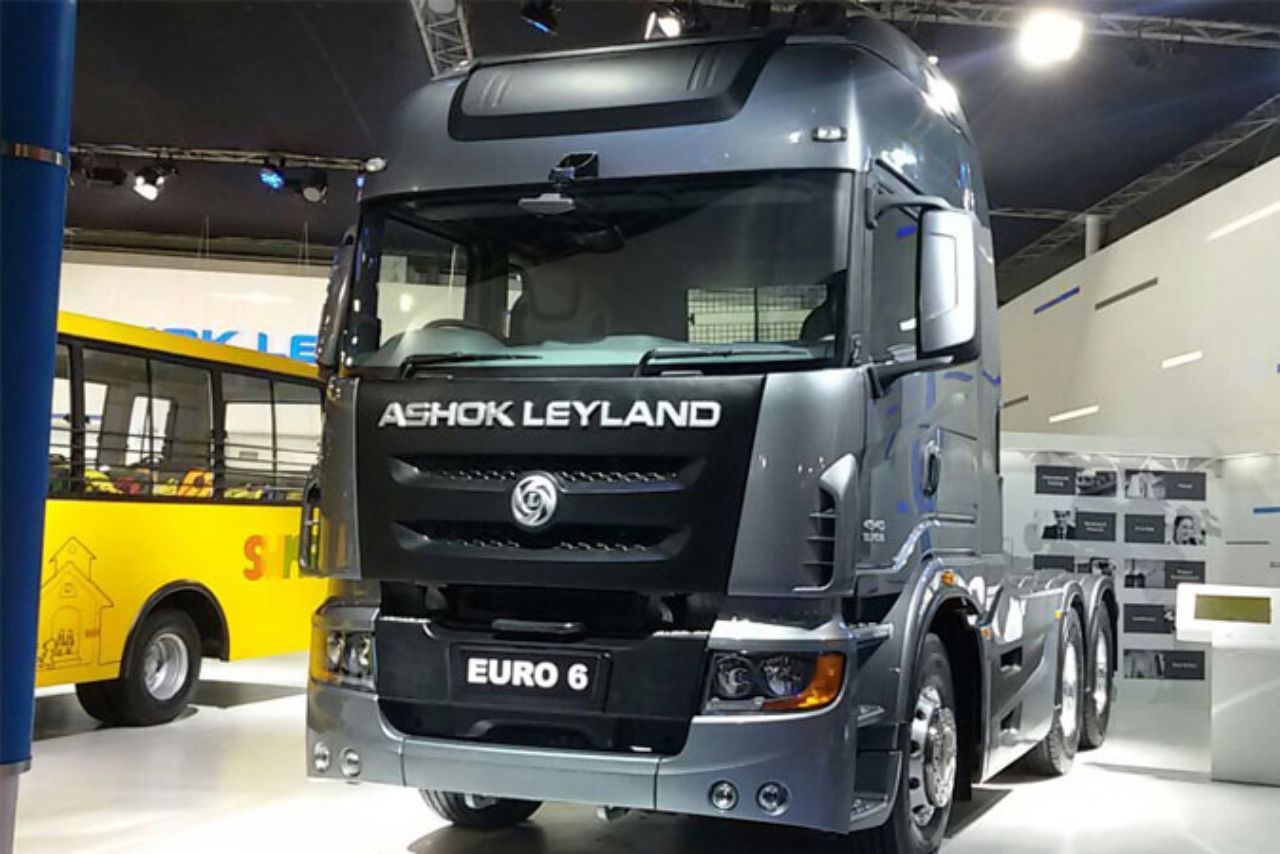
Synopsis: Ashok Leyland remains the top pick in India’s CV industry as it believes that with the government’s continued push in the infrastructure sector, this industry is in a better position to pass on the increased costs to its end customers, which doesn’t significantly affect its margins.
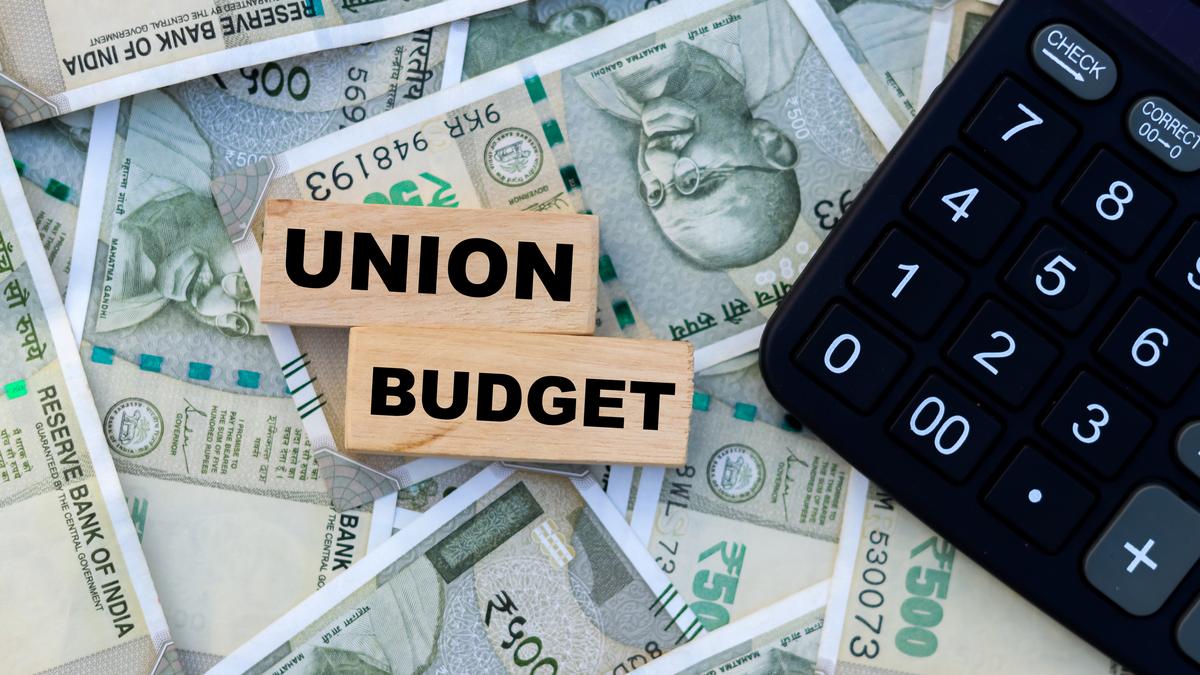
BNP Paribas thinks investors should pay more attention to Budget 2026 instead of worrying about recent trade deal headlines. Kumar Rakesh, an Indian Auto and IT Analyst at BNP Paribas, points out that government infrastructure spending and policy support for electric vehicles (EVs) are the main factors driving auto stocks. These aspects are expected to significantly affect demand, particularly in the commercial vehicle (CV) segment.
Infrastructure spending is crucial for CV manufacturers since trucks and buses are directly connected to construction, roads, and logistics activities. When the government increases its infrastructure spending, the demand for transport vehicles typically goes up. BNP Paribas believes the CV industry is entering an upcycle, which means better demand, higher volumes, and more visible earnings over the next few years.
BNP Paribas’ top pick
In this sector, BNP Paribas has chosen Ashok Leyland as its top pick. One reason is that CV manufacturers tend to manage rising raw material costs better when demand is strong. While higher commodity prices might pressure margins across the auto sector, Ashok Leyland is expected to maintain its profitability during this cycle. The brokerage also anticipates margin growth and a revaluation as the CV cycle improves.
BNP Paribas also discussed concerns about the India-EU Free Trade Agreement (FTA), which recently led to volatility in auto stocks. The firm believes these worries are exaggerated. Most cars sold in India are assembled locally using CKD (completely knocked-down) units rather than fully imported vehicles. Even if import duties decrease, the effect on mass-market Indian automakers is likely to be minimal. The deal may mainly enhance profitability for European luxury brands instead of sparking price wars.
Regarding auto component makers, BNP Paribas is taking a more cautious stance. The firm does not expect a significant rise in exports since Indian suppliers already have a cost advantage and many have factories in Europe. Overall, BNP Paribas sees growth driven by the Budget and a strengthening CV cycle as the main reasons Ashok Leyland stands out among auto stocks at this time.
Financials
Ashok Leyland Ltd has reported an operating revenue of Rs 12,577 crore in Q2 FY26, representing a 13 percent growth compared to Rs 11,148 crore in Q2 FY25. Additionally, on a quarter-on-quarter basis, it grew by 7.4 percent from Rs 11,709 crore.
Regarding its profitability, the company reported a net profit of Rs 820 crore in Q2 FY26, representing a 7 percent growth compared to Rs 767 crore in Q2 FY25. Additionally, on a quarter-on-quarter basis, it grew significantly by 25 percent from Rs 658 crore.
Ashok Leyland posted a strong second quarter, benefiting from a robust commercial vehicle market. The domestic medium and heavy commercial vehicle (MHCV) industry expanded by 4 percent this quarter, while the light commercial vehicle (LCV) segment (2–4 tons) saw a 13 percent increase. Momentum improved further in October as MHCV volumes rose 7 percent year-on-year, and LCVs increased 15 percent.
During Q2, Ashok Leyland sold 21,647 MHCV trucks and 4,660 buses in India. This boosted their H1 domestic MHCV market share to 31 percent, up 50 basis points from the previous year. The company also strengthened its position in the LCV segment, selling 17,697 units in Q2 and raising its H1 market share to 13.2 percent.
On the other hand, export volumes jumped 45 percent year-on-year in Q2, driven by strong demand in the GCC, Africa, and SAARC regions. Their aftermarket, power solutions, and defense businesses delivered growth of 11 percent, 14 percent, and 25 percent respectively.
Despite industry-wide cost challenges, Ashok Leyland maintained material costs at 71.2 percent of revenue, supported by effective cost management and improved pricing. Additionally, the company also forayed into the battery manufacturing business during the second quarter.
In short, Ashok Leyland’s recent performance and its solid position in the CV market lead BNP Paribas to keep it as the preferred pick in the segment, while stating to keep an eye on the upcoming budget that is scheduled to commence on 1st February, 2026
Disclaimer: The views and investment tips expressed by investment experts/broking houses/rating agencies on tradebrains.in are their own, and not that of the website or its management. Investing in equities poses a risk of financial losses. Investors must therefore exercise due caution while investing or trading in stocks. Trade Brains Technologies Private Limited or the author are not liable for any losses caused as a result of the decision based on this article. Please consult your investment advisor before investing.
The post Why Ashok Leyland Is BNP Paribas’ Top Auto Pick Ahead of Budget 2026 appeared first on Trade Brains.
What's Your Reaction?