



















































Yes Bank share sale 2022: SEBI accuses PWC and EY executives in insider trading case
Synopsis: SEBI has accused senior executives from EY and PwC of insider trading in Yes Bank’s 2022 stake sale and Carlyle and Advent in sharing sensitive information, alleging misuse of confidential information, illegal profits, and serious compliance failures. In a rare and significant regulatory move, SEBI has taken action against top officials of global consulting […] The post Yes Bank share sale 2022: SEBI accuses PWC and EY executives in insider trading case appeared first on Trade Brains.

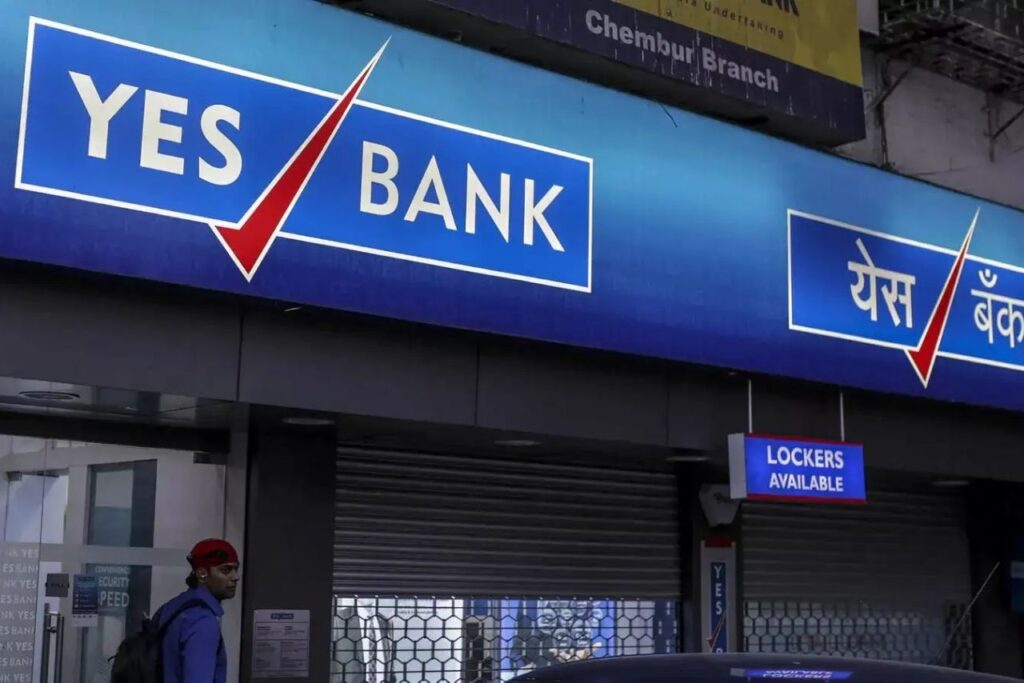
Synopsis: SEBI has accused senior executives from EY and PwC of insider trading in Yes Bank’s 2022 stake sale and Carlyle and Advent in sharing sensitive information, alleging misuse of confidential information, illegal profits, and serious compliance failures.
In a rare and significant regulatory move, SEBI has taken action against top officials of global consulting and private equity firms for alleged insider trading in a high-profile Yes Bank transaction. The case highlights growing scrutiny on professional intermediaries and raises serious concerns around corporate governance, confidentiality controls, and the handling of sensitive deal-related information in India’s capital markets.
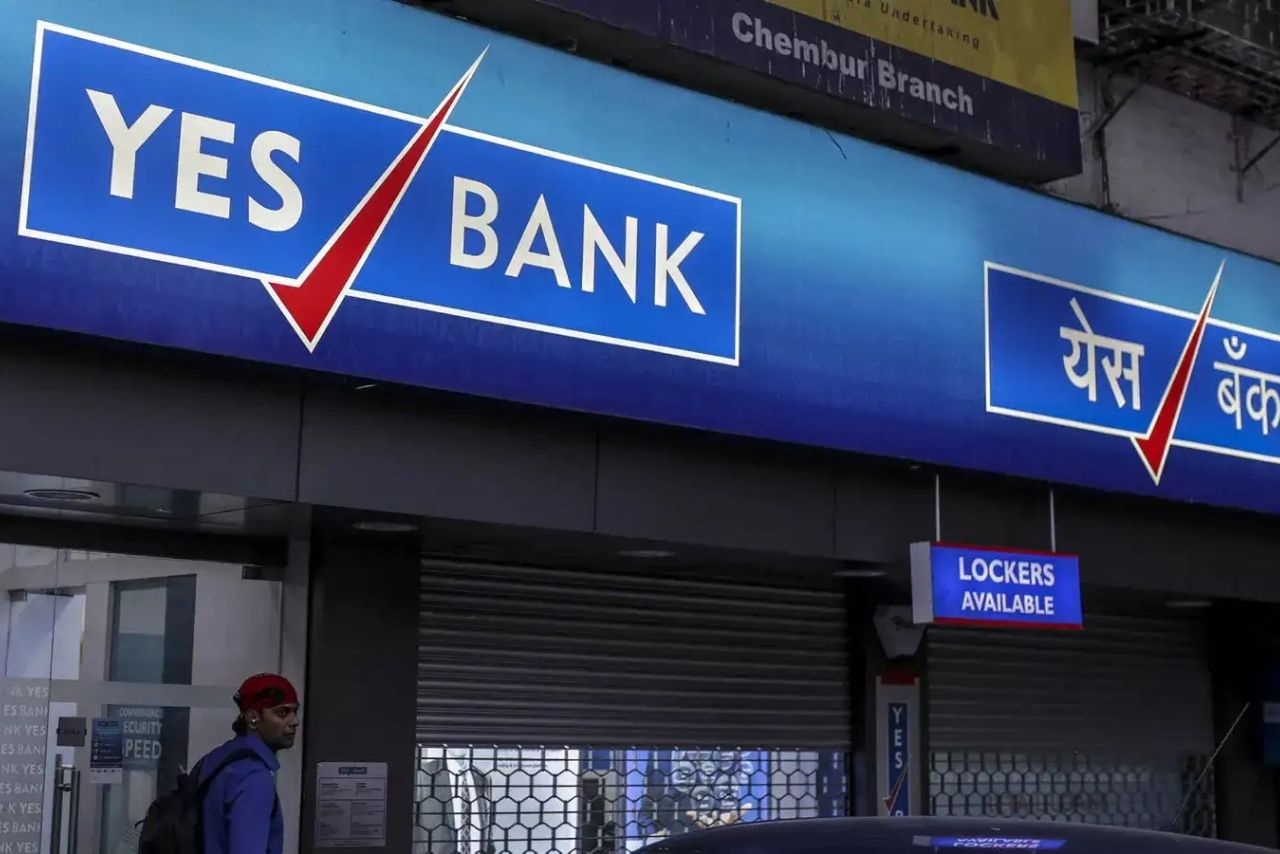
With the market cap of Rs 65,833 crore, the shares of Yes Bank Ltd fell more than 3% and are trading at their day low price of Rs 20.88 and at a PE of 20.7, whereas their industry PE is at 15.5.
India Regulator Flags Insider Trading in Yes Bank Deal
According to a notice from the regulator that has been analysed by an international wire service known as Reuters, India’s capital markets regulator has reportedly accused several top officers of accounting firms like PwC and EY, as well as some private equity executives from firms like The Carlyle Group and Advent International, of having violated the local insider trading regime with regard to a share sale completed by Yes Bank in 2022.
The transaction in question took place in July 2022, where Carlyle and Advent acquired a combined 10% stake in Yes Bank in exchange for a consideration of $1.1 billion. Yes Bank’s shares opened nearly 6% higher on July 29, 2022, after which SEBI began investigating unusual trading patterns in this matter.
Allegations Against Executives and Firms
According to SEBI’s notice documenting these practices, executives from Carlyle and Advent shared information that enabled certain individuals from PWC and EY to trade in Yes Bank shares before their formal announcement to everyone. A total of 19 individuals have been identified and charged by SEBI, out of which seven are said to have made investments based on ‘privileged’ information and four have shared it.
The invocation of the notice also claims the two executives of PwC and EY, as well as five family members and friends, illegally profited by trading in Yes Bank stocks. There was also an allegation of a former Yes Bank director passing on information to make gains from the upcoming share offering.
A majority of the alleged individuals are still serving their organisations. They, along with their firms, are currently working on giving a response to the “Show Cause” notice from the capital market regulator, an initial step after the conclusion of a regulatory probe into a suspected case of corporate fraud.
Noncompliance Issues at EY, PwC
SEBI has also pointed out serious compliance issues with EY and PwC. EY had already been retained by Advent to provide tax advisory services before this deal. On top of that, it had also been engaged by Yes Bank to do valuation work. Similarly, PwC had already been retained by Carlyle and Advent to do tax planning and due diligence.
Further, the SEBI report states that both management teams flouted confidentiality constraints to allow access to sensitive information and facilitate advance trading of shares in the capital raise process. SEBI’s findings also suggest EY failed to put Yes Bank on a sufficiently expanded ‘restricted list’, which meant a number of employees who might have accessed UPSI (Unpublished Price Sensitive Information) were not barred from trading.
SEBI has put out a letter to EY India Chairman and CEO Rajiv Memani and the firm’s chief operating officer, asking them to justify why fines should not be levied against them, noting that EY’s internal policy was not compliant with regulations. In the case of PwC, the firm failed to have a list for restricted stocks for advisory and consulting clients, and such a move was seen as a serious corporate governance failure.
Nevertheless, the action represents a rare instance of regulatory action against senior officials of global consulting and private equity companies operating in India. The case is also being argued against the backdrop of SEBI’s clampdown on market manipulation and insider trading, especially given the boost to fundraising activities in Indian securities as a whole.
Disclaimer: The views and investment tips expressed by investment experts/broking houses/rating agencies on tradebrains.in are their own, and not that of the website or its management. Investing in equities poses a risk of financial losses. Investors must therefore exercise due caution while investing or trading in stocks. Trade Brains Technologies Private Limited or the author are not liable for any losses caused as a result of the decision based on this article. Please consult your investment advisor before investing.
The post Yes Bank share sale 2022: SEBI accuses PWC and EY executives in insider trading case appeared first on Trade Brains.
What's Your Reaction?