














































2 PSU Stocks to Benefit After India’s New Oil Policy Changes
Synopsis: India has sharply reduced royalty rates on crude oil and gas production, lowering costs for upstream energy companies and improving project economics for future exploration. The reform triggered a sharp rally in ONGC and Oil India shares as investors began pricing in stronger earnings visibility and lower regulatory risk. India’s oil and gas sector […] The post 2 PSU Stocks to Benefit After India’s New Oil Policy Changes appeared first on Trade Brains.

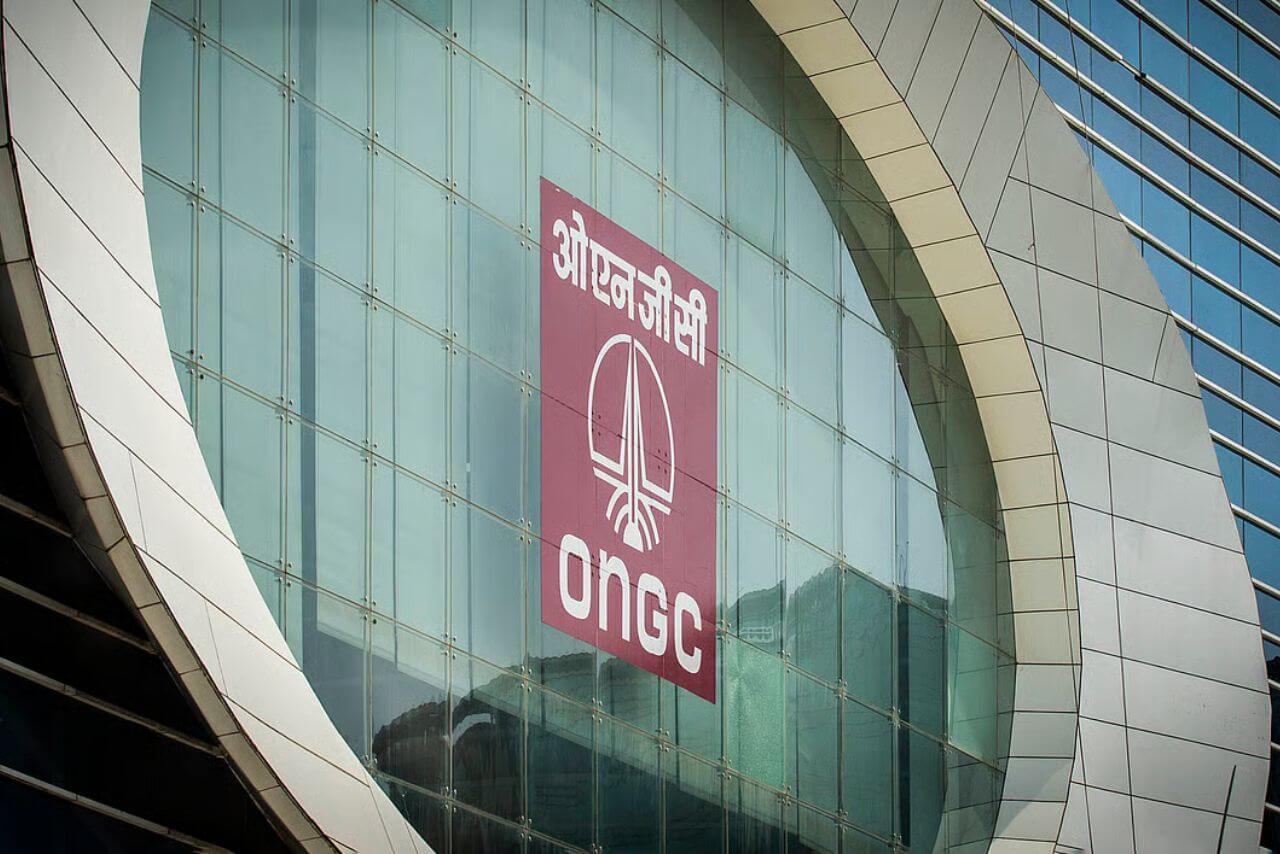
Synopsis: India has sharply reduced royalty rates on crude oil and gas production, lowering costs for upstream energy companies and improving project economics for future exploration. The reform triggered a sharp rally in ONGC and Oil India shares as investors began pricing in stronger earnings visibility and lower regulatory risk.
India’s oil and gas sector may have just received one of its biggest policy tailwinds in years. The government has reduced royalty rates on crude oil and natural gas production across multiple categories, including a major concession for deep-water exploration projects. The move immediately improves profitability for domestic upstream companies because royalty payments directly reduce the revenue retained from every barrel of oil and every unit of gas produced.
The market reaction was swift. Shares of Oil and Natural Gas Corporation and Oil India Limited surged over 6.60% and 8.60%, respectively, after the announcement, as investors reassessed earnings potential and long-term exploration economics.
What Exactly Changed
The government reduced onshore crude oil royalty from 16.66% to 10%, while offshore crude royalty was lowered from 9.09% to 8%. Natural gas royalty was also cut from 10% to 8%.
The biggest incentive, however, came for deep-water and ultra-deep-water projects. Under the revised framework, royalty for deep-water projects has been reduced from 5% to 0% for the first 7 years of commercial production, after which it will increase to 5% from the 8th year onwards. Similarly, ultra-deep-water projects will also attract 0% royalty for the initial 7 years before gradually moving to 2% thereafter.
The reform is strategically important because India has long struggled to attract sufficient investment into technically difficult offshore exploration despite having significant untapped reserves.
Why The Market Reacted So Strongly
For upstream producers, royalty is a direct cost linked to production revenue. Lower royalty, therefore, means higher retained earnings without requiring any increase in production volumes.
That makes the impact immediate. ONGC, which contributes the majority of India’s domestic crude production, becomes the clearest beneficiary because even small changes in royalty rates translate into large earnings improvements across existing production assets. Oil India also benefits significantly as lower royalty improves the economics of ongoing production expansion and future drilling activity.
The CLSA’s Upgrade
CLSA said the royalty cuts could materially improve earnings for upstream oil producers. For ONGC, the brokerage estimates the blended royalty reduction could improve crude realisations by $2.4–3 per barrel, potentially adding ₹2.5–3 to EPS and increasing fair value by ₹20–24 per share. For Oil India, where production is entirely onshore, the impact could be even larger, with realisations rising by $5.3–6.7 per barrel and fair value increasing by ₹42–51 per share.
The brokerage also highlighted the broader policy signal behind the move. Despite elevated crude prices and fiscal pressures, the government chose to reduce its take instead of imposing additional burdens on producers, signalling a stronger push toward encouraging domestic exploration and production. CLSA maintained its “High Conviction Outperform” rating on ONGC and sees potential upside of nearly 43% along with a dividend yield of around 7% at $80/barrel crude prices.
Market Takeaway
The royalty reform signals a much larger policy shift beyond just lower costs for oil producers. For years, upstream companies traded at discounted valuations because investors feared windfall taxes, regulatory intervention, and policy unpredictability whenever crude prices surged. The latest move changes that perception by directly improving producer profitability and incentivising domestic exploration instead of increasing the government’s share during high oil-price cycles.
The sharp rally in upstream stocks reflects this structural re-rating. Lower royalties improve earnings visibility, strengthen deep-water project economics, and support India’s broader goal of reducing energy import dependence through higher domestic production.
Disclaimer: The views and investment tips expressed by investment experts/broking houses/rating agencies on tradebrains.in are their own, and not that of the website or its management. Investing in equities poses a risk of financial losses. Investors must therefore exercise due caution while investing or trading in stocks. Trade Brains Technologies Private Limited or the author are not liable for any losses caused as a result of the decision based on this article. Please consult your investment advisor before investing.
The post 2 PSU Stocks to Benefit After India’s New Oil Policy Changes appeared first on Trade Brains.
What's Your Reaction?