












































4 Stocks Riding India’s Premiumization Wave as Consumers Upgrade Their Lifestyle
Synopsis: Four publicly listed Indian companies across jewelry and lifestyle, paints and home décor, ceramics, luxury hospitality and branded electricals, are quietly reaping the rewards of the same underlying shift. Indian consumers are spending more, expecting more and increasingly choosing quality over price in every category they touch. Urban India has been experiencing a subtle […] The post 4 Stocks Riding India’s Premiumization Wave as Consumers Upgrade Their Lifestyle appeared first on Trade Brains.


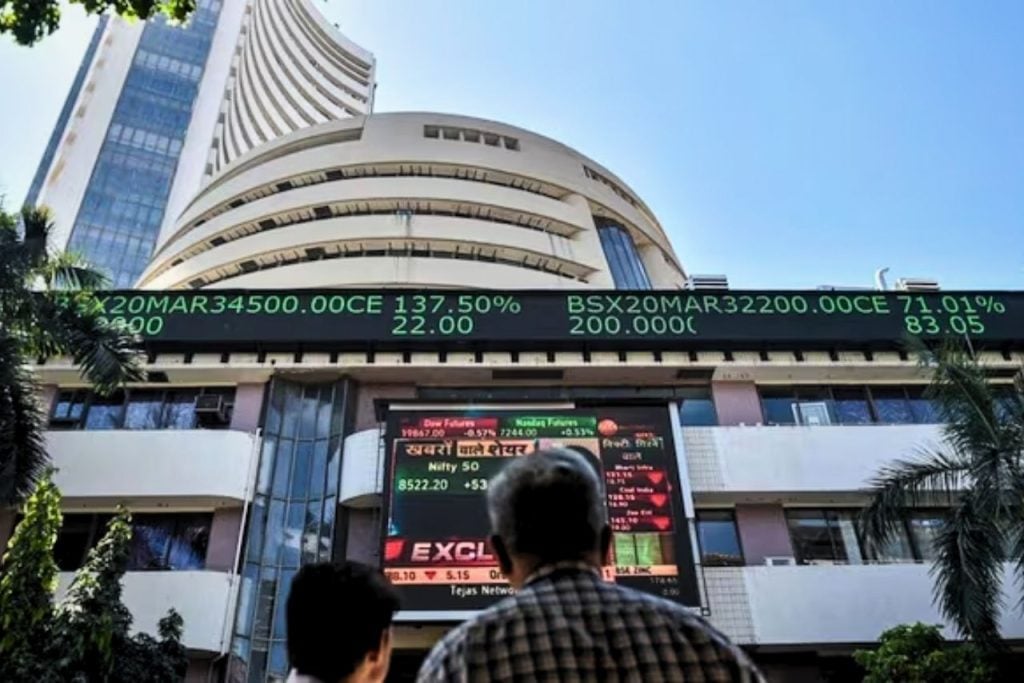
Synopsis: Four publicly listed Indian companies across jewelry and lifestyle, paints and home décor, ceramics, luxury hospitality and branded electricals, are quietly reaping the rewards of the same underlying shift. Indian consumers are spending more, expecting more and increasingly choosing quality over price in every category they touch.
Urban India has been experiencing a subtle change in how it shops and spends. Ten years ago, the big consumer question was often just: buy or not buy. Today, the question for an increasing number of people is not whether to buy a version, but which version to buy, and the answer is a better version.
The premiumization trend is not a niche phenomenon, restricted to the top of the income pyramid. It is running through the middle class as rising incomes, aspirational values and brand awareness drive consumers to upgrade choices in categories they interact with every day. The companies that spent years building premium brands and distribution networks are now reaping the benefits of that investment.
1. Titan Company
Titan Company is India’s most recognizable lifestyle brand, built over four decades into a business that spans jewellery under the Tanishq name, watches through Titan and Fastrack, and eyewear through Titan Eye Plus. What makes Titan’s position particularly durable is that all three of its core categories jewellery, watches, and eyewear, are undergoing simultaneous premiumization.
Consumers who might once have bought unbranded gold from a local jeweller are now walking into Tanishq stores, drawn by certified purity, design, and the trust that comes with a nationally recognized name. In a market historically dominated by family jewellers, that shift in consumer behaviour represents a structural and multi-decade opportunity.
Titan’s premiumization story is also about category shifts. Each segment’s consumers are upgrading, buying heavier jewellery and Swiss-movement watches, and opting for premium eyewear frames over basic alternatives. Titan’s investments in store experience, design capability and brand marketing position it to capture both the first-time branded buyer and the repeat customer who is looking for something better than what they bought last time.
2. Stanley Lifestyles
If premiumization has a category where the upgrade is most visible the moment you walk into someone’s home, it is furniture, and Stanley Lifestyles has built its entire business around exactly that shift.
Positioned across the super-premium, luxury and ultra-luxury segments, the company designs, manufactures and retails furniture through its own stores rather than relying purely on third-party channels, giving it control over quality and the customer experience from the workshop to the living room.
The Stanley story mirrors what is happening across Indian housing more broadly. A homeowner who once bought furniture purely on functional grounds is now far more likely to think about craftsmanship, materials and design language, treating their living room or bedroom the same way they think about their wardrobe or their car. Stanley’s tiered retail formats are built to meet this consumer at different points of that journey, from those just stepping into the premium category to clients seeking the most exclusive, fully customised pieces.
What gives Stanley Lifestyles a structural advantage is that it sits at the intersection of two trends working in its favour at once: the broader premiumization of Indian consumption, and the long-term growth of premium and luxury housing as more affluent and aspirational households are built. As more homes move from being purely functional spaces to extensions of personal identity, demand for the kind of considered, well-made furniture Stanley specializes in is likely to keep growing alongside it.
3. Raymond Lifestyle
Raymond Lifestyle carries one of the most recognized names in Indian menswear into the premiumization story, and it does so through a portfolio built specifically around the idea of upgrading what a man wears to work, to weddings and to everything in between.
The company’s stable of brands, Raymond Ready-to-Wear, Park Avenue, ColorPlus and Parx, was constructed over decades to capture the consumer at different points of their style journey, but each brand individually has been pushing upmarket within its own segment.
The shift here is visible in everyday choices that used to be purely functional. A shirt or a pair of trousers was once bought to be replaced when worn out; today, for a growing number of consumers, what they wear has become a statement of taste and identity, and that change in mindset feeds directly into Raymond’s core categories. The company’s heritage in fabric, combined with its Made-to-Measure bespoke tailoring service, gives it a credible claim on the premium end of the market that newer entrants cannot easily replicate.
What strengthens Raymond Lifestyle’s position is its retail reach. A nationwide network of exclusive stores and multi-brand outlets, paired with brand recall built over generations, allows the company to capture the consumer trading up from unbranded or regional options into organized, branded fashion. As Indian wardrobes continue to evolve from purely functional to increasingly aspirational, Raymond Lifestyle’s brands are well placed to keep capturing that shift in spending.
4. Indian Hotels Company
The Indian Hotels Company, which runs the Taj brand along with Vivanta, SeleQtions and Ginger, is at the cross-roads of two powerful trends – the growth of domestic travel and the premiumisation of experiences. Indians are not just travelling more; they are also increasingly choosing to spend more when they do.
It’s the same consumer psychology that is driving premiumization across every other category. The desire to stay at a Taj property, to celebrate a wedding or anniversary with a luxury hospitality experience or to pick an upscale business hotel over a budget one.
What gives Indian Hotels a durable advantage is that luxury hospitality is one of the hardest categories to replicate. A heritage Taj property carries decades of brand equity and architectural irreplaceability that no new entrant can shortcut.
The company’s expansion into new geographies and its calibrated move into the managed hotel model, where it earns fees without heavy capital deployment, has allowed it to grow its premium footprint without proportionately increasing its asset base, creating a business that benefits from both volume growth and rising RevPAR as the hospitality cycle matures.
Conclusion
Premiumization is not a trend that reverses as economic conditions improve. Once a consumer has experienced a better product, a more trusted brand, or a higher-quality service, and found it to be worth the price, that preference tends to be lasting. The companies mentioned here are reaping the benefits of this very phenomenon across categories as diverse as jewellery, paint, tiles, hospitality and home wiring.
Titan Company, Asian Paints, Kajaria Ceramics, Indian Hotels Company, and Polycab India each occupy strong positions in their respective markets, with the brand equity, distribution reach, and product portfolios needed to keep capturing a growing share of India’s premiumizing consumer wallet for years to come.
Disclaimer: The views and investment tips expressed by investment experts/broking houses/rating agencies on tradebrains.in are their own, and not that of the website or its management. Investing in equities poses a risk of financial losses. Investors must therefore exercise due caution while investing or trading in stocks. Trade Brains Technologies Private Limited or the author are not liable for any losses caused as a result of the decision based on this article. Please consult your investment advisor before investing.
The post 4 Stocks Riding India’s Premiumization Wave as Consumers Upgrade Their Lifestyle appeared first on Trade Brains.
What's Your Reaction?