








































₹9,954 Cr Allocation: Top EV Stocks to Benefit From India’s E-Bus and Truck Revolution
Synopsis: India’s EV transition is now moving beyond scooters and passenger vehicles into buses, trucks, charging infrastructure, and commercial fleet financing. With ₹10,900 crore already allocated under PM E-DRIVE, ₹57,613 crore planned under PM-eBus Sewa, and an additional ₹9,954 Crore support package under evaluation for private electric fleets, a full commercial EV ecosystem is beginning […] The post ₹9,954 Cr Allocation: Top EV Stocks to Benefit From India’s E-Bus and Truck Revolution appeared first on Trade Brains.

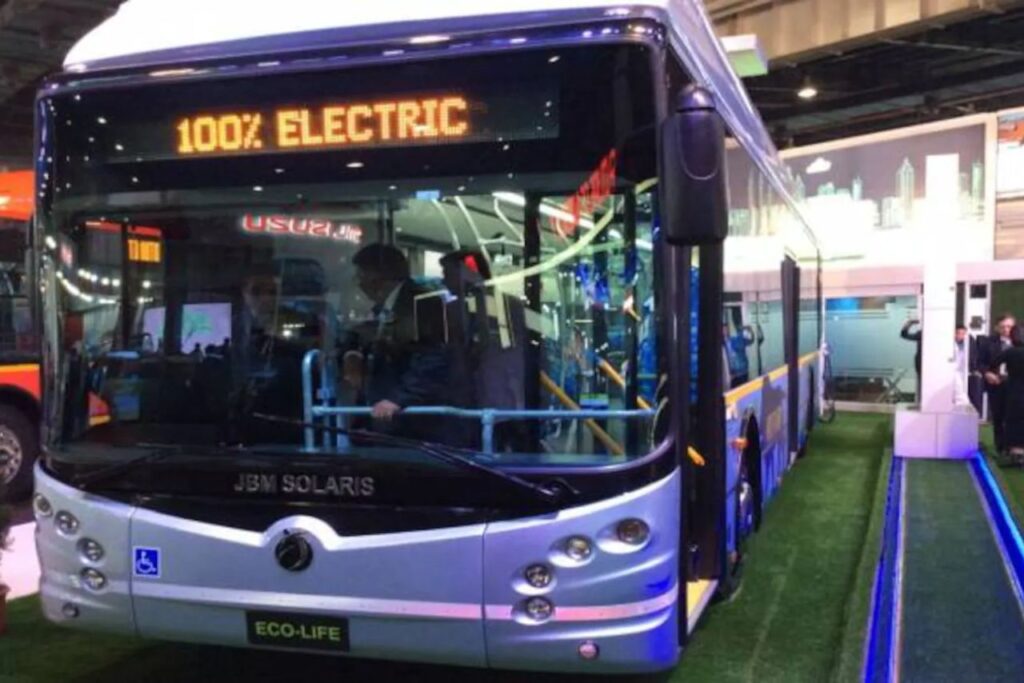
Synopsis: India’s EV transition is now moving beyond scooters and passenger vehicles into buses, trucks, charging infrastructure, and commercial fleet financing. With ₹10,900 crore already allocated under PM E-DRIVE, ₹57,613 crore planned under PM-eBus Sewa, and an additional ₹9,954 Crore support package under evaluation for private electric fleets, a full commercial EV ecosystem is beginning to emerge across manufacturing, power infrastructure, and vehicle financing.
India’s electric vehicle story has largely been dominated by scooters, passenger cars, and startup-led urban mobility narratives over the last few years. But the next phase of the EV transition may actually come from buses and heavy commercial vehicles.
That shift is important because commercial vehicles consume significantly larger quantities of batteries, charging infrastructure, financing capital, and power equipment compared to passenger EVs.
The government now appears to be accelerating that transition aggressively.
Under the PM E-DRIVE scheme, the government has allocated nearly ₹10,900 crore toward electric mobility expansion. Out of this, ₹4,391 crore has been earmarked specifically for 14,028 electric buses across nine major cities, while another ₹500 crore has been allocated for electric trucks.
Separately, the PM-eBus Sewa scheme plans deployment of 10,000 electric buses across 169 cities under a PPP model with a total projected outlay of nearly ₹57,613 crore running until 2037.
Now, an additional trigger is emerging. The government is reportedly evaluating another ₹9,954 crores support package specifically for privately operated electric buses and trucks. That changes the equation significantly because private fleet operators have historically struggled to make electric commercial vehicle economics work without subsidy support.
The Biggest Beneficiaries Could Be Electric Bus Manufacturers
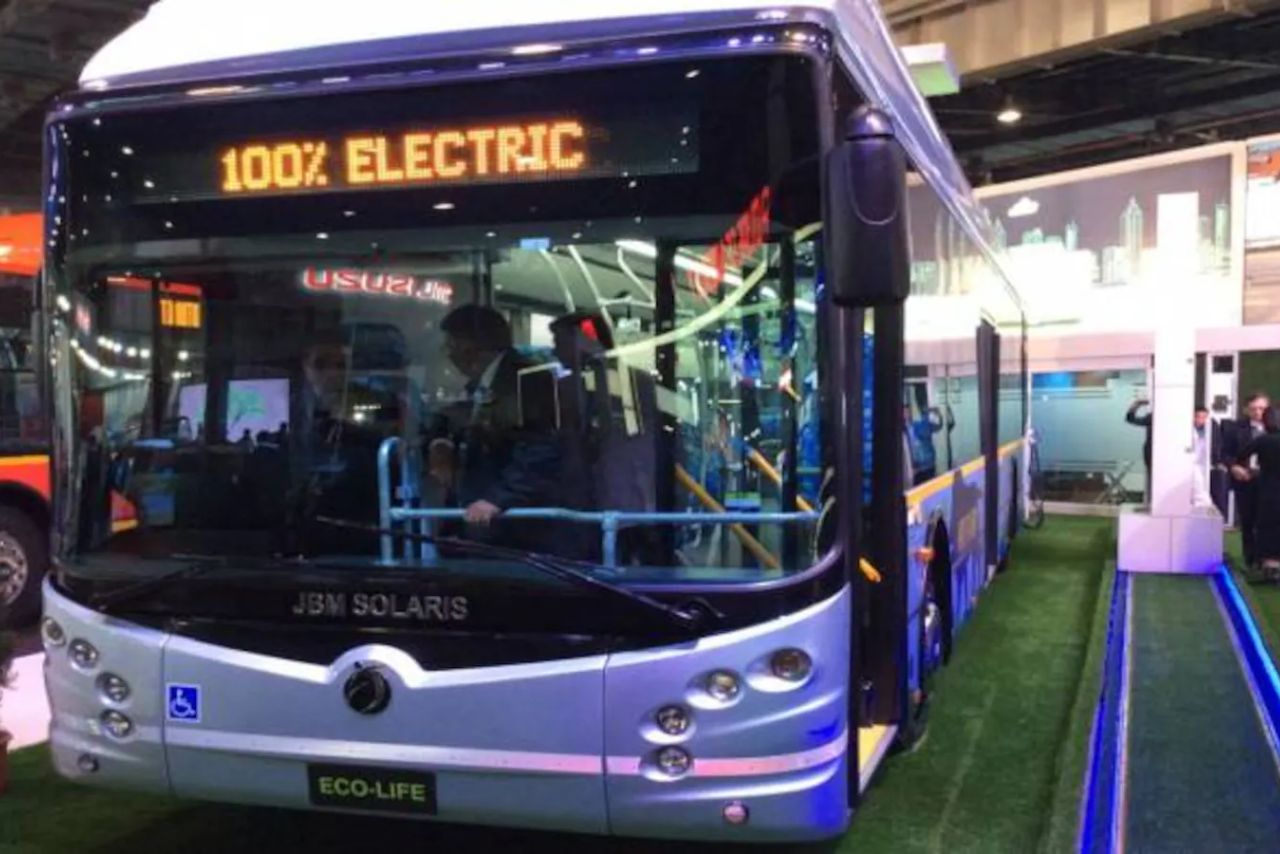
The most direct beneficiaries remain electric commercial vehicle manufacturers. Olectra Greentech remains India’s most visible listed electric bus player and participates in most large government procurement tenders. The company has already emerged as a key supplier across state transport electrification projects and remains one of the strongest pure-play listed electric bus exposure stories in India.
Tata Motors is simultaneously scaling electric commercial vehicles across buses, cargo fleets, and heavy-duty trucks through its commercial vehicle ecosystem. Ashok Leyland is also expanding aggressively through Switch Mobility and its broader electric bus platform.
Alongside these players, Eicher Motors is also emerging as a potential commercial EV beneficiary through its VE Commercial Vehicles joint venture with Volvo Group, which is actively developing electric buses and electric commercial vehicle platforms for India’s growing fleet electrification market.
Unlike passenger EVs, electric buses involve significantly larger order sizes and long-term operating contracts, creating higher visibility revenue streams once procurement cycles accelerate.
The Real Infrastructure Story Is Much Bigger
The second layer of beneficiaries sits within the charging and power infrastructure. The PM E-DRIVE scheme has already allocated ₹2,000 crore specifically for EV charging infrastructure, with Bharat Heavy Electricals Limited appointed as the nodal agency for the unified charging platform. Unlike passenger EVs, electric buses and trucks require heavy-duty transformers, industrial switchgear, high-capacity cabling, and grid-scale fast-charging systems, which also directly benefits companies like Polycab India, KEI Industries, ABB India, and Hitachi Energy India.
The Financing Opportunity May Become Massive
The third layer, and perhaps the least discussed, is financing. Electric buses and trucks remain expensive assets with long operating payback periods. That creates a major opportunity for commercial vehicle financiers. Shriram Finance and Cholamandalam Investment and Finance already dominate commercial vehicle financing across India.
Both companies possess deep relationships with fleet operators, transport businesses, and logistics players. The proposed ₹9,954 crores government support package effectively reduces asset-risk concerns for lenders by improving viability for electric commercial fleets. That improves financing economics substantially. As adoption scales, financing demand itself could become one of the biggest long-duration opportunities inside India’s commercial EV ecosystem.
Why This EV Cycle Looks Different
India’s commercial EV transition now increasingly resembles a full industrial ecosystem cycle rather than a simple automobile trend. The opportunity spans electric vehicle manufacturing, charging infrastructure, power equipment, industrial cables, battery ecosystems, commercial financing, and public transport electrification simultaneously. Unlike passenger EV adoption, which remains partly discretionary, electric buses and trucks are now directly aligned with government transport policy, pollution reduction targets, and long-term infrastructure spending, creating significantly stronger policy visibility for the sector.
Market Takeaway
India’s commercial EV transition is quietly emerging as one of the country’s largest industrial infrastructure opportunities. While Olectra Greentech, Tata Motors, and Ashok Leyland remain the most direct vehicle plays, companies like Polycab India, KEI Industries, ABB India, Hitachi Energy India, Shriram Finance, and Cholamandalam Investment and Finance Company may participate in the same long-term electrification cycle through infrastructure, power, and financing ecosystems.
Disclaimer: The views and investment tips expressed by investment experts/broking houses/rating agencies on tradebrains.in are their own, and not that of the website or its management. Investing in equities poses a risk of financial losses. Investors must therefore exercise due caution while investing or trading in stocks. Trade Brains Technologies Private Limited or the author are not liable for any losses caused as a result of the decision based on this article. Please consult your investment advisor before investing.
The post ₹9,954 Cr Allocation: Top EV Stocks to Benefit From India’s E-Bus and Truck Revolution appeared first on Trade Brains.
What's Your Reaction?