





































.png)


Budget 2026 Reactions: What PM Modi, Market Veterans and Corporate Leaders Are Saying
Synopsis: The Union Budget 2026 received mixed reactions: PM Modi hailed it as a step toward Viksit Bharat, while Rahul Gandhi criticized its blind spots. Corporate leaders praised infrastructure, manufacturing, and MSME support, seeing long-term growth potential. Market experts warned of volatility, highlighting STT hikes and foreign investor caution. Overall, optimism for structural reforms contrasts […] The post Budget 2026 Reactions: What PM Modi, Market Veterans and Corporate Leaders Are Saying appeared first on Trade Brains.



Synopsis: The Union Budget 2026 received mixed reactions: PM Modi hailed it as a step toward Viksit Bharat, while Rahul Gandhi criticized its blind spots. Corporate leaders praised infrastructure, manufacturing, and MSME support, seeing long-term growth potential. Market experts warned of volatility, highlighting STT hikes and foreign investor caution. Overall, optimism for structural reforms contrasts with short-term market concerns.
The Union Budget has once again taken center stage, sparking immediate reactions from Prime Minister Narendra Modi, seasoned market veterans, and leading corporate voices. Their early responses highlight how the Budget is being read in terms of growth priorities, fiscal discipline, and long-term economic vision.
From policy optimism to cautious market realism, these perspectives together offer a quick snapshot of how India’s political leadership and business community view the Budget’s impact on investors, industries, and the broader economy.
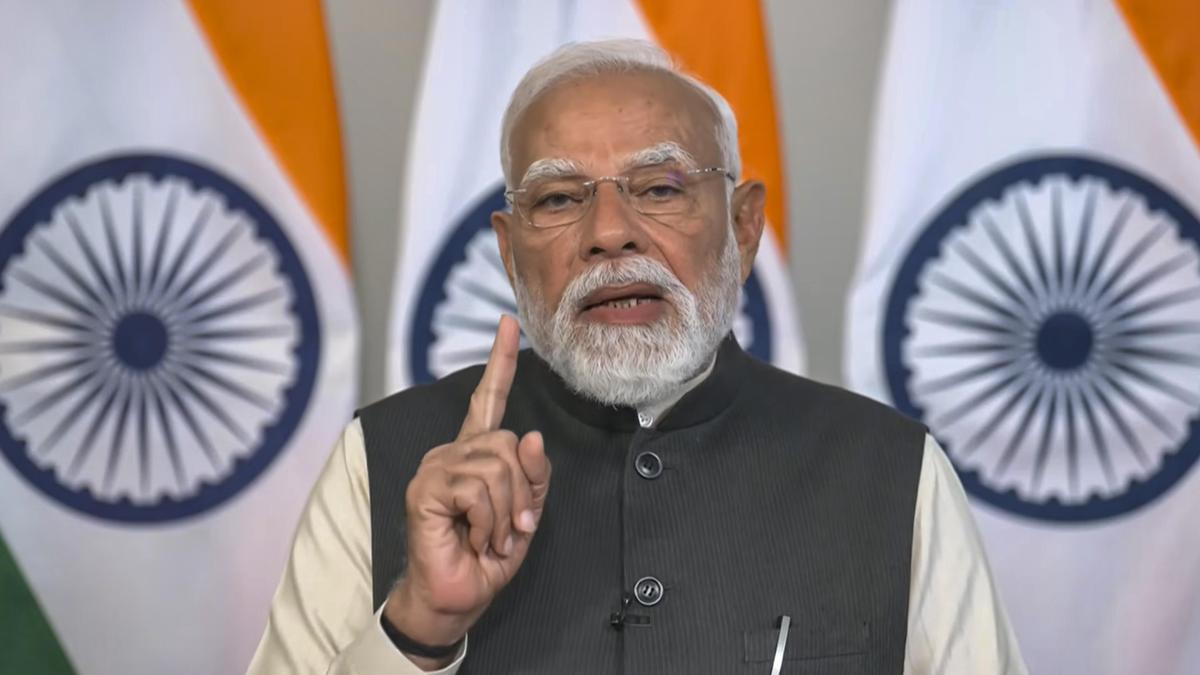
Prime Minister Narendra Modi said that the Union Budget 2026 strengthens the government’s reform journey and reflects the aspirations of 140 crore Indians. This year’s Budget is the foundation for our journey towards Viksit Bharat by 2047.
Indian National Congress (INC)- Rahul Gandhi highlighted the Budget 2026’s blind spots in a post on X, pointing to six key concerns: youth unemployment, weak manufacturing, capital outflows, declining household savings, farm distress, and potential global shocks.
He criticized the Budget for refusing to course-correct and said it remains “blind to India’s real crises,” suggesting that the government has overlooked pressing economic and social challenges.
Mercedes-Benz India MD & CEO Santosh Iyer said the capex push for infrastructure in Budget 2026 will be a key catalyst for the country’s evolving mobility ecosystem.
He noted that better highways and improved intercity connectivity have historically driven demand for luxury cars in India. “The fiscal prudence reflected in the 4.3% deficit target, along with a strong focus on exports, sends a clear signal of macroeconomic stability. This could lead to a less volatile currency,” Iyer said, adding that the Budget also strengthens the ease of doing business.
MK Ventures Founder Madhu Kela said the announcement to hike the Securities Transaction Tax (STT) on Futures and Options was disappointing, but added that the market’s fall cannot be attributed to the Budget alone.
He noted that markets have generally been out of favour for some time. According to Kela, the only major positive takeaway from the Budget was the strong emphasis on long-term employment generation through various schemes, which he sees as a structural positive. However, from a market perspective, he believes the impact of the Budget is likely to fade within 48 hours.
Anish Shah, Group CEO & MD, Mahindra Group, said Budget 2026 provides a strong boost to India’s manufacturing sector and overall economic growth, with a clear emphasis on infrastructure development, self-reliance, and inclusion. The Group noted that the focus is expected to benefit SMEs, small farmers, and multiple sectors across the economy, while reinforcing India’s long-term growth trajectory.
He termed it “an excellent Budget,” stating that sustained economic growth requires manufacturing to take centre stage. He highlighted that the vision of Viksit Bharat envisages manufacturing contributing 25% to the economy, implying a 16-fold growth over the next 22 years.
Shah added that the detailed push for infrastructure and manufacturing would help India become more competitive globally, enable “Make in India for the world,” attract international companies, and support sectors such as hospitality and logistics, calling it a significant boost for the Indian economy.
Abhimanyu Munjal, MD & CEO, Hero FinCorp, welcomed the forward-looking Union Budget, praising its emphasis on self-reliance and sustainable growth. He highlighted the strong focus on domestic manufacturing, infrastructure expansion, improved credit access for MSMEs, and financial services reforms as positive signals for industry confidence and long-term investment.
He noted that the ₹10,000 crore MSME Growth Fund and the ₹2,000 crore top-up for micro enterprises will significantly strengthen the SME ecosystem, a key driver of jobs and entrepreneurship. Reaffirming Hero FinCorp’s commitment, he said the company will continue supporting the Government’s vision by enabling timely and competitive credit flow to MSMEs, contributing to Atmanirbhar Bharat and the goal of Viksit Bharat.
Retailers Association of India CEO Kumar Rajagopalan said the Union Budget is not aimed at boosting consumption in the short term, adding that the impact of key announcements on the retail sector will be gradual and uneven. He noted that while there are no direct consumption-led triggers, the Budget lays the groundwork for long-term structural improvements rather than immediate demand revival.
Rajagopalan said the Budget focuses on shaping the operating environment for retail through measures such as fiscal consolidation, infrastructure investment, MSME enablement, skilling, and regional growth. He added that the sector’s progress would be driven more by improvements in supply chains, workforce readiness, and demand from rural and non-metro markets than by direct policy support.
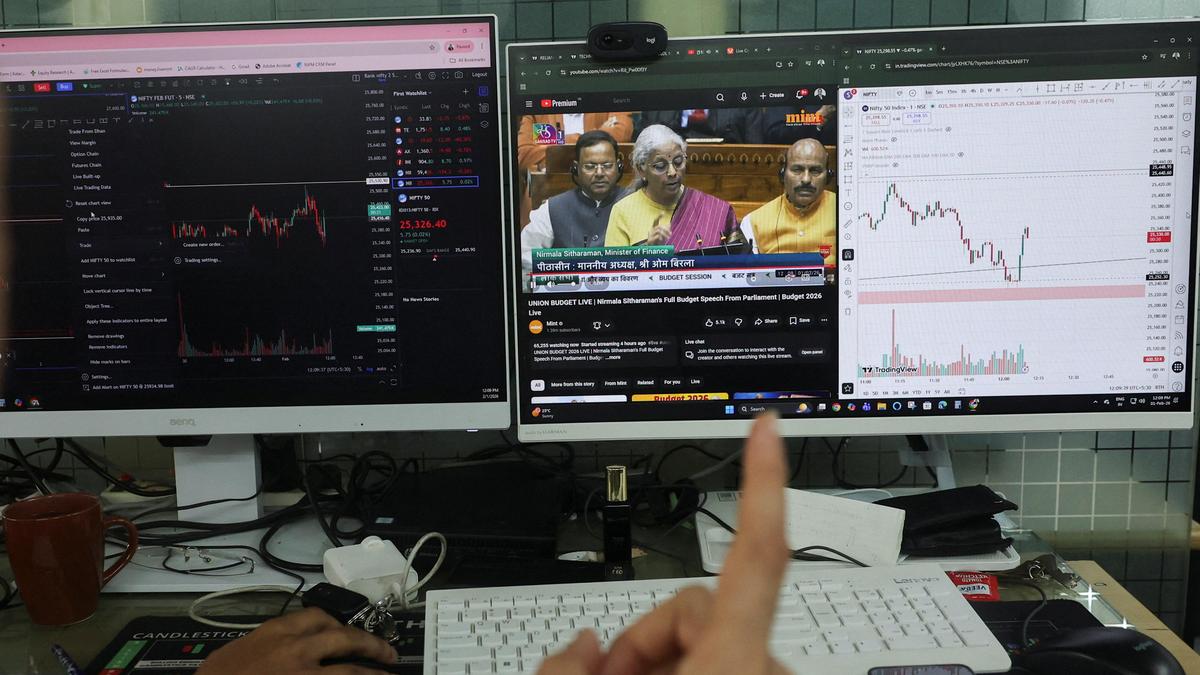
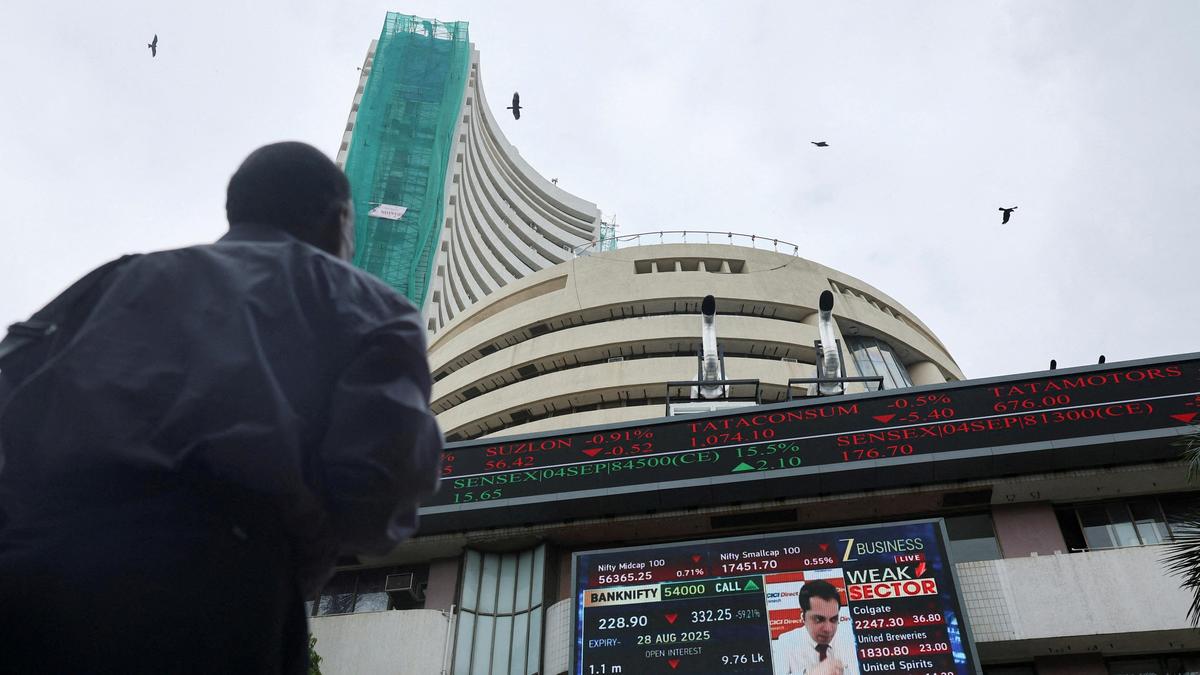
Helios Capital founder Samir Arora warned that markets could fall further after a sharp knee-jerk reaction dragged the Nifty lower by as much as 700 points on Sunday, February 1.
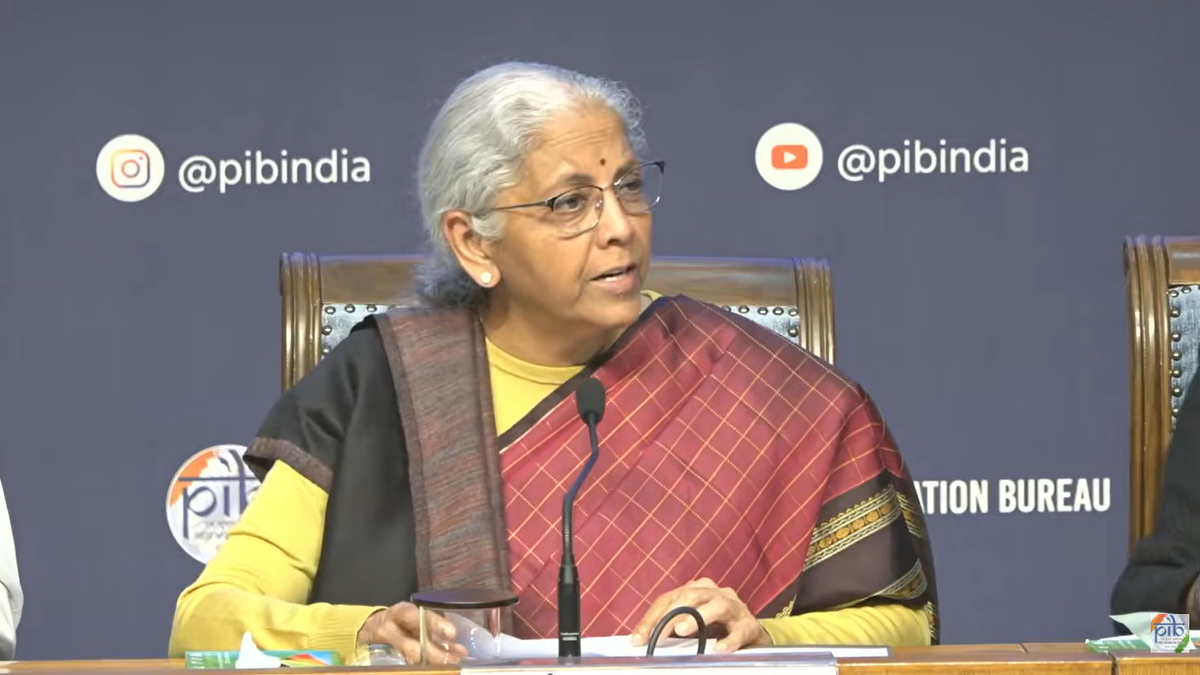
The sell-off followed Finance Minister Nirmala Sitharaman’s announcement of a steep hike in the Securities Transaction Tax (STT) on Futures and Options, which rose by up to 150%.
Arora said the market’s weakness goes beyond the Budget announcement, pointing to India’s significant underperformance versus global markets and waning interest from foreign institutional investors.
“We are underperforming like crazy in the world, and the FIIs are not interested,” he said, adding that the rupee could weaken by another 1% once currency markets reopen. He cautioned that policy moves such as a sharp STT hike do not align with current market realities, especially at a time when India is increasingly being viewed as a weak stock market despite a stronger real economy.
Disclaimer: The views and investment tips expressed by investment experts/broking houses/rating agencies on tradebrains.in are their own, and not that of the website or its management. Investing in equities poses a risk of financial losses. Investors must therefore exercise due caution while investing or trading in stocks. Trade Brains Technologies Private Limited or the author are not liable for any losses caused as a result of the decision based on this article. Please consult your investment advisor before investing.
The post Budget 2026 Reactions: What PM Modi, Market Veterans and Corporate Leaders Are Saying appeared first on Trade Brains.
What's Your Reaction?