














































.png)



Defence, Railways, Solar: Did Budget 2026 live up to market expectations for these sectors?
Synopsis: Union Budget 2026 outlines delivery across solar, defence, and railways, with ₹1,775 crore allocated to solar, defence outlay rising to ₹7.85 lakh crore, and the highest-ever railways capex of ₹2.93 lakh crore. The Union Budget 2026, presented on 1 February 2026 by Finance Minister Nirmala Sitharaman, reaffirmed the government’s focus on growth-oriented reforms, manufacturing […] The post Defence, Railways, Solar: Did Budget 2026 live up to market expectations for these sectors? appeared first on Trade Brains.


Synopsis: Union Budget 2026 outlines delivery across solar, defence, and railways, with ₹1,775 crore allocated to solar, defence outlay rising to ₹7.85 lakh crore, and the highest-ever railways capex of ₹2.93 lakh crore.
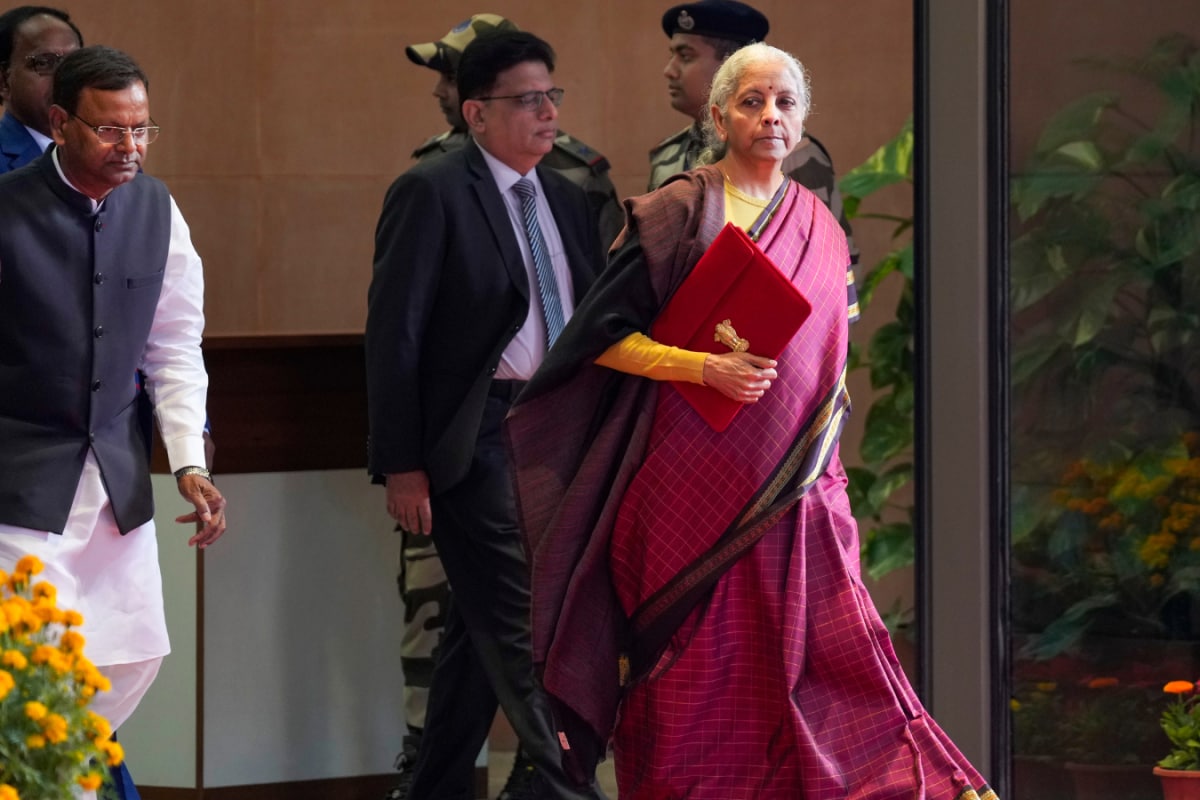
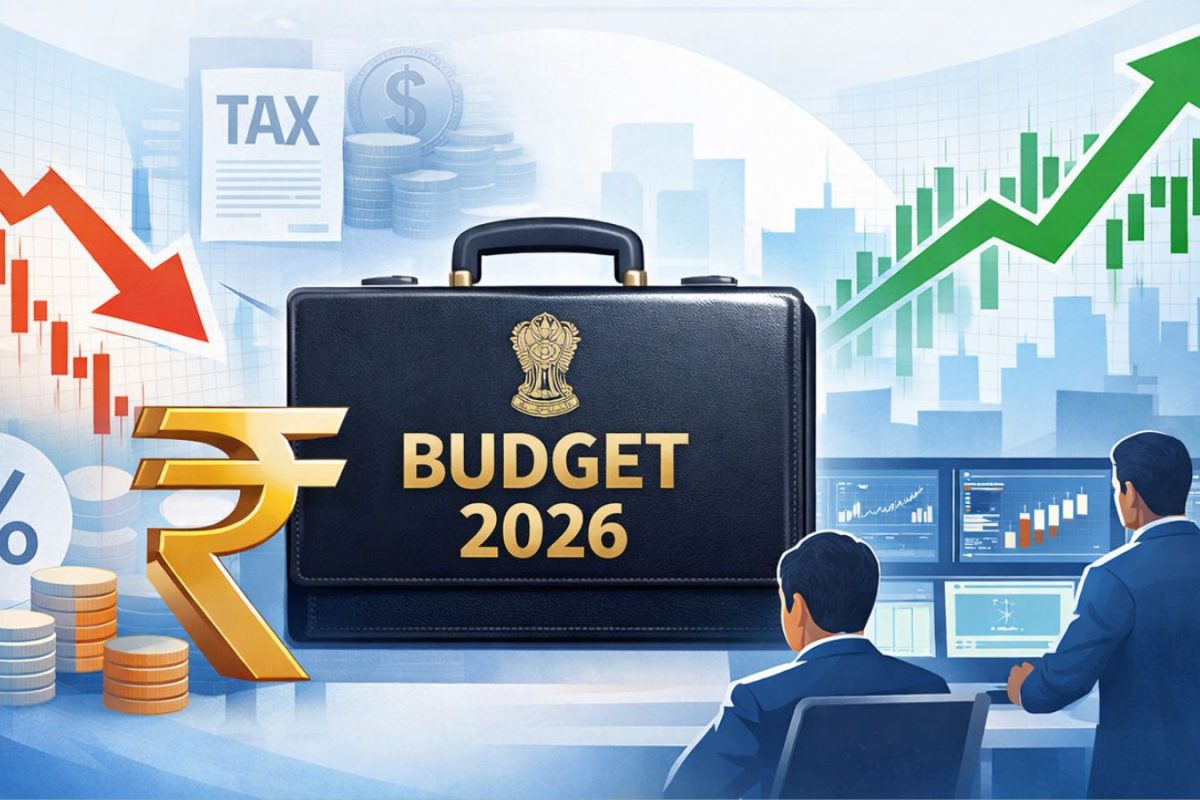
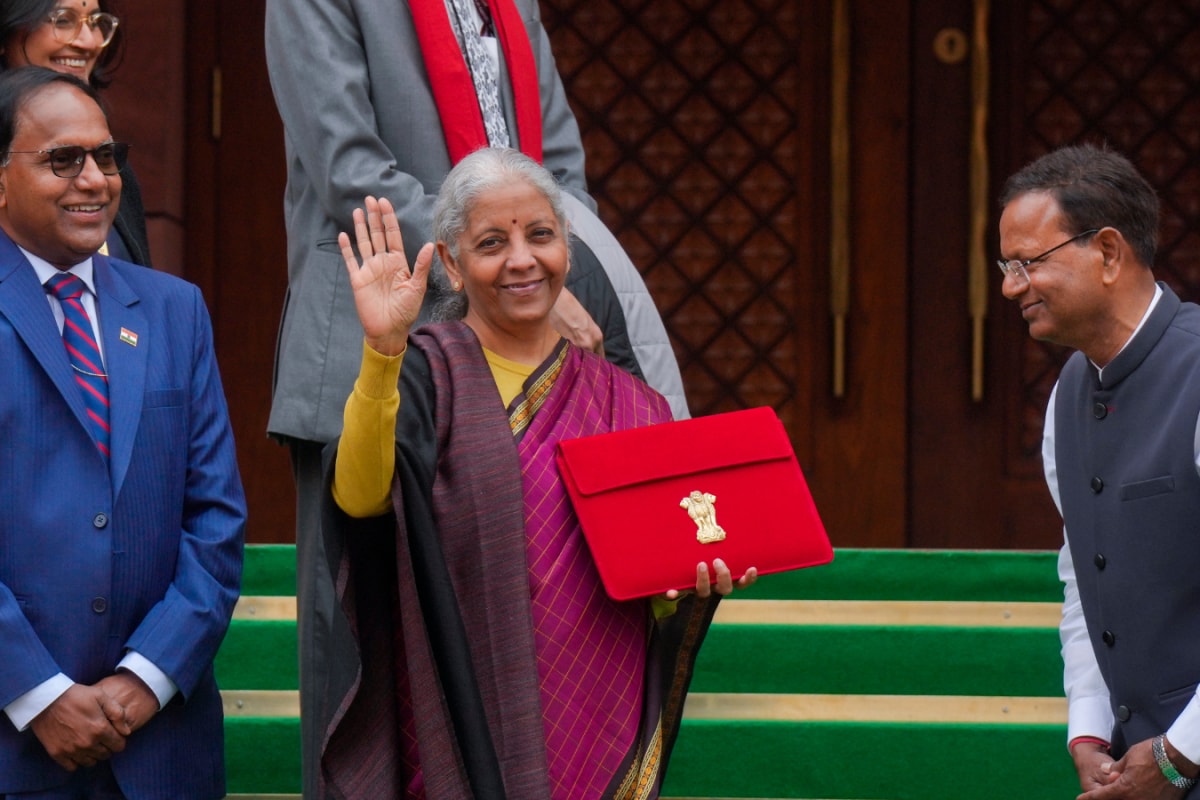
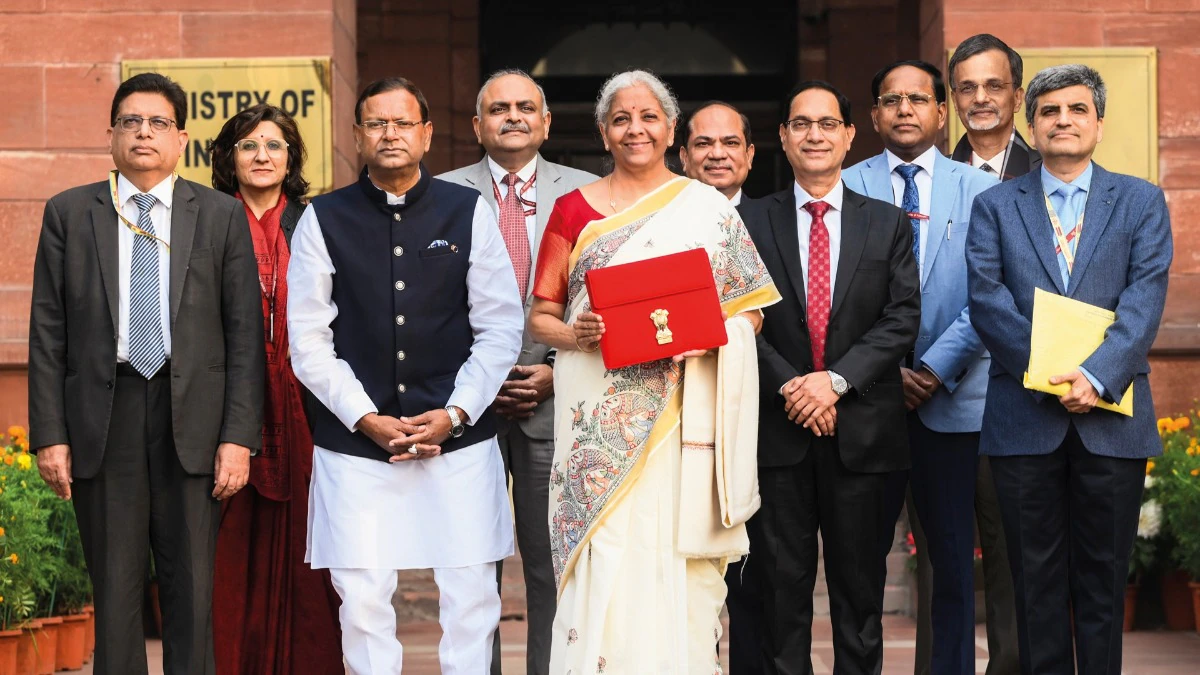
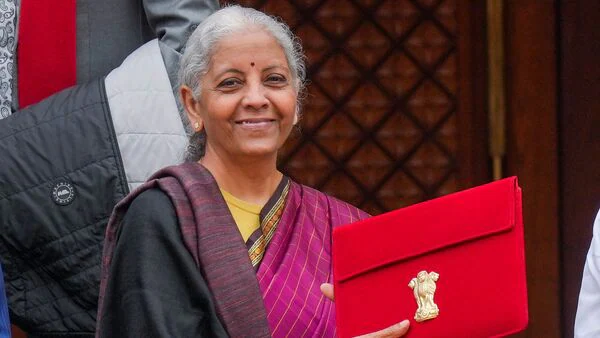
The Union Budget 2026, presented on 1 February 2026 by Finance Minister Nirmala Sitharaman, reaffirmed the government’s focus on growth-oriented reforms, manufacturing strength, export competitiveness, and long-term economic resilience amid global uncertainties. While the budget remained aligned with structural reforms and production-led initiatives, market participants initially reacted cautiously as they assessed the fiscal strategy against near-term economic challenges.
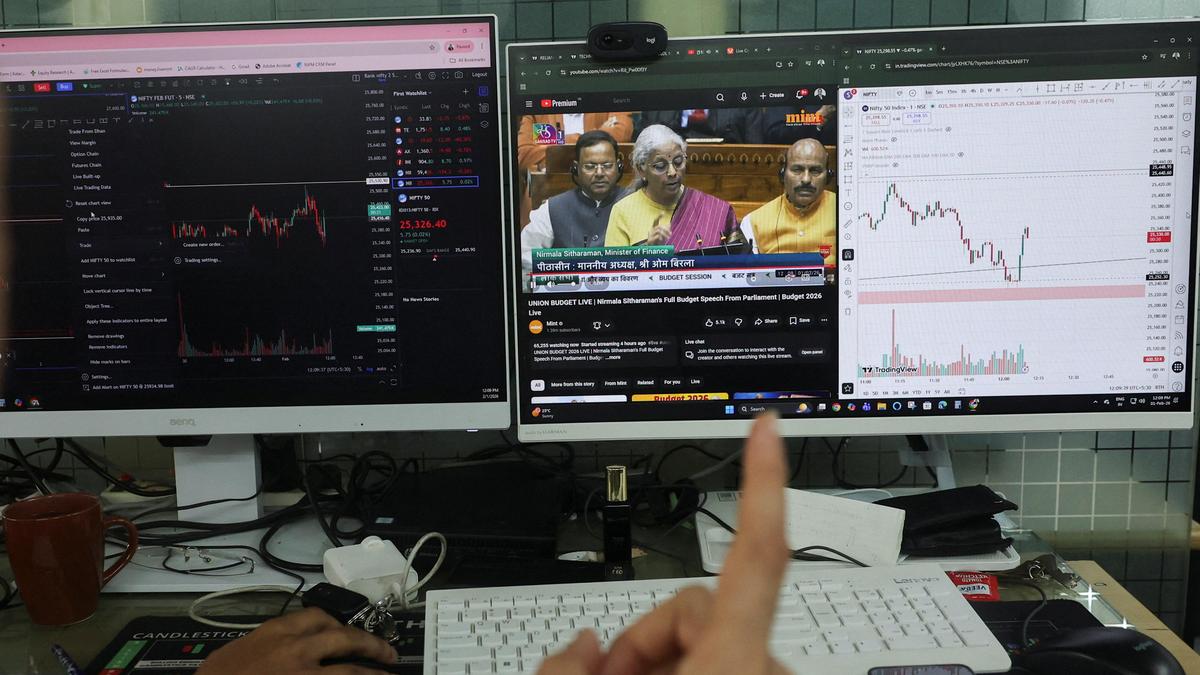
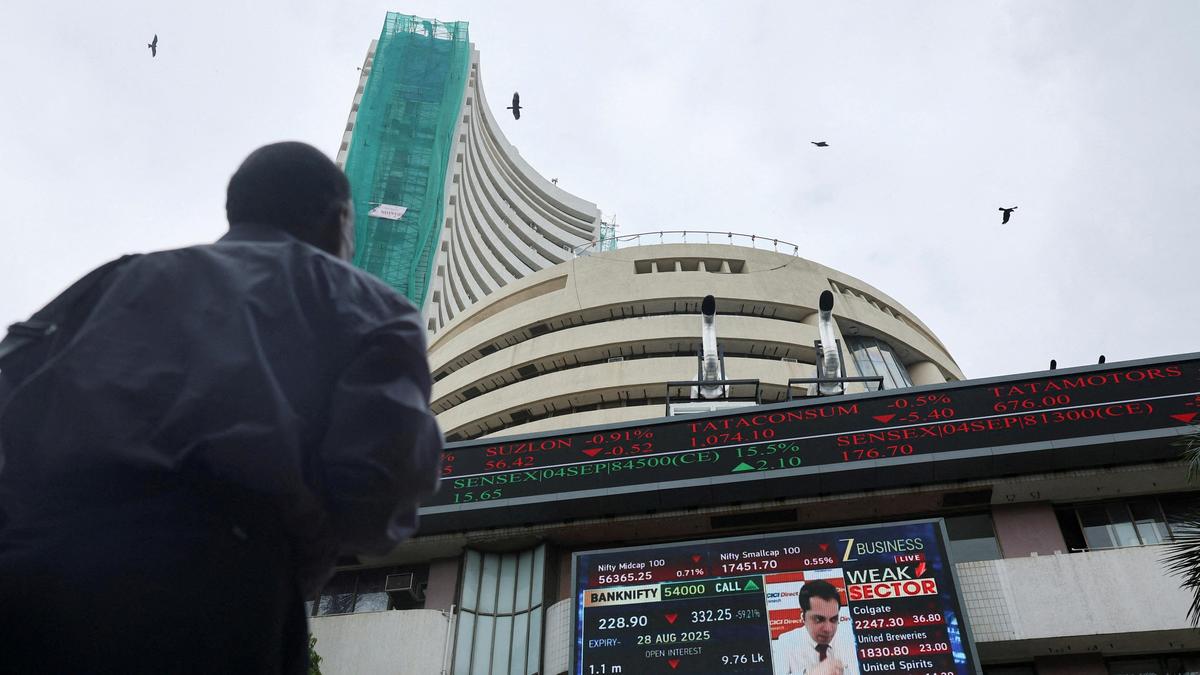
On the fiscal front, the total Union Budget outlay rose from Rs. 50.65 lakh crore in FY26 to Rs. 53.47 lakh crore in FY27, indicating a clear step-up in public spending to support growth and crowd in private investment. Market benchmarks reacted with volatility, with the Nifty opening at 25,333.75 and sliding to an intraday low of 24,571.75 (around 3 percent decline) and closed at 24,825.45. While the Sensex fell from an opening level of 82,388.97 to an intraday low of 79,899.42, also reflecting a near 3 percent drop and closed at 80,722.94.
Solar Industry
Expectations
Ahead of the Union Budget 2026, expectations from the solar energy sector were centered on deeper policy support across the value chain. The industry anticipated an extension of the PLI scheme beyond module manufacturing to cover the entire solar ecosystem and critical grid equipment, aimed at reducing import dependence and strengthening domestic manufacturing. There was also hope for optimisation of flagship schemes such as PM Surya Ghar Muft Bijli Yojana and PM-KUSUM, alongside the introduction of new green financing instruments, including climate-focused funds and sovereign green bonds.
Selective duty hikes on finished solar products, rationalisation of inverted duty structures, and targeted support for allied sectors such as EVs, defence manufacturing, and semiconductors were also expected. From a capacity perspective, while India added 24.5 GW of solar and 3.4 GW of wind capacity in 2024, the sector highlighted that annual renewable additions must rise to 50–60 GW, along with energy storage capacity of at least 20 GWh per year, to meet the 2030 clean energy targets.
Reality
The Union Budget 2026 reinforced the government’s commitment to renewable energy but in a measured manner. An allocation of Rs. 1,775 crore was made to the solar power (grid) segment, an increase from over Rs. 1,500 crore provided in the previous year. On the policy side, the budget announced duty-related measures aligned with clean energy manufacturing, including the extension of basic customs duty exemptions on capital goods used for lithium-ion cell manufacturing and exemptions on imports of sodium anti-monot for solar glass production.
Customs duty relief was also announced for capital goods required to process critical minerals domestically, indirectly supporting the clean energy supply chain. While large-scale PLI expansion across the entire solar value chain was not explicitly announced, the combination of higher allocations and targeted duty relief signaled continued policy backing for domestic solar manufacturing and energy transition goals.
Defence
Expectations
Defence was widely expected to remain a priority sector in Budget 2026, with continued emphasis on indigenisation, higher domestic procurement, and long-term order visibility for private players. Industry participants anticipated stronger budgetary support for R&D, exports, and indigenous manufacturing, along with faster conversion of Defence Acquisition Council (DAC) approvals into firm orders.
Expectations also included support for domestic MRO infrastructure, investments in certification and testing facilities, and sustained capital allocations to drive earnings growth while reducing reliance on imports. The sector had already drawn confidence from an allocation of over Rs. 6.8 lakh crore in FY25–26 and expected a sharper focus on outcomes rather than just announcements.
Reality
The Union Budget 2026 delivered a significant upside surprise for the defence sector, with the total defence outlay rising sharply to Rs. 7.85 lakh crore from Rs. 6.81 lakh crore in the previous year. The capital outlay was pegged at Rs. 2.19 lakh crore, marking a substantial increase from the revised estimate of Rs. 1.86 lakh crore in FY25–26, while revenue expenditure stood at Rs. 5.53 lakh crore, including Rs. 1.71 lakh crore for pensions.
Notably, Rs. 2.19 lakh crore was earmarked specifically for modernisation, with allocations of Rs. 63,733 crore for aircraft and aero engines and Rs. 25,023 crore for the naval fleet. The budget also announced exemptions from basic customs duty on components and raw materials required for manufacturing aircraft and for MRO activities within the defence sector. These measures directly address industry expectations around indigenisation, modernisation, and margin improvement, providing strong visibility for long-term growth.
Railways
Expectations
Expectations from the railways sector were more measured, with market participants anticipating steady rather than aggressive increases in budgetary allocations. The focus was expected to remain on efficient capital deployment toward project execution, expansion of freight corridors, rolling stock upgrades, station redevelopment, and safety improvements.
There was optimism around higher gross budgetary support of 15–18 percent, potentially taking allocations to Rs. 2.9–3.0 trillion, alongside the announcement of a mega wagon order worth Rs. 20,000–25,000 crore to be executed by 2028–29. Long-term contracts to encourage domestic wagon manufacturing and sustained capex momentum to support cement, steel, logistics, and employment were also key expectations.
Reality
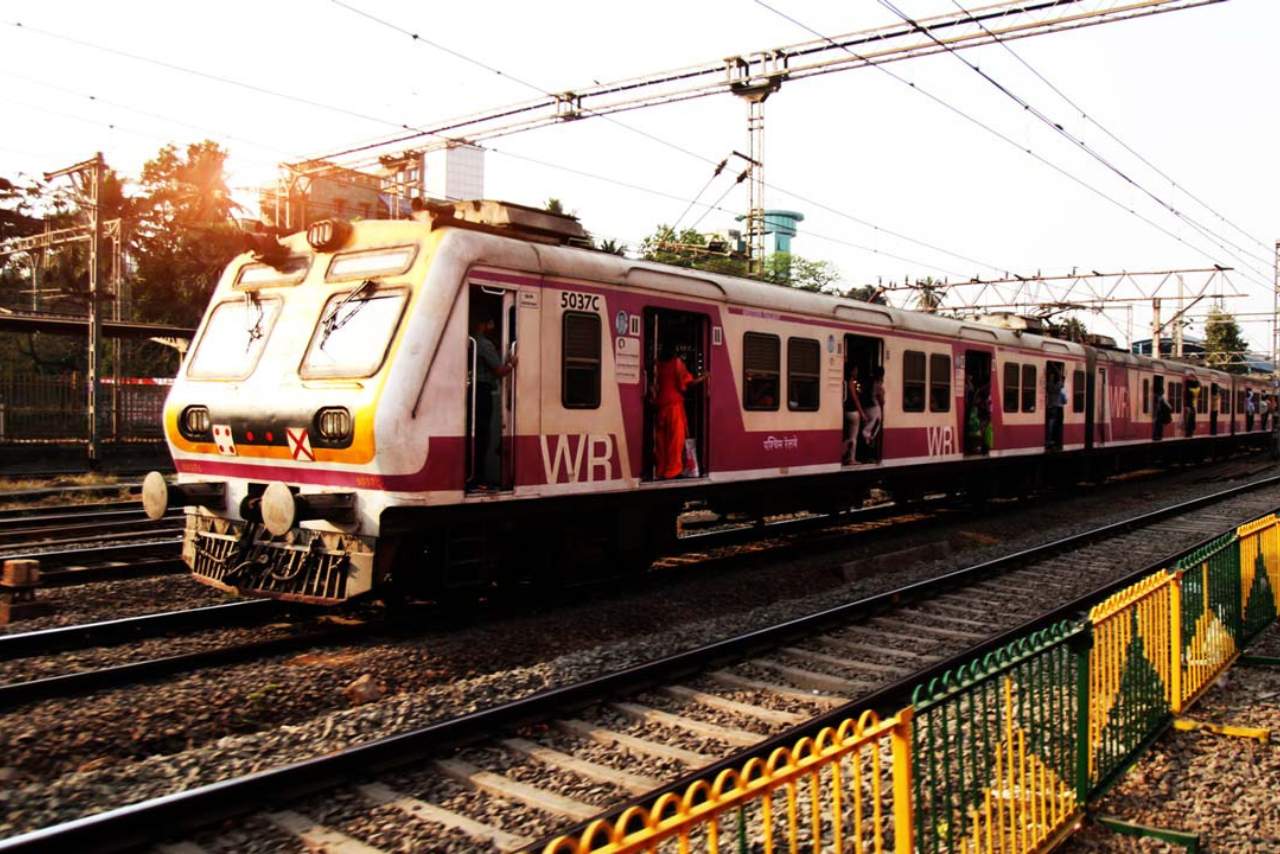
The Union Budget 2026 delivered the highest-ever allocation to the Ministry of Railways, with total capital expenditure of Rs. 2,93,030 crore for FY27, compared with an outlay of Rs. 2,78,030 crore earlier. This allocation aligns with earlier expectations of steady capex growth while maintaining fiscal discipline.
The budget also outlined an ambitious infrastructure vision, proposing the development of seven high-speed rail corridors, including Mumbai–Pune, Pune–Hyderabad, Hyderabad–Bangalore, Hyderabad–Chennai, Chennai–Bangalore, Delhi–Varanasi, and Varanasi–Siliguri. These announcements reinforce the government’s focus on network expansion, capacity enhancement, and long-term efficiency gains, supporting strong execution momentum across the railways and broader infrastructure ecosystem.
Disclaimer: The views and investment tips expressed by investment experts/broking houses/rating agencies on tradebrains.in are their own, and not that of the website or its management. Investing in equities poses a risk of financial losses. Investors must therefore exercise due caution while investing or trading in stocks. Trade Brains Technologies Private Limited or the author are not liable for any losses caused as a result of the decision based on this article. Please consult your investment advisor before investing.
The post Defence, Railways, Solar: Did Budget 2026 live up to market expectations for these sectors? appeared first on Trade Brains.
What's Your Reaction?