








































.png)



Union Budget 2026–27 Highlights: Key Schemes, Capex Plans & Tax Proposals
SYNOPSIS: Union Budget 2026-27 outlines three Kartavya, prioritising sustainable growth, capacity building and inclusive development through manufacturing, infrastructure, skilling, fiscal consolidation, targeted social support and calibrated tax reforms and innovation focus. Union Budget 2026-27 is presented on Sunday, 1st February, by Finance Minister Nirmala Sitharaman, marking her 9th budget and the 88th Union Budget since […] The post Union Budget 2026–27 Highlights: Key Schemes, Capex Plans & Tax Proposals appeared first on Trade Brains.



SYNOPSIS: Union Budget 2026-27 outlines three Kartavya, prioritising sustainable growth, capacity building and inclusive development through manufacturing, infrastructure, skilling, fiscal consolidation, targeted social support and calibrated tax reforms and innovation focus.
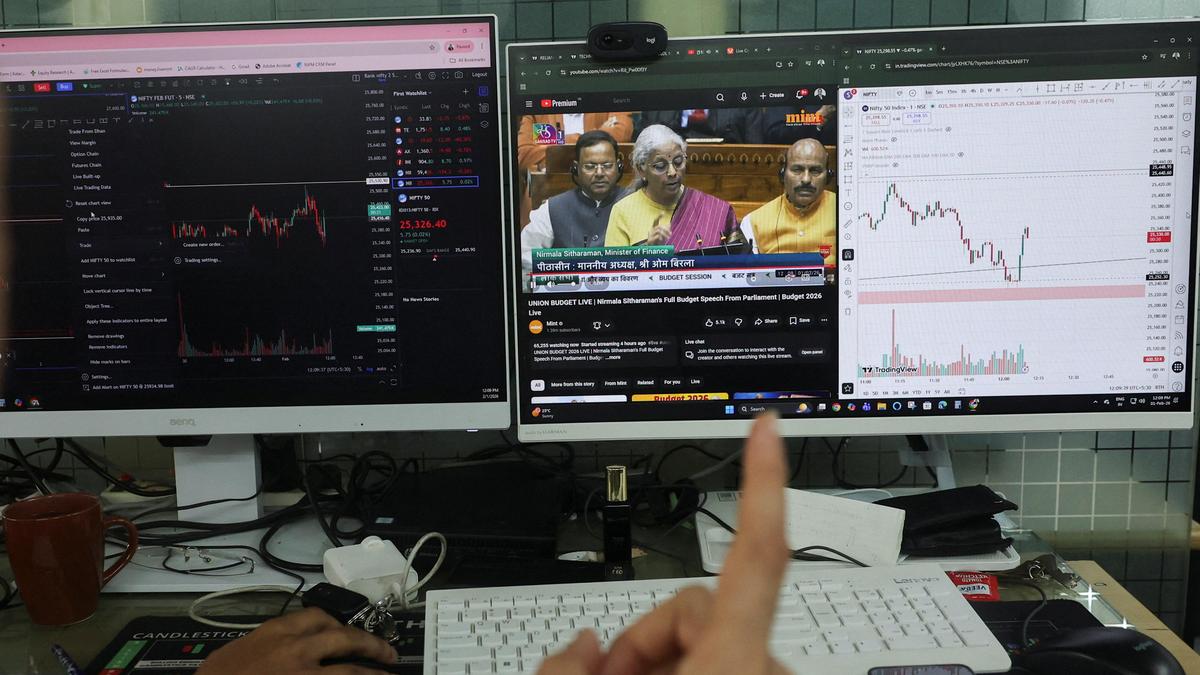
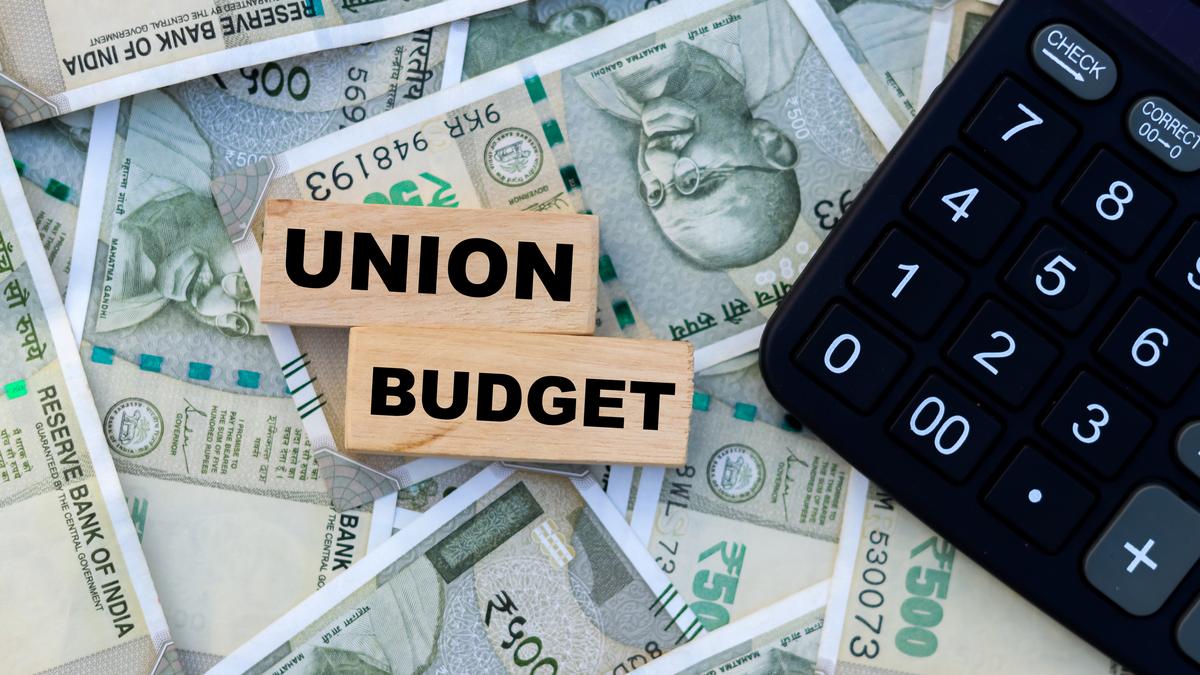
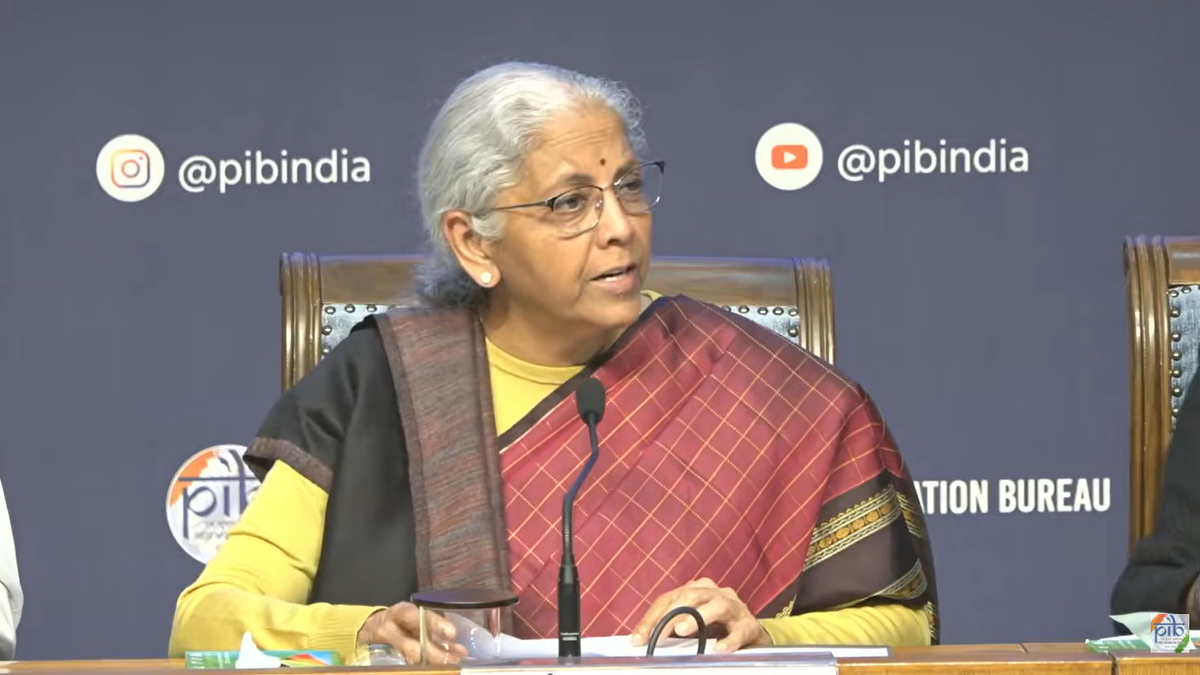
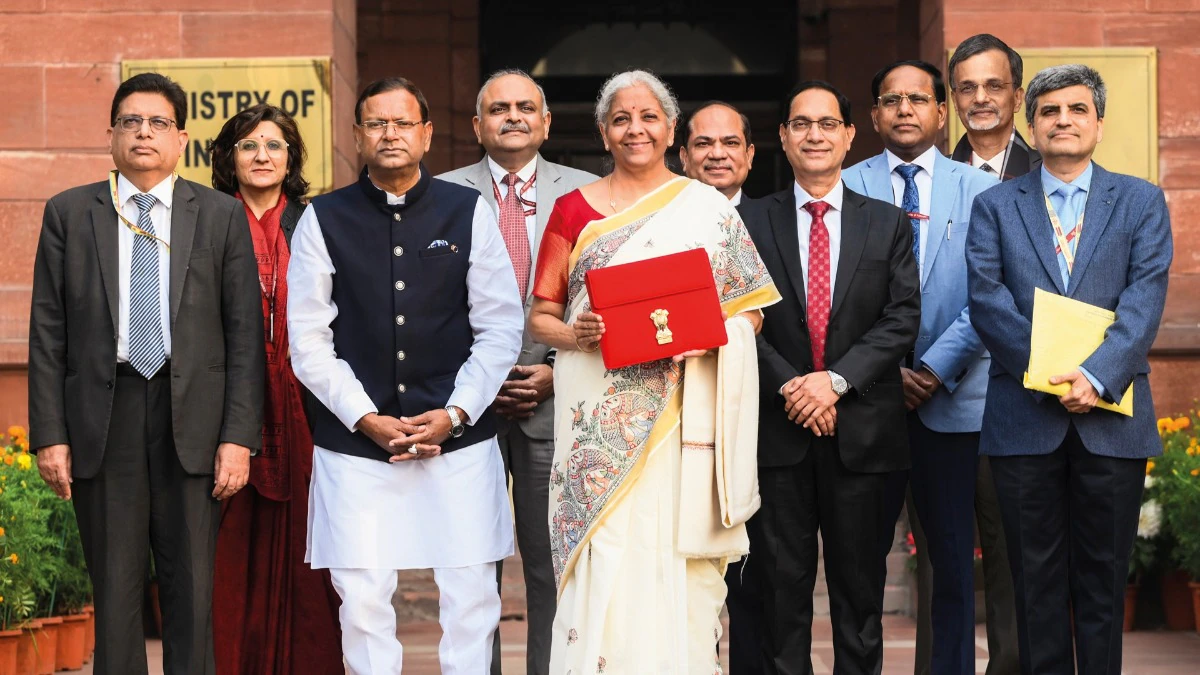
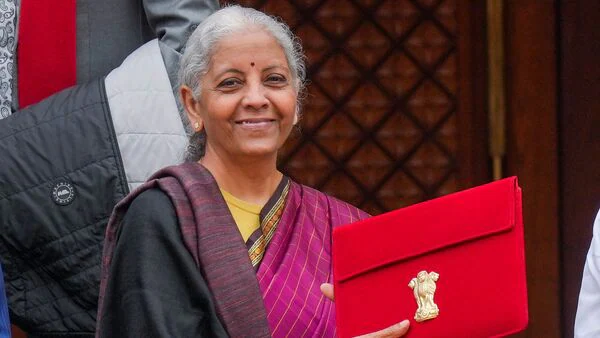
Union Budget 2026-27 is presented on Sunday, 1st February, by Finance Minister Nirmala Sitharaman, marking her 9th budget and the 88th Union Budget since Independence.
The Budget sets out a broad vision anchored around three key Kartavya. The first focuses on accelerating sustainable economic growth and building resilience; the second is to fulfil the aspirations of the people by making them strong partners in India’s prosperity; and the third reiterates the principle of Sabka Saath, Sabka Vikas, ensuring inclusive growth across regions and communities.
The total expenditure in Budget Estimates (BE) 2026-27 is estimated at Rs. 53,47,315 crore, of which total capital expenditure is Rs. 12,21,821 crore and effective capital expenditure is Rs. 17,14,523 crore.
First Kartavya – Sustainable Economic Growth
Biopharma SHAKTI – To develop India as a global Biopharma manufacturing hub, the FM proposed the Biopharma SHAKTI with an outlay of Rs. 10,000 crores over the next 5 years. The strategy will include a Biopharma-focused network with 3 new National Institutes of Pharmaceutical Education and Research (NIPER) and upgrading 7 existing ones. It will also create a network of over 1000 accredited Indian Clinical Trials sites.
India Semiconductor Mission (ISM) – ISM 1.0 expanded India’s semiconductor sector capabilities. Building on this, the government will launch ISM 2.0 to produce equipment and materials, design full-stack Indian IP, and fortify supply chains.
Electronics Components Manufacturing Scheme – Launched in April 2025 with an outlay of Rs. 22,919 crore, already has investment commitments at double the target. The FM proposed to increase the outlay to Rs. 40,000 crore to capitalise on the momentum.
Scheme for Rare Earth Permanent Magnets – The scheme was launched in November 2025, and is now proposed to support the mineral-rich States of Odisha, Kerala, Andhra Pradesh and Tamil Nadu to set up dedicated Rare Earth Corridors to promote mining, processing, research and manufacturing.
Chemical production – To enhance domestic chemical production and reduce import dependency, the government will launch a Scheme to support States in establishing 3 dedicated Chemical Parks, on a cluster-based plug-and-play model.
Capital goods – The Budget proposes strengthening capital goods capability to boost productivity through three key measures:
(i) setting up two Hi-Tech Tool Rooms by CPSEs as digitally enabled, automated hubs for designing, testing and manufacturing high-precision components at scale and lower cost;
(ii) introducing a Scheme for Enhancement of Construction and Infrastructure Equipment (CIE) to promote domestic manufacturing of advanced, high-value equipment ranging from lifts and fire-fighting systems to tunnel-boring machines; and
(iii) Container Manufacturing Scheme with a Rs. 10,000-crore outlay over 5 years to build a globally competitive container manufacturing ecosystem.
Textile Sector – The Budget proposes a comprehensive push for the labour-intensive textile sector through an Integrated Programme with 5 sub-parts:
(i) National Fibre Scheme for self-reliance in natural, man-made and new-age fibres; (ii) Textile Expansion and Employment Scheme to modernise clusters with capital support, technology upgrades and common testing facilities; (iii) National Handloom and Handicraft Programme for targeted support to weavers and artisans; (iv) Tex-Eco Initiative to promote globally competitive and sustainable textiles; and (v) Samarth 2.0 to upgrade textile skilling in collaboration with industry and academia.
This is complemented by plans to set up Mega Textile Parks in challenge mode with a focus on value-added and technical textiles, launch the Mahatma Gandhi Gram Swaraj Initiative to strengthen khadi, handloom and handicrafts through global market linkage, branding and skilling, and roll out a dedicated sports goods initiative to position India as a global hub by boosting manufacturing, research, innovation, equipment design and material sciences.
MSMEs Support – Proposed to introduce Rs. 10,000 crore SME Growth Fund, along with a proposal to top up the Self-Reliant India Fund set up in 2021 with Rs. 2,000 crore to support micro enterprises.
Infrastructure – Proposed to increase public capex to Rs. 12.2 lakh crore, with a focus on developing infrastructure in cities with over 5 lakh population (Tier II and Tier III).
Set up an Infrastructure Risk Guarantee Fund to provide prudently calibrated partial credit guarantees to lenders. Proposed to accelerate the recycling of significant real estate assets of CPSEs through the setting up of dedicated REITs.
Cargo Support – a) Establish new Dedicated Freight Corridors connecting Dankuni in the East, to Surat in the West; b) Operationalise 20 new National Waterways (NW) over the next 5 years. A ship repair ecosystem catering to inland waterways will also be set up at Varanasi and Patna; c) launch a Coastal Cargo Promotion Scheme for incentivising a modal shift from rail and road, to increase the share of inland waterways and coastal shipping from 6 percent to 12 percent by 2047.
Carbon Capture Utilisation and Storage (CCUS) – An outlay of Rs. 20,000 crore is proposed over the next 5 years towards five industrial sectors, including power, steel, cement, refineries and chemicals.
City Economic Regions – An allocation of Rs. 5000 crore per CER over 5 years is proposed for implementing their plans through a challenge mode.
Sustainable passenger systems – The govt. will develop 7 High-Speed Rail corridors between cities, namely i) Mumbai-Pune, ii) Pune-Hyderabad, iii) Hyderabad-Bengaluru, iv) Hyderabad-Chennai, v) Chennai-Bengaluru, vi) Delhi-Varanasi, vii) Varanasi-Siliguri.
Financial Sector – Proposed to restructure the Power Finance Corporation (PFC) and Rural Electrification Corporation (REC). The FM proposed a comprehensive review of the Foreign Exchange Management (Non-debt Instruments) Rules to create a more contemporary, user-friendly framework for foreign investments, consistent with India’s evolving economic priorities.
Municipal Bonds – Propose an incentive of Rs. 100 crore for a single bond issuance of more than Rs. 1000 crore. The current scheme under AMRUT, which incentivises issuances up to Rs. 200 crore, will also continue to support smaller and medium towns.
Individual Persons Resident Outside India – PROI will be permitted to invest in equity instruments of listed Indian companies through the Portfolio Investment Scheme, with an increase in the investment limit for an individual PROI under this scheme from 5 percent to 10 percent, with an overall investment limit for all individual PROIs to 24 percent, from the current 10percent.
Second Kartavya – Fulfil aspirations and build capacity
Creation of Professionals – Existing institutions for Allied Health Professionals (AHPs) will be upgraded, and new AHP Institutions established in the Private and Government sectors. This will cover 10 selected disciplines, including optometry, radiology, anaesthesia, OT Technology, Applied Psychology and Behavioural Health and add 1 lakh AHPs over the next 5 years.
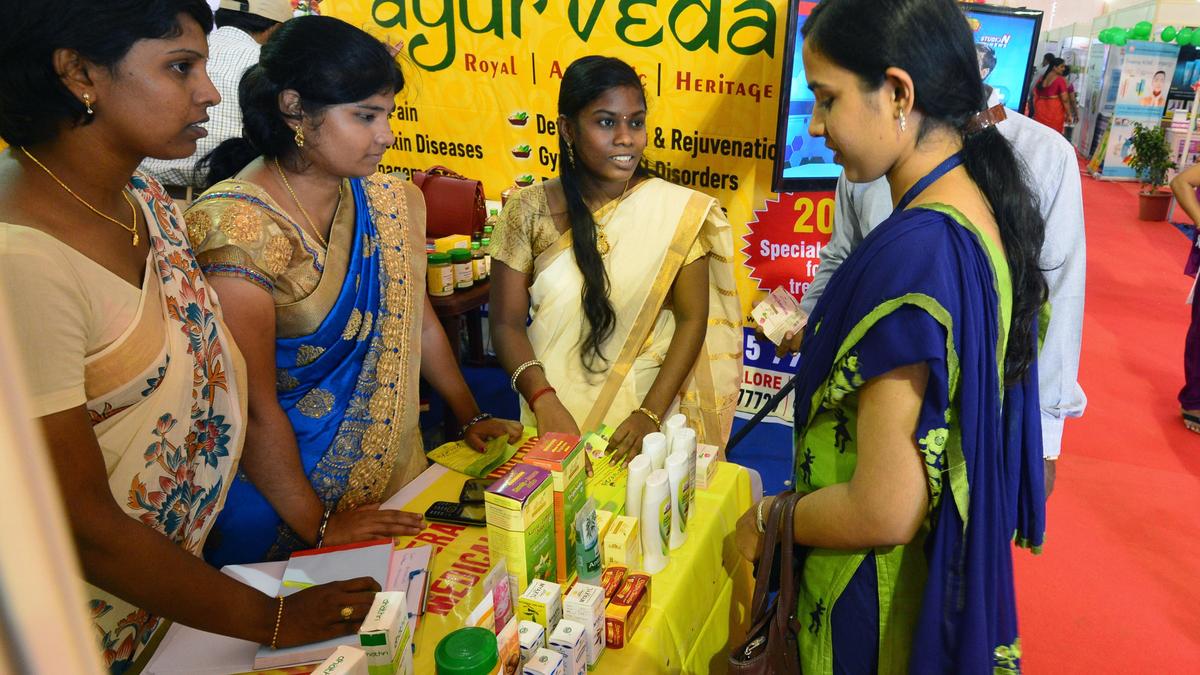
Additionally, the FM proposed to (i) set up 3 new All India Institutes of Ayurveda; (ii) upgrade AYUSH pharmacies and Drug Testing Labs for higher standards of certification ecosystem; (iii) upgrade the WHO Global Traditional Medicine Centre in Jamnagar.
Animal Husbandry – Propose to roll out a loan-linked capital subsidy support scheme for the establishment of veterinary and paravet colleges, veterinary hospitals, diagnostic laboratories and breeding facilities in the private sector.
Orange Economy – Propose to support the Indian Institute of Creative Technologies, Mumbai, in setting up AVGC Content Creator Labs in 15,000 secondary schools and 500 colleges.
Design & Education – Propose to set up a new National Institute of Design to boost design education and development in the eastern region of India. Further, the government will support the States in creating 5 University Townships in the vicinity of major industrial and logistic corridors.
Heritage and Culture Tourism – Propose to develop 15 archaeological sites, including Lothal, Dholavira, Rakhigarhi, Adichanallur, Sarnath, Hastinapur, and Leh Palace into vibrant, experiential cultural destinations.
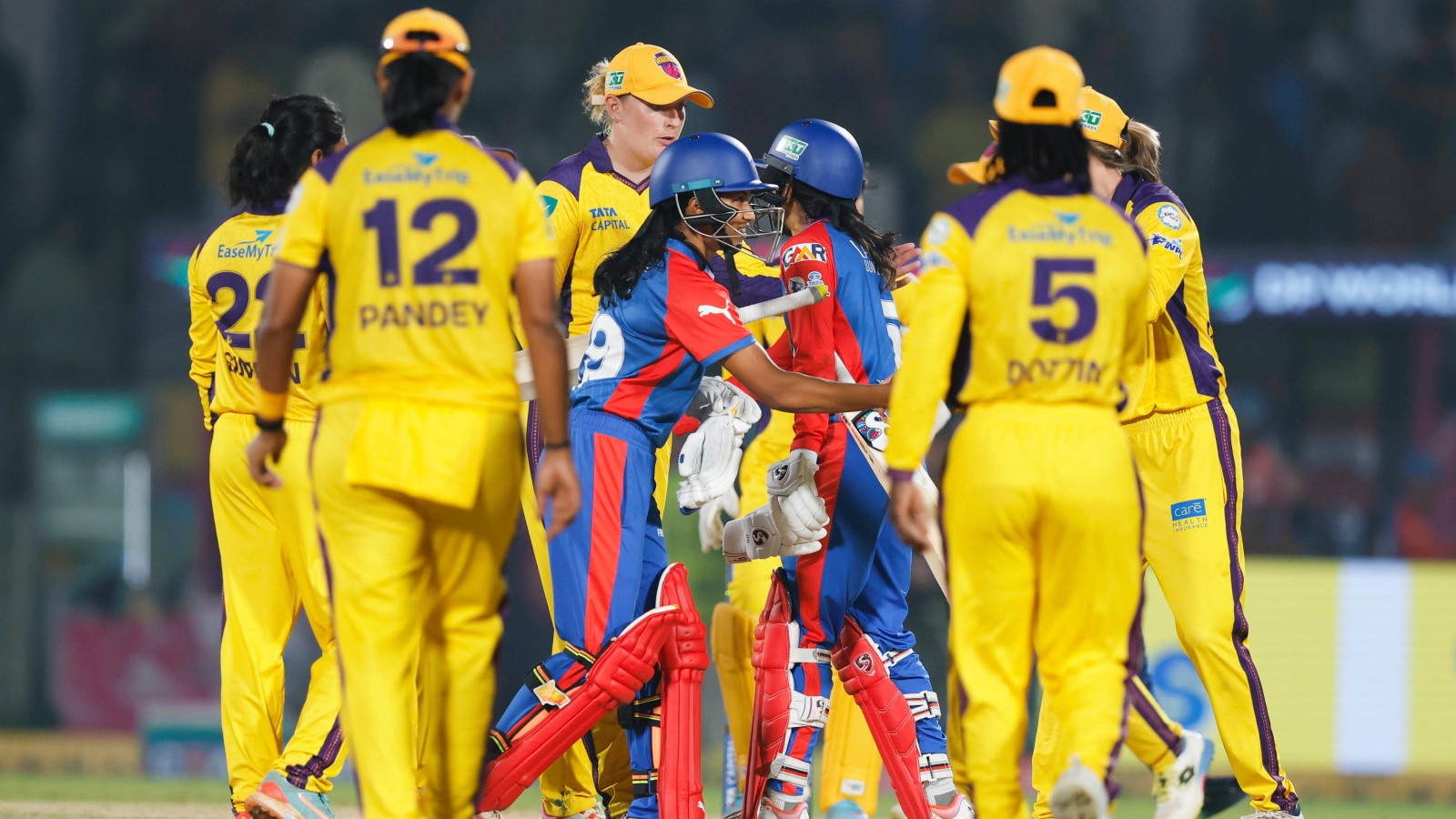
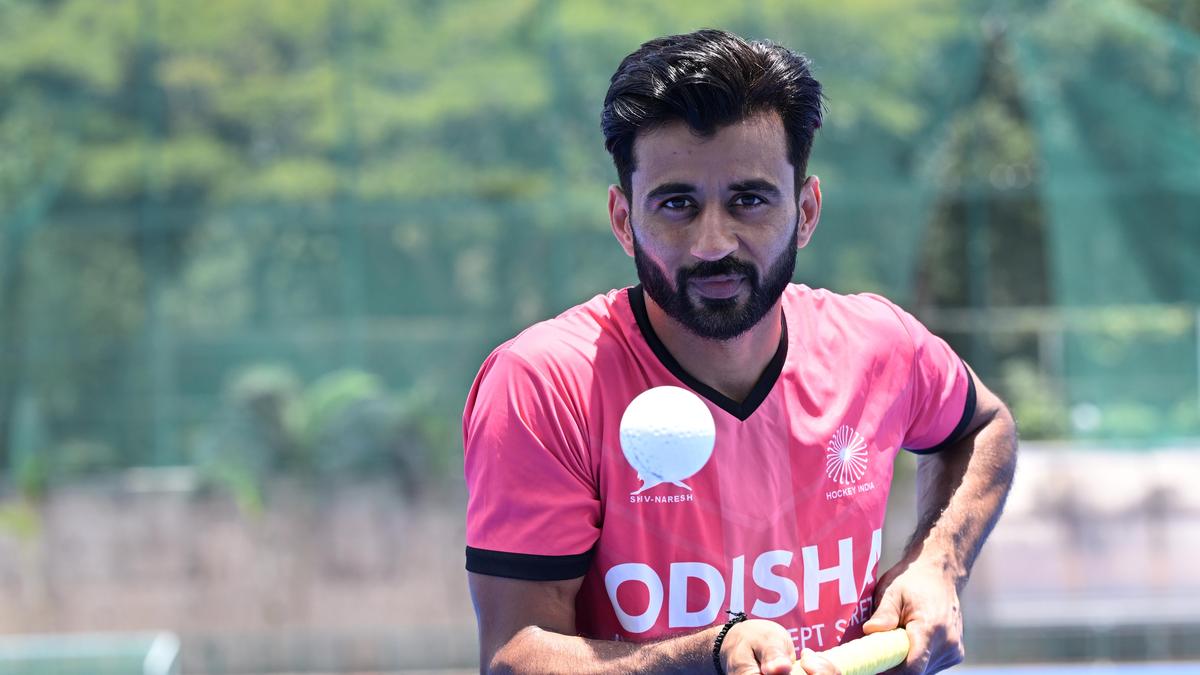
Sports – Propose to launch a Khelo India Mission to transform the Sports sector over the next decade. Mission will facilitate: a) an integrated talent development pathway, supported by training centres (foundational, intermediate and elite levels); b) systematic development of coaches and support staff; c) integration of sports science and technology; d) competitions and leagues; and e) development of sports infrastructure for training and competition.
Third Kartavya – Sabka Sath, Sabka Vikas
This requires targeted efforts for a) Increasing farmer incomes through productivity enhancement and entrepreneurship, with special attention to small and marginal farmers; b) Empowering Divyangjan through access to livelihood opportunities, training and high-quality assistive devices; c) Empowering the vulnerable to access mental health and trauma care; d) Focus on the Purvodaya States and the North-East Region to accelerate development and employment opportunities.
Coconut Promotion Scheme – Proposed to increase production and enhance productivity through various interventions, including replacing old and non-productive trees with new saplings/plants/varieties in major coconut growing States.
A dedicated programme is proposed for Indian cashew and cocoa to make India self-reliant in raw cashew and cocoa production and processing, enhance export competitiveness and transform Indian Cashew and Indian Cocoa into premium global brands by 2030.
Sandalwood – The Government will partner with State Governments to promote focused cultivation and post-harvest processing to restore the glory of the Indian Sandalwood ecosystem.
Rural Women-led Enterprises – Self-Help Entrepreneur (SHE) Marts will be set up as community-owned retail outlets within the cluster-level federations through enhanced and innovative financing instruments.
Empowering Divyangjan – Divyangjan Kaushal Yojana and Divyang Sahara Yojana for all eligible Divyangjans.
Mental Health and Trauma Care – There are no national institutes for mental healthcare in North India, and the govt. will therefore set up a NIMHANS-2 and also upgrade the National Mental Health Institutes in Ranchi and Tezpur as Regional Apex Institutions.
Purvodaya – Proposed the development of an integrated East Coast Industrial Corridor with a well-connected node at Durgapur, creation of 5 tourism destinations in the 5 Purvodaya States, and the provision of 4,000 e-buses.
Other Updates
16th Finance Commission – The FM have provided Rs. 1.4 lakh crore to the States for the FY26-27 as Finance Commission Grants. These include Rural and Urban Local Body and Disaster Management Grants.
Fiscal Consolidation – In line with the new fiscal prudence path of debt consolidation, the fiscal deficit in BE 2026-27 is estimated to be 4.3 percent of GDP.
Budget Estimates 2026-27 – Coming to 2026-27, the non-debt receipts and the total expenditure are estimated as Rs. 36.5 lakh crore and Rs. 53.5 lakh crore, respectively. The Centre’s net tax receipts are estimated at Rs. 28.7 lakh crore.
To finance the fiscal deficit, the net market borrowings from dated securities are estimated at Rs. 11.7 lakh crore. The balance financing is expected to come from small savings and other sources. The gross market borrowings are estimated at Rs. 17.2 lakh crore.
Direct Taxes
I. Propose that any interest awarded by the Motor Accident Claims Tribunal to a natural person will be exempt from Income Tax, and any TDS on this account will be done away with.
II. Propose to reduce the TCS rate on the sale of overseas tour program packages from the current 5 percent and 20 percent to 2 percent without any stipulation of amount.
III. Propose to reduce the TCS rate for pursuing education and for medical purposes under the Liberalised Remittance Scheme (LRS) from 5 percent to 2 percent.
IV. Propose to extend the time available for revising returns from 31st December to up to 31st March with the payment of a nominal fee.
V. Propose to stagger the timeline for filing of tax returns. Individuals with ITR 1 and ITR 2 returns will continue to file till 31st July, and non-audit business cases or trusts are proposed to be allowed till 31st August.
VI. TDS on the sale of immovable property by a non-resident is proposed to be deducted and deposited through the resident buyer’s PAN-based challan instead of requiring TAN.
VII. Propose to extend the deduction allowed to a primary cooperative society engaged in supplying milk, oilseeds, fruits or vegetables raised or grown, to also include the supply of cattle feed and cottonseed produced by its members.
VIII. Propose to provide exemption from Minimum Alternate Tax (MAT) to all non-residents who pay tax on a presumptive basis.
Supporting IT sector – India is a global leader in software development services, IT-enabled services, knowledge process outsourcing services and contract R&D services relating to software development. These business segments are quite interconnected with each other. All these services are proposed to be clubbed under a single category of Information Technology Services with a common safe harbour margin of 15.5 percent applicable to all.
The threshold for availing safe harbour for IT services is being enhanced substantially from Rs. 300 crore to Rs. 2,000 crore.
Data Centres – Propose to provide a tax holiday till 2047 to any foreign company that provides cloud services to customers globally by using data centre services from India. It will, however, need to provide services to Indian customers through an Indian reseller entity. Additionally, proposed to provide a safe harbour of 15 percent on cost in case the company providing data centre services from India is a related entity.
Toll manufacturing in India – Propose to provide exemption from income tax for 5 years, to any non-resident who provides capital goods, equipment or tooling, to any toll manufacturer in a bonded zone.
Other Tax proposals – A change in taxation of buyback was brought in to address the improper use of the buyback route by promoters. In the interest of minority shareholders, the FM proposed to tax buyback for all types of shareholders as Capital Gains. However, to disincentivise misuse of tax arbitrage, promoters will pay an additional buyback tax. This will make the effective tax 22 percent for corporate promoters. For noncorporate promoters, the effective tax will be 30 percent.
TCS rate for sellers of specific goods, namely alcoholic liquor, scrap and minerals, will be rationalised to 2 percent and that on tendu leaves will be reduced from 5 percent to 2 percent.
F&O Taxes – Propose to raise the STT on Futures to 0.05 percent from present 0.02 percent. STT on options premium and exercise of options are both proposed to be raised to 0.15 percent from the present rate of 0.1 percent and 0.125 percent respectively.
Indirect Taxes
Promotion of exports – Propose to increase the limit for duty-free imports of specified inputs used for processing seafood products for export, from the current 1 percent to 3 percent of the FOB value of the previous year’s export turnover. Also proposed to allow duty-free imports of specified inputs, which is currently available for exports of leather or synthetic footwear, to exports of Shoe Uppers as well.
Propose to extend the time period for export of final product from the existing 6 months to 1 year, for exporters of leather or textile garments, leather or synthetic footwear and other leather products.
Energy transition and security – Propose to extend the basic customs duty exemption given to capital goods used for manufacturing Lithium-Ion Cells for batteries, to those used for manufacturing Lithium-Ion Cells for battery energy storage systems too. Propose to exempt basic customs duty on import of sodium antimonate for use in the manufacture of solar glass.
Nuclear Power – Propose to extend the existing basic customs duty exemption on imports of goods required for Nuclear Power Projects till the year 2035 and expand it for all nuclear plants irrespective of their capacity.
Critical Minerals – Proposed to provide basic customs duty exemption to the import of capital goods required for processing of critical minerals in India.
Biogas blended CNG – Propose to exclude the entire value of biogas while calculating the Central Excise duty payable on biogas blended CNG.
Civil and Defence Aviation – Propose to exempt basic customs duty on components and parts required for the manufacture of civilian, training and other aircraft. Further, the FM proposed to exempt basic customs duty on raw materials imported for the manufacture of parts of aircraft to be used in maintenance, repair, or overhaul requirements by Units in the Defence sector.
Electronics – Propose to exempt basic customs duty on specified parts used in the manufacture of microwave ovens.
Imported Goods – To rationalise the customs duty structure for goods imported for personal use, the FM propose to reduce the tariff rate on all dutiable goods imported for personal use from 20 per cent to 10 per cent
Relief for Cancer Patients – To provide relief to patients, particularly those suffering from cancer, the FM propose to exempt basic customs duty on 17 drugs or medicines.
Additionally, proposed to add 7 more rare diseases for the purposes of exempting import duties on personal imports of drugs, medicines and Food for Special Medical Purposes (FSMP) used in their treatment.
Union Budget 2026-27 clearly lays out an ambitious, long-term roadmap focused on growth, capacity building and inclusive development. The government has doubled down on infrastructure, manufacturing, sustainability, skilling and regional development, signalling policy continuity and intent to crowd in private investment over time.
However, for many investors and market participants, the Budget also feels underwhelming in the near term. While spending commitments and structural reforms are extensive, the lack of immediate consumption boosters, coupled with higher taxes on capital market activity such as F&O and buybacks, has tempered enthusiasm.
In essence, Budget 2026-27 prioritises long-term nation-building over short-term market comfort – constructive in vision, but mildly disappointing for those expecting instant relief or stronger fiscal stimulus.
Disclaimer: The views and investment tips expressed by investment experts/broking houses/rating agencies on tradebrains.in are their own, and not that of the website or its management. Investing in equities poses a risk of financial losses. Investors must therefore exercise due caution while investing or trading in stocks. Trade Brains Technologies Private Limited or the author are not liable for any losses caused as a result of the decision based on this article. Please consult your investment advisor before investing.
The post Union Budget 2026–27 Highlights: Key Schemes, Capex Plans & Tax Proposals appeared first on Trade Brains.
What's Your Reaction?