





































































Duty Free, Retail Or Car Parks: How Does GMR Airports Make Money?
Synopsis: GMR Airports generates revenue through a mix of regulated aeronautical charges, high-margin non-aeronautical activities like duty-free, retail, and parking, and airport land development. Key hubs Delhi and Hyderabad drive earnings growth, while expansion projects and adjacency businesses diversify cash flows, delivering resilient, scalable, and long-term profitability across domestic and international operations. Airports today generate […] The post Duty Free, Retail Or Car Parks: How Does GMR Airports Make Money? appeared first on Trade Brains.

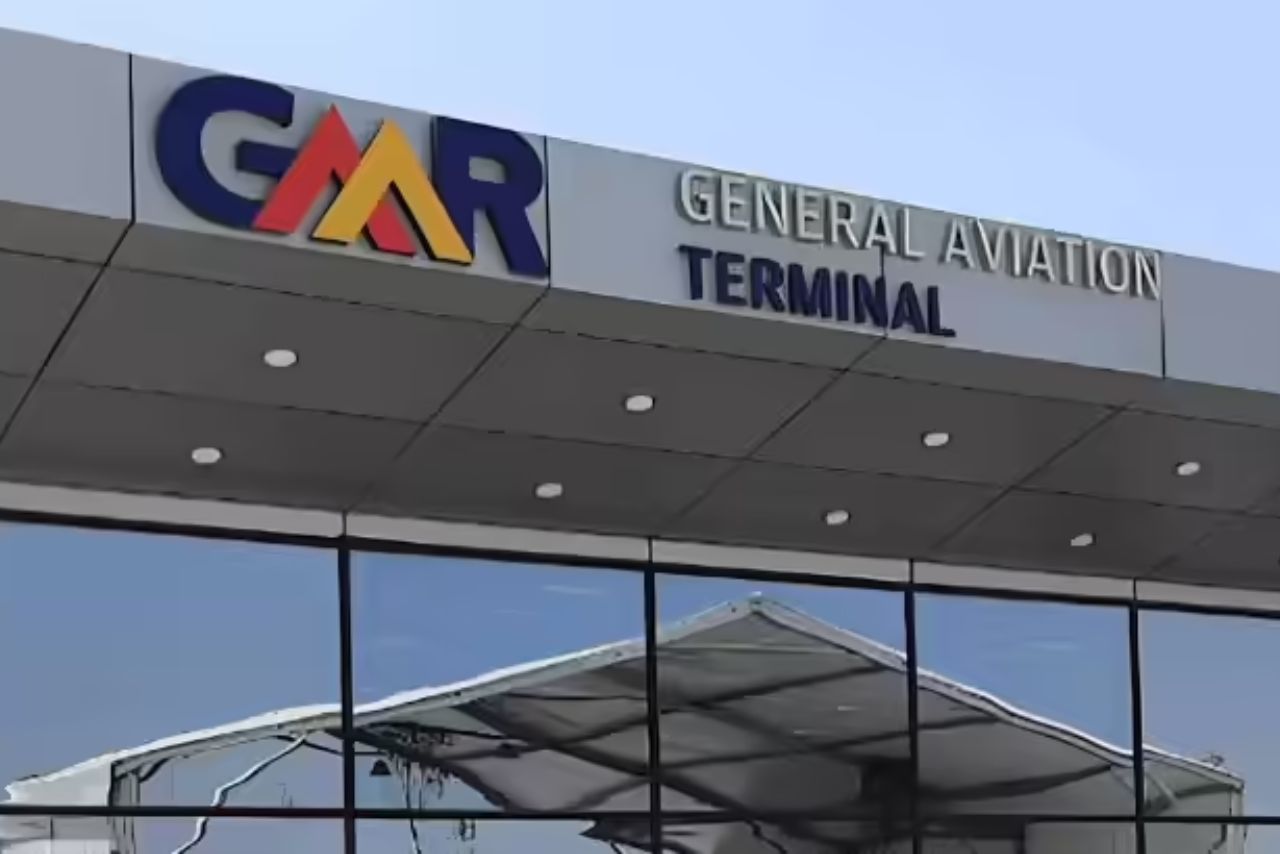
Synopsis: GMR Airports generates revenue through a mix of regulated aeronautical charges, high-margin non-aeronautical activities like duty-free, retail, and parking, and airport land development. Key hubs Delhi and Hyderabad drive earnings growth, while expansion projects and adjacency businesses diversify cash flows, delivering resilient, scalable, and long-term profitability across domestic and international operations.
Airports today generate revenue far beyond ticketing and airline operations. Every passenger passing through contributes to a complex ecosystem of income streams, from regulated aeronautical charges to retail, duty-free, and parking services. How exactly do companies like GMR Airports turn these flows into a diversified and resilient business?
About The Company
GMR Airports Limited (GAL) is a major player in the global airport industry, bringing over 20 years of experience in designing, building, and managing world-class, sustainable airports. Operating under the brand “GMR AERO,” the company provides innovative solutions across aviation, retail, and real estate. Since 2020, Groupe ADP has been a strategic partner and now serves as a co-promoter of GAL, holding a significant minority stake while bringing its expertise as the operator of Paris’s Charles de Gaulle and Orly airports.
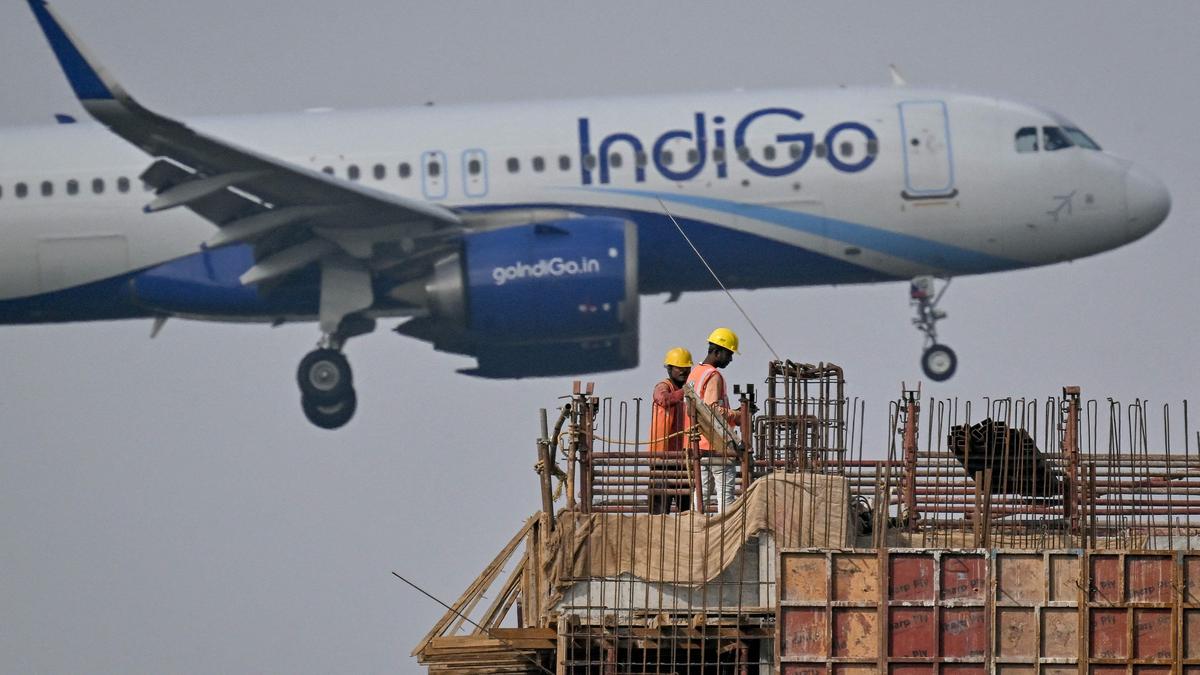
As Asia’s largest private airport operator and the second largest worldwide, GAL handled more than 120 million passengers in FY25. Its commitment to service quality has earned consistent recognition from ACI and Skytrax. The company has a strong footprint in India and Southeast Asia, managing major airports including Delhi, Hyderabad, Goa, and Medan, while also offering technical services at Mactan Cebu International Airport in the Philippines. GAL is further expanding with ambitious projects like the greenfield airports in Bhogapuram, India, and Crete, Greece.
Promoted by the GMR Group, GAL benefits from a diverse presence across energy, transportation, urban infrastructure, and sports. Through its CSR initiative, the GMR Varalakshmi Foundation, the group actively supports local communities by improving education, healthcare, and skill development, reflecting a commitment to enhancing overall quality of life. The shares of the company are trading at Rs. 100, with a market capitalization of Rs. 1,05,589.76 crore.
GMR’s Airport Infrastructure
GMR Airports runs a geographically diverse airport portfolio spanning India, Southeast Asia, and parts of Europe, anchored by its two crown jewels, Delhi and Hyderabad airports. These are the group’s most mature and revenue-generating assets, benefiting from steady passenger and cargo growth over the past decade. With long concession lives still remaining and ample capacity for expansion, both airports offer strong visibility on future traffic and cash flows, forming the backbone of GMR’s airport business.
Beyond its core Indian hubs, GMR has steadily expanded into newer airports that are either ramping up or still in early growth phases. These include Goa’s Mopa airport, Indonesia’s Medan airport, and Mactan Cebu in the Philippines. While passenger volumes here are smaller than Delhi or Hyderabad, these assets come with long concession tenures and meaningful expansion headroom. Over time, as traffic stabilises and commercial activity builds up, these airports are expected to add incremental revenue streams.
The portfolio is rounded out by smaller domestic airports and long-duration development projects such as Nagpur, Bidar, Bhogapuram, and Crete. While some of these assets currently contribute little to earnings, they carry significant optionality through land banks, capacity expansion, and non-aeronautical monetisation. Taken together, GMR’s airport network balances mature cash-generating assets with high-growth and future-ready projects, giving the company multiple levers to grow passenger volumes, commercial income, and overall profitability over the long term.
How GMR Airports Makes Money
GMR Airports operates as an integrated airport platform, not just an airport operator. At its core, the company earns money by developing, operating, and monetising long-term airport concessions across India and select international markets. These concessions typically run for multiple decades, giving GMR stable and predictable cash flows. The business is structured around three interlinked pillars: aeronautical revenues, non-aeronautical revenues, and a real estate platform, all of which scale with passenger traffic and airport throughput.
The first revenue pillar is aeronautical income, which is regulated by airport authorities. This includes charges levied on airlines and passengers such as landing and parking fees, passenger service fees, user development fees, and cargo-related charges. Tariffs are set under defined control periods, providing visibility and protection against volatility. In airports like Delhi, recent tariff revisions have significantly lifted aeronautical yields, making this segment the backbone of GMR’s cash generation. Because these revenues are regulated and volume-linked, they function much like a utility business with relatively stable margins over time.
The second and fastest-growing pillar is non-aeronautical revenue, where GMR monetises passenger footfall directly. This includes duty-free retail, food and beverage outlets, advertising, car parking, retail rentals, cargo handling, ground services, and fuel farms. GMR has been steadily bringing these activities under its own control through subsidiaries and joint ventures, improving margins and cash flows. Non-aero income scales with passenger spending rather than just passenger numbers, making it structurally higher margin and a key driver of profitability growth, especially at large hubs like Delhi and Hyderabad.
The third pillar is airport land development and adjacency businesses, which differentiates GMR from pure-play airport operators. Across its portfolio, the company controls over 2,500 acres of airport land, which it monetises through commercial offices, hotels, cargo cities, MRO facilities, and mixed-use developments. These projects generate rental income, revenue sharing, and long-term asset value creation, often extending beyond the life of airport concessions. In parallel, GMR also runs a growing “GAL Platform” of non-regulated services, such as duty free, cargo, retail, and airport services, which can be deployed at third-party airports in India and abroad, creating a perpetual business beyond its own airports.
How Much Money GMR Airports Is Making: Segment-Wise Breakdown
At a consolidated level, GMR Airports generated gross income of Rs. 37.5 billion in Q2FY26, up 45 percent year-on-year, while H1FY26 gross income stood at Rs. 70.8 billion, reflecting 38 percent year-on-year growth. This growth was not driven by traffic alone, but by a sharp improvement in revenue quality, particularly higher aeronautical tariffs and expanding non-aeronautical and adjacency businesses.
Aeronautical Revenue: Regulated, High-Visibility Earnings
Aeronautical revenue remains the core utility-style earnings stream for GMR Airports. In Q2FY26, aeronautical yield per passenger rose sharply to Rs. 469, marking a 69 percent year-on-year increase, driven primarily by tariff revisions at Delhi Airport under Control Period 4. For H1FY26, aeronautical yield per passenger averaged Rs. 433, up 59 percent year-on-year, despite passenger traffic remaining flat year-on-year at 57.9 million passengers. This demonstrates that revenue growth is increasingly tariff-led rather than volume-led, improving cash flow stability.
Delhi Airport is the single largest contributor to aeronautical earnings. In Q2FY26, aero revenue in Delhi grew 166 percent year-on-year, lifting total income to Rs. 18.5 billion and EBITDA to Rs. 6.7 billion, with margins expanding to 64 percent. Hyderabad Airport also delivered steady aeronautical revenue growth of 7.6 percent year-on-year, supported by strong passenger growth and a stable tariff regime.
Non-Aeronautical Revenue: Passenger Monetisation Engine
Non-aeronautical revenue is where GMR converts passenger footfall into discretionary spending. In H1FY26, non-aero revenues at Delhi Airport rose 11 percent year-on-year to Rs. 17.3 billion, while Hyderabad Airport recorded a 28 percent year-on-year growth to Rs. 3.7 billion. This segment includes duty free retail, food and beverage outlets, advertising, car parking, retail rentals, and cargo-related services, many of which are now operated directly by GMR rather than through third parties, improving margins and control.
At Hyderabad Airport, retail including duty free contributed 29 percent of non-aero revenue, followed by food and beverage at 20 percent, advertising at 13 percent, car parking at 11 percent, and space rentals at 13 percent in H1FY26. At Delhi Airport, retail including duty free contributed 26 percent of non-aero revenue, followed by food and beverage at 11 percent, advertising at 6 percent, ground handling at 7 percent, space rentals at 20 percent, and cargo at 14 percent in H1FY26.
In Delhi, passenger spending per duty-free passenger improved, with duty-free spend per passenger rising to approximately Rs. 1,045, up from Rs. 1,005 a year earlier. Hyderabad Airport showed even stronger momentum, with retail revenues up 24 percent, food and beverage revenues up 27 percent, and advertising revenues rising 31 percent year-on-year, reflecting improving commercial utilisation of terminal space.
Conclusion
GMR Airports has successfully built a diversified and resilient business model that goes far beyond traditional aeronautical charges. By combining regulated income streams with high-margin non-aeronautical activities like duty-free, retail, car parking, and airport land development, the company captures multiple revenue levers tied to passenger traffic and commercial utilisation.
Its mature hubs in Delhi and Hyderabad provide stable cash flows, while growth airports and adjacency businesses offer scalable opportunities for the future. This integrated approach positions GMR Airports to deliver long-term profitability, resilience, and sustainable value creation across domestic and international markets.
Disclaimer: The views and investment tips expressed by investment experts/broking houses/rating agencies on tradebrains.in are their own, and not that of the website or its management. Investing in equities poses a risk of financial losses. Investors must therefore exercise due caution while investing or trading in stocks. Trade Brains Technologies Private Limited or the author are not liable for any losses caused as a result of the decision based on this article. Please consult your investment advisor before investing.
The post Duty Free, Retail Or Car Parks: How Does GMR Airports Make Money? appeared first on Trade Brains.
What's Your Reaction?