








































































How Social Media Is Changing the Way Investors Think and Act?
Synopsis: Social media is changing how investors act by making them trade faster, follow trends, and react to FOMO. It gives quick access to information but also spreads hype and rumours, often leading to emotional decisions instead of careful, long-term investing. Social media is transforming the way people access information, connect with others, and make […] The post How Social Media Is Changing the Way Investors Think and Act? appeared first on Trade Brains.

Synopsis: Social media is changing how investors act by making them trade faster, follow trends, and react to FOMO. It gives quick access to information but also spreads hype and rumours, often leading to emotional decisions instead of careful, long-term investing.
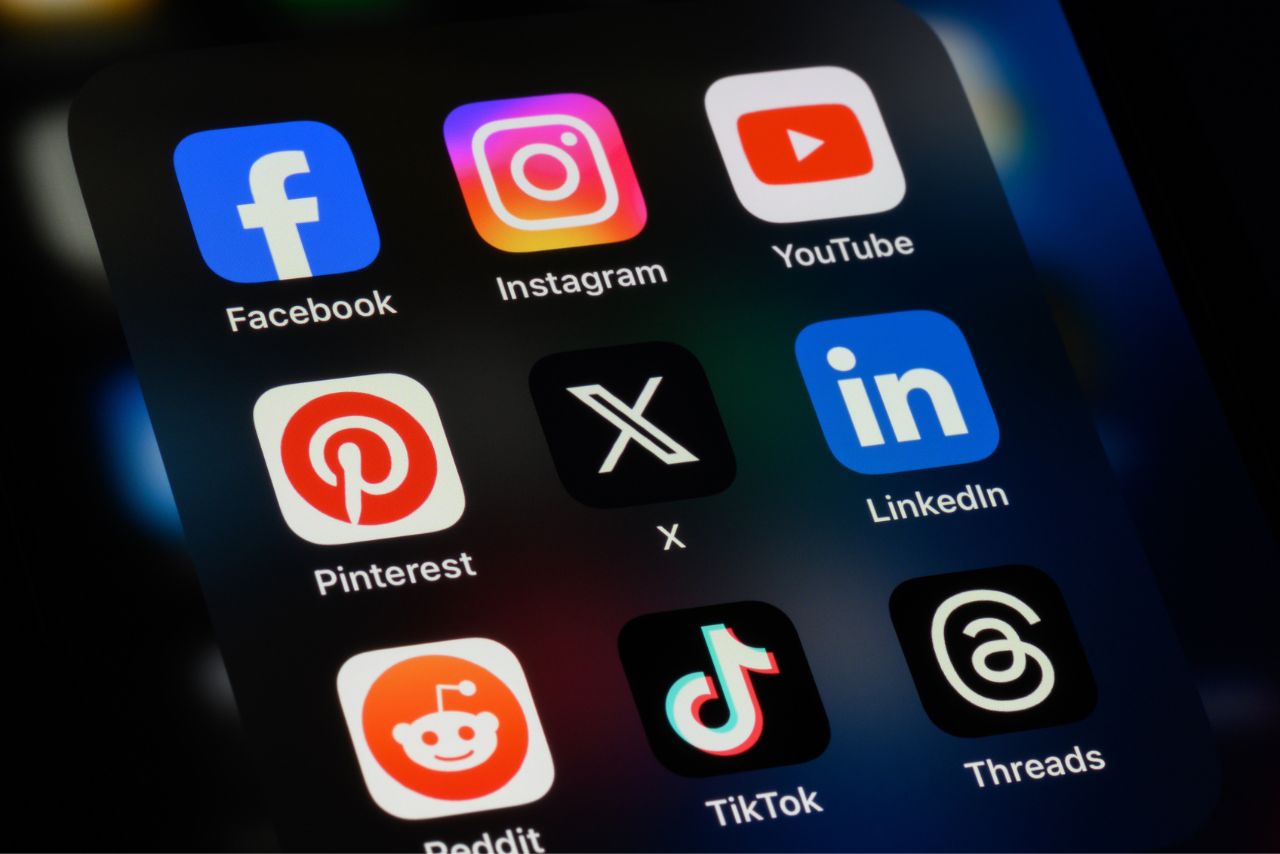
Social media is transforming the way people access information, connect with others, and make decisions. Platforms like Twitter, Instagram, and LinkedIn are giving investors instant access to news, market trends, and opinions from both experts and fellow investors. This real-time flow of information influences how investors research stocks, form opinions, and even make trading decisions. As a result, investing is becoming faster, more interactive, and increasingly shaped by online conversations and trends. Lets take a look at How Social Media Is Reshaping Investor Behaviour?
The First Source of Market Information
Today, many investors check social media before looking at news channels or research reports. Platforms like X, YouTube, Telegram, and Instagram share stock ideas, market news, and opinions in real time. It has also reduced the depth of analysis, as complex financial concepts are often simplified to fit short-form content. This makes information easy to access, but it is often short and lacks proper explanation, which can lead to half-informed decisions.
Benefits for Retail Investors
Social media has given retail investors greater access to market information and insights than ever before. It allows them to learn about stocks, trading strategies, and market trends quickly and at little or no cost. Investors can follow experts, join discussion groups, and share ideas with others, which helps build financial knowledge and confidence. By providing real-time updates and diverse perspectives, social media empowers small investors to make more informed decisions and participate actively in the market.
Growing Influence of Finfluencers
Finfluencers have become powerful voices in the market. Their posts and videos can quickly attract attention to certain stocks. While some genuinely try to educate investors, others focus on sensationalism to gain engagement (followers and views), blurring the line between advice and promotion. Many investors follow these opinions without checking facts, which increases risk.
Speed Over Accuracy
Social media prioritises speed over verification. News, rumours, and opinions travel faster than fundamentals, often moving prices before facts are confirmed. In such an environment, investors react to headlines rather than analysing balance sheets, valuations, or long-term prospects. This creates sharp price swings even when there is no meaningful change in a company’s business performance.
Herd Mentality in Investing
Viral posts and trending stocks encourage herd behaviour. When thousands of users discuss the same stock, many investors follow simply because “everyone else is buying.” This collective behaviour amplifies momentum in both directions, pushing prices far above or below intrinsic value. In such situations, logic and fundamentals are often ignored.
Shift Towards Short-Term Trading
Social media content is largely focused on short-term gains, intraday moves, and quick profits. As a result, long-term investing discipline is increasingly replaced by frequent trading. Investors begin to chase momentum instead of compounding, increasing transaction costs and emotional stress while reducing overall returns.
Fear of Missing Out (FOMO)
Constant exposure to screenshots of profits and success stories fuels fear of missing out. Investors feel pressured to act quickly, often without adequate research. This impulsive behaviour leads to buying near market tops and selling during panic, highlighting poor investment decisions and leading to losses.
Algorithm Affects
Social media Algorithms show users content similar to what they already believe. This creates echo chambers where investors repeatedly see opinions that confirm their beliefs, while opposing views are ignored. This limits exposure to different views and increases overconfidence. Investors may ignore risks and warning signs during bull markets.
Power of Stories and Online Hype
Memes, catchy narratives, and emotional storytelling have become powerful market drivers. Stocks are sometimes bought not for earnings growth or cash flows, but for the story attached to them. While narratives can attract attention, they often fade quickly, leaving late investors with losses.
Risk of Market Manipulation and Misinformation
While social media has opened up the stock market to more retail investors, it has also created fresh challenges. Online platforms can be misused to spread false or misleading information, artificially hype certain stocks, and coordinate pump-and-dump schemes or attacks on short sellers. Such practices can distort stock prices, harm genuine investors, and weaken confidence in the fairness and credibility of the market.
IPO Hype and Investor Losses
Social media often creates excessive excitement around new IPOs, with posts highlighting potential quick gains and “must-buy” opportunities. This hype can lead investors to buy shares at inflated prices without fully understanding the company’s fundamentals. When the initial enthusiasm fades and the stock price corrects, many retail investors face significant losses. The fast-spreading online buzz can make short-term decisions more emotional than rational, increasing the risk of poor investment outcomes.
Social media has fundamentally changed how investors think, react, and invest. While it has made markets more accessible and interactive, it has also increased volatility, emotional decision-making, and misinformation risks. For investors, the key lies in using social media as a starting point for ideas, not a substitute for independent analysis and long-term discipline.
Disclaimer: The views and investment tips expressed by investment experts/broking houses/rating agencies on tradebrains.in are their own, and not that of the website or its management. Investing in equities poses a risk of financial losses. Investors must therefore exercise due caution while investing or trading in stocks. Trade Brains Technologies Private Limited or the author are not liable for any losses caused as a result of the decision based on this article. Please consult your investment advisor before investing.
The post How Social Media Is Changing the Way Investors Think and Act? appeared first on Trade Brains.
What's Your Reaction?