
















































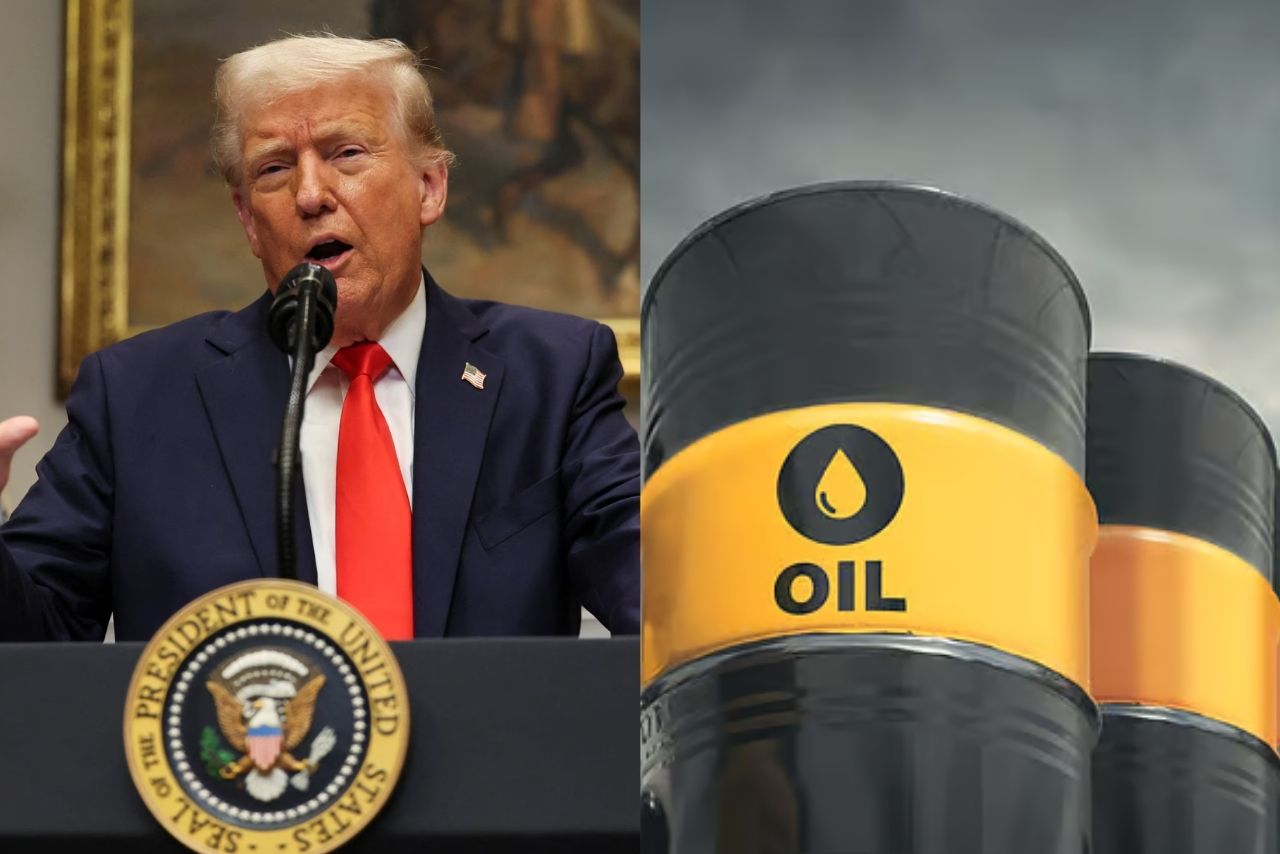
Is Donald Trump Planning to Clear America’s $38 Trillion Debt Using Venezuela and Iran’s Oil?
Synopsis:US national debt tops $38 trillion amid big deficits. Trump arrested Venezuela’s Maduro, controls its oil funds via Qatar account. US-Israel hit Iran. But oil cash won’t fix debt, it’s about geopolitics vs. rivals like China As America’s national debt crosses $38.85 trillion, Washington’s latest oil moves raise hard questions about money, power, and geopolitics. […] The post Is Donald Trump Planning to Clear America’s $38 Trillion Debt Using Venezuela and Iran’s Oil? appeared first on Trade Brains.

Synopsis:US national debt tops $38 trillion amid big deficits. Trump arrested Venezuela’s Maduro, controls its oil funds via Qatar account. US-Israel hit Iran. But oil cash won’t fix debt, it’s about geopolitics vs. rivals like China
As America’s national debt crosses $38.85 trillion, Washington’s latest oil moves raise hard questions about money, power, and geopolitics. Something big shifted on January 3, 2026. U.S. forces arrested Venezuelan President Nicolás Maduro and flew him to New York on drug-trafficking charges. President Donald Trump quickly made his intentions clear. He wanted to “take back” Venezuela’s oil.
Across the globe, the U.S. and Israel struck Iran’s military infrastructure on February 28. Both countries sit on massive oil reserves. Both have been under U.S. sanctions for years. Now, Washington is moving aggressively to control their energy flows and the question on everyone’s mind is: why?
Part of the answer lies in a number that keeps growing $38.85 trillion. That is how much the United States currently owes in national debt. Economists and Wall Street analysts have sounded alarm bells. JPMorgan’s Jamie Dimon and Federal Reserve Chair Jerome Powell have both warned that America’s fiscal path is unsustainable.
The U.S. government ran a cumulative deficit of $439 billion in just the first two months of fiscal year 2026. So when Trump moves on oil-rich countries, many observers ask: is this really about national security or is it also about money?
Trump’s Venezuela Oil Play: What’s Really Going On
On January 9, 2026, Trump signed an executive order titled “Safeguarding Venezuelan Oil Revenue for the Good of the American and Venezuelan People.” The order blocks creditors from seizing oil revenue sitting in U.S.-controlled accounts.
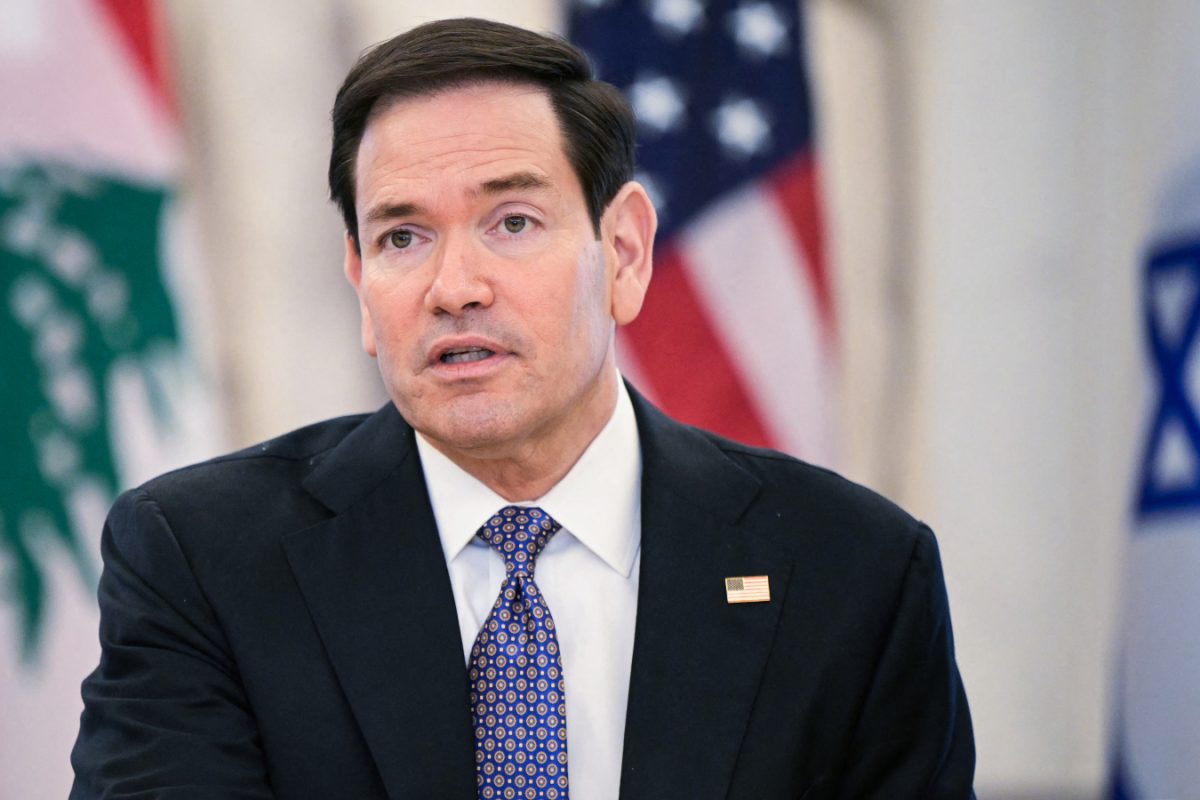
Instead, these funds will flow through a restricted account in Qatar. Venezuela then submits monthly budget requests for teacher salaries, police pay, and healthcare and the U.S. approves each payout. Secretary of State Marco Rubio explained the setup plainly before the Senate Foreign Relations Committee: “Venezuela will submit every month a budget. We will provide for them what that oil money can be used for.”
This is an unusual arrangement. Effectively, the United States now controls how Venezuela spends its own oil money. Furthermore, Trump stated on January 6 that Venezuelan officials agreed to hand over “sanctioned oil” worth roughly $3 billion. The U.S. would then sell that oil and deposit the proceeds into U.S.-supervised accounts. This means America is essentially running Venezuela’s oil revenues at least for now.
However, experts warn that turning oil into easy cash for America is far harder than it sounds. Rehabilitating Venezuela’s broken oil infrastructure alone could cost $80 to $90 billion over six to seven years, according to Columbia University’s Center on Global Energy Policy.
Venezuela currently produces less than one million barrels per day a fraction of what it once pumped. Additionally, the country carries roughly $150 billion in foreign debt, with nearly two dollars owed for every dollar its economy produces. There is no quick windfall waiting for Washington.
Iran’s Oil: Sanctions, Shadow Fleets, and Lost Revenue
Iran tells a similar story but on a bigger scale. Even under heavy U.S. sanctions, Iran earned an estimated $193.5 billion in crude oil revenues over the past five years, according to analysts at Iran International. Yet despite those earnings, Iran’s economy shrank dramatically. Its GDP fell from around $600 billion in 2010 to an estimated $356 billion in 2025. Sanctions clearly hurt but they did not stop the oil from flowing.
The reason is a global shadow network. Iran sells its oil to China through shadow fleet tankers, ship-to-ship transfers, and third-country re-exports. China currently absorbs the bulk of sanctioned Iranian crude. Iran accounts for about 4 percent of global crude oil production. That may sound small, but it adds millions of barrels to the market each year mostly beyond U.S. reach.
The relationship between Iran and Venezuela deepened after 2019 when U.S. sanctions tightened on both countries. Iran supplied refinery repairs and gasoline to Venezuela. Venezuela sent back heavy crude, gold, and commodities. Both relied on barter deals and shadow shipping to dodge sanctions. Furthermore, leaked documents suggest Iran-linked projects in Venezuela totalled roughly $4.7 billion. With Maduro now gone and Venezuela’s new leadership leaning toward Washington, Iran’s investments there suddenly look like a liability.
In February 2026, the U.S. and Israel struck Iran, directly targeting military infrastructure and regime leadership. The move rocked global energy markets. Therefore, Iranian oil that once quietly fed China now faces a far more hostile environment. The question is whether Washington can actually cut off that supply or whether China simply finds another route around the blockade.
Can Oil Revenue Actually Dent America’s $38 Trillion Debt?
Let’s put the numbers in perspective. Venezuela produces roughly 800,000 barrels of crude per day. At current oil prices hovering around $94 to $98 per barrel, that equals about $27 billion per year in total revenue before costs. Even if the U.S. captured every single dollar, it would barely cover 0.05 percent of the national debt. By comparison, the U.S. government spends approximately $6.9 trillion per year. Venezuela’s oil is, financially speaking, a rounding error.
Iran’s scale is larger. Before the latest strikes, Iran exported an estimated 1.5 to 2 million barrels per day. At current prices, that translates to roughly $40 to $55 billion per year. Still, that figure would not meaningfully reduce a $38.5 trillion debt pile. Economists at UBS and Fortune pointed out that military operations like seizing Maduro cost money. They do not save it. “Military adventures cost money,” UBS chief economist Paul Donovan told clients directly after the Venezuela operation.
So if the oil revenue math does not add up, why is Washington doing this? The more honest answer involves geopolitics, not accounting. By controlling Venezuela’s oil, the U.S. cuts off a vital revenue stream for China and weakens Cuba, which relies on subsidized Venezuelan oil for basic energy needs. Similarly, striking Iran disrupts a sanctions-evasion network that had kept the regime funded for years. In short, these moves are about denying rivals not about filling the U.S. Treasury.
What This Means for Oil Prices and the American Consumer
Here is where the average American enters the picture. When the U.S. tightens the screws on major oil producers, global prices can spike. However, energy analysts note that OPEC+ has kept markets well-supplied. Saudi Arabia and the UAE hold significant spare capacity. Therefore, the disruption from Venezuela and Iran’s reduced exports has so far not sent prices soaring. The Brent Crude benchmark has exceeded $100 per barrel only once in the past decade, even through major geopolitical shocks.
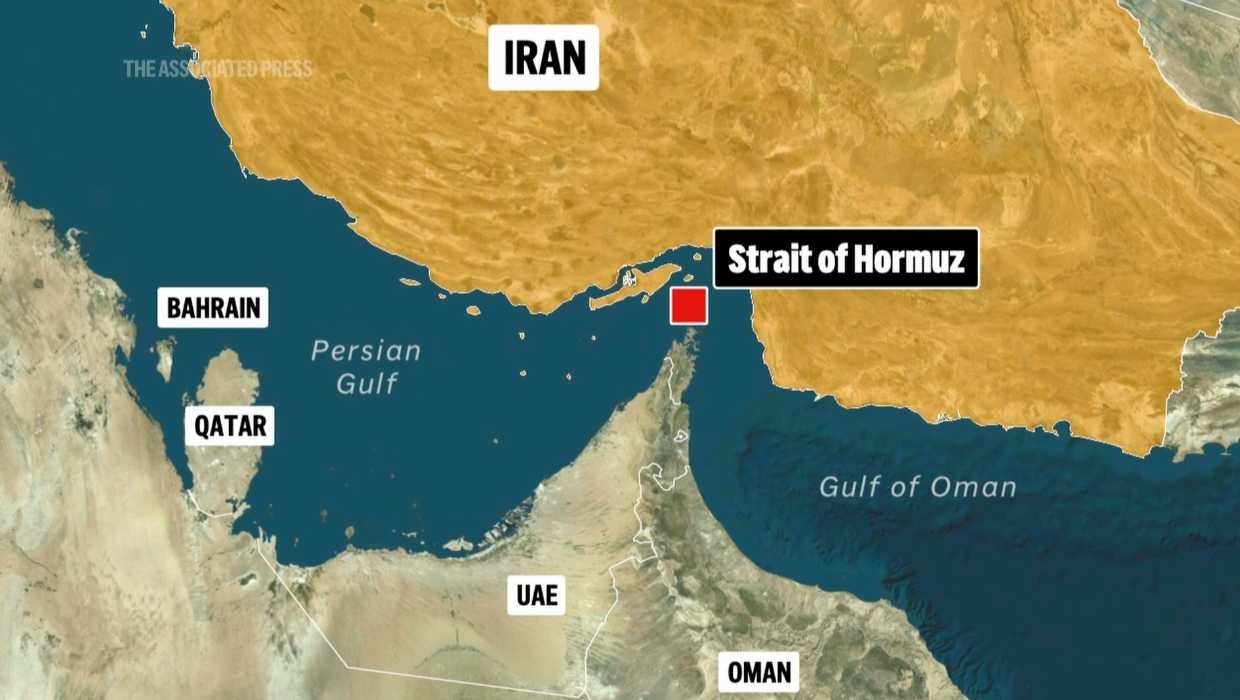
Still, risks remain real. If Iran retaliates against Gulf energy infrastructure or if shipping lanes in the Strait of Hormuz face disruption prices could jump sharply. Iran still moves about 20 percent of the world’s oil through that narrow passage. Any serious blockage would hit American consumers at the gas pump almost immediately.
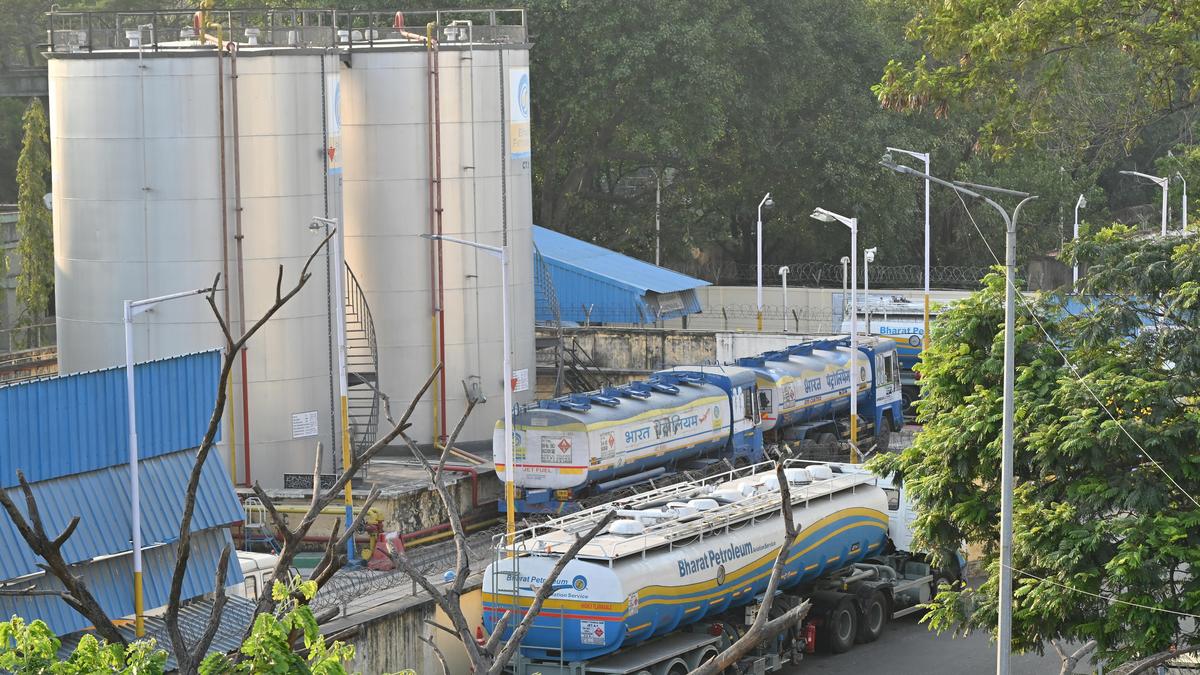
On the other hand, U.S. refineries along the Gulf Coast face their own challenge. Most American shale oil is light crude. But many refineries in Texas and Louisiana are built to process heavy crude exactly the kind that Venezuela produces. As a result, the U.S. has a structural reason to want Venezuelan heavy oil flowing again. It fits the refineries. It replaces Canadian crude. And it reduces dependence on OPEC. That is the quiet industrial logic behind Trump’s aggressive Venezuela play.
Since April 2025, any country importing Venezuelan oil also faces a 25 percent tariff on its exports to the United States. That policy specifically targeted China Venezuela’s biggest buyer, taking 613,000 barrels per day. Washington is using tariffs as a lever to break the China-Venezuela oil pipeline. Whether it works depends on Beijing’s willingness to absorb the cost or find workarounds.
What Will Be The Realistic Scenario
The United States does not need Venezuelan or Iranian oil to pay off its debt. The numbers simply do not support that conclusion. The debt is $38.5 trillion. The combined oil revenue from both countries, even under ideal conditions, would barely make a dent over decades. Moreover, the cost of military operations, enforcement, and infrastructure investment in Venezuela alone could easily outstrip any near-term oil profits.
What the U.S. does need, however, is leverage. Controlling Venezuela’s oil starves China of cheap energy and gives Washington a powerful card in the Western Hemisphere. Striking Iran’s infrastructure disrupts a sanctions-evasion system worth billions every year. These are moves designed to weaken rivals, reshape global energy flows, and assert dominance not to balance the U.S. budget.
For ordinary Americans, the effects will show up at the gas pump and in geopolitical headlines not in any reduction of the national debt. The debt clock keeps ticking. The oil wars continue. And the connection between the two remains far more complicated than any headline suggests.
Disclaimer: The views and investment tips expressed by investment experts/broking houses/rating agencies on tradebrains.in are their own, and not that of the website or its management. Investing in equities poses a risk of financial losses. Investors must therefore exercise due caution while investing or trading in stocks. Trade Brains Technologies Private Limited or the author are not liable for any losses caused as a result of the decision based on this article. Please consult your investment advisor before investing.
The post Is Donald Trump Planning to Clear America’s $38 Trillion Debt Using Venezuela and Iran’s Oil? appeared first on Trade Brains.
What's Your Reaction?