







































Sectors Likely to Benefit as the India-UK Free Trade Agreement Comes Into Effect
Synopsis: The India-UK Free Trade Agreement is now in force, giving duty-free access to 99 percent of Indian exports and supporting bilateral trade worth $25.12 billion in FY26. India and the UK have officially brought their long-awaited Free Trade Agreement into force, marking a major step in strengthening economic ties between the two countries. The […] The post Sectors Likely to Benefit as the India-UK Free Trade Agreement Comes Into Effect appeared first on Trade Brains.

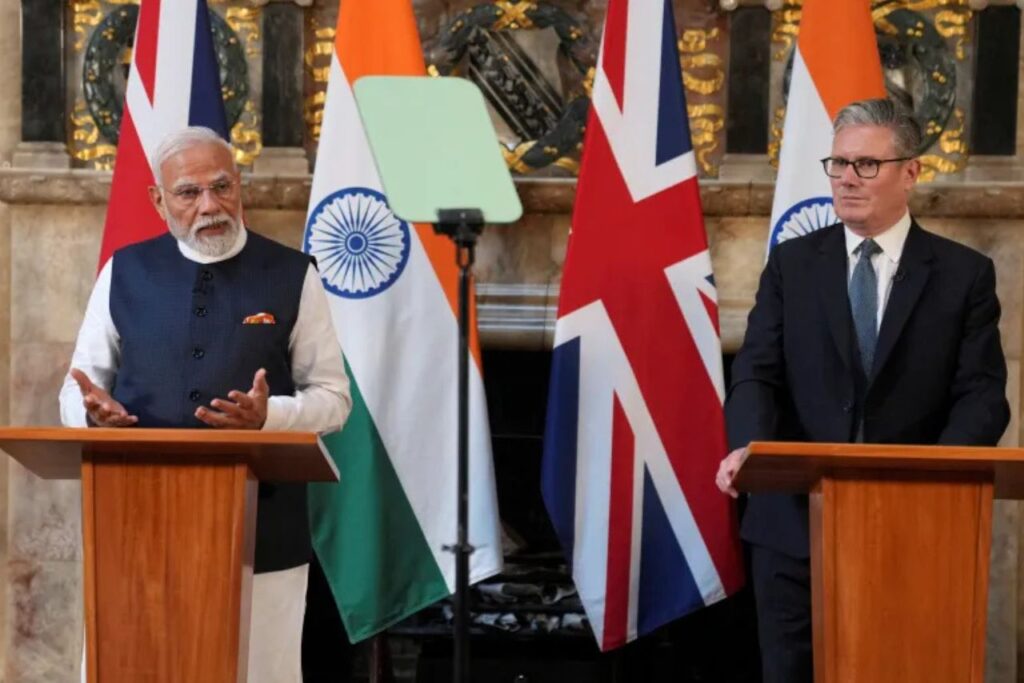
Synopsis: The India-UK Free Trade Agreement is now in force, giving duty-free access to 99 percent of Indian exports and supporting bilateral trade worth $25.12 billion in FY26.
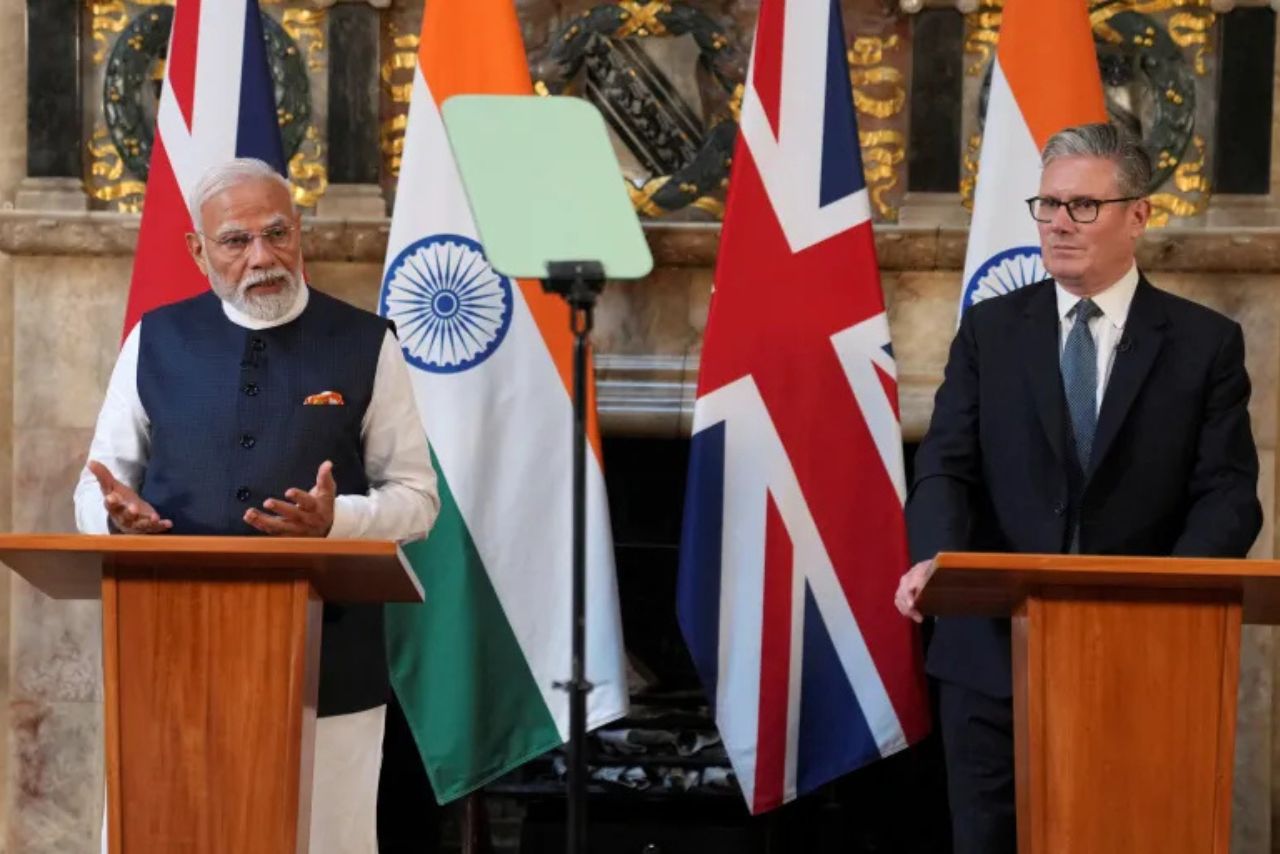
India and the UK have officially brought their long-awaited Free Trade Agreement into force, marking a major step in strengthening economic ties between the two countries. The agreement is expected to make trade easier by reducing tariffs, improving market access and creating new opportunities for businesses on both sides.
The deal covers a wide range of areas, including trade in goods and services, investment, government procurement and professional mobility. It is also expected to benefit several industries by improving export opportunities, lowering import costs and supporting long-term growth in bilateral trade.
India-UK FTA: Key Highlights
The India-UK Comprehensive Economic and Trade Agreement (CETA) came into effect on July 15, making it one of India’s biggest free trade agreements in recent years. Under the deal, around 99 percent of Indian exports will get duty-free access to the UK market. The agreement is expected to boost India’s exports, improve market access for domestic businesses, and strengthen trade ties between the two countries.
The agreement is also expected to benefit Indian consumers by making several imported products from the UK cheaper as customs duties are reduced over time. Trade between India and the UK rose 8.62 percent to $25.12 billion in FY26 from $23.13 billion in FY25. During the same period, India’s exports stood at $13.44 billion, while imports from the UK increased to $11.68 billion. The UK also invested $1 billion in India through foreign direct investment (FDI) in FY26, up from $795 million in the previous year.
How will it benefit India?
The India-UK Free Trade Agreement is expected to improve market access for businesses by reducing trade barriers, lowering costs and making trade easier between the two countries. The deal gives duty-free access to around 99 percent of Indian exports to the UK, helping Indian companies expand in one of the world’s largest developed markets. It also marks one of India’s first major trade agreements with a developed economy in recent years, helping businesses adapt to global standards and trade practices.
The agreement is also expected to strengthen India’s role in global supply chains and support long-term export growth. Experts say the full benefits will depend on how well businesses meet the agreement’s rules and compliance requirements. At the same time, India has protected sensitive domestic industries by excluding products such as fresh apples, walnuts, gold bars and smartphones from tariff concessions under the deal.
Sectors that can benefit from the Deal
Auto
India will gradually reduce import duties on fully built cars from the UK from 110 percent to 10 percent and on trucks from 44 percent to 8.8 percent within the quota, making premium UK vehicles cheaper over time. However, UK electric, hybrid and hydrogen-powered passenger vehicles will get concessional access only from the sixth year, giving Indian EV makers five years of protection, while the UK will provide duty-free access to eligible Indian clean-energy vehicles within a quota.
Alcohol
India will gradually reduce import duties on premium alcoholic beverages from the UK. For Scotch whisky, the tariff will fall from 150 percent to 75 percent immediately and further to 40 percent by the tenth year, while duties on other eligible alcoholic beverages will also be reduced in phases, making imports cheaper over time.
Government Procurement
India has opened around 40,000 high-value central government procurement contracts to eligible UK companies for the first time under a trade agreement. These contracts cover sectors such as transport, green energy and infrastructure, giving UK businesses greater access to government projects.
Intellectual Property Rights
India did not agree to patent-term extensions or pharmaceutical data exclusivity, keeping its existing patent rules unchanged. However, it accepted stronger intellectual property enforcement while retaining the right to use compulsory licensing during emergencies.
Double Contribution Convention
Indian employees sent to the UK for work will be exempt from paying UK social security contributions for up to five years. This is expected to reduce costs for Indian companies with UK operations, particularly IT firms.
Steel Safeguard
Although India exported about $900 million worth of steel and steel products to the UK in FY26, these exports may face pressure as the UK has introduced a stricter steel import regime from July 1, 2026, despite the broader trade agreement.
Conclusion: The India-UK Free Trade Agreement marks an important step in strengthening economic ties between the two countries. By improving market access, reducing tariffs and making trade easier, the deal is expected to create new opportunities for Indian exporters, businesses and professionals while also giving consumers access to a wider range of imported products at lower prices over time.
While the agreement offers significant long-term benefits, its success will depend on how businesses adapt to the new rules and make use of the opportunities it provides. With duty-free access for most Indian exports and support for trade and investment, the deal is expected to play a key role in boosting bilateral trade in the coming years.
Disclaimer: The views and investment tips expressed by investment experts/broking houses/rating agencies on tradebrains.in are their own, and not that of the website or its management. Investing in equities poses a risk of financial losses. Investors must therefore exercise due caution while investing or trading in stocks. Trade Brains Technologies Private Limited or the author are not liable for any losses caused as a result of the decision based on this article. Please consult your investment advisor before investing.
The post Sectors Likely to Benefit as the India-UK Free Trade Agreement Comes Into Effect appeared first on Trade Brains.
What's Your Reaction?