






































































Textile Stock: How Pearl Global Is Overcoming U.S. Tariffs and Sustaining Growth?
Synopsis: Despite U.S. tariffs on Indian apparel rising to nearly 50 percent, Pearl Global sustained 9.3 percent YoY revenue growth to Rs. 1,313 cr and 28.6 percent YoY profit growth to Rs. 72 cr in Q2FY26. This article examines how the company is sustaining growth despite these hurdles and evaluates the strategic levers supporting its […] The post Textile Stock: How Pearl Global Is Overcoming U.S. Tariffs and Sustaining Growth? appeared first on Trade Brains.

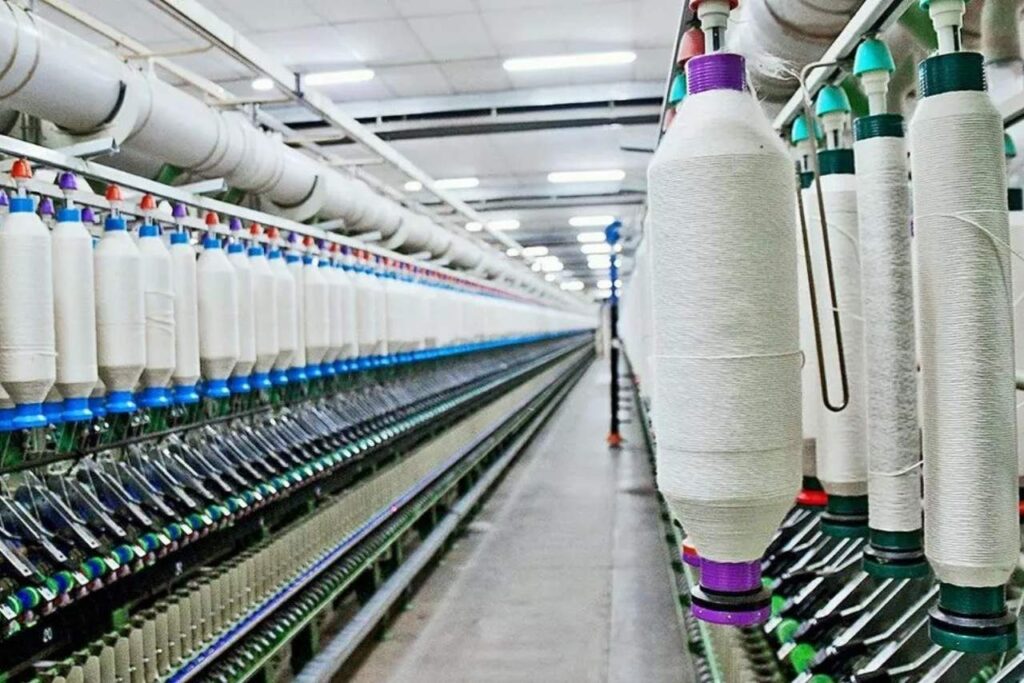
Synopsis: Despite U.S. tariffs on Indian apparel rising to nearly 50 percent, Pearl Global sustained 9.3 percent YoY revenue growth to Rs. 1,313 cr and 28.6 percent YoY profit growth to Rs. 72 cr in Q2FY26. This article examines how the company is sustaining growth despite these hurdles and evaluates the strategic levers supporting its competitiveness in global markets.
Pearl is a leading readymade garment manufacturer that derives nearly 99 percent of its revenue from exports. Yet, despite the U.S. tariffs, the company continues to sustain and even grow its revenue. The article below explains the strategies Pearl is using to achieve this.
Pearl Global Industries Ltd, with a market capitalization of Rs. 7,319.77 crore, closed at Rs. 1,590 per equity share, up by 0.04 percent from its previous day’s close price of Rs. 1,589.40 per equity share.
About the Company
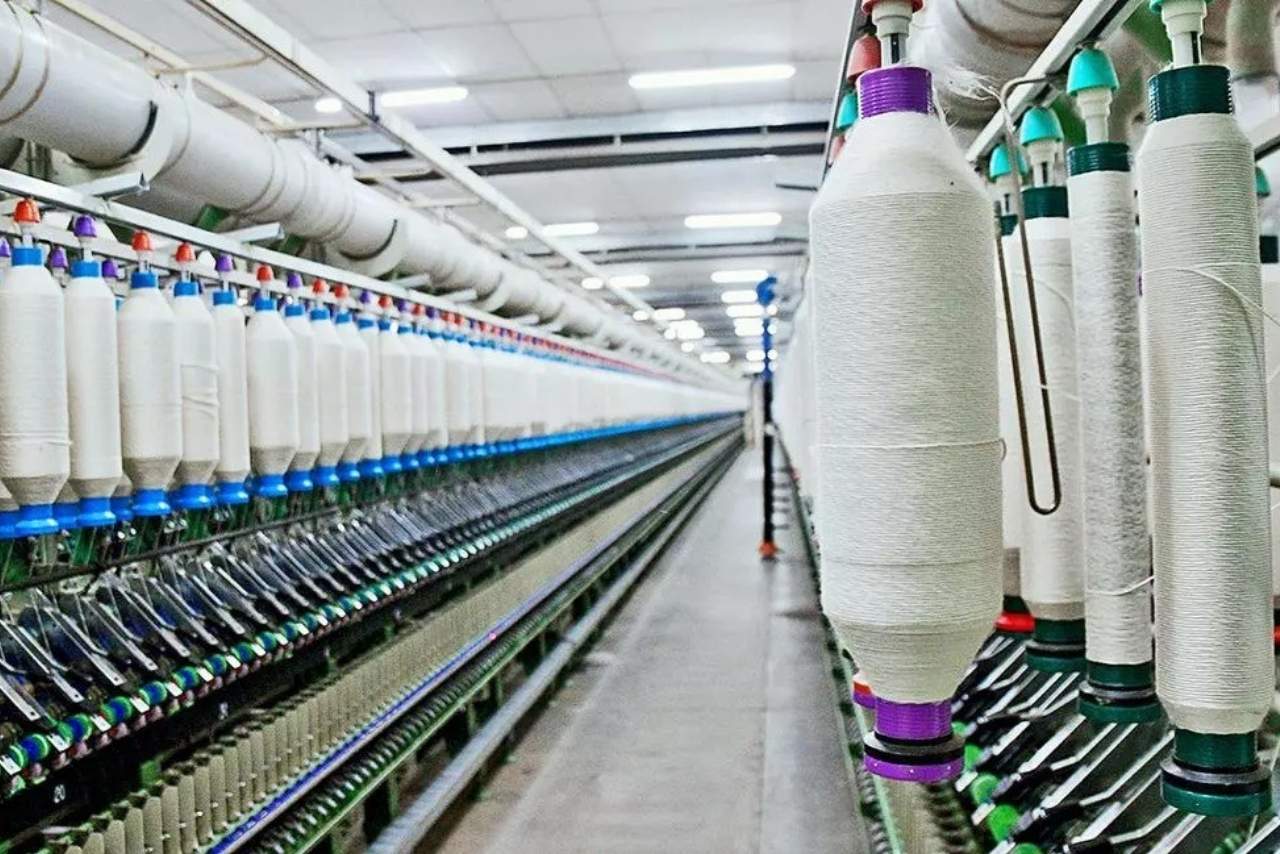
Pearl Global Industries Ltd., headquartered in Gurugram and founded in 1987, is a major manufacturer of readymade garments with operations in India and overseas. The company produces a wide range of apparel for women, men, boys, girls, and toddlers, including casual wear, activewear, athleisure, workwear, children’s wear, and denim. Along with manufacturing, it is also involved in online garment trading, skill-development initiatives, and offers end-to-end supply-chain solutions. It sells its products primarily through retail partners and was earlier known as House of Pearl Fashions Ltd.
Pearl Global earns 99 percent of its revenue from exports, with around 50 percent of shipments going to the US. It manufactures T-shirts, activewear, shirts, dresses and sleepwear for major American brands like Gap, Kohl’s, Calvin Klein, Tommy Hilfiger, Ralph Lauren, Macy’s and Walmart. Its Indian factories contribute about 25 percent of total export capacity, and half of this India-based output is supplied to the US market.
U.S Tariffs on Textile Sector
The U.S. has sharply increased tariffs on Indian textile and apparel imports, raising duties to around 50 percent in 2025 from earlier MFN rates that generally ranged between 6 and 32 percent. For many garments, such as cotton T-shirts, trousers, and skirts, the total landed cost for U.S. buyers can now rise to nearly 65 percent, making Indian products more expensive and reducing price competitiveness. These higher tariffs are aimed at protecting U.S. manufacturers and addressing trade imbalances, but they pose significant challenges for Indian exporters who rely heavily on the American market.
How Pearl is overcoming U.S Tariffs
Global Manufacturing Footprint
Pearl Global operates 25 manufacturing units with a total capacity of 93.2 million pieces per year. These include eight units in India, four in Bangladesh, two in Indonesia, and one each in Vietnam and Guatemala. The Bangladesh unit exports the most, producing woven, knits, denim, sleepwear, loungewear, activewear, athleisure, and apparel for men, women, and kids.
Strategic Advantage Through Location
With US tariffs creating uncertainty, many brands are considering shifting sourcing to low-tariff countries like Vietnam and Bangladesh, where tariffs are around 20 percent. Pearl Global is well-positioned to benefit from this shift, as it already operates manufacturing units in Vietnam, Indonesia, and Bangladesh. Most production is moved or repositioned to these countries.
By leveraging its diverse manufacturing locations, Pearl Global can redirect production to low-tariff countries, remain cost-competitive, and continue supplying major US brands. This geographical flexibility effectively mitigates the impact of US tariffs and strengthens the company’s global supply chain.
Financial Outlook
The company reported a revenue of Rs. 1,313 crore in Q2FY26, up 9.3 percent YoY from Rs. 1,202 crore in Q2FY25 and 7.0 percent QoQ from Rs. 1,228 crore in Q1FY26. Profit rose to Rs. 72 crore in Q2FY26, marking a 28.6 percent YoY increase from Rs. 56 crore in Q2FY25 and a 9.1 percent QoQ improvement over Rs. 66 crore in Q1FY26, reflecting healthy operational growth and margin expansion.
Over the past five years, the company has delivered a revenue CAGR of 22 percent, a profit CAGR of 57 percent, and a share price increase of 81 percent, reflecting strong growth and value creation for shareholders.
A return on equity (ROE) of about 24.3 percent, a return on capital employed (ROCE) of about 22.1 percent and debt to equity ratio of 0.58 demonstrate the company’s financial position. At the moment, the company’s P/E ratio is 27.7x similar as compared to its industry P/E 27.8x.
Ace Investor Holdings
As of September 2025, ace investor Mukul Mahavir Agarwal holds a 1.74 percent stake in the company, amounting to 8 lakh shares. He first made a fresh investment in September 2021, when he acquired a 2.31 percent stake, or 5 lakh shares.
Future Outlook
Pearl Global plans a total capex of about Rs. 250 crore for FY26, mainly to boost its manufacturing strength and sustainability initiatives. The company will invest Rs. 110 crore in expanding capacity in Bangladesh and Rs. 20 crore for capacity enhancement in India, while Rs. 90 crore is allocated for expanding sustainable laundry operations. It is also setting aside Rs. 5 crore for solar power installation and Rs. 25 crore for replacement and efficiency upgrades. Together, these investments are expected to increase overall production capacity by nearly 8 million pieces, including 5–6 million pieces from Bangladesh and 2.5–3.5 million pieces from India.
Conclusion
Despite steep U.S. tariffs on Indian textiles, Pearl Global is successfully sustaining growth by smartly shifting production to its low-tariff factories in Bangladesh, Vietnam, and Indonesia.
This diversified global footprint helps the company stay cost-competitive for major U.S. brands, protecting export volumes even as duties rise. Supported by strong financial performance, expanding capacities, and a clear focus on efficiency and sustainability, Pearl Global is effectively navigating the tariff challenges and remains well-positioned to continue its growth in the global apparel market.
Written by Akshay Sanghavi
Disclaimer

The views and investment tips expressed by investment experts/broking houses/rating agencies on tradebrains.in are their own, and not that of the website or its management. Investing in equities poses a risk of financial losses. Investors must therefore exercise due caution while investing or trading in stocks. Trade Brains Technologies Private Limited or the author are not liable for any losses caused as a result of the decision based on this article. Please consult your investment advisor before investing.
The post Textile Stock: How Pearl Global Is Overcoming U.S. Tariffs and Sustaining Growth? appeared first on Trade Brains.
What's Your Reaction?