













































VIP Industries: Can India’s Former Luggage King Make A Comeback?
Synopsis: VIP Industries has gone from dominating India’s luggage market to losing leadership, reporting negative EBITDA, and watching competitors overtake it. Now, after a ₹1,750 crore private equity takeover by Multiples, the company is attempting one of the biggest consumer-brand turnarounds currently playing out in Indian markets. VIP Industries was once the undisputed leader of […] The post VIP Industries: Can India’s Former Luggage King Make A Comeback? appeared first on Trade Brains.

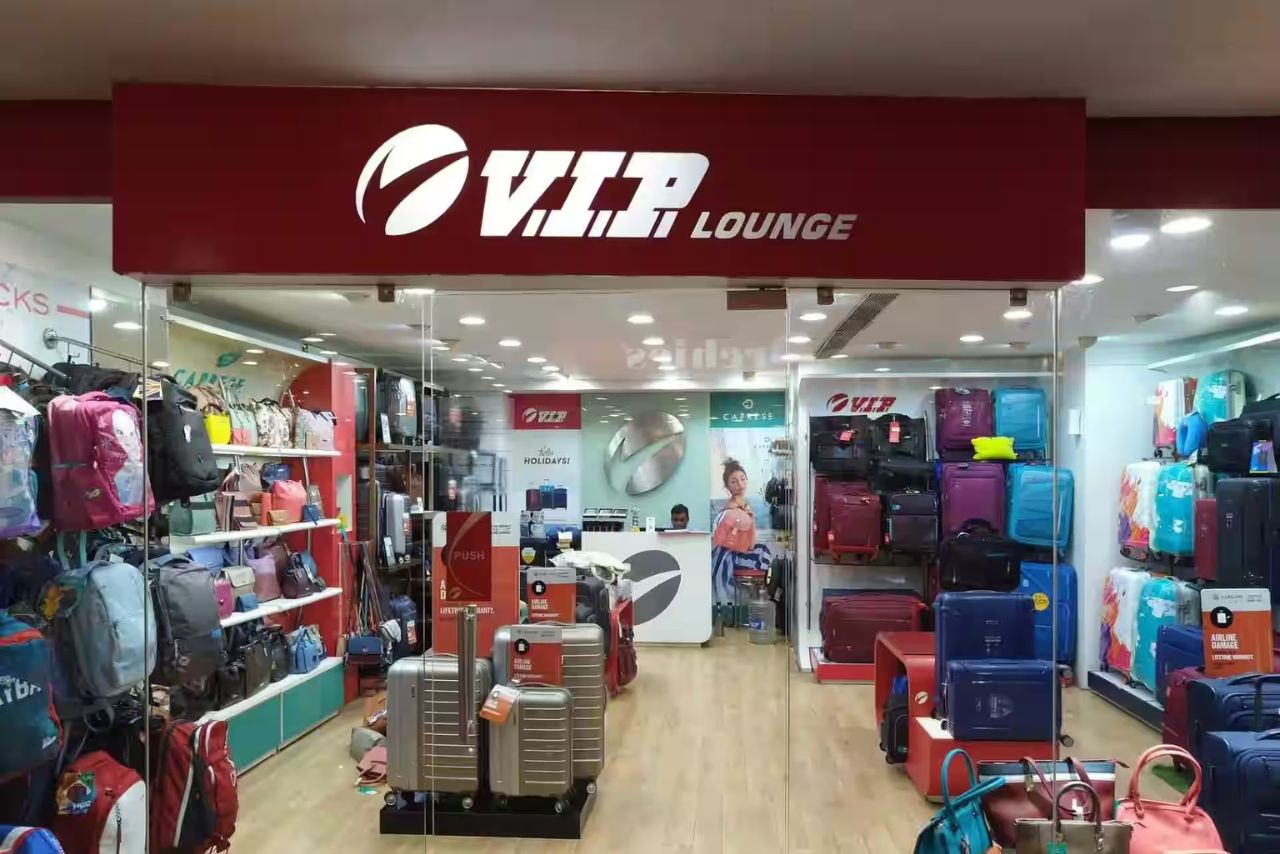
Synopsis: VIP Industries has gone from dominating India’s luggage market to losing leadership, reporting negative EBITDA, and watching competitors overtake it. Now, after a ₹1,750 crore private equity takeover by Multiples, the company is attempting one of the biggest consumer-brand turnarounds currently playing out in Indian markets.
VIP Industries was once the undisputed leader of India’s organised luggage market with nearly 47% market share in CY20. By late CY25, that number had reportedly fallen to nearly 29%, while rival Safari Industries surged to roughly 32%.
The decline was not gradual. It came alongside collapsing profitability, bloated inventory, discount-led selling, online competition, and operational inefficiencies across the supply chain and product positioning.
The Numbers Behind The Collapse
The financial deterioration was severe. FY24 revenue stood at ₹2,245 crore. FY25 revenue declined to ₹2,178 crore. While in FY26, revenue further declined to ₹1,858 crore. EBITDA collapsed from ₹205 crore in FY24 to ₹93 crore in FY25. The situation worsened further during FY26. For FY26, EBITDA turned negative at nearly ₹218 crore, while EBITDA margins slipped to negative 11.2%.
The company also absorbed nearly ₹130 crore of inventory-related provisions and liquidation costs during the cleanup exercise. Meanwhile, inventory levels became unsustainable. Net inventory stood at ₹916 crore in March 2024. By March 2025, it remained elevated at ₹698 crore.
At the operational level, channel inventory had reportedly crossed 90 days, product discounting intensified aggressively, and online competition started compressing pricing power across categories.
The New Management Reset
The turnaround is also being driven by an almost completely rebuilt leadership team under new CEO Atul Jain, who previously worked with Samsung and Orient Electric. The new C-suite includes Rahul Poddar as CFO, Alok Pathak as CSO, Sameer Wanchoo as CMO, V Harikumar leading e-commerce, and Sanjeev Sharma as CIO. The company has also strengthened product design and consumer positioning with Ramneek Walia leading the new-age design vertical as VIP attempts to rebuild relevance with younger consumers.
What The New Management Has Already Fixed
The new management’s first objective was not growth. It was stabilisation. And the cleanup numbers are significant. Net inventory has reduced from ₹698 crore in FY25 to ₹472 crore in FY26, a reduction of more than ₹220 crore in one year. Gross inventory units declined from 45 lakh units to 28 lakh units.
Channel inventory reportedly normalised below 60 days from earlier levels exceeding 90 days. Despite operating losses, net debt also reduced from ₹367 crore to ₹295 crore during FY26. Bangladesh manufacturing operations, which were earlier underutilised, reportedly generated ₹9 crore EBITDA in Q4 FY26 after earlier losses.
The Recovery Phase Has Started
The company now appears to be moving from stabilisation into growth recovery. Management stated that April 2026 retailer billings grew more than 30% year-on-year, while general trade secondary sales reportedly increased over 35%.
Offline business performance, which had been declining sharply earlier, has started stabilising. The company is also rolling out newer product categories and functional travel innovations while trying to reposition brands such as VIP, Skybags, Aristocrat, Carlton, and Caprese with clearer pricing and segmentation discipline.
Why FY27 Could Become Critical
Even after excluding one-time inventory cleanup costs, adjusted EBITDA remains negative. This means FY27 becomes the first real year where investors will judge whether operational cleanup can actually convert into sustainable profitability recovery.
The competitive pressure also remains intense. Safari Industries currently operates with EBITDA margins of nearly 14%, positive cash generation, and market leadership momentum. VIP is still rebuilding from losses.
Risks Still Remain High
The turnaround is far from guaranteed. The Carlton litigation continues to remain unresolved and could affect the company’s premium positioning strategy. Online luggage competition remains extremely aggressive, especially from digital-first brands competing aggressively on price.
Most importantly, the recovery requires simultaneous improvement in revenue growth, gross margins, inventory discipline, and channel execution, all at the same time. If margins do not recover quickly enough, the turnaround timeline could stretch significantly longer than investors currently expect.
Market Takeaway
VIP Industries today looks less like a traditional consumer stock and more like a high-risk, high-reward restructuring story backed by private equity capital. The company has already completed the painful phase, including ₹130 crore inventory provisions, over ₹220 crore inventory reduction, debt reduction, channel cleanup, and management restructuring.
Now the market is waiting for the next phase: growth recovery. If the company can stabilise market share near 29%, improve margins, and rebuild online competitiveness, the re-rating potential could become meaningful over the next few years. But if execution slows and competitors continue gaining share, the turnaround could remain incomplete despite the operational cleanup already underway.
Founded in 1968, VIP Industries is one of India’s largest luggage and travel accessories manufacturers with brands including VIP, Skybags, Aristocrat, Carlton, and Caprese. The company operates across nearly 14,000 retail touchpoints in over 1,400 towns and has manufacturing operations in India and Bangladesh spanning hard luggage, soft luggage, backpacks, and travel accessories.
Disclaimer: The views and investment tips expressed by investment experts/broking houses/rating agencies on tradebrains.in are their own, and not that of the website or its management. Investing in equities poses a risk of financial losses. Investors must therefore exercise due caution while investing or trading in stocks. Trade Brains Technologies Private Limited or the author are not liable for any losses caused as a result of the decision based on this article. Please consult your investment advisor before investing.
The post VIP Industries: Can India’s Former Luggage King Make A Comeback? appeared first on Trade Brains.
What's Your Reaction?