




























































What does Adani gain from its ₹15,000 Ce bet on Jaiprakash Associates?
Synopsis: Adani’s Rs 15,000-crore investment in the bankrupt Jaiprakash Associates is not a rescue; rather, it is a grab of land, cement and power that has the potential to change the group’s face entirely. The transaction with 93% creditor backing is going to NCLT. So, what does Adani actually get in buying a heavily indebted […] The post What does Adani gain from its ₹15,000 Ce bet on Jaiprakash Associates? appeared first on Trade Brains.

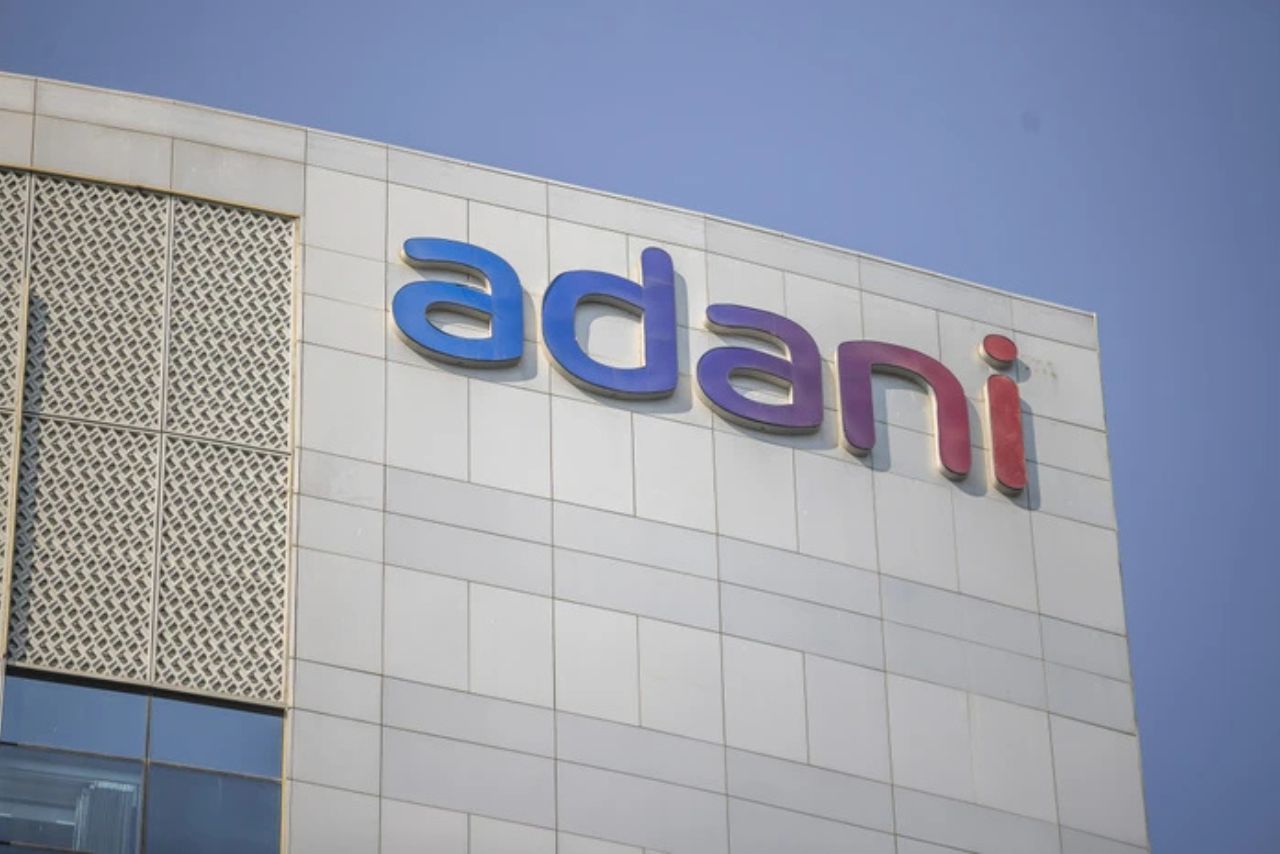
Synopsis: Adani’s Rs 15,000-crore investment in the bankrupt Jaiprakash Associates is not a rescue; rather, it is a grab of land, cement and power that has the potential to change the group’s face entirely. The transaction with 93% creditor backing is going to NCLT.
So, what does Adani actually get in buying a heavily indebted company? The reason is a secret cache of land, cement plants, power assets, and hotels that can propel the group’s growth. To understand this, we should first dive into the group’s history and how the transaction evolved over the period.
With a market capitalisation of Rs 1,031 crore, the shares of Jaiprakash Associates Ltd closed at Rs 4.32 per share, up 5 percent from its previous day’s closing price of Rs 4.12 per share. Over the past five years, the stock has corrected by over 44 percent, as compared to NIFTY 50’s positive return of 93 percent.
The History
Jaiprakash Associates Ltd (JAL) started back in 1979, by the visionary entrepreneur Jaiprakash Gaur. It didn’t take long for the company to explode into one of India’s biggest names in infrastructure, cement, power, real estate, hotels, you name it. But JAL didn’t play it safe. They kept betting big, pouring money, mostly borrowed from banks, into huge projects like the Yamuna Expressway, the Buddh International Circuit, and a bunch of hydropower plants.
Then came 2008. The global financial crisis slammed into real estate and construction, and suddenly, JAL’s cash flow dried up. Things only got worse in the years after. Hydropower policies changed, banks didn’t want to lend more money, and debt started piling up. In 2008, JAL owed Rs 11,000 crore, and by 2016, it had shot up to over Rs 75,000 crore. Just paying the interest became a nightmare.
JAL tried to fix things. They sold off big pieces of its business, like cement plants went to UltraTech and Shree Cement, hydropower assets to JSW Energy. But it barely made a dent. Finally, on June 3, 2024, the company landed in insolvency after defaulting on Rs 57,185 crore. Now, National Asset Reconstruction Company Ltd (NARCL), which had acquired stressed JAL loans from a consortium of lenders headed by the State Bank of India in March 2025, calls the shots, holding more than 86 percent of the voting power.
The Auction Battle Heats Up
In September 2025, a major auction took place to determine who would take over Jaiprakash Associates. Several companies expressed interest, but only Vedanta and Adani made final offers. In the first round, Vedanta won by promising the highest total amount, around Rs 17,000 crore. However, there was a catch: Vedanta intended to pay only Rs 3,800 crore now, and the rest, Rs 12,400 crore, to be paid within the next five years.
Then, in November 2025, something unexpected occurred. The lenders changed their minds and voted for Adani’s offer instead. Although Adani’s total offer was lower at Rs 14,535 crore, they promised to pay Rs 6,005 crore immediately. This upfront payment was much higher than what Vedanta offered. Adani also committed to paying the remaining balance (Rs 6,726 crore) within just two years, rather than five.
The lenders preferred Adani’s plan because they needed money quickly, not slowly. This relates to the “time value of money” concept; money received today is more beneficial than money received years later. Since Adani offered more cash upfront, the banks felt more secure and chose Adani as the winner. This is why the auction outcome changed, despite Vedanta having the larger total offer initially.
So now the question is, what does Adani gain from this transaction?
If Adani’s Rs 15,000-crore plan is approved, the group will gain access to one of the most valuable asset bundles in India’s infrastructure sector. The biggest gain is nearly 4,000 acres of prime land in Noida and Greater Noida, a highly strategic land bank in the heart of the NCR real estate market.
Along with this, Adani will acquire 6.5 million tonnes of cement capacity in Uttar Pradesh and Madhya Pradesh, which fits perfectly into its goal of becoming India’s largest cement manufacturer through the ACC-Ambuja platform. Adani will also gain a 24 percent stake in Jaiprakash Power Ventures, which strengthens its presence in the energy sector and adds another piece to its power and utilities strategy.
In addition to these main assets, the acquisition includes a large hospitality portfolio of 867 hotel rooms across Delhi, Agra, and Mussoorie, which can improve Adani’s airports, travel, and tourism businesses. The deal also covers fertiliser units, construction facilities, and other industrial assets. Many of these can be integrated into Adani’s infrastructure operations or sold over time.
Overall, this mix of land, cement plants, power stake, hotels, and industrial units provides Adani with a strong multi-sector platform that offers long-term cash flows, a nationwide strategic presence, and immediate scale advantages, making the Rs 15,000-crore investment much more valuable than it first appears.
So in conclusion, Adani’s Rs 15,000-crore plan for Jaiprakash Associates is not just about acquiring a bankrupt company, but rather it aims to obtain valuable assets that can help Adani grow much faster. By taking over JAL, Adani will gain nearly 4,000 acres of land, large cement factories, a stake in a power company, hotels, and other industrial units. These assets fit well with Adani’s businesses in real estate, cement, power, and infrastructure. This is why this deal is so important for them.
The banks have already approved Adani’s plan, with 93 percent voting in favour. Adani has now submitted the resolution plan to the NCLT Allahabad Bench. The court will review it again in January 2026 before giving its final approval. If the plan is approved, Adani will officially take over these assets, transforming a struggling company into a strong opportunity for future growth.
Written by Satyajeet Mukherjee
Disclaimer

The views and investment tips expressed by investment experts/broking houses/rating agencies on tradebrains.in are their own, and not that of the website or its management. Investing in equities poses a risk of financial losses. Investors must therefore exercise due caution while investing or trading in stocks. Trade Brains Technologies Private Limited or the author are not liable for any losses caused as a result of the decision based on this article. Please consult your investment advisor before investing.
The post What does Adani gain from its ₹15,000 Ce bet on Jaiprakash Associates? appeared first on Trade Brains.
What's Your Reaction?