



























































Food Delivery, Aviation, Telecom: The Dangerous Duopolies Dominating Their Sectors In India
SYNOPSIS: India’s growing “dangerous duopolies” across aviation, telecom, ride-hailing and food delivery – highlighting how two-player market dominance reduces competition, impacts pricing, and increases risks for consumers and the overall market. The concept of “Dangerous Duopolies” in India highlights a growing concern in several key industries where just two dominant players control nearly the entire […] The post Food Delivery, Aviation, Telecom: The Dangerous Duopolies Dominating Their Sectors In India appeared first on Trade Brains.



SYNOPSIS: India’s growing “dangerous duopolies” across aviation, telecom, ride-hailing and food delivery – highlighting how two-player market dominance reduces competition, impacts pricing, and increases risks for consumers and the overall market.
The concept of “Dangerous Duopolies” in India highlights a growing concern in several key industries where just two dominant players control nearly the entire market share. This concentrated control often leads to reduced competition, limited consumer choices, and increased pricing power – all of which can negatively impact consumers and market health. In India, a few high-profile sectors demonstrate this duopoly phenomenon.
Aviation: Indigo and Air India
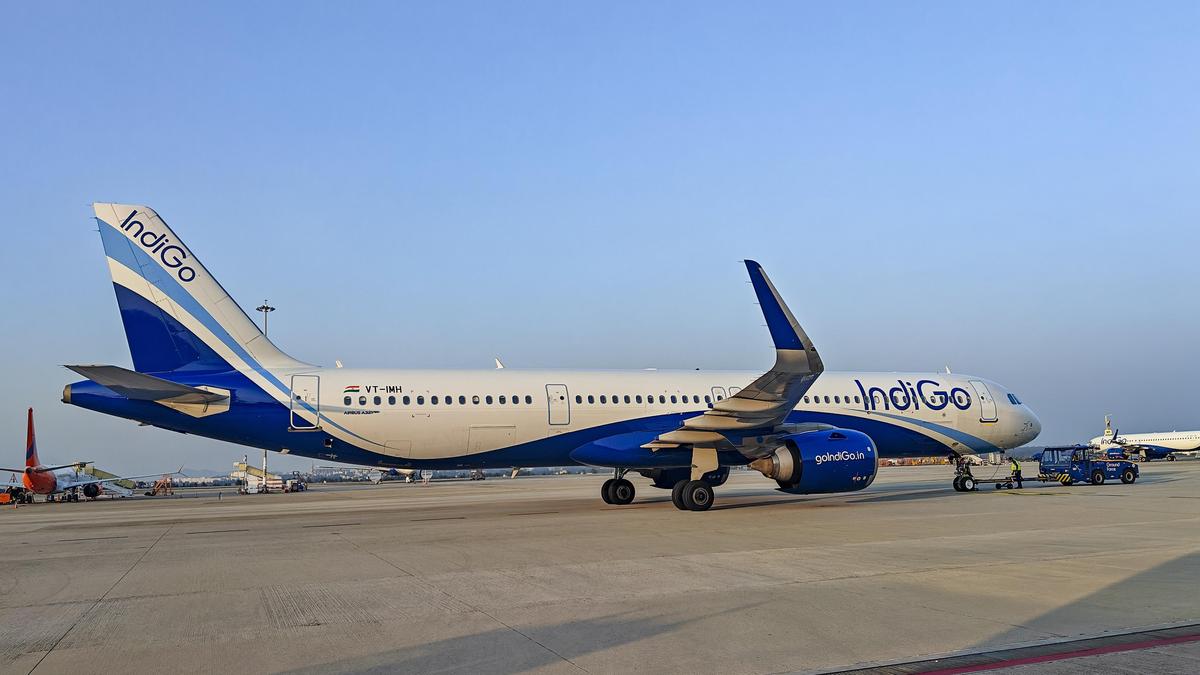
India’s aviation sector is largely dominated by Indigo and the government-backed Air India. As of August 2025, IndiGo held about 64.2 percent of the domestic aviation market, while Air India Group accounted for roughly 27.3 percent. Together, they control a significant portion of domestic air traffic.
This duopoly allows “capacity discipline,” meaning these airlines limit the number of seats offered to avoid price wars. This behaviour leads to stable or higher airfares, reducing options for price-sensitive travellers. Their pricing power also limits how new entrants can compete, effectively creating high barriers to entry.
Recent IndiGo disruptions exemplify the risks: over 2000 flights cancelled in the first week of December due to crew shortages from new Flight Duty Time Limitation rules, with 1,232 cancellations in November alone, stranding thousands at airports like Delhi, Mumbai, and Bengaluru.
Normal people face chaos, including stranded business travellers, holiday-goers, and pilgrims, weddings, exams, or medical appointments; at Mumbai alone, 2.6 lakh passengers were hit by 905 cancellations and 1,475 delays from 1st to 8th December, driving up alternative fares amid limited options from the duopoly.
Telecom: Jio and Airtel
The aviation sector is not alone. The telecom sector has undergone massive consolidation, with Reliance Jio and Bharti Airtel emerging as the top two players. This duopoly leads to fewer incentives to aggressively compete on price or service innovation, possibly slowing down sector growth and innovation that typically benefit consumers.
As per TRAI data for October 2025, TRAI data, Reliance Jio holds about 41.36 percent wireless subscriber market share (adding nearly 20 lakh users in October), while Bharti Airtel has 33.59 percent (gaining about 12.5 lakh), commanding 74-75 percent combined ahead of Vodafone Idea at 17-18 percent. Their scale allows them to push ARPU (average revenue per user) higher, Airtel at Rs. 250-256 and Jio at Rs. 208-211 in Q2 FY26, largely driven by 5G rollouts and bundled services.
Over the last decade, many industries have quietly settled into comfortable duopolies. Telecom is now essentially a two-player arena, Airtel and Jio, with the government bending over backwards to prevent Vodafone from collapsing. It has even taken a stake in the company to keep it alive by converting the remaining dues of the firm into equity.
Ride-Hailing: Uber and Ola
Uber and Ola continue to dominate India’s ride-hailing services, although smaller firms like Rapido are trying to carve out niches (especially in two-wheelers). Uber and Ola control most four-wheeler ride-hailing, with Uber at 50 percent, Ola at 30 percent, though Rapido holds 20 percent and leads overall around 50 percent via two-wheelers. Rapido overtook Ola as Uber’s top rival by 2025, yet the giants maintain fare influence and driver leverage.
As these firms grow, they gain greater ability to drive rapid customer acquisition and intense driver incentives, but over time, as they gain more control, they can influence fare structures, availability, and service quality with less fear of losing customers, potentially disadvantaging both drivers and riders.
Food Delivery: Zomato and Swiggy
Zomato and Swiggy dominate India’s food delivery ecosystem. This duopoly commands most restaurant tie-ups, delivery logistics, and customer base, setting delivery charges and commission rates. The market’s heavy reliance on just these two platforms can drive up fees for restaurants and reduce room for new entrants, impacting both consumers and partners in the supply chain.
Zomato leads food delivery with a 55-58 percent market share, while Swiggy follows at 42-45 percent in 2025. Their control over restaurant partnerships and logistics sets high commissions, squeezing smaller entrants and raising consumer fees.
These dangerous duopolies represent a warning sign for regulators and consumers alike. While competition between two large firms can yield short-term benefits like improved services and innovation, their growing market power risks leading to anti-competitive behaviours, price manipulation, and harm to consumer welfare in the long run. Continuous regulatory vigilance and efforts to promote diversified competition are essential to maintain healthy, dynamic markets in India.
Written by Shivani Singh
Disclaimer

The views and investment tips expressed by investment experts/broking houses/rating agencies on tradebrains.in are their own, and not that of the website or its management. Investing in equities poses a risk of financial losses. Investors must therefore exercise due caution while investing or trading in stocks. Trade Brains Technologies Private Limited or the author are not liable for any losses caused as a result of the decision based on this article. Please consult your investment advisor before investing.
The post Food Delivery, Aviation, Telecom: The Dangerous Duopolies Dominating Their Sectors In India appeared first on Trade Brains.
What's Your Reaction?