



































Why Adani, Reliance, Vedanta, and Hindalco Are Battling for the 220 Million Tonne Karlapat Bauxite Mine?
Synopsis:- Karlapat is, on paper, just another mineral block auction in Odisha. In practice, it has drawn nearly every major Indian industrial house into the same room, because owning 220 million tonnes of bauxite for decades matters more to an aluminium producer’s future margins than almost anything else on its balance sheet. The Karlapat bauxite […] The post Why Adani, Reliance, Vedanta, and Hindalco Are Battling for the 220 Million Tonne Karlapat Bauxite Mine? appeared first on Trade Brains.

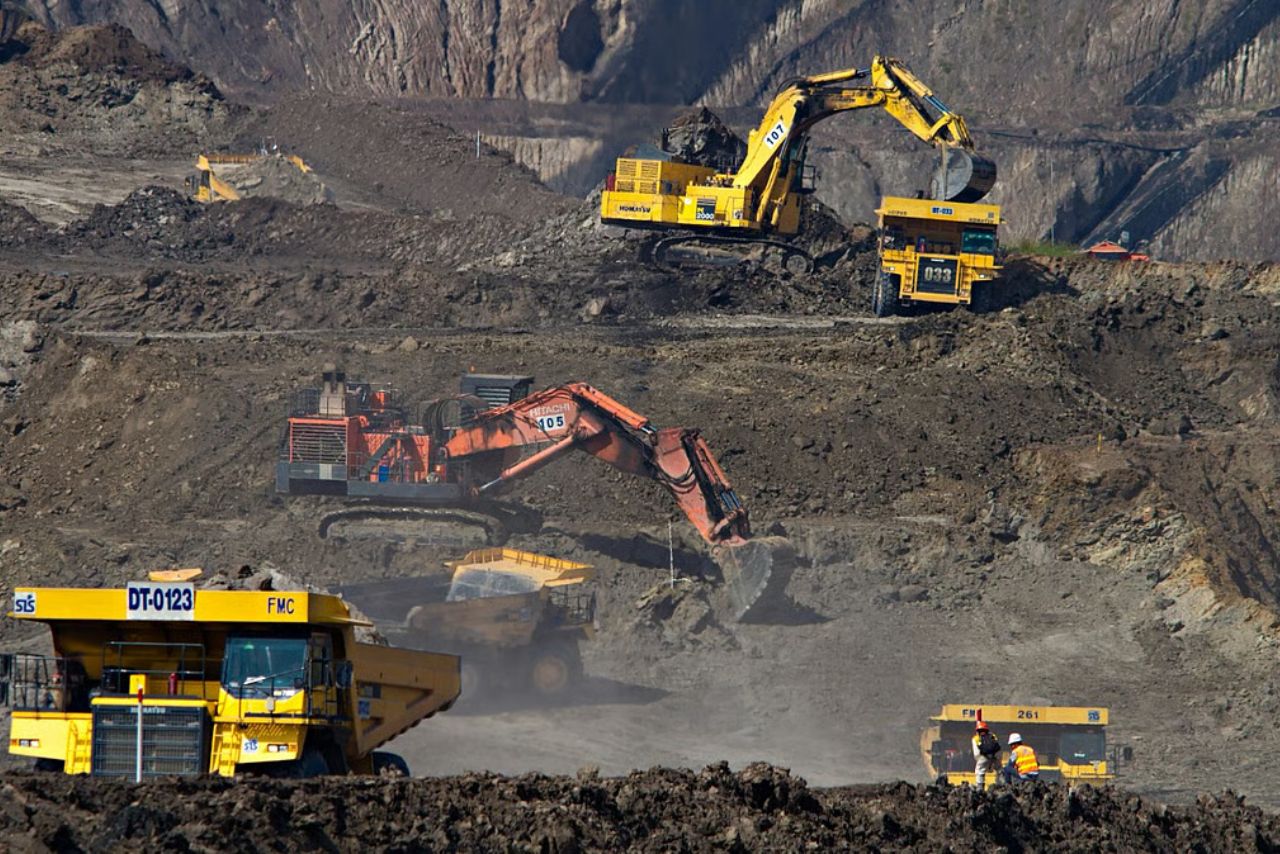
Synopsis:- Karlapat is, on paper, just another mineral block auction in Odisha. In practice, it has drawn nearly every major Indian industrial house into the same room, because owning 220 million tonnes of bauxite for decades matters more to an aluminium producer’s future margins than almost anything else on its balance sheet.
The Karlapat bauxite block in Odisha’s Kalahandi district is shaping up to be one of the more closely watched mineral auctions of the year, and the list of names lining up for it tells its own story.
Adani Enterprises, Reliance Industries, Vedanta Aluminium, Hindalco Industries and Jindal-led Powercem have all secured tender documents, and state-run Coal India has joined them.
The block itself holds an estimated 220 million tonnes of bauxite spread across more than 3,100 hectares, making it one of the largest untapped deposits left in the country and, by extension, one capable of feeding an aluminium smelter for a very long time.
From Buying Raw Material to Owning It
What’s playing out at Karlapat is really a shift in how India’s biggest industrial groups think about raw material risk. For years, aluminium producers bought bauxite on contract or through the open market, wearing whatever price the cycle handed them.
That’s changing. Captive mines lock in supply for decades, insulate a producer’s cost base from the swings of commodity pricing, and protect EBITDA margins in a way that spot purchases simply can’t. It’s the same logic that drove the scramble for captive coal blocks and iron ore mines a decade ago, now replaying itself in bauxite as aluminium becomes central to EVs, renewable energy infrastructure, power transmission and rail expansion.
Why Now: The Capacity Math Behind the Rush
The timing isn’t a coincidence. Vedanta Aluminium, already the country’s largest producer at 2.5 million tonnes per annum, has laid out plans to more than double that to 6 mtpa. Hindalco is expanding its Aditya Aluminium complex in Odisha by 360,000 tonnes annually to meet demand it expects from renewable energy, aerospace and EV customers.
Adani Enterprises is working through an $11.5 billion aluminium venture with Abu Dhabi’s International Holding Company, a project that will need a raw material base to match its scale from day one rather than years into construction. For all three, and for the other bidders circling Karlapat, the block represents the kind of long-term input security that’s hard to replicate once a rival locks it up first.
How the Auction Is Likely to Play Out
Odisha’s government opened bidding for Karlapat alongside ten other mineral blocks on May 29, and history offers a rough guide to where this one might land. Winning bids on comparable bauxite blocks in the state have typically closed 72 to 126 percent above the reserve price, and Karlapat’s reserve price has been set at 35 percent.
Given the size of the deposit and the number of serious bidders already at the table, most people watching this auction expect the final premium to land well above that historical range rather than near the low end of it.
The Catch: Owning It Isn’t the Same as Mining It
Securing the block is only the first step, and arguably the easier one. Karlapat sits close to the Karlapat Wildlife Sanctuary, and the auction is structured as a Composite Licence, which means the winner still has to carry out further exploration and clear both forest and environmental approvals before a single tonne of ore can be extracted.
Clearances of this kind have a well-documented habit of running long in India, and mining projects near ecologically sensitive zones tend to draw extra scrutiny at every stage. Whoever wins Karlapat will have bought itself a strategic resource, not an operating mine; the years between the winning bid and first production are where the real execution risk sits.
What Investors Should Watch
Acquiring tender documents is a long way from placing a winning bid, so the first thing to watch is simply who actually shows up when bidding closes and what premium they’re willing to pay over the reserve price.
After that, the more important story for anyone holding these stocks is how fast the eventual winner moves through forest and environmental clearances, and how much capital gets sunk into bringing a virgin block into production.
Those two factors, more than the auction outcome itself, will determine how Karlapat shows up in the winning company’s balance sheet and return ratios over the next several years.
Disclaimer: The views and investment tips expressed by investment experts/broking houses/rating agencies on tradebrains.in are their own, and not that of the website or its management. Investing in equities poses a risk of financial losses. Investors must therefore exercise due caution while investing or trading in stocks. Trade Brains Technologies Private Limited or the author are not liable for any losses caused as a result of the decision based on this article. Please consult your investment advisor before investing.
The post Why Adani, Reliance, Vedanta, and Hindalco Are Battling for the 220 Million Tonne Karlapat Bauxite Mine? appeared first on Trade Brains.
What's Your Reaction?