





























































Why Did Muthoot Finance Shares Crash 12% Despite 103% YoY Net Profit Growth?
Synopsis: Muthoot Finance shares plunged 12% despite reporting a 103% YoY jump in Q3 FY26 PAT, as investors reacted to rising bad debts written off, stress in its microfinance subsidiary, declining capital adequacy, and heavy dependence on elevated gold prices, raising concerns over the sustainability of growth and asset quality. The shares of the company, […] The post Why Did Muthoot Finance Shares Crash 12% Despite 103% YoY Net Profit Growth? appeared first on Trade Brains.

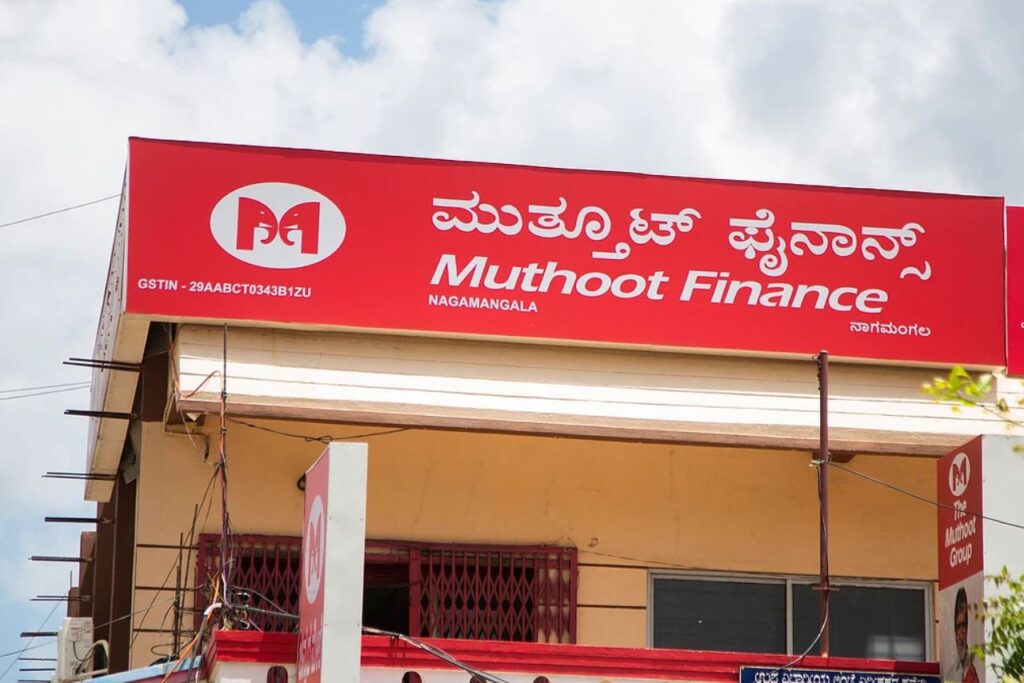
Synopsis: Muthoot Finance shares plunged 12% despite reporting a 103% YoY jump in Q3 FY26 PAT, as investors reacted to rising bad debts written off, stress in its microfinance subsidiary, declining capital adequacy, and heavy dependence on elevated gold prices, raising concerns over the sustainability of growth and asset quality.
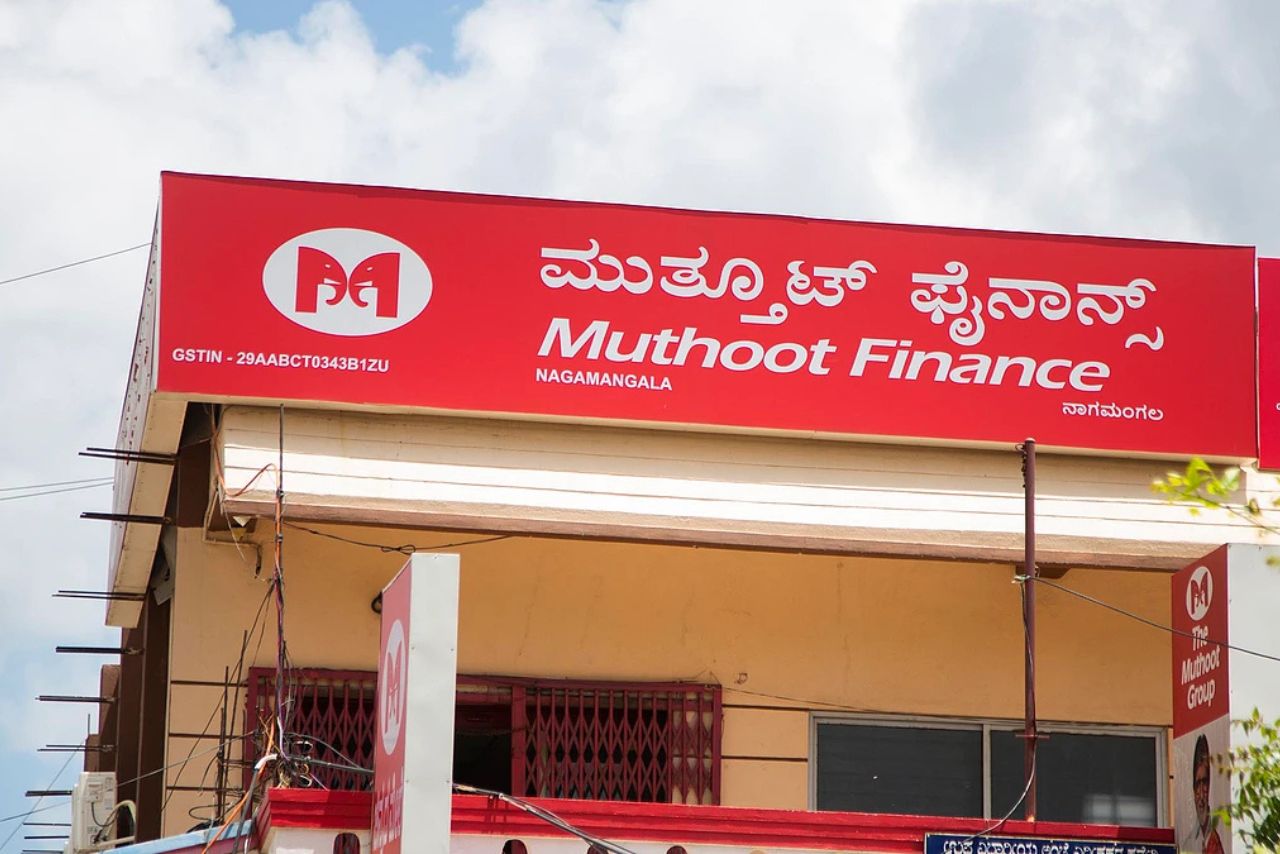
The shares of the company, which is an NBFC engaged in the business of providing gold loans and which predominately operates in Southern India, had its shares crash today despite the company reporting robust results.
With the market cap of Rs 1,45,414 crore, the shares of Muthoot Finance Ltd have crashed about 12% and reached a low at Rs 3576.60, compared to their previous day’s closing price of Rs 4069. The shares are trading at a PE of 16.7, whereas its industry PE is at 20.3.
Q3FY26 Result highlights
The revenue from operations for the company stood at Rs 8,188 crore when compared to Rs 5,190 crore in Q3 FY25, growing by about 58 per cent on a YoY basis and on a QoQ basis growing by 12 per cent from Rs 7,283 crore in Q2 FY26
The PAT jumped by about 103 per cent on a YoY basis when you compare the Q3 FY26 profit at Rs 2,823 crore to Rs 1,392 crore in Q3 FY25 and on a QoQ basis has grown 17 per cent from Rs 2,412 crore in Q2 FY26.
What impacted the share price?
While the asset under management reported is the highest in its history and profit increased significantly, a few underlying issues in Q3 need to be grasped by investors. One major issue is the increase in bad debts written off of Rs 207 crore compared to the Rs 53 crore reported last year, an almost 4x jump. In spite of the fact that bad debts are still low from an asset under management percentage perspective at 0.14%, the rate of growth indicates rising stress areas that could affect margins if the trend continues.
Secondly, there are concerns about the microfinance subsidiary. Belstar Microfinance reported a loss of Rs 109 crores in 9M FY26. Moreover, its assets under Stage III risk have increased to 4.93% from 2.91% last year. Although there seems to have been some relief in Q3, poor asset quality and previous losses have raised concerns about unsecured lending and other sector issues.
In addition, capital adequacy (how much capital a company has compared to the loans and risks it has taken) has reduced compared to the previous year, which reflects that aggressive growth is absorbing capital. The standalone capital adequacy ratio was 20.27% compared to a position of 25.11% the previous year. Although the figures are still above the minimum requirements, the declining pattern implies that future capital infusion might be needed if the rapid growth rate of AUM has to be sustained.
Another crucial risk factor with respect to the company is its higher dependency on gold price movements. Strong growth in AUM has largely been driven by the rise in gold prices. enabling gold loans outstanding of Rs 1,39,658 crore with an increase of 50% YoY. Although this factor has spurred growth and profitability to a larger extent, any correction in the prices of gold may affect eligibility, LTV ratio, and/or auction/collateral risks, thereby making earnings a partly cyclical play on any moves in the gold prices.
Guidance
The guidance is a strong indication that the company still has a high degree of faith in its core gold loan offerings, despite recent fluctuations witnessed in the market. The company is increasing its AUM guidance for Muthoot’s gold loans from 36% to 45%, given strong demand and high gold prices.
The company also mentions that its gold tonnes might not increase, given lower tenures and LTVs (at 57%), but portfolio churns would occur over a period of 3-4 months. The incremental “LTV” for fresh loans is at 69-70%, while high gold prices are expected to be an operational reality, ignoring temporary corrections. The stress on Belstar is also expected to come down by the end of FY26, while there is no additional capital requirement, and branch additions would be around 100-150 branches annually.
Disclaimer: The views and investment tips expressed by investment experts/broking houses/rating agencies on tradebrains.in are their own, and not that of the website or its management. Investing in equities poses a risk of financial losses. Investors must therefore exercise due caution while investing or trading in stocks. Trade Brains Technologies Private Limited or the author are not liable for any losses caused as a result of the decision based on this article. Please consult your investment advisor before investing.
The post Why Did Muthoot Finance Shares Crash 12% Despite 103% YoY Net Profit Growth? appeared first on Trade Brains.
What's Your Reaction?