













































5 Stocks With Unique Business Models That Stand Out From the Competition
Synopsis: Five Indian small-cap companies in aroma chemicals, precision aerospace manufacturing, semiconductor tooling, high-performance computing and urban construction have developed competitive positions that are hard to replicate and protected by decades of sales. proprietary technology or execution track records that new entrants simply cannot shortcut, mer relationships, multi-year qualification cycles. Some businesses grow by outspending […] The post 5 Stocks With Unique Business Models That Stand Out From the Competition appeared first on Trade Brains.

Synopsis: Five Indian small-cap companies in aroma chemicals, precision aerospace manufacturing, semiconductor tooling, high-performance computing and urban construction have developed competitive positions that are hard to replicate and protected by decades of sales. proprietary technology or execution track records that new entrants simply cannot shortcut, mer relationships, multi-year qualification cycles.
Some businesses grow by outspending their competitors. Others grow by becoming genuinely difficult to compete with. The second category is far more interesting over long periods, because the moat compounds alongside the business.
Entry barriers in niche industries, whether they come from regulatory approvals, product qualifications, proprietary know-how, or execution reputation, don’t erode easily. The five small-cap companies covered here each hold one or more of these advantages in their respective fields, and that is what makes them worth understanding.
1. Privi Speciality Chemicals
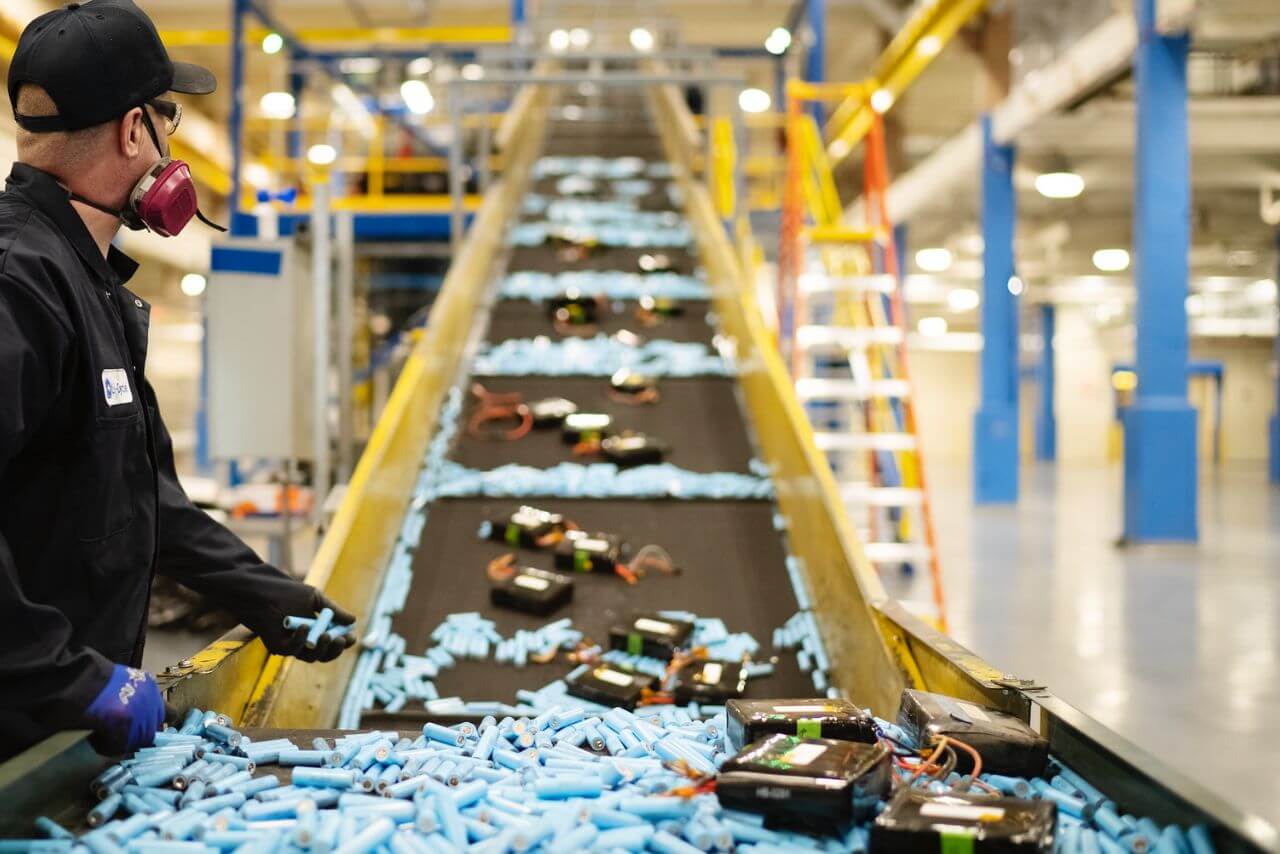
Privi Speciality Chemicals is India’s largest manufacturer and exporter of aroma chemicals, supplying fragrance houses, personal care companies, and flavour producers across the globe. The company holds a greater than 20 percent global market share in ten key aroma chemical products, a position built over three decades of mastering complex synthesis routes from raw materials that most competitors don’t even have access to.
Its core feedstock crude sulphate turpentine from kraft pulp mills in Canada, the US, and Scandinavia is sourced through a dedicated logistics operation that has taken years to build and which new entrants cannot replicate by simply writing a cheque.
Privi has entered into a strategic joint venture with Givaudan, the world’s largest fragrance company, to manufacture more than 40 speciality aroma chemicals for Givaudan on an exclusive basis. The JV made a profit for the first time in Q4 FY26. FY26 saw revenue growth of 22% YoY to ₹2,583 crore, with PAT growing at 75% to ₹328 crore and EBITDA margins sustained at close to 26%. The management has a target of achieving revenue of ₹5,000 crore and EBITDA of ₹1,000 crore in three to four years.
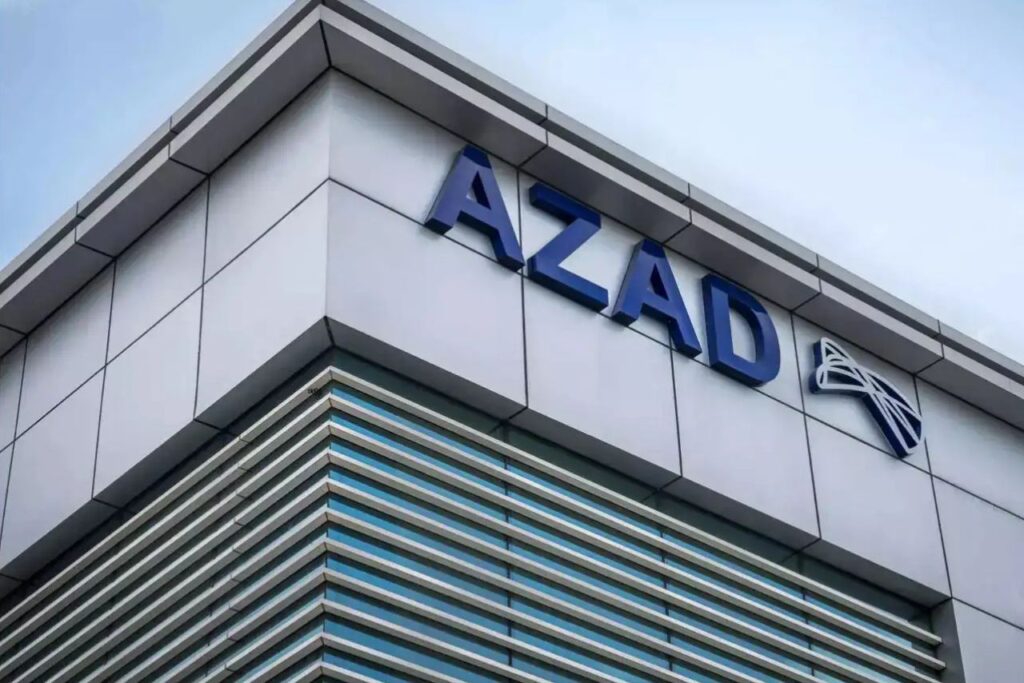
2. Azad Engineering
Azad Engineering, a Hyderabad-based manufacturer, makes high-precision, mission-critical components for the aerospace, defense, energy and oil and gas industries – the kind of parts that go inside aircraft engines, gas turbines and nuclear power systems.
It provides components for platforms such as the Boeing 737, Airbus A320 and A350 families and Gulfstream G550, and counts Honeywell, GE Aviation, Pratt & Whitney, Rolls Royce and Rafael among its clients.
Suppliers targeting these customers are subject to three to seven years of rigorous audits, certifications and validation cycles before being approved, and Azad has accumulated over 1,700 qualified parts and 45 specialised manufacturing processes over the years.
FY26 consolidated revenue crossed ₹603 crore, up 30 percent year-on-year, with PAT at ₹134 crore and EBITDA margins at 36.9 percent. The order book stands at over ₹6,500 crore, including long-term capacity purchase agreements with GE Vernova, Siemens Energy, and Mitsubishi Heavy Industries. Key client relationships now exceed ten years, with multi-year contracts serving as the structural backbone of the business.
3. Unimech Aerospace & Manufacturing
Unimech Aerospace, a precision engineering company based out of Bengaluru, manufactures aero tooling, precision components and mechanical assemblies for global aerospace OEMs such as Airbus, Boeing, GE, Rolls Royce and Dassault Aviation. The company utilizes an AS9100 certified facility with over 150 CNC machines and produces nearly 6,000 SKUs. Qualification cycles for airframe tooling are typically 12 to 36 months.
It’s the barrier of that approval timeline: once a customer has validated Unimech’s tooling in their production line, the cost of switching to a new supplier – re-qualification, potential line downtime, audit cycles – makes continuity the rational choice.
The company’s consolidated order book stood at approximately ₹314 crore as of 26 May 2026, rising from ₹215 crore at the end of March 2026, supported by record consolidated order inflows of ₹383 crore during FY26, including ₹87 crore from nuclear business orders.
Management highlighted improving customer ordering patterns and demand visibility in Q4, while strengthening its long-term growth platform through the acquisition of Hobel Bellows, expansion into nuclear, semiconductor and defence precision components, and a strategic joint venture in Saudi Arabia to deepen its global precision engineering capabilities.
4. Netweb Technologies
Netweb Technologies is the only pure-play domestic listed manufacturer of high performance computing and AI infrastructure systems in India. It designs, builds and deploys complete server systems composed of compute, storage, interconnect and software for government agencies, defense institutions, universities and large enterprises.
The company is approved as a Class-I Local Supplier under the Public Procurement Preference for Make in India policy and is eligible to bid in all central government, PSU and defence server tenders above ₹50 crore where global players such as Dell, HPE and Lenovo are not. That regulatory positioning is a barrier to entry that’s not for sale. It has to be built.
FY26 revenue reached ₹2,184 crore, up 90 percent year-on-year, driven by a 460 percent surge in the AI systems segment, which now contributes 43 percent of total operating revenue. PAT grew 81 percent to ₹206 crore.
The company ended FY26 with an order book of ₹2,400 Crores along with a pipeline of Rs. 4,400 Crores taking the total to Rs. 6,800 Crores providing strong revenue visibility as it continues to benefit from India’s accelerating AI and high-performance computing infrastructure build-out.
5. Hindustan Construction Company (HCC)
Hindustan Construction Company (HCC) is one of India’s most experienced infrastructure engineering companies, specializing in technically complex projects such as underground metros, hydroelectric dams, nuclear power plants, tunnels, expressways, and pumped storage projects. Its competitive advantage lies in executing projects that demand decades of engineering expertise, specialized equipment, stringent safety standards, and a proven execution track record.
These capabilities create significant entry barriers, as government agencies and large project owners prefer contractors with an established history of delivering complex infrastructure.
Over the past century, HCC has constructed around 60 percent of India’s installed nuclear power capacity, 26 percent of its hydro power capacity, 395 km of tunnels, and over 4,000 lane km of highways, reinforcing its leadership in difficult-to-execute infrastructure segments.
The company closed FY26 with an order backlog of ₹12,971 crore, secured new orders worth ₹5,654 crore during the year, and maintained a robust pipeline with ₹25,760 crore of bids under evaluation. Management also reduced debt by 38 percent year-on-year, strengthening the balance sheet while positioning HCC to benefit from India’s expanding investments in metro rail, hydroelectric, nuclear, and transport infrastructure.
Durable compounders tend to share one common trait: the businesses they operate in get harder to enter as they get larger. Each additional qualified part, each new OEM approval, each decade of customer trust, and each specialized certification raises the cost for any competitor trying to replicate what these companies have built. That structural advantage, more than any single year of earnings growth, is what makes these names worth tracking over a longer time horizon.
Privi Speciality Chemicals, Azad Engineering, Unimech Aerospace, Netweb Technologies, and Hindustan Construction Company represent five distinct expressions of this principle, each moated by something that takes years to build and is very difficult to copy once it exists.
Disclaimer: The views and investment tips expressed by investment experts/broking houses/rating agencies on tradebrains.in are their own, and not that of the website or its management. Investing in equities poses a risk of financial losses. Investors must therefore exercise due caution while investing or trading in stocks. Trade Brains Technologies Private Limited or the author are not liable for any losses caused as a result of the decision based on this article. Please consult your investment advisor before investing.
The post 5 Stocks With Unique Business Models That Stand Out From the Competition appeared first on Trade Brains.
What's Your Reaction?