








































Recycling Stock Benefiting From India’s E-Waste Boom and Critical Minerals Recovery
Synopsis: India’s e-waste generation is expected to reach almost 14 million tonnes by 2030 from 6.19 million tonnes in 2024, with the mandatory EPR recycling target set to increase to 80% from 2027. This organised recycler is playing its cards right for the next phase of India’s circular economy, with a first mover advantage, lithium-ion […] The post Recycling Stock Benefiting From India’s E-Waste Boom and Critical Minerals Recovery appeared first on Trade Brains.

Synopsis: India’s e-waste generation is expected to reach almost 14 million tonnes by 2030 from 6.19 million tonnes in 2024, with the mandatory EPR recycling target set to increase to 80% from 2027. This organised recycler is playing its cards right for the next phase of India’s circular economy, with a first mover advantage, lithium-ion battery recycling, recovery of critical minerals, and a debt-free balance sheet.
Introduction
India’s relationship with electronic waste is at an inflexion point. Devices are multiplying, upgrade cycles are shortening, and the mountains of discarded electronics keep growing. Yet the organised recycling infrastructure to handle this deluge remains strikingly thin. That structural gap and the regulatory pressure now closing it is where one company has quietly spent two decades building something genuinely difficult to replicate.
With a market capitalization of Rs. 872 crore, the shares of Eco Recycling Limited (Ecoreco) were trading at Rs.452. With a 52-week range of Rs. 724 to Rs. 225 and is trading at a P/E of approximately 38x.
FY26 Performance: Momentum Building Quarter by Quarter
The numbers from the most recent quarter tell a compelling story on their own. In Q4FY26, consolidated revenue nearly doubled, rising 90% year-on-year to Rs. 18.6 crore. EBITDA grew 79% to Rs.12 crore, while profit after tax surged 225% to Rs.7.1 crore, a quarter-on-quarter jump of 248% on the PAT line alone. EBITDA margins held in the high-60% range, underlining the inherent operating leverage in the business model.
Total income for the full year FY26 went up to Rs.52.8 crore, whereas cash and bank balance went up significantly to Rs.13.4 crore from Rs.2.9 crore in the previous year a clear indication of improving cash generation.
The Structural Tailwind: A Market That Regulations Are Forcing to Grow
India is already the world’s fourth-largest e-waste generator, producing approximately 6.19 million tonnes in 2024. That figure is projected to reach nearly 14 million tonnes by 2030. Yet the formal recycling sector handles only a fraction of what’s generated, with India’s overall e-waste collection rate sitting at just 11%.
Under India’s E-Waste Management Rules, producers, importers and brand owners face mandatory recycling targets that step up from 60% in 2023–25 to 70% by 2027 and 80% from 2027 onwards. Producers who fail to meet these targets face significant environmental compensation fines making EPR certificates not just desirable but legally essential. Since most producers don’t own recycling plants, that compliance burden flows directly to formal recyclers like Ecoreco.
Lithium-Ion Battery Recycling: The Next Growth Engine
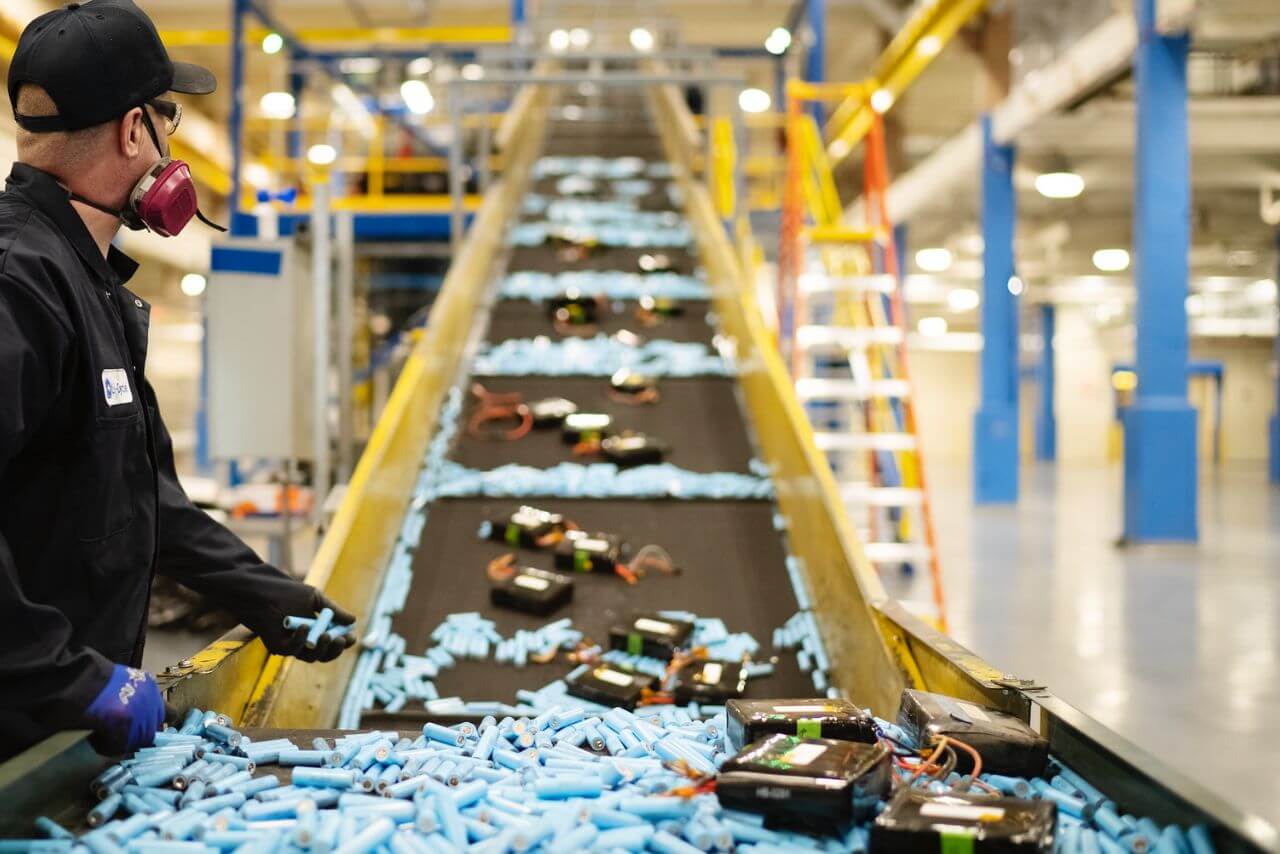
The most significant new chapter in this company’s story is lithium-ion battery recycling. Ecoreco has commissioned a 6,000 MTPA facility for Black Mass production, developed in collaboration with C-MET and MeitY. The target is the recovery of high-value critical minerals cobalt, nickel and manganese materials that India currently imports in significant quantities. This is not just an environmental play; it is an economic one. As India’s EV adoption accelerates and battery demand grows, domestic recycling of these minerals addresses a genuine strategic import dependency while opening an entirely new revenue frontier.
Critical Mineral Recovery: Turning Waste Into Wealth
Beyond batteries, Ecoreco is building a meaningful precious metal recovery business from conventional e-waste streams. Gold, silver, palladium and copper materials embedded inside discarded circuit boards, chips and components are being systematically extracted and converted into tradable commodities.
What was once a disposal liability is increasingly a revenue opportunity. With formal recyclers achieving 95–97% material recovery rates against the informal sector’s 10–20%, the economics strongly favour organised players. For Ecoreco, this stream adds high-margin upside on top of its core recycling and EPR compliance revenues.
Two Decades of First-Mover Advantage
Founded in 2005 as India’s first organised e-waste recycler, Ecoreco has built up something that takes time and cannot be simply bought: regulatory approvals, certified infrastructure, a global network across 120 countries through the TERRA group and a client list of 500+ organisations, including MNCs, PSUs and government bodies. So far, more than 45,000 tonnes of e-waste has been recycled.
The company’s total e-waste recycling capacity now stands at 31,200 MTPA following recent expansion, complemented by its “Recycling on Wheels – SmartER” mobile units that bring doorstep collection, data destruction, and battery recycling directly to clients.
Balance Sheet Built for Expansion
One of the cleaner aspects of the Ecoreco story is financial simplicity, with minimal debt. Cash reserves have grown meaningfully. The capacity expansion has been funded entirely through internal accruals.
With lessdebt burden hanging over the business, the company can now focus on growth, be it through more capacity, investment in technology or strategic partnerships, without the constraints leverage would usually impose.Net worth has expanded steadily to Rs.110.6 crore in FY26, while the balance sheet total has grown to Rs.134.7 crore, reflecting the gradual asset-building underway.
Verdict
Ecoreco is operating at the intersection of two of India’s most compelling structural stories: the explosive growth of e-waste and the critical minerals imperative. With EPR regulations tightening the screws on producers, battery recycling opening a new revenue frontier and two decades of certified, approved infrastructure behind it, the company has the ingredients for a meaningfully different growth phase ahead. Whether investors are paying sufficient attention to what lies beyond the recycling bins is the question worth asking.
Disclaimer: The views and investment tips expressed by investment experts/broking houses/rating agencies on tradebrains.in are their own, and not that of the website or its management. Investing in equities poses a risk of financial losses. Investors must therefore exercise due caution while investing or trading in stocks. Trade Brains Technologies Private Limited or the author are not liable for any losses caused as a result of the decision based on this article. Please consult your investment advisor before investing.
The post Recycling Stock Benefiting From India’s E-Waste Boom and Critical Minerals Recovery appeared first on Trade Brains.
What's Your Reaction?