






































.png)


Aster Quality Care Commences Combined Operations; Eyes 15,000 Beds Post-Merger
Synopsis: Aster DM Healthcare has completed its merger with Quality Care India Ltd (QCIL), creating Aster Quality Care, one of India’s largest integrated hospital platforms with 39 hospitals across 28 cities and over 10,600 beds. Healthcare investors have a massive new consolidation story to track this week. This strategic integration is set to aggressively scale […] The post Aster Quality Care Commences Combined Operations; Eyes 15,000 Beds Post-Merger appeared first on Trade Brains.

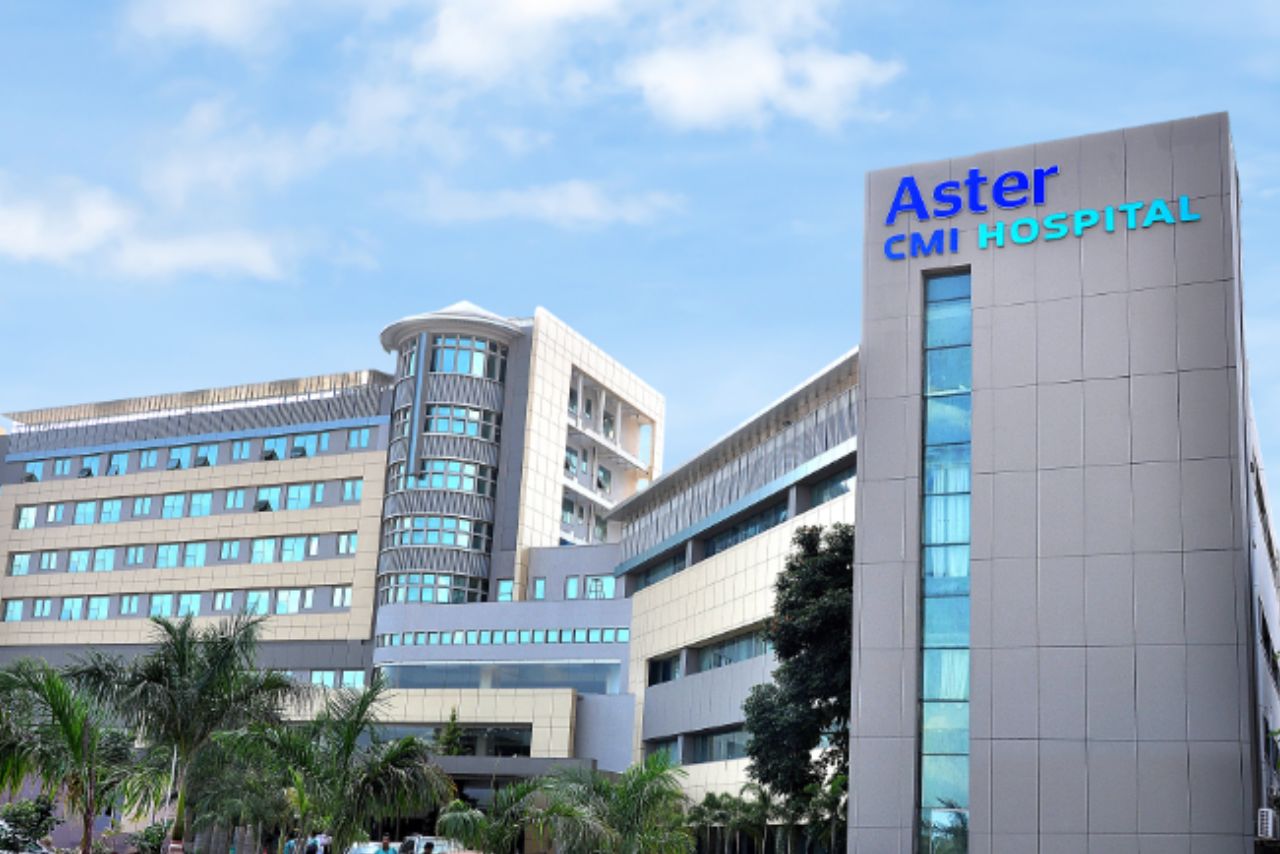
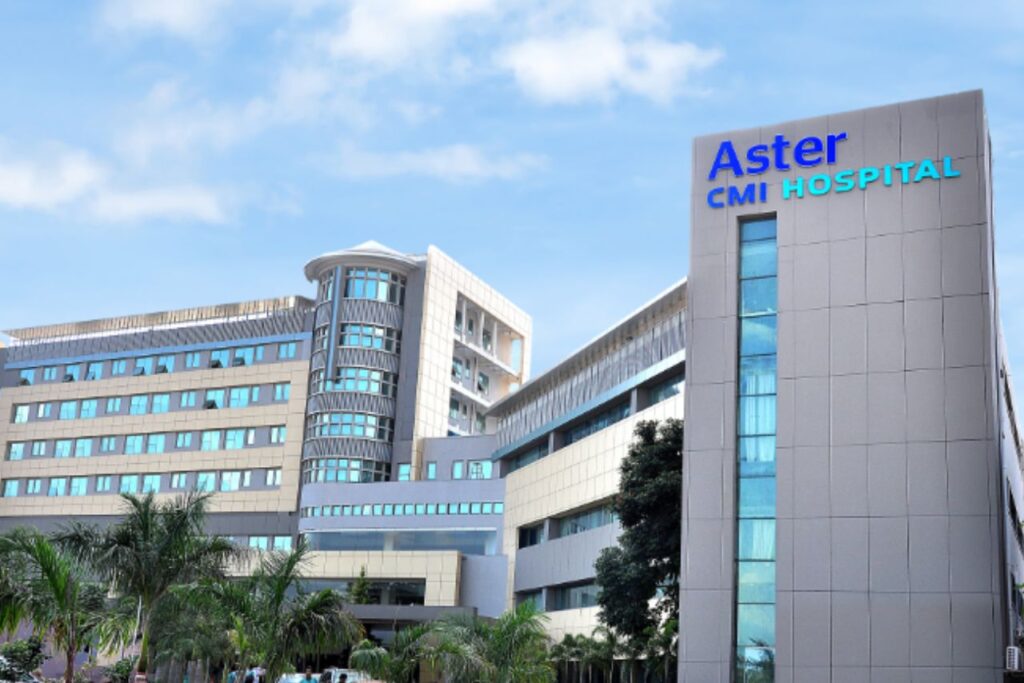
Synopsis: Aster DM Healthcare has completed its merger with Quality Care India Ltd (QCIL), creating Aster Quality Care, one of India’s largest integrated hospital platforms with 39 hospitals across 28 cities and over 10,600 beds.
Healthcare investors have a massive new consolidation story to track this week. This strategic integration is set to aggressively scale specialised medical treatments into India’s high-growth non-metropolitan hubs, and by bringing four major medical brands together, this newly formed healthcare force is now well positioned to reshape the private medical delivery landscape outside of India’s major metros.
Aster DM Healthcare Limited was trading at Rs 789. The stock opened at Rs 776.50, reached a day high of Rs 797.75, and has so far recorded a day’s low of Rs 776.05. The company’s current market capitalisation is Rs 40,999 crore.
Understanding the Deal
Unlike most healthcare mergers that primarily focus on increasing hospital count, this transaction builds a nationwide integrated healthcare platform. The merger combines complementary regional hospital networks across South and Central India, enabling greater clinical collaboration, shared procurement, technology integration, digital healthcare capabilities, and operational efficiencies.
Aster DM, CARE Hospitals, Evercare, and KIMSHEALTH will expand advanced medical services in Tier-2 and Tier-3 cities and target over 15,000 beds in the coming years. Management said the combined platform will accelerate robotic surgery, Gamma Knife, advanced cancer care, and specialist services while expanding access beyond metropolitan cities. If integration is executed efficiently, investors could monitor improvements in occupancy, EBITDA margins, return ratios, and cash generation over the medium term as merger synergies begin to materialise.
The combined platform starts operations with 39 hospitals, over 10,600 beds, and more than 45,000 healthcare professionals, while management targets expanding capacity to over 15,000 beds in the coming years. This provides a long runway for volume-led growth without relying solely on higher treatment prices.
Financial highlights
The company reported revenue of Rs 1,182 crore in Q4 FY26 as against Rs 1,000 crore in Q4 FY25, registering a healthy year-on-year growth of 18.2 percent led by healthy business momentum. The net profit surged 79.1 percent YoY to Rs 154 crore, as against Rs 86 crore, and EPS surged to Rs 2.71 from Rs 1.58 in the corresponding quarter.
The operational performance also showed improvement during the quarter, with operating profit increasing to Rs 224 crore from Rs 182 crore a year ago. Operating profit margin rose to 19 percent from 18 percent on improved cost efficiency and operating leverage with increased business scale.
The company has a healthy balance sheet with cash and cash equivalents of Rs 1,325 crore, a current ratio of 1.99x and debt to equity ratio of 0.49x, thus having enough financial flexibility for future expansion. It also mentioned a working capital surplus of Rs 969 crore, indicating comfortable short-term liquidity.
The company’s 3-year sales CAGR is 16% but its 5-year CAGR is -12% due to cyclical weakness. Following a volatile period, the latest quarterly performance and improved operating margins point to building earnings momentum. But the stock trades at a P/E multiple of around 100x, which means that the market has already priced in much of its expected growth.
Industry Outlook
India’s healthcare sector is undergoing structural growth, spurred by increasing healthcare demand, expanding insurance penetration, favourable government policies, and a rise in private investments. According to IBEF, the industry has grown from US$110 billion in 2016 to an estimated US$638 billion and the hospital market is projected to grow at a CAGR of 8%. This growth notwithstanding, India has only 1.3 hospital beds per 1,000 people, presenting a significant opportunity for organised hospital chains like Aster DM Healthcare to scale up capacity and tap into growing demand.
Aster DM Healthcare Limited is one of the largest integrated private healthcare service providers operating in GCC (Gulf Cooperation Council) countries and an emerging player in India. With an inherent emphasis on clinical excellence, it is one of the few entities in the world with a strong presence across primary, secondary, tertiary and quaternary healthcare.
Disclaimer: The views and investment tips expressed by investment experts/broking houses/rating agencies on tradebrains.in are their own, and not that of the website or its management. Investing in equities poses a risk of financial losses. Investors must therefore exercise due caution while investing or trading in stocks. Trade Brains Technologies Private Limited or the author are not liable for any losses caused as a result of the decision based on this article. Please consult your investment advisor before investing.
The post Aster Quality Care Commences Combined Operations; Eyes 15,000 Beds Post-Merger appeared first on Trade Brains.
What's Your Reaction?