


















































.png)


Fed Holds Rates Steady: What Investors Can Expect in the Coming Months?
Synopsis: The U.S. Federal Reserve maintained interest rates at 3.5%–3.75%, citing economic resilience. Chair Powell emphasized data-driven caution before future cuts, as markets await earnings and inflation signals. The U.S. Federal Reserve kept interest rates unchanged on Wednesday, maintaining its benchmark rate at 3.5% to 3.75%. Fed Chair Jerome Powell said the economy remains resilient, […] The post Fed Holds Rates Steady: What Investors Can Expect in the Coming Months? appeared first on Trade Brains.

Synopsis: The U.S. Federal Reserve maintained interest rates at 3.5%–3.75%, citing economic resilience. Chair Powell emphasized data-driven caution before future cuts, as markets await earnings and inflation signals.
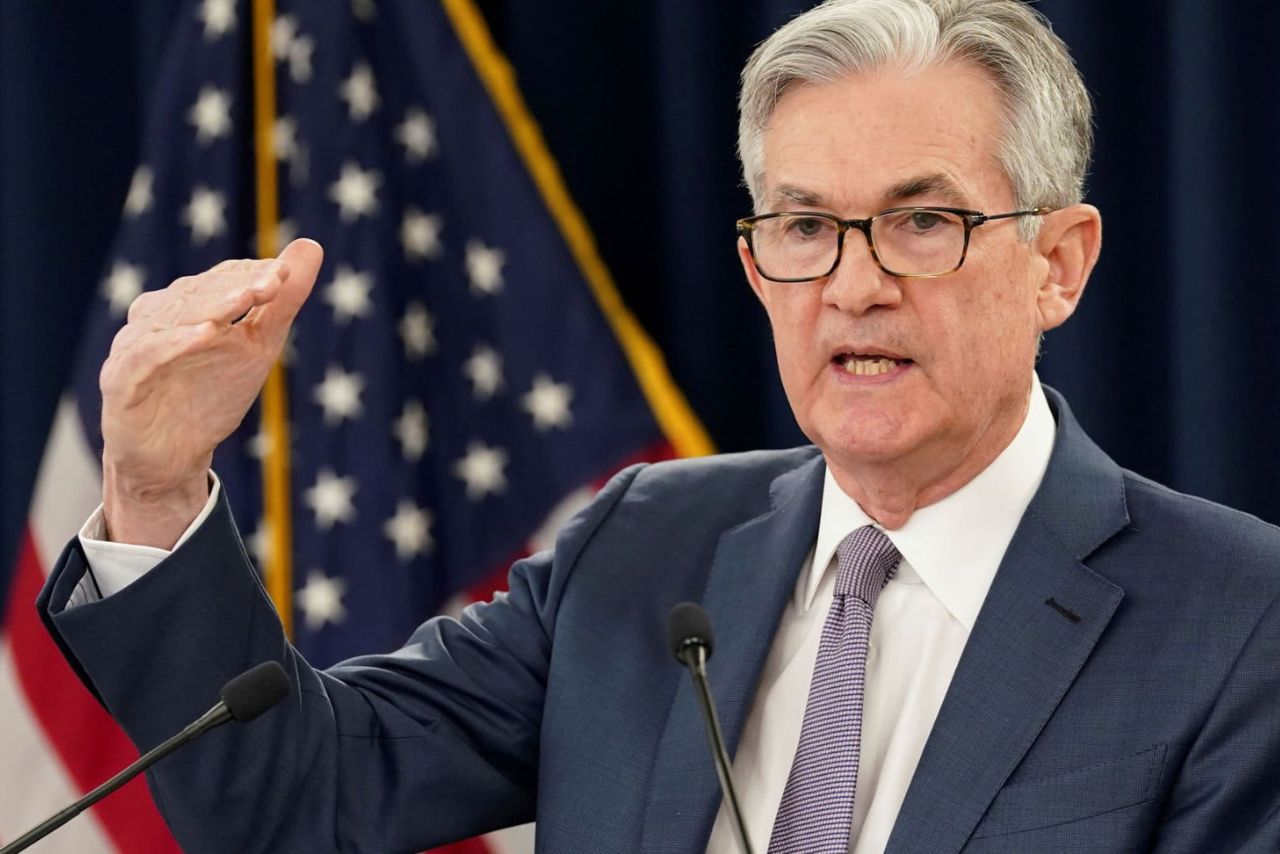
The U.S. Federal Reserve kept interest rates unchanged on Wednesday, maintaining its benchmark rate at 3.5% to 3.75%. Fed Chair Jerome Powell said the economy remains resilient, signaling that policymakers prefer to stay patient before adjusting policy. Markets reacted cautiously, and investors now look ahead to Thursday’s premarket movers for market sentiment.
This decision reflects the Fed’s effort to balance inflation control with economic growth, as uncertainty remains around global trade, consumer demand, and financial conditions.
Policy Decision and Economic Conditions
The Federal Open Market Committee voted to keep rates steady after easing policy in late 2025. However, the claim that the vote was 10-2 remains unverified. Recent data suggests that economic activity continues expanding at a moderate pace. Job creation has slowed, yet unemployment remains stable. On the other hand, inflation still sits above the Fed’s long-term 2% target.
Powell noted that officials are closely monitoring incoming data before committing to future policy changes. He stressed that the central bank wants stronger evidence that inflation is moving sustainably lower.
Market Reaction and Investor Sentiment
U.S. stock indexes closed mixed following the announcement. The S&P500 slipped marginally, while the Nasdaq 100 rose 0.32% to a three-month high. The Dow Jones Industrial Average edged slightly higher. Investors focused on upcoming corporate earnings, especially from major technology firms. Many traders interpreted the Fed’s tone as cautiously optimistic.
Powell also said several policymakers do not view current policy as overly restrictive. He highlighted a gap between weak consumer sentiment surveys and strong actual spending, suggesting households remain financially resilient.
As a result, the Fed removed earlier language warning of rising employment risks. Although payroll growth has slowed, the labor market remains relatively stable. Economic growth continues to be supported by consumer spending and business investment, even as housing activity shows signs of strain.
Fed Independence and Political Pressure
During his press conference, Powell defended the independence of the central bank. He said political neutrality is essential for maintaining public trust and long-term economic stability.
Powell reiterated that institutional independence remains intact and that monetary policy decisions will continue to be guided by economic data rather than political influence.
Trump’s Fed Chair Nomination Amid Ongoing Tensions
President-elect Donald Trump has nominated Kevin Warsh, a former Federal Reserve governor with Wall Street ties, to replace Jerome Powell as Fed chair when Powell’s term ends in May 2026. This move carries irony: Trump praised Powell in 2018 as “strong, committed, and smart” with “sound leadership” when nominating him, but has since repeatedly criticized him for not cutting rates aggressively enough.
Warsh, who interviewed for the role in 2017 (losing to Powell), could align more closely with Trump’s push for looser policy. Critics see him as potentially more compliant than Powell, who has resisted White House pressure. The nomination raises questions about whether Trump will finally gain the monetary policy influence he has long sought, amid broader efforts to reshape the Fed.
Outlook for Future Rate Cuts
On future policy moves, Powell said rate cuts would depend on clear and sustained progress in lowering inflation. He expects the impact of tariffs on goods prices to fade gradually, assuming no major new trade restrictions are introduced.
If inflation continues to ease through 2026, the Fed may have room to reduce borrowing costs. Until then, policymakers remain cautious. Markets currently expect limited easing, reflecting confidence in economic stability but uncertainty over inflation risks.
Sector Performance and Corporate Highlights
Technology and semiconductor stocks led gains on strong earnings signals. Seagate Technology surged over 19%, while Intel and Western Digital climbed more than 10%. Texas Instruments rose after posting better-than-expected results.
ASML reported strong quarterly bookings, boosting optimism about long-term demand for AI-related equipment. F5 Inc. also gained after exceeding revenue forecasts. On the downside, Carvana fell sharply following short-seller concerns. Amphenol dropped after issuing weak sales guidance. Textron declined after projecting softer earnings growth. These mixed performances reflect selective investor optimism rather than broad-based market enthusiasm.
Disclaimer: The views and investment tips expressed by investment experts/broking houses/rating agencies on tradebrains.in are their own, and not that of the website or its management. Investing in equities poses a risk of financial losses. Investors must therefore exercise due caution while investing or trading in stocks. Trade Brains Technologies Private Limited or the author are not liable for any losses caused as a result of the decision based on this article. Please consult your investment advisor before investing.
The post Fed Holds Rates Steady: What Investors Can Expect in the Coming Months? appeared first on Trade Brains.
What's Your Reaction?