








































































India’s 10-Minute Delivery Boom Faces Worker Unrest
India’s quick commerce boom is entering a more complex phase — one where speed is no longer the only story. The country’s largest consumer internet platforms are clocking record orders, expanding dark-store networks, and attracting strong valuations. The 10-minute delivery promise has come to symbolise scale, efficiency and technological edge.... The post India’s 10-Minute Delivery Boom Faces Worker Unrest appeared first on Equitypandit.


India’s quick commerce boom is entering a more complex phase — one where speed is no longer the only story.
The country’s largest consumer internet platforms are clocking record orders, expanding dark-store networks, and attracting strong valuations. The 10-minute delivery promise has come to symbolise scale, efficiency and technological edge. Yet, even as growth accelerates, worker strikes and rising discontent among gig workers are exposing deeper strains in the platform model.
On New Year’s Eve, companies highlighted record demand despite visible protests by delivery partners in some regions. The contrast has sharpened a key question: can platforms continue to celebrate speed and scale while the workforce behind that growth signals distress?
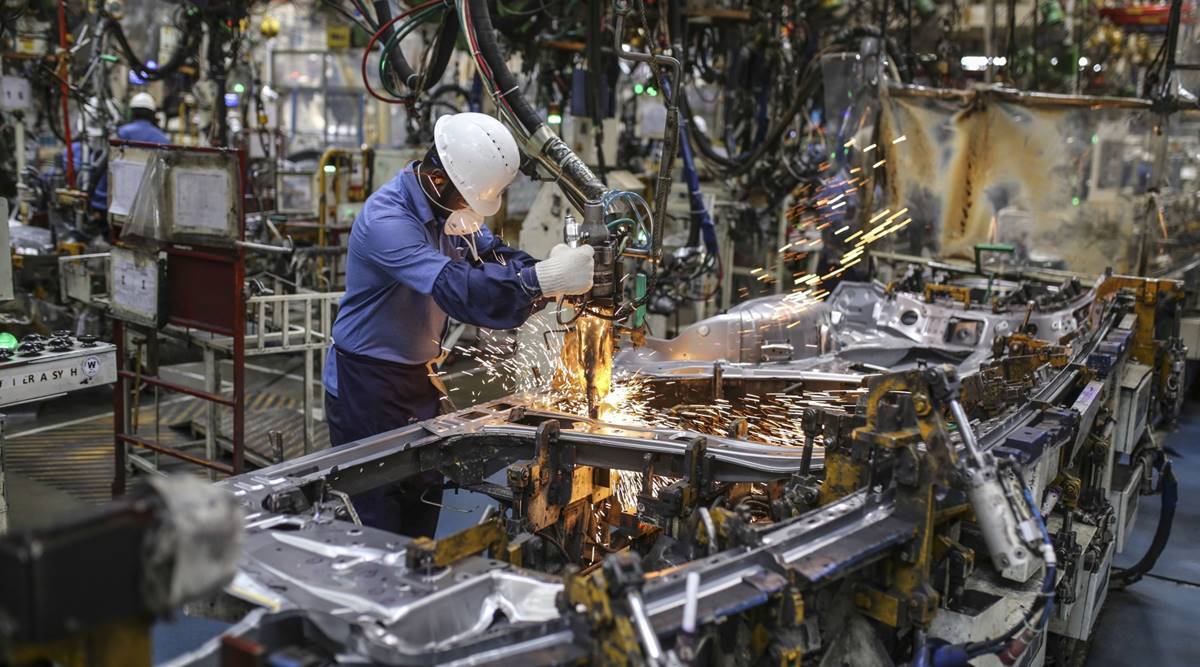
Brand veteran Partha Sinha says India’s startup ecosystem is undergoing a structural shift. Earlier, founders largely managed white-collar teams. Today, growth depends on lakhs of frontline gig workers in physically demanding roles. Unlike corporate employees, delivery partners have limited exit options and are more likely to voice concerns publicly. In a hyper-connected environment, their experiences can travel faster than official statements.
The economics of ultra-fast delivery amplify the pressure. Ten-minute fulfilment has become central to valuation narratives and investor appeal. But, as Arun Iyer of Spring Marketing Capital notes, a structural triangle is at play: consumers demand speed and convenience, companies must protect margins, and gig workers seek stable earnings. Balancing all three at scale is inherently difficult.
Consumers themselves reflect a contradiction. There is visible empathy online for delivery workers facing harsh conditions, yet purchasing decisions remain driven by convenience. Delays trigger complaints, and even small price hikes face resistance. If customers resist higher costs and companies chase profitability, the strain often shifts to labour.
Recent reports of workers taking risks to meet tight timelines have intensified scrutiny. While firms stress safety protocols, the broader concern lies in systemic pressure. At scale, small operational stresses can create significant human consequences.
For investors and founders, the stakes are strategic. Growth in quick commerce remains strong, but sustainability will increasingly be judged not just by order volumes and margins, but also by labour stability and operational resilience. As the platform economy matures, the real test may be whether speed alone can sustain valuations — or whether a more balanced model becomes inevitable.
Tradz by EquityPandit leverages advanced AI technology to provide you with powerful market predictions and actionable stock scans. Download the app today and 10x your trading & investing journey!
The post India’s 10-Minute Delivery Boom Faces Worker Unrest appeared first on Equitypandit.
What's Your Reaction?