









































India’s Inflation Under Pressure from Rising Fuel and Food Prices; But Is It Still Under RBI’s Control?
Synopsis: Rising food and fuel prices are beginning to push up inflation in India, with CPI inching higher. While still within the Reserve Bank of India’s target range, persistent risks from crude oil and supply pressures remain. India’s inflation landscape is showing early signs of a gradual shift, as recent data points to a mild […] The post India’s Inflation Under Pressure from Rising Fuel and Food Prices; But Is It Still Under RBI’s Control? appeared first on Trade Brains.

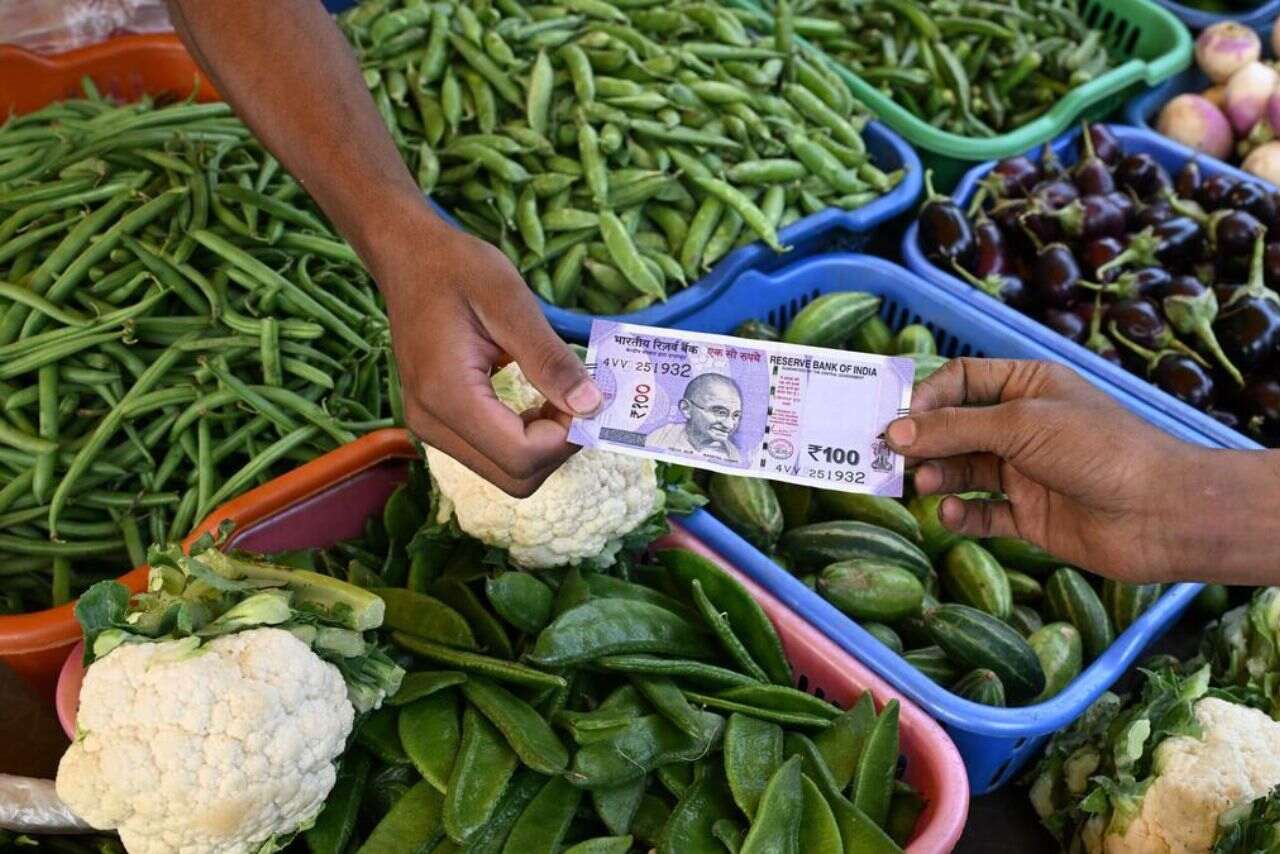
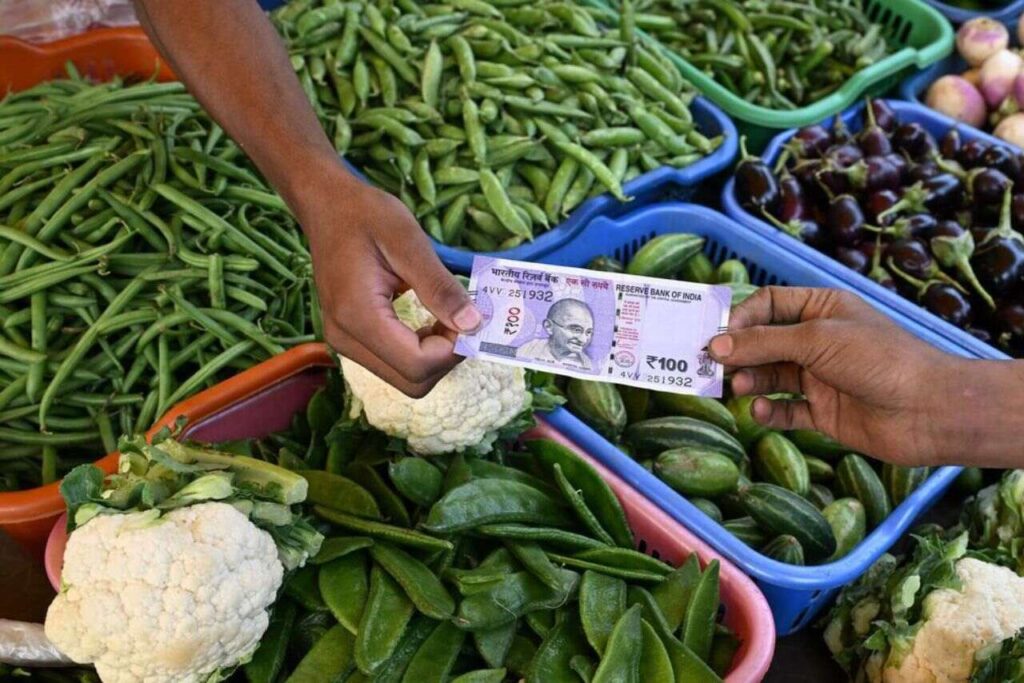
Synopsis: Rising food and fuel prices are beginning to push up inflation in India, with CPI inching higher. While still within the Reserve Bank of India’s target range, persistent risks from crude oil and supply pressures remain.
India’s inflation landscape is showing early signs of a gradual shift, as recent data points to a mild uptick in headline CPI. While the increase remains contained within the Reserve Bank of India’s comfort zone, the composition of inflation is changing in a way that warrants closer attention, particularly from essential categories.
Much of the recent pressure is being shaped by food and fuel prices, which tend to be more volatile and sensitive to supply shocks. Though the overall inflation environment is still stable for now, these emerging cost pressures could influence the broader outlook if they persist or intensify in the coming months.
Rising Inflation: Early Signs of Pressure
Inflation in India has begun to edge higher, with headline CPI rising to 3.4% in March from 3.2% in February. While the increase is modest, it signals the beginning of upward pressure on the overall inflation trajectory. The rise is not broad-based yet, but it reflects growing stress in key essential categories.
Food Inflation
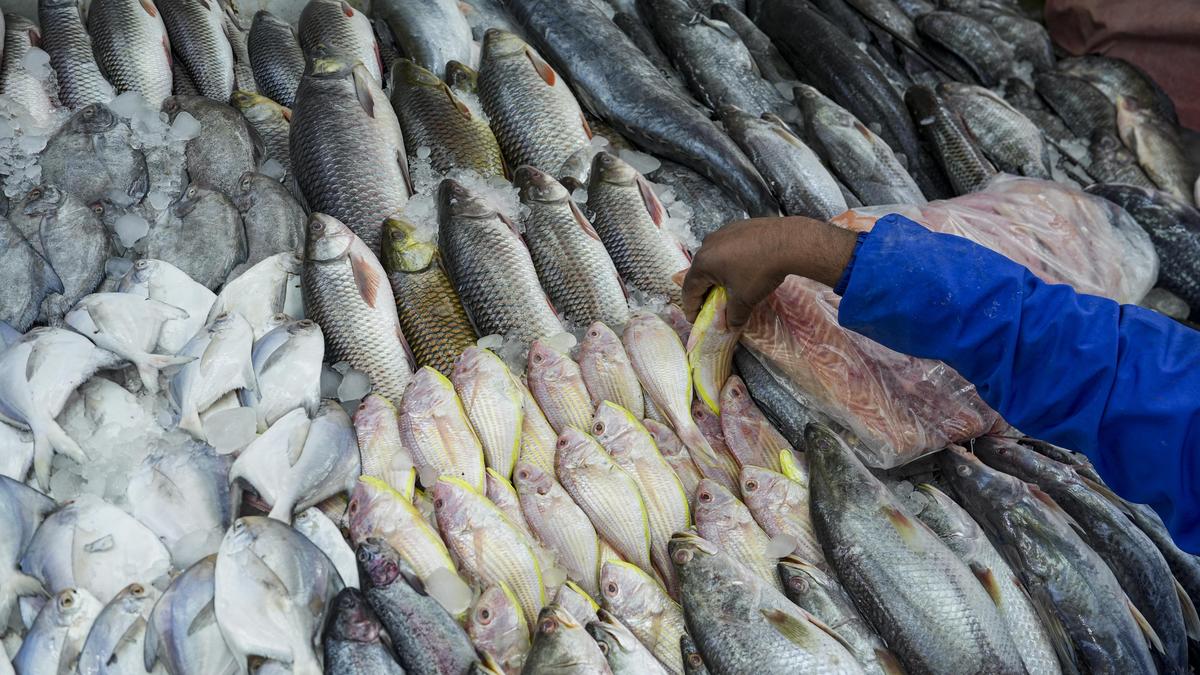
Food prices are currently the largest driver of inflation. Food inflation rose to 3.7%, largely due to supply-side factors such as seasonal variations and disruptions. Since food has a significant weight in India’s inflation basket, even small increases can push overall inflation higher. This makes food inflation a critical factor to watch in the coming months.
Fuel and Gas Prices
Fuel-related inflation is gaining momentum, with gas inflation rising sharply to 5.3% due to geopolitical supply disruptions. At the same time, fuel prices increased to around 4%, partly due to higher demand during LPG shortages. Rising fuel costs tend to have a cascading effect, increasing transportation and production expenses, which can eventually feed into broader inflation.
Geopolitical tensions continue to influence global energy markets, but their impact on domestic inflation has remained somewhat contained so far. The pass-through of higher global fuel prices into local prices has been limited, which has helped prevent a sharper spike in inflation. However, this buffer may not hold if global pressures persist.
A major concern going forward is the trajectory of crude oil prices. A $10 increase in crude oil prices could add 50–70 basis points to inflation. Given India’s dependence on oil imports, sustained increases in crude prices could significantly worsen the inflation outlook.
Central Bank Outlook
The Reserve Bank of India projects inflation at 4.6%, which remains within its tolerance band of 2%–6%. While this suggests that inflation is currently under control, the central bank remains cautious due to rising risks from food and fuel prices.
Rising food and fuel inflation are clearly starting to pressure India’s inflation outlook. While the situation is not yet alarming, the risks are building. If global oil prices rise further or food inflation remains elevated, inflation could move closer to the upper end of the target range.
Brokerages on CPI
BofA Outlook
Bank of America notes that inflation remains broadly contained, with limited pass-through of rising costs so far. While food prices have increased, service inflation is still stable. However, wholesale prices (WPI) are expected to reflect stronger commodity price pass-through, which may gradually feed into consumer inflation with a lag. BofA projects CPI at 5.2% for FY27 and expects a 50 basis points rate hike starting December 2026.
Kotak Securities View
Kotak Securities highlights that climate-related disruptions and geopolitical tensions are key risks to inflation. Despite these concerns, it expects the Reserve Bank of India to remain on a prolonged pause through CY2026. The brokerage estimates FY27 CPI at 4.7%, but acknowledges that a rate hike could become necessary if there are significant upside risks to the medium-term inflation outlook.
Citi Perspective
Citigroup points out that headline inflation has reached a 14-month high, prompting a revision of its FY27 forecast to 4.6%. It believes the Reserve Bank of India can stay on hold in the near term. However, Citi cautions that if core inflation remains elevated above ~4.5%, particularly due to supply shocks, there may be a need for a modest upward adjustment in policy rates.
Disclaimer: The views and investment tips expressed by investment experts/broking houses/rating agencies on tradebrains.in are their own, and not that of the website or its management. Investing in equities poses a risk of financial losses. Investors must therefore exercise due caution while investing or trading in stocks. Trade Brains Technologies Private Limited or the author are not liable for any losses caused as a result of the decision based on this article. Please consult your investment advisor before investing.
The post India’s Inflation Under Pressure from Rising Fuel and Food Prices; But Is It Still Under RBI’s Control? appeared first on Trade Brains.
What's Your Reaction?