
























































IndiGo Meltdown: Pilot shortage, new FDTL rules, DGCA and Govt intervention and more
Synopsis: IndiGo faced a major crisis in December 2025, cancelling 2,000+ flights due to a pilot shortage and stricter FDTL rules. DGCA and the government intervened, cutting 10% of flights, while IndiGo ramps up recruitment and roster changes to stabilise operations by February 2026. IndiGo’s current crisis stems from a large‑scale pilot shortage colliding with […] The post IndiGo Meltdown: Pilot shortage, new FDTL rules, DGCA and Govt intervention and more appeared first on Trade Brains.



Synopsis: IndiGo faced a major crisis in December 2025, cancelling 2,000+ flights due to a pilot shortage and stricter FDTL rules. DGCA and the government intervened, cutting 10% of flights, while IndiGo ramps up recruitment and roster changes to stabilise operations by February 2026.
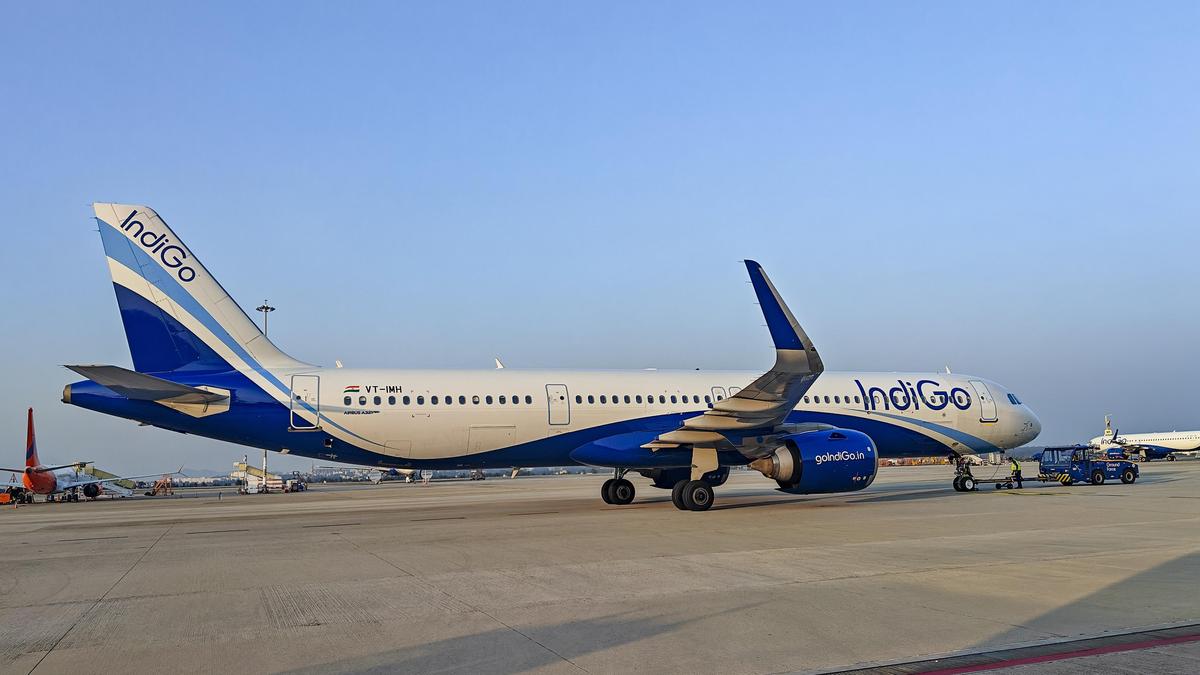
IndiGo’s current crisis stems from a large‑scale pilot shortage colliding with India’s new Flight Duty Time Limitation (FDTL) rules, which sharply tightened crew duty and rest norms from November 2025. Misplanning by the airline triggered thousands of cancellations, forcing regulatory intervention and the temporary relaxation of some rules.
The government and DGCA have since ordered inquiries, capped IndiGo’s schedule, and granted short one‑time exemptions while insisting that safety standards are not diluted.
What exactly happened
From about 2–4 December 2025, IndiGo cancelled more than 600 flights and delayed many more, with disruptions then spreading over the following week to an estimated 2,000+ cancelled services across its network. Delhi, Mumbai, Bengaluru, and Hyderabad saw the heaviest impact.
The airline warned that cancellations would continue for several days and announced a planned scaling down of operations from 8 December to stabilise schedules. By then, the DGCA (Directorate General of Civil Aviation) had ordered IndiGo to submit a detailed roadmap on recruitment, training, rostering changes, and a mitigation plan, along with fortnightly progress reports until operations normalise.
Core reasons for the crisis
IndiGo has admitted that it significantly underestimated the number of pilots needed to operate its winter 2025 schedule under Phase 2 of the revised FDTL norms that fully kicked in on 1 November 2025. The new rules sharply restrict night‑time duties and cumulative monthly/quarterly flight hours, meaning that earlier rosters could not legally continue without either adding pilots or cutting flights.
Reports indicate that IndiGo planned its winter schedule on optimistic assumptions about productivity and transition, leading to a “strategic mistake” where actual crew availability fell well short of what the roster required once the new duty‑time caps and rest mandates came into force. Other Indian airlines, which had either built more buffers or cut schedules earlier, did not see comparable disruption, highlighting IndiGo‑specific planning and staffing gaps rather than a systemic collapse.
FDTL rules: Key features
The revised FDTL framework, notified by DGCA in January 2024 and phased in from July and November 2025, is aimed at reducing pilot fatigue and aligning India more closely with ICAO‑style global norms. It prescribes limits on flight time, duty periods, and rest periods, as well as cumulative caps over 7, 14, and 28 days annually, with stricter control over late‑night and overnight flying.
For night operations (roughly 0000–0600 local time), basic daily flight time is capped at about 8 hours with duty around 10 hours, while daytime operations can go up to around 10 hours of flight time, subject to duty and cumulative limits. The rules also extend minimum rest between duties, tighten definitions of “night duty,” and reduce back‑to‑back “red‑eye” patterns, forcing airlines either to hire more pilots or rationalise schedules, especially at congested hubs.
Why IndiGo was hit harder
IndiGo is uniquely exposed because it runs the largest domestic network (over 60 percent market share) with heavy utilisation of early morning and late‑night banks, which are precisely the sectors most constrained by the new FDTL caps. When the final phase of rules took effect in November, IndiGo did not have enough trained pilots and first officers to cover its dense winter timetable once the new rest and cumulative duty limits were applied.
Commentary points out that the airline’s crew‑planning models and rostering systems appear to have misjudged how many extra pilots would be needed, leaving minimal buffer for sickness, training, or disruptions. As the shortage became apparent, IndiGo resorted to last‑minute cancellations and rolling delays rather than pre‑emptively cutting the published schedule, which worsened passenger chaos and attracted regulatory scrutiny.
IndiGo’s response and mitigation steps
In meetings with the Civil Aviation Ministry and DGCA, IndiGo has explicitly accepted that its misjudgment of crew requirements under the new FDTL regime is the primary cause of the widespread disruption. The airline has acknowledged insufficient preparedness in crew planning and rostering, and has stated that it is accountable for the resulting passenger inconvenience.
To address the crisis, IndiGo has announced a multi‑pronged response, reducing its flight schedule from 8 December to match realistic crew availability, ramping up pilot recruitment (including a plan to hire roughly 900 pilots over the next year), accelerating training, and reworking rosters to comply with FDTL while aiming to restore stability. The airline has assured regulators that operations will be “normalised and stable” by around 10 February 2026, subject to recruitment and roster restructuring progress.
Government and DGCA reaction
Regulator DGCA issued a show‑cause notice to IndiGo, accusing it of failing to adequately prepare for well‑flagged FDTL changes despite its dominant domestic market share and warning of penalties or operational restrictions if explanations and remedial measures were unsatisfactory. In parallel, the DGCA has temporarily cut IndiGo’s approved schedule by a specified percentage to enforce that the airline only operates flights it can reliably staff under the rules.
InterGlobe Aviation, IndiGo’s parent, shares again fell after the government ordered the airline to cut 10% of its planned flights amid mass cancellations. Aviation Minister Ram Mohan Naidu said the move is intended to stabilise operations and reduce disruptions, adding that CEO Pieter Elbers was summoned for an update. He noted that IndiGo has processed full refunds for all flights cancelled till December 6 and must comply with directives on fare caps and passenger-convenience measures.
Written by Manideep Appana
Disclaimer

The views and investment tips expressed by investment experts/broking houses/rating agencies on tradebrains.in are their own, and not that of the website or its management. Investing in equities poses a risk of financial losses. Investors must therefore exercise due caution while investing or trading in stocks. Trade Brains Technologies Private Limited or the author are not liable for any losses caused as a result of the decision based on this article. Please consult your investment advisor before investing.
The post IndiGo Meltdown: Pilot shortage, new FDTL rules, DGCA and Govt intervention and more appeared first on Trade Brains.
What's Your Reaction?