
























































IndiGo Strategy: How One Move Helped IndiGo Become India’s Biggest Airline
Synopsis: IndiGo’s rise to India’s largest airline is built on one core strategy, the sale-and-leaseback model. By ordering aircraft in bulk, operating a 400-plus fleet, and leveraging the high liquidity of Airbus A320s, the airline unlocked cash, expanded rapidly, and kept costs low. With 417 aircraft today and plans to reach 600 by 2030, IndiGo […] The post IndiGo Strategy: How One Move Helped IndiGo Become India’s Biggest Airline appeared first on Trade Brains.


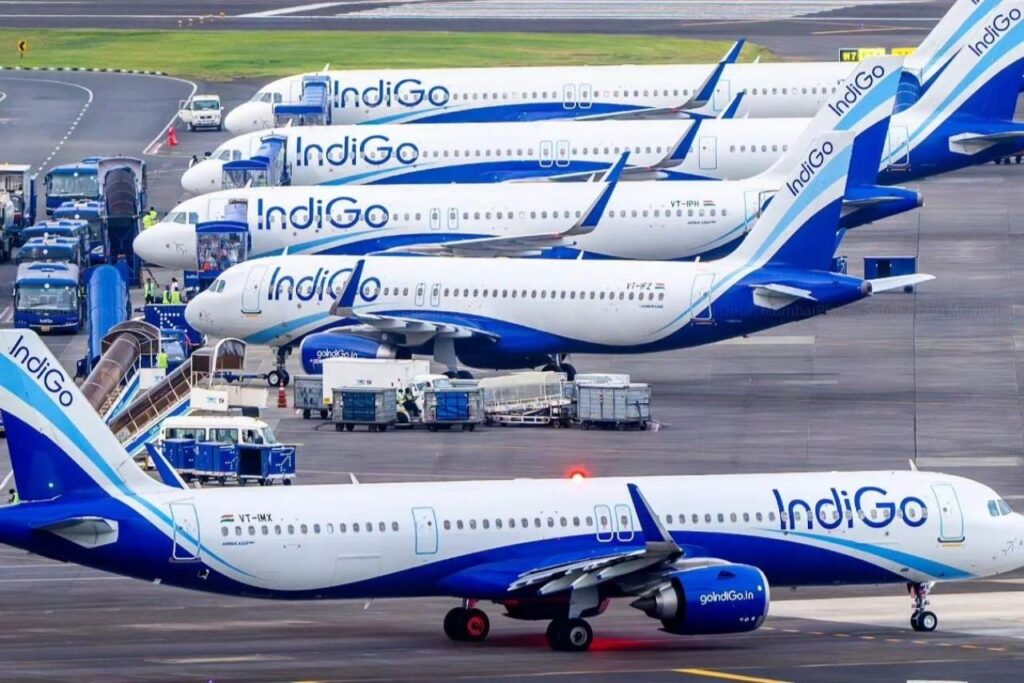
Synopsis: IndiGo’s rise to India’s largest airline is built on one core strategy, the sale-and-leaseback model. By ordering aircraft in bulk, operating a 400-plus fleet, and leveraging the high liquidity of Airbus A320s, the airline unlocked cash, expanded rapidly, and kept costs low. With 417 aircraft today and plans to reach 600 by 2030, IndiGo is now shifting toward greater ownership to reduce forex-driven lease volatility.
IndiGo did not become India’s largest airline by accident. Its rapid growth, massive fleet, and industry-leading cost structure all trace back to one strategic decision made early in its journey, an approach that allowed the airline to scale faster, stay financially light, and outpace every competitor.
About The Company
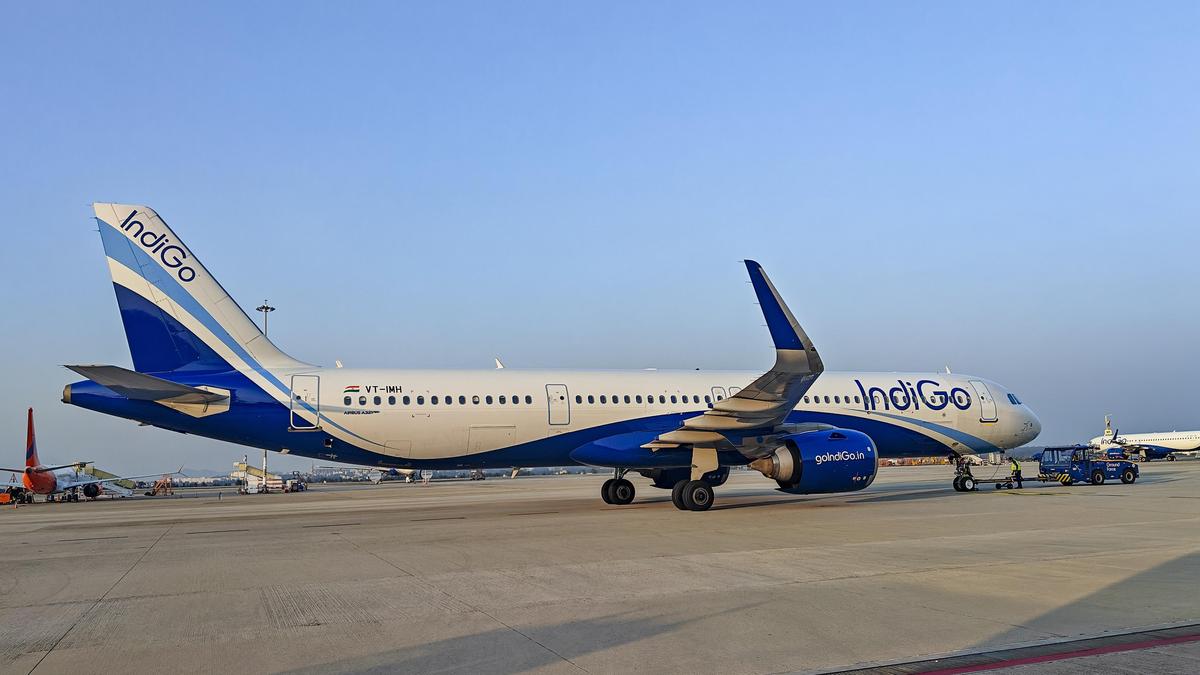
IndiGo is one of India’s most preferred and fastest-growing airlines globally. The airline follows a simple philosophy: provide affordable fares, maintain punctual flights, and deliver a courteous, hassle-free travel experience across its extensive network. With a fleet of over 400 aircraft, IndiGo operates more than 2,300 flights daily, connecting over 90 domestic and 40 international destinations. In 2024, the airline inducted 58 new aircraft and served over 118 million passengers in FY25. It was also recognized as the ‘Best Airline in India and South Asia’ by Skytrax at the 2025 World Airline Awards. The shares of Indigo are currently trading at Rs. 4,860.85 with a market capitalization of Rs. 1,87,915.89 crore.
The Sale-And-Lease-Back Model
In a sale-and-leaseback (SLB) arrangement, an airline acquires an aircraft at an attractive price, sells it to a lessor, ideally at a profit and then leases it back for its own operations. SLBs are important because they generate cash and provide the airline with greater fleet flexibility.
Additionally, inducting new aircraft helps keep operational costs, particularly maintenance expenses, competitive. Shorter fleet replacement cycles also allow airlines to adopt new technologies more quickly. The trade-off, however, is that airlines maintain asset-light balance sheets and, over time, may end up paying more for the aircraft.
For SLB transactions to be profitable, the aircraft’s purchase cost must be highly competitive, and the aircraft must have strong liquidity in the market. Liquidity is driven by supply and demand and the ability of lessors to place the aircraft with multiple operators throughout its lifespan.
IndiGo leverages both of these factors as a central part of its fleet strategy. Large order volumes allow the airline to acquire aircraft at very competitive prices. Another advantage is the type of aircraft IndiGo predominantly operates, the Airbus A320 and its variants, which are highly liquid, with over 11,275 in operation worldwide. This broad placement market gives lessors confidence to finance these aircraft. Combined with low interest rates, strong competition, and high demand, IndiGo finds itself in a highly favorable position.
Why Indigo Chose The Sale-And-Lease-Back Model?
Aircraft are the most capital-intensive asset for any airline, and IndiGo recognized early that owning a large fleet outright would create significant financial pressure due to depreciation, liquidity needs, and rapid technology cycles. To avoid locking large amounts of capital into aircraft purchases, the company needed a structure that kept cash outflows low while allowing rapid fleet expansion.
India’s aviation market has historically struggled with limited liquidity and volatile banking conditions, making traditional aircraft financing both expensive and restrictive. IndiGo therefore prioritized a model that would protect its balance sheet, ensure predictable costs, and provide flexibility in scaling operations.
This is where the sale-and-leaseback approach became central to its strategy. By purchasing aircraft at competitively negotiated prices and immediately leasing them back, IndiGo could free up capital, maintain an asset-light balance sheet, and secure favorable lease rentals due to strong demand and ample credit availability. Over time, this model became a key enabler of IndiGo’s growth, allowing it to expand its fleet faster than competitors while keeping financial risk contained.
How IndiGo Makes Money From Sale-and-Leaseback Deals?
Sale-and-leaseback (SLB) transactions are especially valuable when carefully planned and executed, as they can generate a steady income stream. This income comes from the difference between the airline’s cost of acquiring the aircraft and the price at which it is sold to the lessor. However, the process is complex, as lease contracts require careful negotiation, and even seemingly minor, unmentioned elements can have significant implications.
For the SLB income to be sustainable, aircraft replacement cycles must be short a goal IndiGo achieves through longer lease terms. Additionally, a reliable income stream requires future visibility, which the airline ensures through its large order volumes. This income allows IndiGo to de-risk operational cash flows, reduce working capital debt, and strengthen its balance sheet.
From the outset, IndiGo has strategically positioned itself to leverage financing and capitalise on SLB premiums. Its competitive aircraft costs and strong liquidity are supported by both the volume and type of aircraft it operates.
Cost Efficiency as a Benefit of Sale-and-Leaseback
One of the key advantages of IndiGo’s sale-and-leaseback strategy is the cost efficiency it enables, particularly through its uniform fleet of Airbus A320 aircraft. Operating a single aircraft type simplifies maintenance, crew training, and procurement, which in turn reduces operational expenses.
A homogenous fleet allows IndiGo to streamline maintenance processes and consolidate spare parts inventories, since the same components are used across all aircraft. This minimizes inventory complexity and lowers costs associated with acquiring and storing parts. Maintenance crews also become highly specialized in the A320, enabling faster and more efficient repairs, which reduces aircraft downtime.
Crew training is another area where SLB-driven fleet uniformity provides benefits. Standardized training programs for pilots and cabin crew lower training costs and shorten the time required for new hires to become operational. This allows quicker crew deployment, enhances operational productivity, and further reduces the costs that would arise from managing multiple aircraft types.
By combining fleet standardization with the financial flexibility of sale-and-leaseback arrangements, IndiGo maximizes both operational efficiency and cost savings, strengthening the overall benefits of its SLB strategy.
Managing Debt with the Asset-Light Approach
IndiGo predominantly follows a leasing model rather than purchasing aircraft outright, a strategy that is generally more capital-efficient and cost-effective. However, the airline’s financial statements still show significant lease liabilities. This is because accounting standards, specifically Ind AS 116, require long-term lease commitments to be capitalized on the balance sheet.
As a result, even though these leases are operational in nature and do not represent traditional debt, they are recorded similarly to loans or borrowings. This treatment provides transparency and comparability for investors by reflecting the present value of future lease obligations. At the same time, it can make the airline appear more leveraged than it actually is. In practice, IndiGo benefits from the flexibility and lower upfront capital requirements of a leased fleet, but reporting standards create the perception of higher financial leverage due to the capitalization of long-term lease commitments.
Shifting to Direct Ownership
The sale-and-leaseback (SLB) model has been central to IndiGo’s financial growth and market leadership over the past 19 years. Management stated that the airline plans to own or hold on financial lease 40 percent of its aircraft by 2030, up from the current 18 percent.
Management explained that IndiGo is revising its traditional SLB model. “It’s how IndiGo started 18-19 years ago, like many airlines. Now, we’re shifting to include financial leases and even some direct ownership,” they said.
As of the recent quarter, IndiGo owned 14 aircraft and had 62 on financial lease. Out of its 417 plane fleet, 333 aircraft were on operating leases, mostly through SLBs and 8 were on damp leases, where the lessor provides not only the aircraft but also pilots, maintenance, and insurance.
This strategic shift is driven by the airline’s ambitions to expand internationally, introduce more wide-body aircraft, manage rising lease costs, and mitigate currency volatility. At the current delivery rate of one aircraft per week, IndiGo is expected to add over 250 passenger jets by 2030, taking the fleet size to more than 600 aircraft.
Lease costs surged more than tenfold in the recent quarter due to the depreciation of the rupee against the dollar. Since lease payments are dollar-denominated, a 1.7 percent depreciation resulted in a foreign exchange loss of Rs. 2,892 crore. Such losses are a direct consequence of the SLB strategy, which allows aircraft acquisition without large upfront payments but exposes the airline to currency fluctuations and mark-to-market accounting, which updates leased asset values to current market prices and can make quarterly earnings appear more volatile.
By increasing the proportion of aircraft that are owned or on financial lease, IndiGo gains greater control over timing and costs, smoothing expenses and enhancing investor confidence. Management added that the airline is now arranging financial leases through GIFT City, enabling longer lease terms and transitioning from operational leases to financial leases, supporting its move toward more owned and financially leased aircraft.
Written by Manan Gangwar
Disclaimer

The views and investment tips expressed by investment experts/broking houses/rating agencies on tradebrains.in are their own, and not that of the website or its management. Investing in equities poses a risk of financial losses. Investors must therefore exercise due caution while investing or trading in stocks. Trade Brains Technologies Private Limited or the author are not liable for any losses caused as a result of the decision based on this article. Please consult your investment advisor before investing.
The post IndiGo Strategy: How One Move Helped IndiGo Become India’s Biggest Airline appeared first on Trade Brains.
What's Your Reaction?