














































Karnataka Budget 2026: Infra, Energy and Other Sectors Where the Govt Will Spend ₹4.48 Lakh Cr
Synopsis: The Karnataka Budget 2026–27 outlines a development-focused plan with a total outlay of Rs 4.48 lakh crore, balancing welfare spending with investments in infrastructure, agriculture, education, and renewable energy. Key initiatives include Bengaluru infrastructure upgrades, solar agriculture projects, rural road development, and improvements in healthcare and education to support long-term economic growth. The Karnataka […] The post Karnataka Budget 2026: Infra, Energy and Other Sectors Where the Govt Will Spend ₹4.48 Lakh Cr appeared first on Trade Brains.

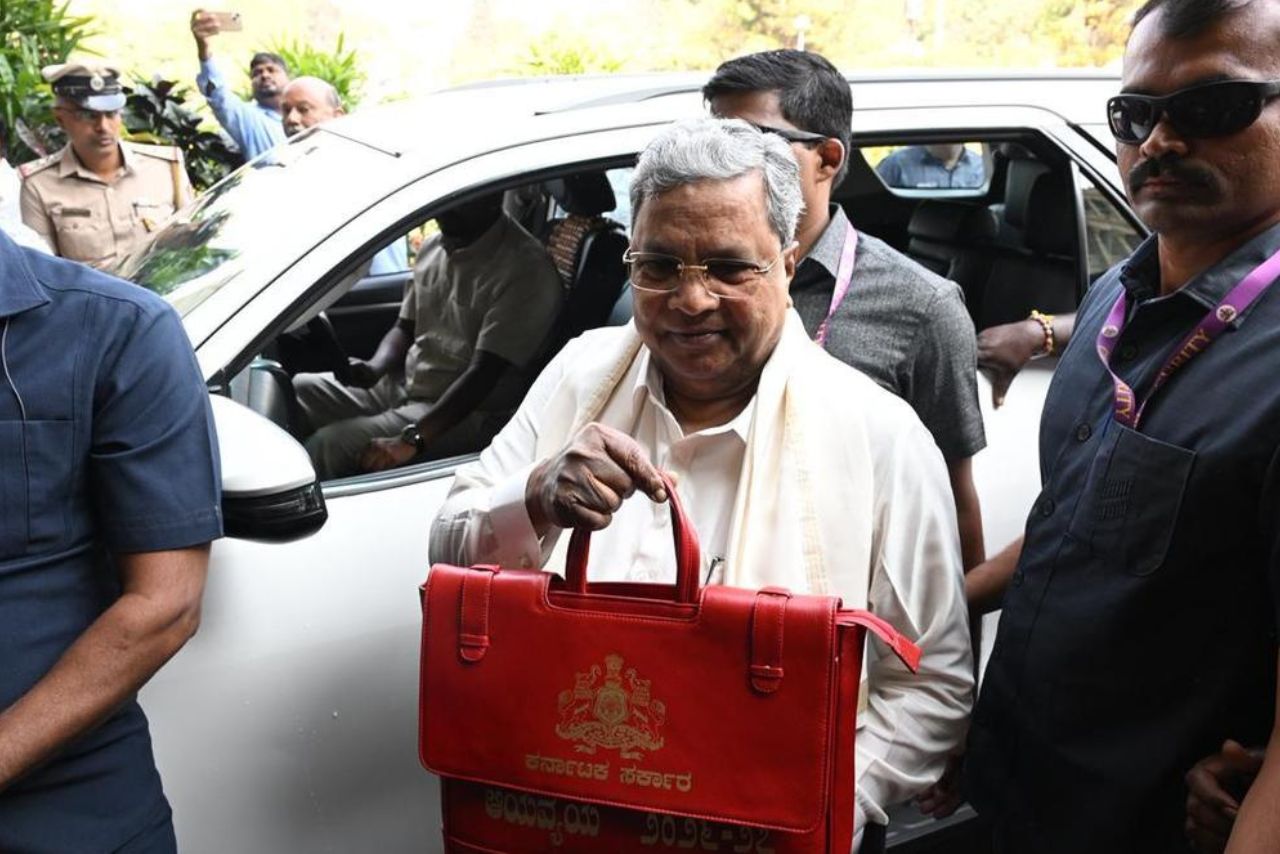
Synopsis: The Karnataka Budget 2026–27 outlines a development-focused plan with a total outlay of Rs 4.48 lakh crore, balancing welfare spending with investments in infrastructure, agriculture, education, and renewable energy. Key initiatives include Bengaluru infrastructure upgrades, solar agriculture projects, rural road development, and improvements in healthcare and education to support long-term economic growth.
The Karnataka Budget 2026-27 indicates an elaborate development plan with an overall budgetary size of Rs 4,48,004 crore, which aims at achieving the right balance between welfare promises and investments in infrastructure, agriculture, and human resource development. Revenue expenditure in the budget amounts to Rs 3,38,007 crore, while capital expenditure amounts to approximately Rs 84,567 crore.
Agriculture and Allied Activities
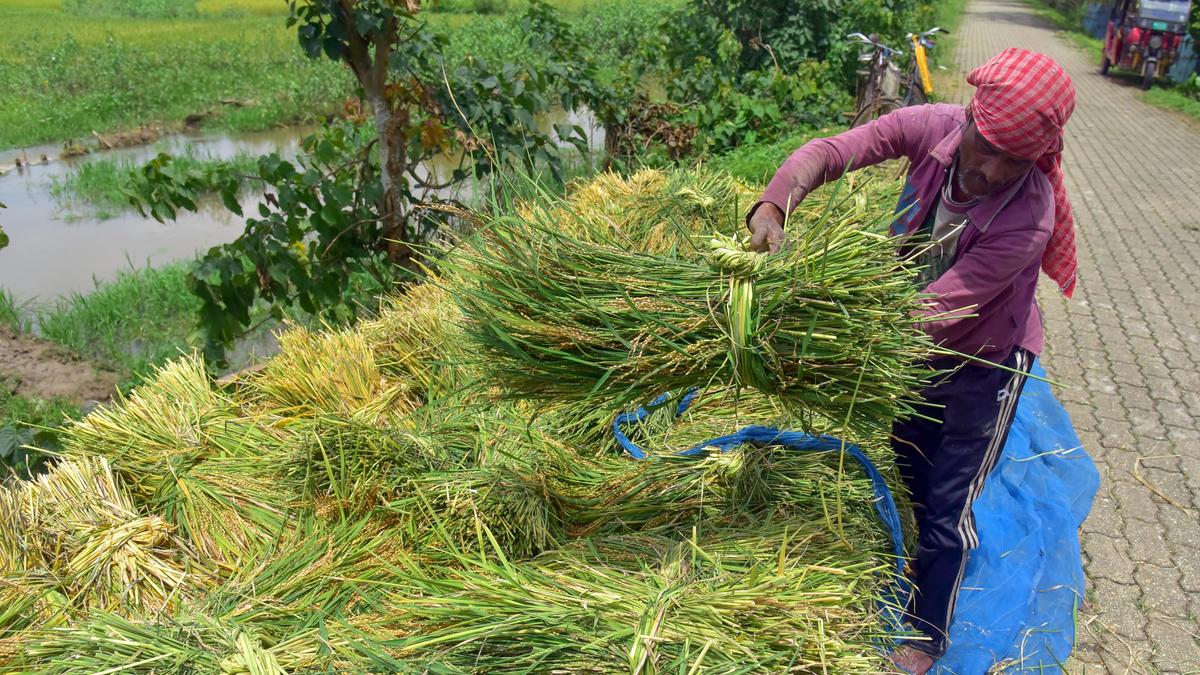
Agriculture is a major sector in the Karnataka budget 2026-27, with a number of initiatives being proposed to strengthen farmer services in terms of scientific guidance, financial assistance, quality inputs, and post-harvest infrastructure. The state government has proposed a new scheme called the Chief Minister Krishi Vistara Yojana, which involves an outlay of Rs 100 crore over the next three years to encourage value addition of crops and the use of agricultural waste.
Some of the other initiatives proposed in this budget are the Millet Hub, which focuses on millets and organic products; artificial intelligence-based enhancements to the Farmer Call Centres; schemes such as Vasudhaamruta and Sasya Sanjeevini, which encourage eco-friendly practices of farming; and pest management.
To encourage productivity, the state government has proposed precision sowing machines under the Hi-Tech Harvester Hub scheme, an agribusiness centre at Chitradurga, and Raita Malls in the Kolar district. The budget has also proposed organic certification to make Pandavapura taluk a fully organic taluk and water-saving techniques in irrigation.
Even allied sectors are being helped, including the allocation of Rs 10 crores for pest control operations in areca and coconut crops; two cold storages of 12,000 metric tonne capacity at a cost of Rs 64 crores for horticultural produce; 100 veterinary institutions; silk parks in five districts; and zero-interest loans worth Rs 30,000 crores to 38 lakh farmers, along with the computerisation of 1628 PACS.
Irrigation and Water Resources
The irrigation sector has received considerable attention through the implementation of several water infrastructure projects. The government is planning to take up major projects, including the Mekedatu project, as well as the Yettinahole drinking water project.
Furthermore, the government has also allocated Rs 490 crore for the Vuduthore Halla irrigation project, which is to be implemented in the Chamarajanagar district. This project would provide irrigation facilities for 12,000 acres of land. The government is also planning to take up modernisation works, including the replacement of gates at the Tungabhadra dam.
Education and Skill Development
Education has been one of the key areas of investment for improvement in infrastructure and education quality. The government plans to set up 800 new Karnataka public schools with an investment of Rs 3,900 crore, backed by the likes of the Asian Development Bank.
Other initiatives include the recruitment of 15,000 teachers, providing digital learning support using AI technology for 12.28 lakh students, and upgrading the quality of colleges and polytechnic education. The government has also proposed spending Rs 500 crore for the development of Visvesvaraya Engineering University in the style of IITs.
Healthcare and Medical Infrastructure
The healthcare sector has been allocated Rs 900 crores to strengthen health infrastructure across the state. In addition, Rs 400 crores will be allocated to implement revised healthcare package rates under Ayushman Bharat-Arogya Karnataka.
Other key initiatives include expanding dialysis services by investing Rs 20 crores, upgrading emergency departments in district hospitals by investing Rs 45 crores, and developing new medical infrastructure such as super specialty hospitals and medical colleges.
Urban Development and Infrastructure
The development of urban infrastructures, especially in Bengaluru, is a major highlight of the budget. The government has allocated Rs 7,000 crores for Bengaluru’s infrastructural development, including road development and improvement of mobility.
The major initiatives include investing Rs 3,000 crores for the development of white-topping of 450 km of roads, constructing 100 skywalks, and developing an additional 41 km of metro lines, which will benefit 15 lakh daily commuters.
Energy and Renewable Sector
The energy sector has also been allocated a significant amount of funds for the development of clean and green energy and power supply. The government aims to invest Rs 10,500 crore under the Mukhyamantri Solar Agriculture Scheme for the development of solar power plants of 3,000 MW capacity.
Moreover, Rs 19,290 crore will be spent on electricity subsidies for agricultural pump sets, and Rs 10,578 crore will be spent on the Gruha Jyoti electricity supply scheme for all households. Additionally, the state aims to develop 1,250 electric vehicle charging points with an investment of Rs 777 crores.
Rural Development and Connectivity
Rural development programmes undertaken by the state include the Pragati Path scheme, which costs the state Rs 5,190 crores. This scheme aims to develop 7,110 km of rural roads with the assistance of the Asian Development Bank.
The state has also allocated funds to improve drinking water facilities in the state under the Jal Jeevan Mission, with the total approved works amounting to Rs 69,488 crores in the state.
Tax Proposal and Excise Duty
In the Karnataka Budget 2026-27, the government has introduced many tax reforms and revenue targets in various sectors. The government has decided to slash the sales tax rate for LNG from 14.34% to 5%. At the same time, the government has set the commercial tax revenue target for the year 2026-27 at Rs 1,25,000 crore.
In the excise sector, the government has introduced many reforms, including the introduction of Alcohol in Beverage (AIB)-based excise duty from April 2026, reduction of pricing slabs from 16 to 8, and the introduction of blockchain technology for digital tracking.
The government has set the excise revenue target for the year 2026-27 at Rs 45,000 crore. Along with this, the government aims to collect Rs 29,000 crore from stamps and registration, Rs 15,500 crore from motor vehicle taxes, and Rs 3,000 crore from mining taxes along with Rs 11,000 crore from mining royalties in 2026-27.
Overall, the Karnataka Budget 2026-27 focuses on large-scale investments in sectors such as agriculture, infrastructure, education, healthcare, and renewable energy, which would help to foster inclusive growth in the state. With a strong focus on capital expenditures, the state aims to improve rural incomes, urban infrastructure, and sustainable economic growth in the years to come.
Disclaimer: The views and investment tips expressed by investment experts/broking houses/rating agencies on tradebrains.in are their own, and not that of the website or its management. Investing in equities poses a risk of financial losses. Investors must therefore exercise due caution while investing or trading in stocks. Trade Brains Technologies Private Limited or the author are not liable for any losses caused as a result of the decision based on this article. Please consult your investment advisor before investing.
The post Karnataka Budget 2026: Infra, Energy and Other Sectors Where the Govt Will Spend ₹4.48 Lakh Cr appeared first on Trade Brains.
What's Your Reaction?