




































Kiri Industries Stock: Where Does it Plan to Utilise Its ₹5,854 Cr Exceptional Income?
Synopsis: Kiri Industries plans to deploy its Rs 5,854 crore exceptional income from the DyStar settlement toward taxes, equity funding for its copper and fertiliser projects, working capital, and contingency support rather than shareholder payouts. Management sees the windfall as capital for long-term expansion, while the balance of project funding will come from debt. With […] The post Kiri Industries Stock: Where Does it Plan to Utilise Its ₹5,854 Cr Exceptional Income? appeared first on Trade Brains.

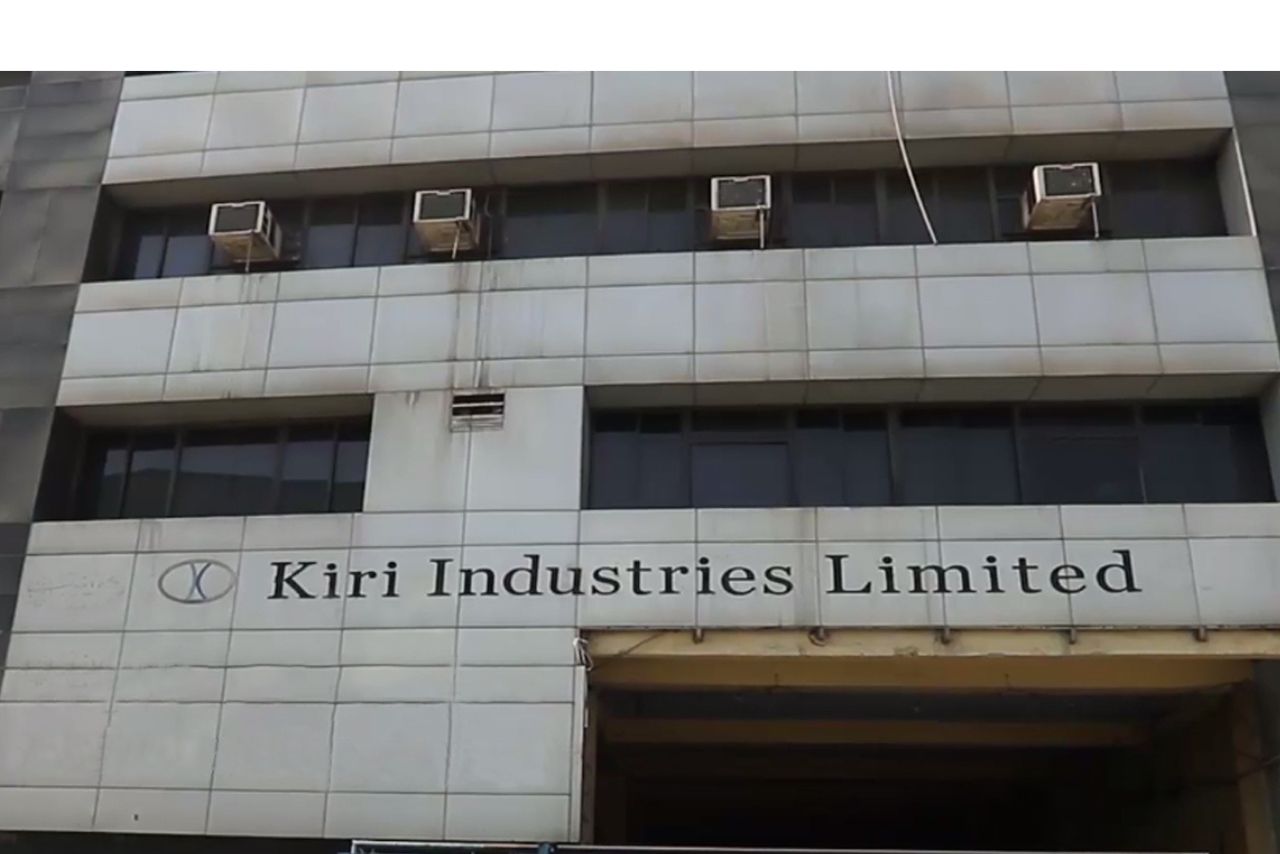
Synopsis: Kiri Industries plans to deploy its Rs 5,854 crore exceptional income from the DyStar settlement toward taxes, equity funding for its copper and fertiliser projects, working capital, and contingency support rather than shareholder payouts. Management sees the windfall as capital for long-term expansion, while the balance of project funding will come from debt.
With a market cap of Rs 2,758 crore, the shares of Kiri Industries Ltd are trading at Rs 423 and have an ROCE and ROE of 10.5% and 8.56% respectively. Kiri Industries’ extraordinary revenue of Rs 5,854 crore was accounted for by the settlement of the long-pending DyStar dispute, wherein the company received USD 689.03 million on the 31st of December 2025. This has been seen as the “start of a new strategic chapter” by the company’s management, which has also indicated that the funds would be set aside for future business needs.
Focus on expansion, not payouts
The first and most obvious communication sent by management is that they will not be using this money to pay dividends or make any buybacks. In the earnings call, Chairman and Managing Director Manish Kiri said that they have deliberated extensively on this topic and have come to a conclusion that they will focus on long-term strategic initiatives and financial and operational health as well as secure their future as a company before they consider any payouts to shareholders.
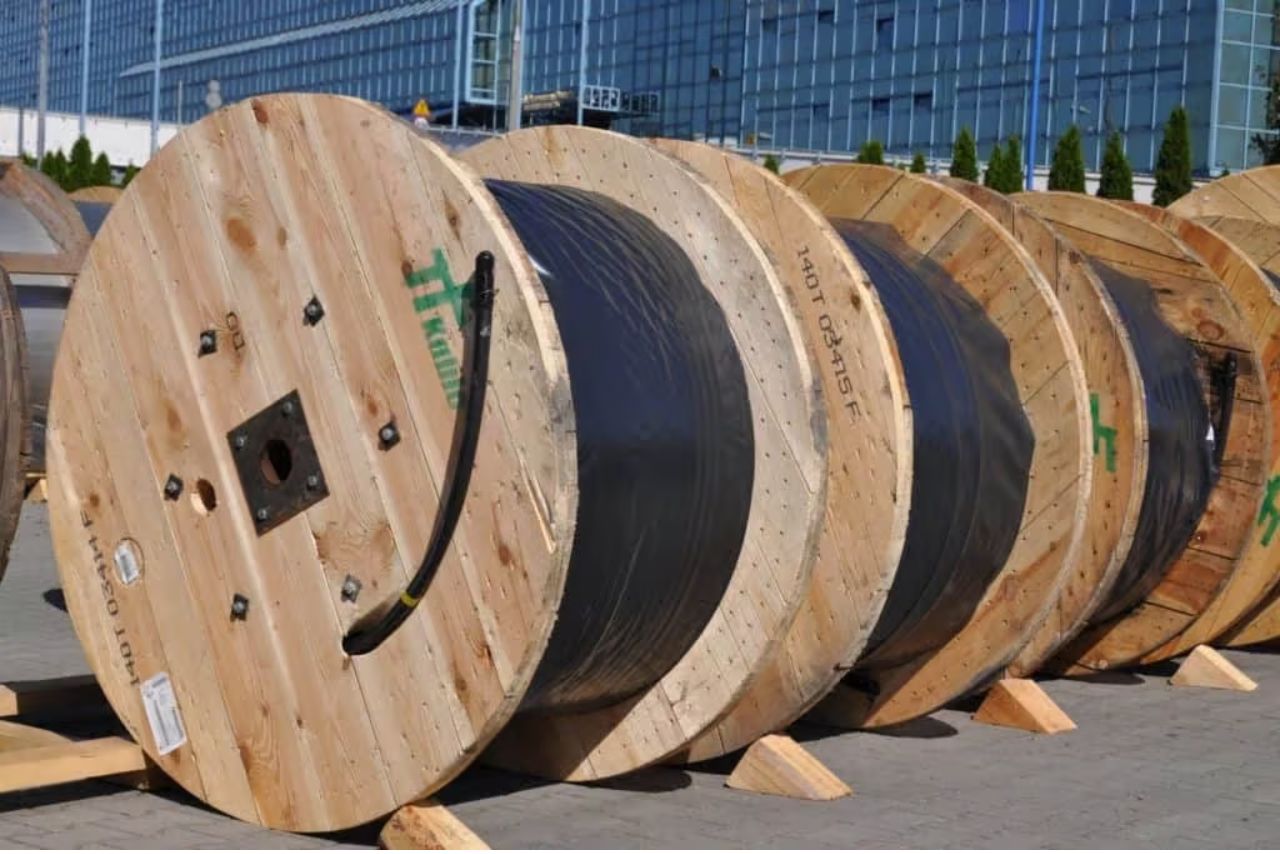
A huge part of this exceptional income will be going into Kiri’s greenfield copper and fertiliser projects. The company has said that these projects will need a huge amount of equity infusion and contingency buffers, as well as working capital support. Management has said that the total capex required for these copper and fertiliser projects will be Rs 12,000 crore to Rs 13,000 crore over FY27 and FY28. This shows that this DyStar money will be used to fund equity for this expansion.
It seems like the copper project is the key driver in this capital allocation strategy. As per the earnings call, the company is expecting the first phase of the copper business to commence in April 2027, with expected revenues of Rs 20,000 crore to Rs 25,000 crore from just the first phase and EBITDA of Rs 1,200 crore to Rs 1,500 crore in FY28. This is the reason why they are choosing to retain and invest in a business which is going to be transformational in terms of scale.
Tax and working capital are also key uses
Another immediate use of the money is to pay the capital gains tax that will be incurred on the DyStar deal. This has been explicitly stated to be paid off by March 15, 2026. So, this tax outgo will be one of the first uses to which this exceptional income will be put. This means that not all Rs 5,854 crore will be available to be deployed as fresh investment, as part of this amount will be required to be paid off first.
The company has also said that part of this money will be used to support the underlying dyes business, which still needs working capital support because of a tough market. Apart from that, Kiri is already using this money to fund new entities that are part of this expansion. On March 20, 2026, Kiri said that it would be investing Rs 70 crore in IndoAsia Agrotech Fertilisers Limited, which would be setting up a fertiliser manufacturing unit in Gujarat. This company would be a subsidiary with a 99.93 per cent shareholding.
Balance funding to come from debt
Kiri has also indicated that its exceptional income would not be sufficient to meet its entire project requirement. It was indicated that the rest of the project requirements would be met by debt. The debt-equity ratio was expected to be 70/30 or 65/35, depending upon the financial closure. It was also indicated that no rights issue would be done to meet the rest of the project requirements. Instead, loans would be used to meet the project requirement.
So, in simple terms, Kiri intends to utilise its Rs 5,854 crore exceptional income in four broad ways. Firstly, it would be utilised to pay taxes. Secondly, it would be utilised to meet equity in copper and fertiliser projects. Thirdly, it would be utilised to meet working capital and contingency needs. Finally, it would be utilised to strengthen existing businesses, while debt would be raised to meet the rest of the capex needs. The message sent by Kiri is that its exceptional income is not to be paid out as dividends because its management is convinced that value creation lies in converting this into a very large operating business.
Financials
The revenue from operations for the company stood at Rs 174 crore in Q3 FY26 compared to the Q3 FY25 revenue of Rs 179 crore, down by about 3 per cent YoY. However, the net profit stood at Rs 5,023 crore in Q3 FY26, up compared to the Rs 177 crore profit in Q3 FY25 from a one-time exceptional gain from the Dystar case.
Disclaimer: The views and investment tips expressed by investment experts/broking houses/rating agencies on tradebrains.in are their own, and not that of the website or its management. Investing in equities poses a risk of financial losses. Investors must therefore exercise due caution while investing or trading in stocks. Trade Brains Technologies Private Limited or the author are not liable for any losses caused as a result of the decision based on this article. Please consult your investment advisor before investing.
The post Kiri Industries Stock: Where Does it Plan to Utilise Its ₹5,854 Cr Exceptional Income? appeared first on Trade Brains.
What's Your Reaction?